 Free shipping on orders over £29,85
  Shipping Tracking!


 Google
 Facebook
How Do You Use Epoxy Resin to Make Jewelry?
Step-by-step guide for crafting custom epoxy resin jewellery.


Making your own resin jewellery opens up a world of creative possibilities. Whether you want to craft personalised pendants, colourful earrings, or bespoke keychains, working with epoxy resin lets you preserve flowers, add pigments, or capture keepsakes in a brilliant, glass-like finish. This detailed guide walks you through the essential steps for creating unique jewellery safely and successfully, from preparation to finishing touches.
What You’ll Need
- “Evershine Collection” – Artisan Jewellery Epoxy Resin Kit with 100+ Accessories – contains resin, pigments, moulds, and findings for complete jewellery projects
- “Liquidissima” – Epoxy Resin For Creations & Jewellery – ideal for intricate moulds and high-clarity castings
- “One-2-One” – Epoxy Resin for Handcraft, 1:1 Mixing Ratio – perfect for simple measuring and reliable results
- “ICreation” – Fast Epoxy Resin, 6h Demoulding, Transparent Gloss Finish – great for quick projects needing fast turnaround
- Silicone jewellery moulds in desired shapes (pendant, earring, etc.)
- Pigments, glitters, dried flowers, or decorative inclusions
- Mixing cups, wooden sticks or spatulas
- Nitrile gloves and protective apron
- Paper towels and isopropyl alcohol for clean-up
- Toothpicks or a heat gun/torch to pop bubbles

Essential Safety and Project Setup
Always work in a well-ventilated area. Wear gloves throughout, avoid inhaling fumes, and protect clothes with an apron. Prepare and cover your work area to catch any drips or spills. Keep paper towels and isopropyl alcohol within reach for quick clean-up. Have all your moulds and decorative materials ready before starting to mix resin for best results.
Step 1: Prepare Your Workspace and Moulds
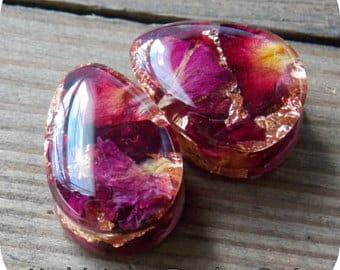
Set up a level, dust-free surface protected with plastic or disposable coverings. Organise all materials you’ll need, and ensure silicone moulds are clean and completely dry. Any moisture or dust can cause imperfections in your finished resin jewellery. Use latex-free gloves to protect your hands, and consider wearing a protective apron. Always work in a well-ventilated area.
Step 2: Measure and Mix the Epoxy Resin
Carefully read the instructions for your chosen epoxy resin. Most jewellery resins require mixing resin and hardener in precise ratios—commonly 1:1 by volume (“Evershine Collection” and “One-2-One”), or 2:1 for faster-cure types like “ICreation”. Pour equal amounts (by volume unless specified otherwise) into a mixing cup and blend slowly with a wooden stick for at least 2–3 minutes. Scrape the sides and bottom to ensure a thorough mix. Measure resin and hardener precisely to avoid soft or sticky results.
Step 3: Add Colour, Inclusions, and Pour
Once your resin is combined and clear, add specialist pigments, glitters, or dried flowers as desired. Stir gently until the colour is even. Avoid over-mixing or mixing too quickly to reduce bubbles. Immediately pour the resin into your prepared moulds, filling just below the rim. For details or multi-layer pieces, pour in stages, allowing each layer to partially cure before adding the next.
Step 4: Remove Bubbles and Allow to Cure
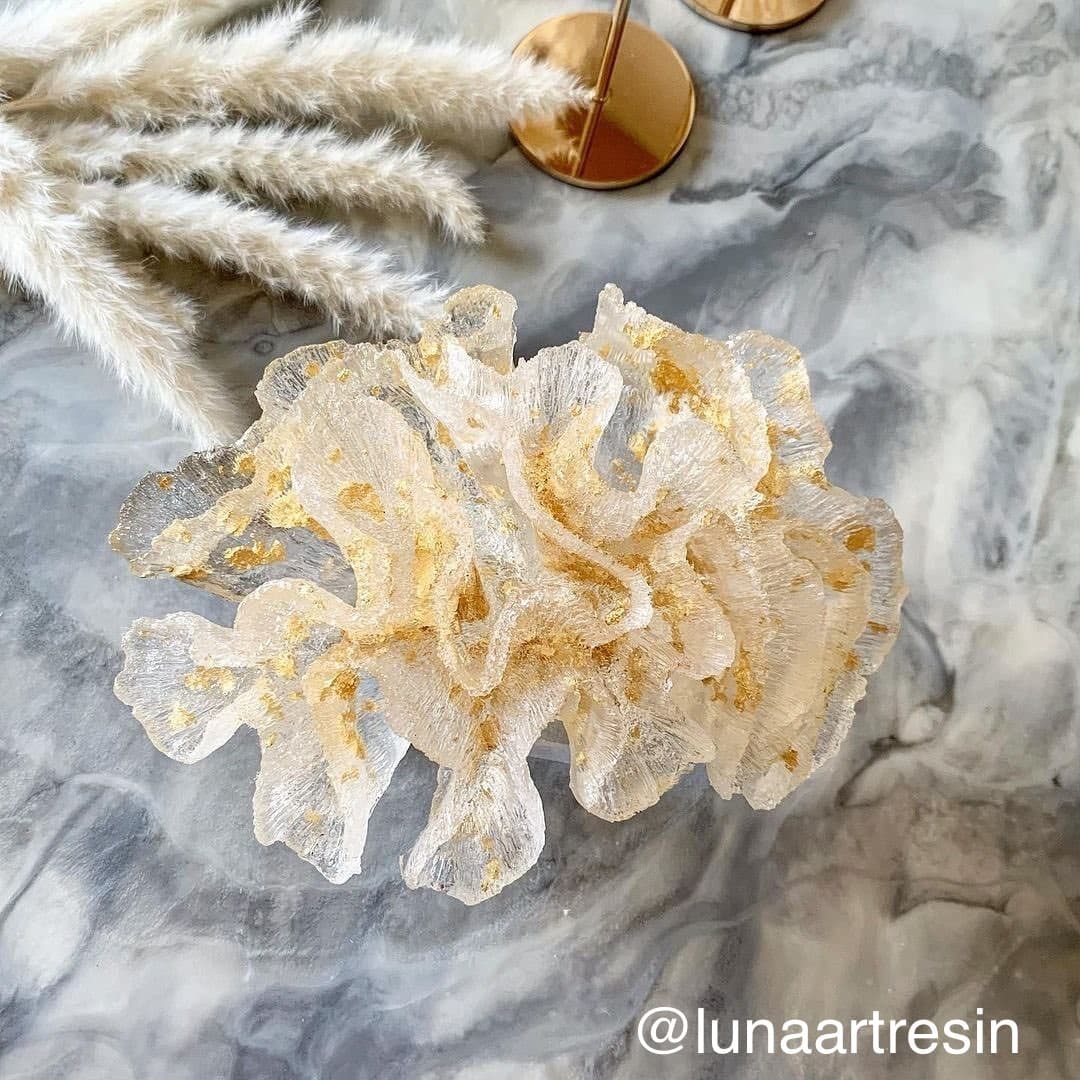
Quickly check for surface bubbles. Use a toothpick or briefly pass a heat gun or small torch above the resin’s surface—be careful not to overheat or melt the mould. Cover the filled moulds with a plastic box to shield from dust while curing. Refer to the set time of your resin product; for rapid results, choose a fast-curing formula like “ICreation”, which demoulds in around six hours. Do not demould jewellery before resin is fully set.
Step 5: Demould and Finish Your Pieces
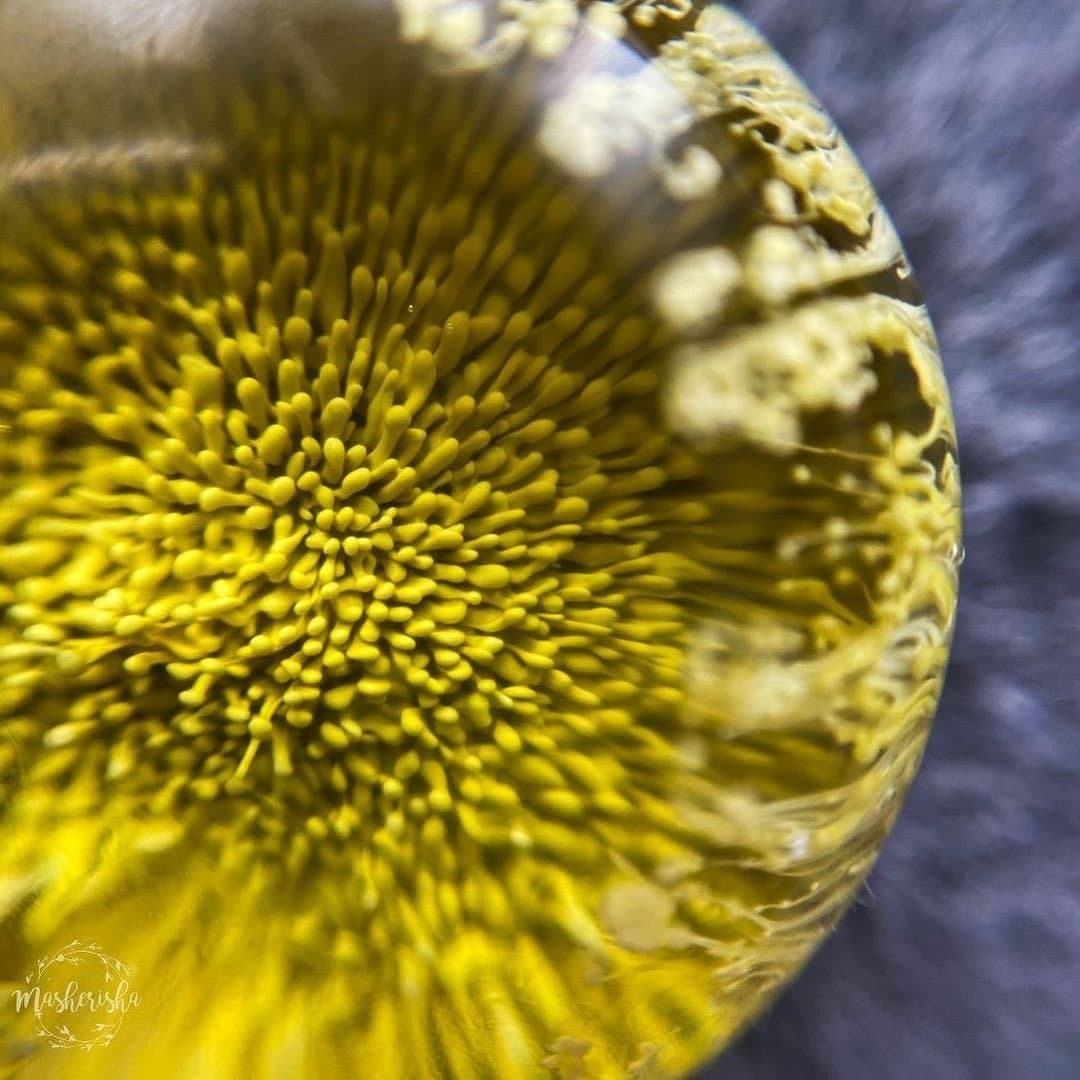
Carefully release your jewellery from the moulds once the resin is fully hardened (typically 6–24 hours, depending on product). Trim any excess resin with small scissors or a craft knife. If required, use a mini drill to create holes for findings, or sand edges gently for a smooth finish. Attach jump rings, earring posts, or chains as desired to complete your jewellery.
Troubleshooting and Top Tips
Working with epoxy resin is rewarding but requires patience and care. Do not demould jewellery before resin is fully set. Avoid over-mixing or mixing too quickly to reduce bubbles. Test pigments and inclusions on a small sample before committing to a whole batch. Store cured resin pieces away from direct sunlight. If cloudy or sticky results appear, it’s usually due to inadequate mixing, wrong ratios, or demoulding too soon.
Finishing Touches and Care
Let finished jewellery pieces cure a full day before wearing or gifting. Store cured resin pieces away from direct sunlight. To clean, use a soft, damp cloth; avoid abrasive cleaners that can dull the glossy finish. For sharp edges, a fine nail file or micro-sanding pad ensures comfort. Take extra care with findings and connections for durability.
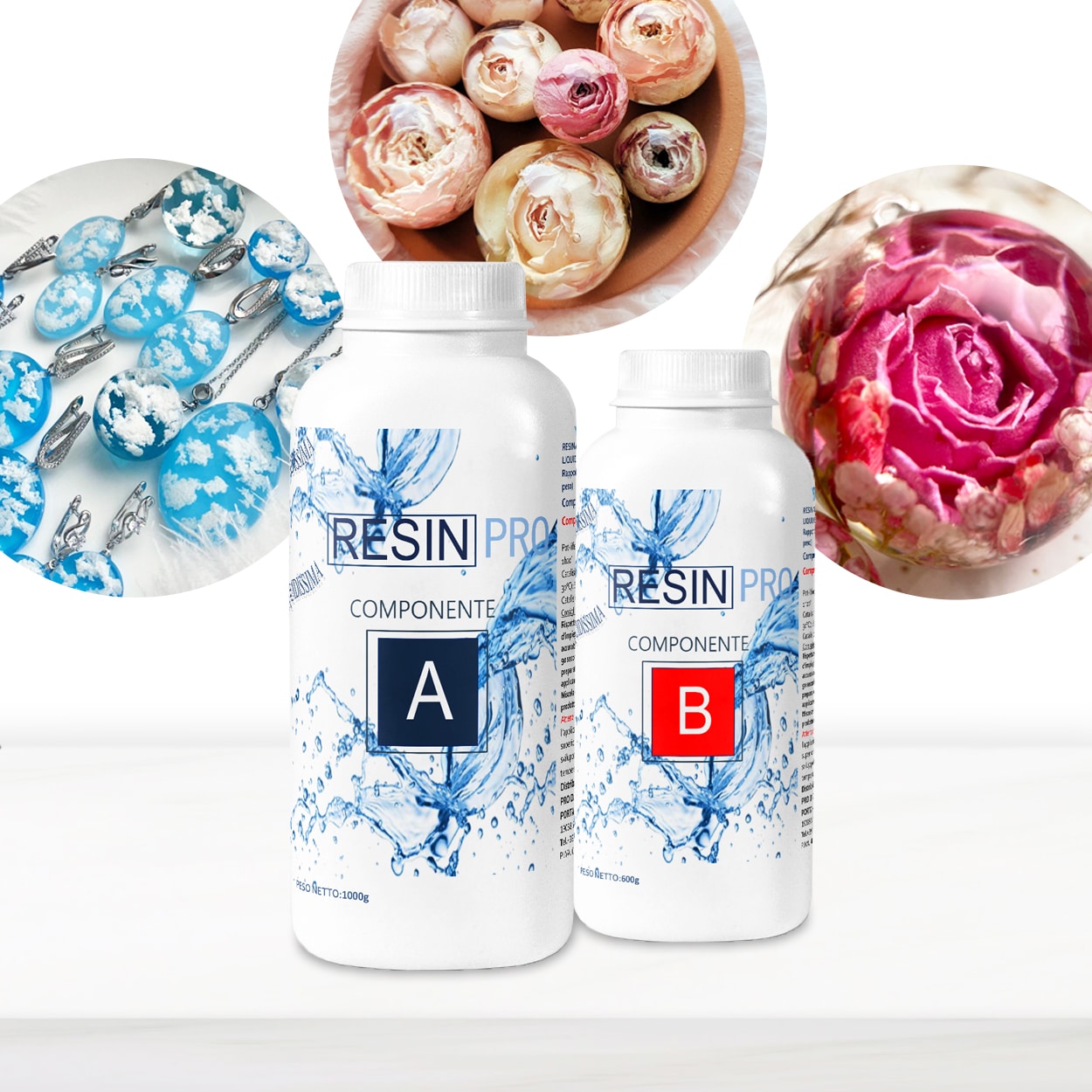
- "Evershine Collection" – Artisan Jewellery Epoxy Resin Kit with 100+ Accessories£21.95Kit designed to provide a complete jewellery workshop with 500g clear resin and 100+ accessories, suitable for jewellery makers and craft enthusiasts.
- "Liquidissima" – Epoxy Resin For Creations & JewelleryPrice range: £12.85 through £31.85"Liquidissima" resin is suitable for artists and creators making jewellery, offering clarity and a self-levelling finish.
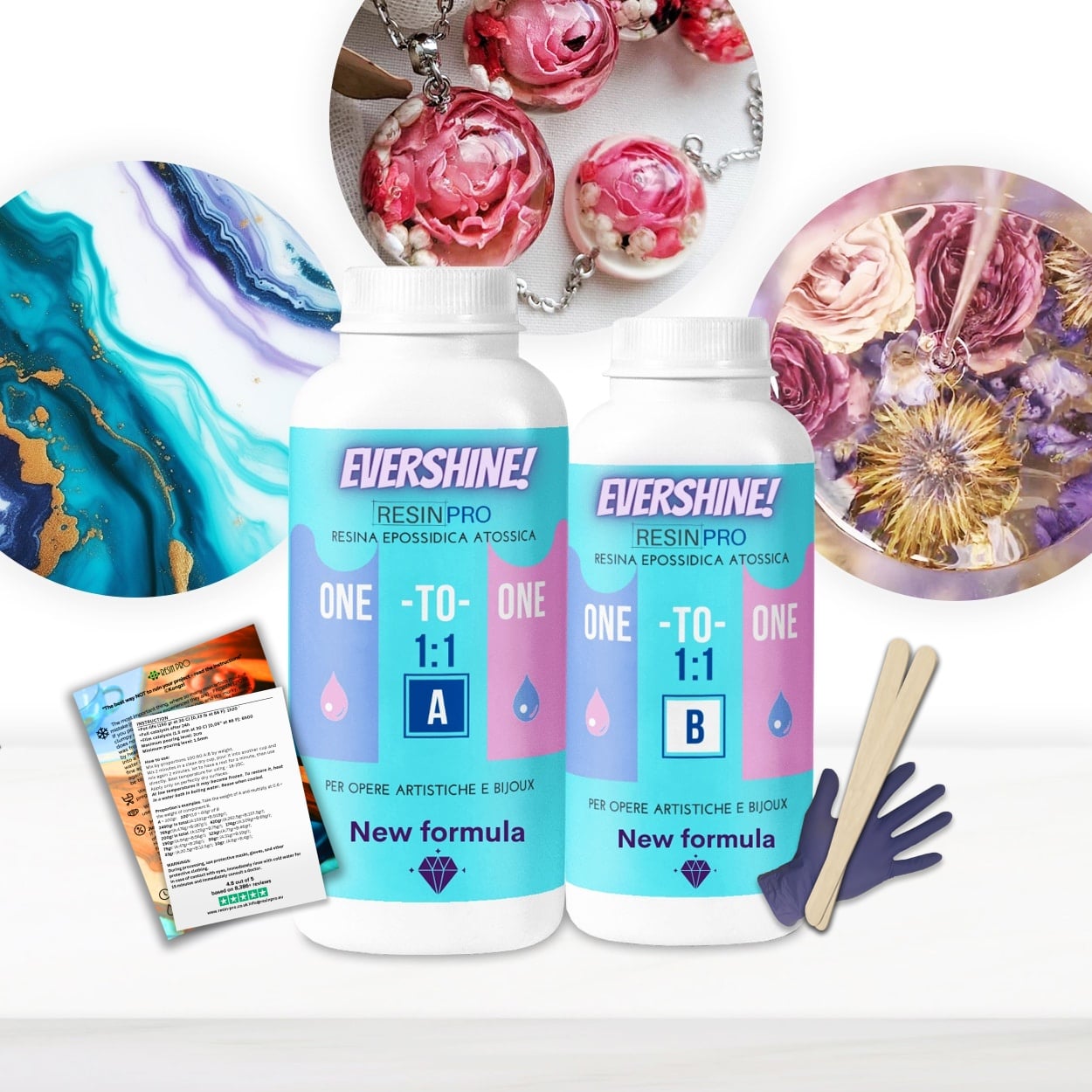 "One-2-One" – Epoxy Resin for Handcraft, 1:1 Mixing RatioPrice range: £15.95 through £59.95"One-2-One" epoxy resin offers a clear, durable finish and easy 1:1 mixing, suitable for jewellery and decorative projects.
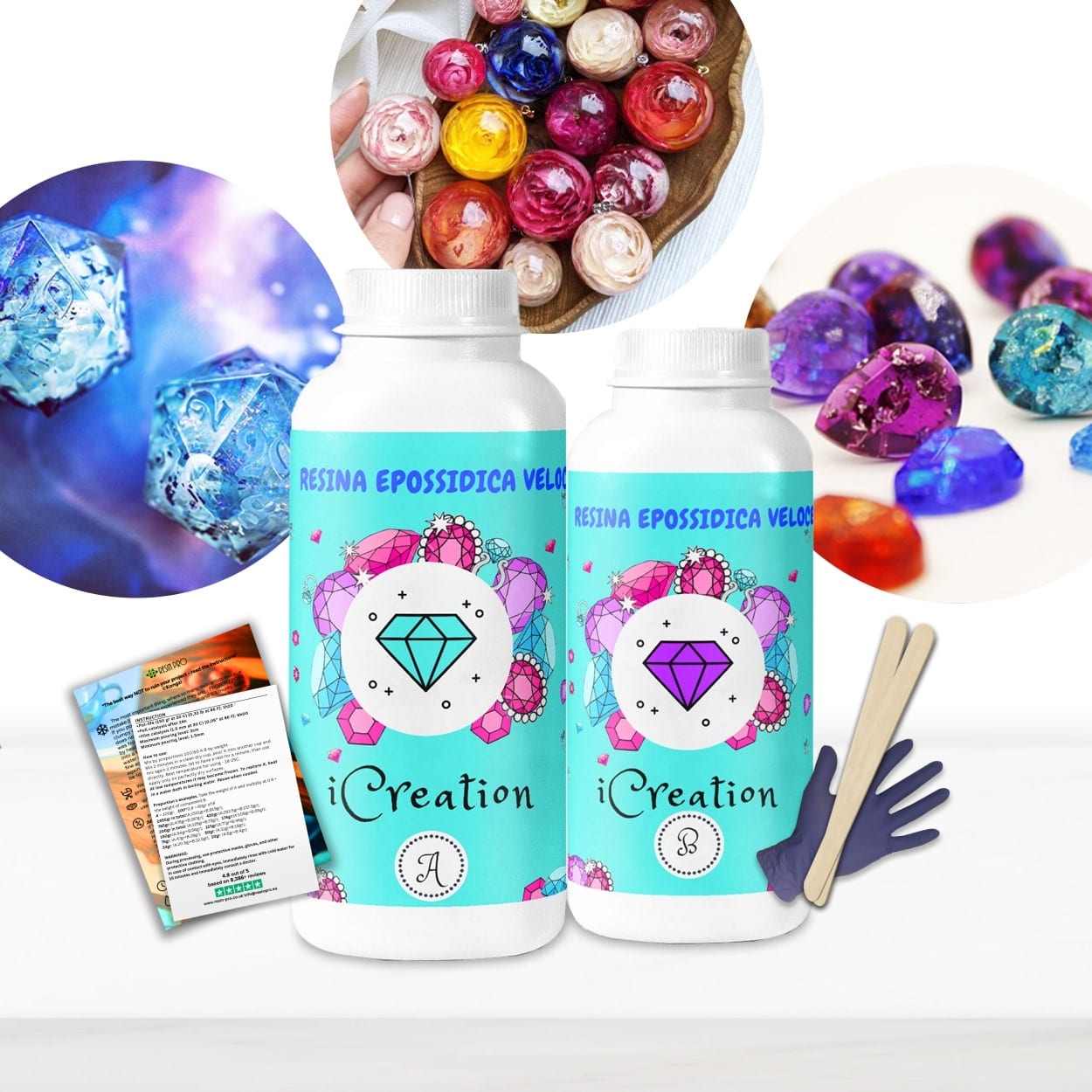 "ICreation" – Fast Epoxy Resin, 6h Demoulding, Transparent Gloss FinishPrice range: £15.95 through £55.95ICREATION fast epoxy resin offers a transparent, glossy finish with a 6-hour demoulding time suitable for jewellery making and crafting.
Frequently Asked Questions
Can beginners use epoxy resin for making jewellery?
Yes, many epoxy resin systems are designed to be user-friendly and ideal for first-time jewellery crafters.
What is the difference between 1:1 and 2:1 resin mixing ratios?
A 1:1 ratio means equal parts resin and hardener, while 2:1 requires twice as much resin. Following manufacturer instructions is vital for curing.
How do I avoid bubbles in resin jewellery?
Mix resin slowly to minimise bubbles and use a heat gun or torch lightly on the surface after pouring to pop any that appear.
Should I use a mould release agent when using silicone moulds?
It’s optional for quality silicone moulds but can extend mould life and make demoulding easier, especially for detailed designs.
How long does it take epoxy resin jewellery to cure before demoulding?
Cure times depend on the resin, ranging from 6 to 24 hours. Check the product instructions for accurate timing.
Can I add colour, flowers or items inside my resin jewellery?
Yes, dedicated pigments and dried botanicals can be added. Ensure they’re dry and use sparingly to avoid curing issues.
How do I drill or finish epoxy jewellery pieces safely?
Use a mini drill at low speed, wear a protective mask, and sand gently by hand to smooth edges for a polished result.