 Free shipping on orders over £29,85
  Shipping Tracking!


 Google
 Facebook
How do you use liquid resin?
Detailed steps to mix, pour, and finish liquid resin safely
Working with liquid resin unlocks a world of creative possibilities, from sparkling jewellery to protective table coatings. Whether you are an artist, a crafter, or a DIY enthusiast, understanding the basics of handling liquid resin ensures you achieve professional, flawless results every time. This guide covers each stage of the process, highlighting safety, preparation, and practical techniques for turning resin into lasting works of art.
What You’ll Need
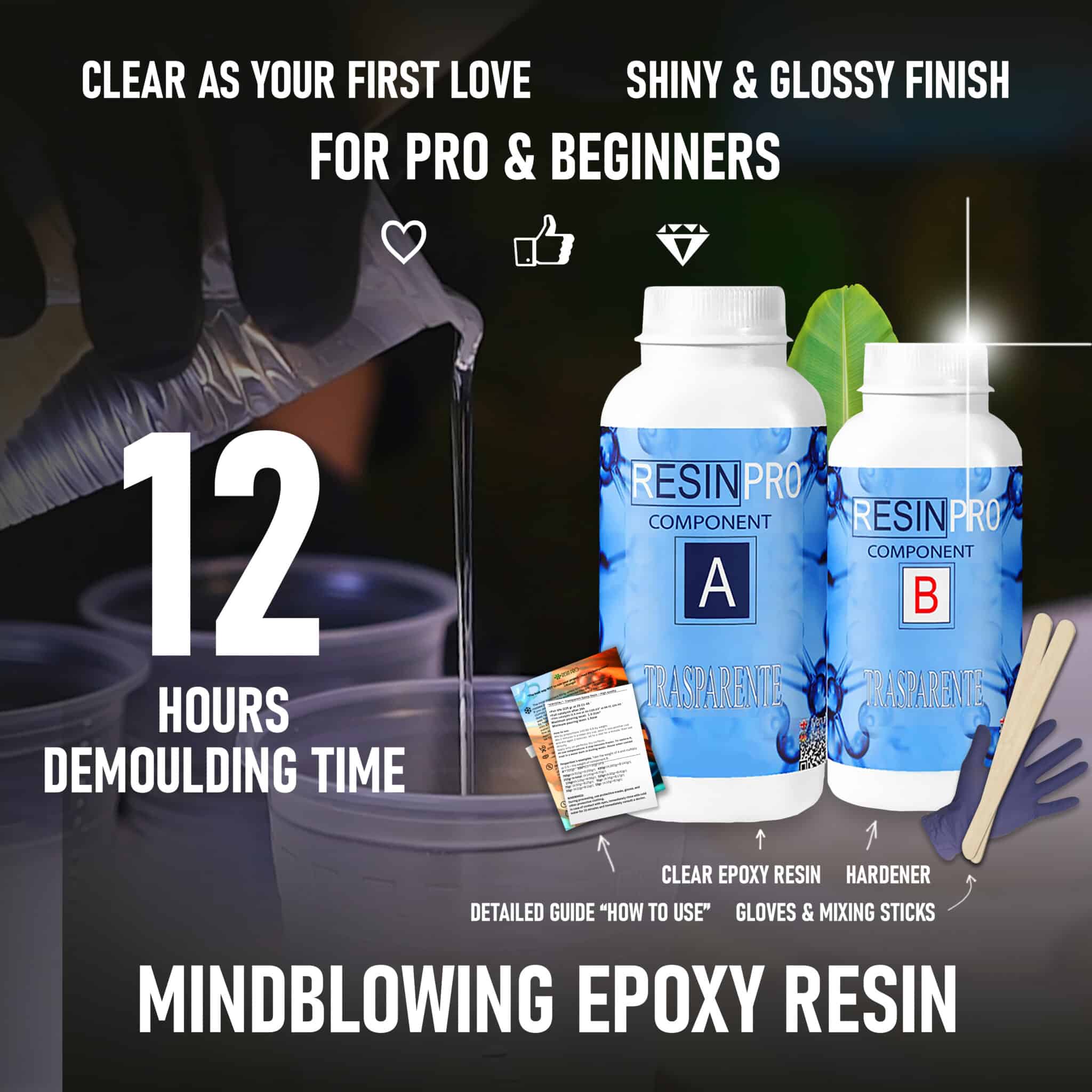
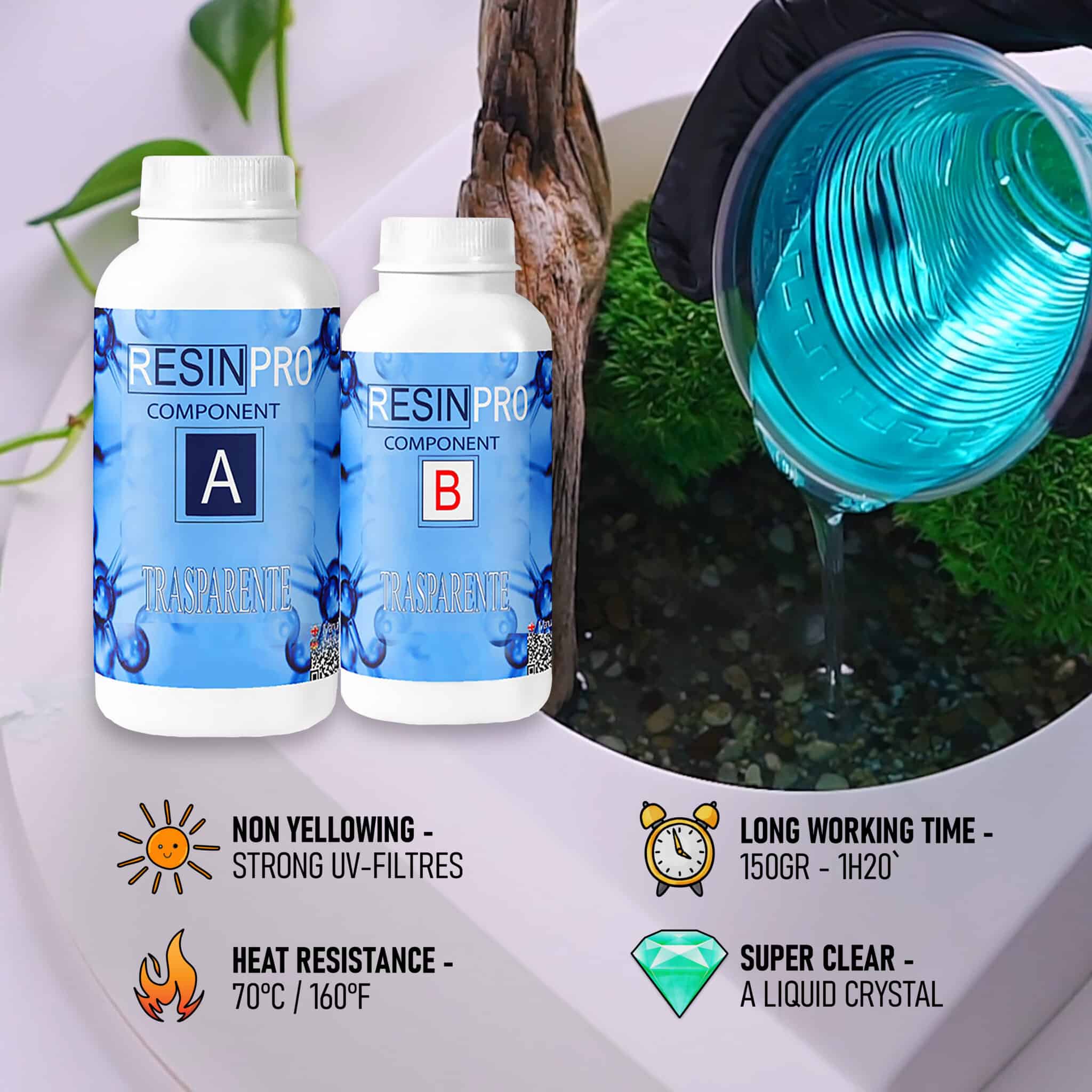
- “Trasparente” – Multipurpose Clear Epoxy Resin for Casting – Up to 2cm – For detailed castings and general applications
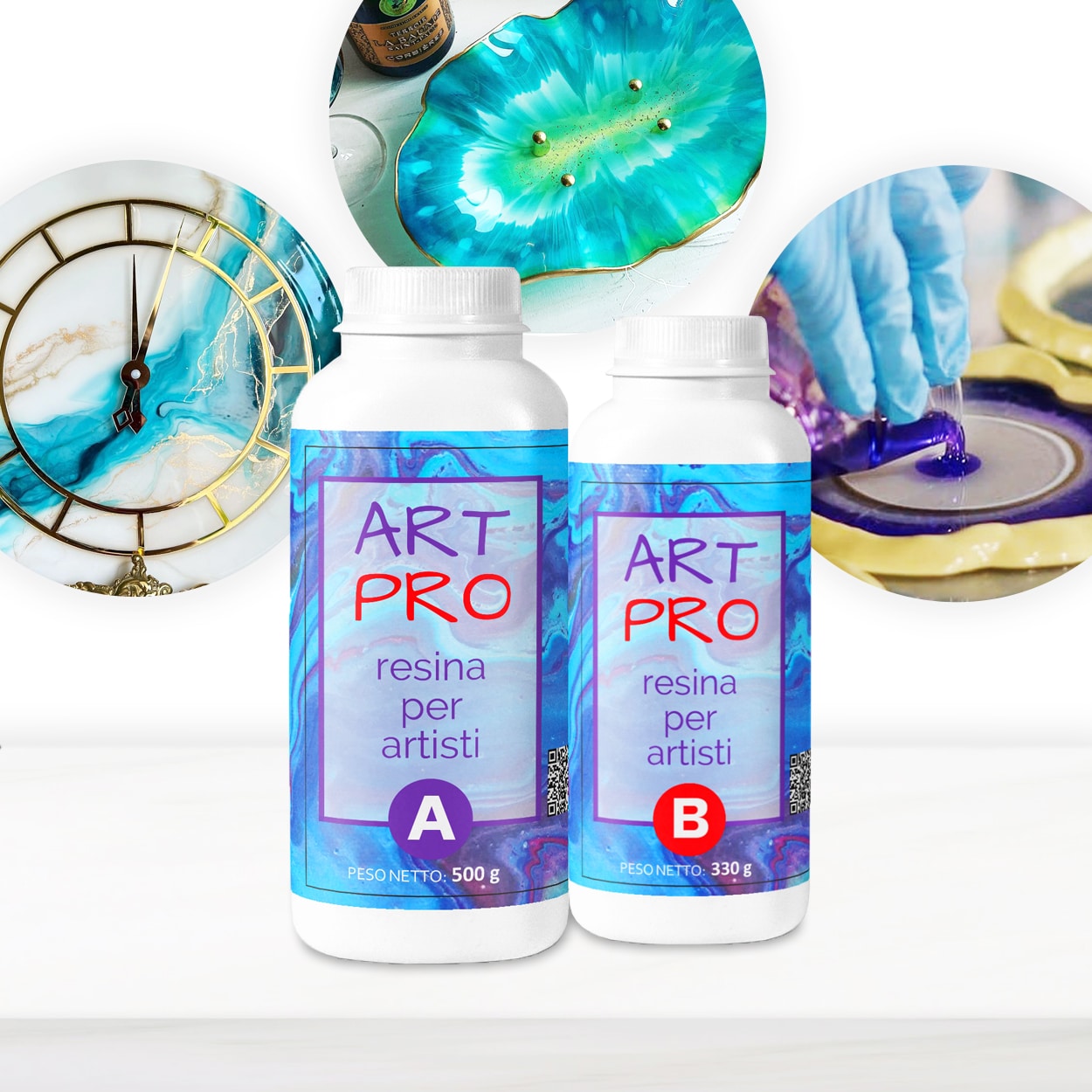
- “Art Pro” – Clear Epoxy Resin for Artists and Surface Coating – For high-gloss coatings and artistic finishes
- “One-2-One” – Epoxy Resin for Handcraft, 1:1 Mixing Ratio – For easy-mix jewellery and craft applications
- “Liquidissima” – Epoxy Resin For Creations & Jewellery – For intricate moulds and long working time
- Mixing cups and measuring scales
- Wooden or plastic stirrers
- Protective gloves and apron
- Suitable moulds or prepared surfaces
- Heat gun or torch (optional, for bubble removal)
Essential Resin Preparation Tools
Gathering the right tools is the foundation of a successful resin project. Use digital scales, quality mixing cups, and gloves for precision and safety. Select detailed-flow resins for jewellery or high-clarity resins for art to match your technique.
Step 1: Prepare Your Workspace and Materials
Clean and prepare your workspace thoroughly before starting. Ensure the area is dust-free, well-ventilated, and covered with protective sheets. Gather all required tools and safety equipment. Resin can damage surfaces and clothing, so wear gloves and protective clothing, and keep pets and food away from the area. If you are working on intricate jewellery, ensure your moulds are also free of dust and well-secured on a level surface.
Check the temperature and humidity—epoxy resins perform best between 20°C and 25°C. Too cold or too humid can affect curing and clarity. Always read product instructions for best material practices.


Step 2: Measure and Mix the Resin Accurately
Accurate measuring and mixing is crucial for a flawless finish. Follow the instructions for the specific resin you are using, as each has its own mixing ratio. For example, “Art Pro” – Clear Epoxy Resin for Artists and Surface Coating requires a 3:2 ratio by weight, while “One-2-One” – Epoxy Resin for Handcraft, 1:1 Mixing Ratio uses a 1:1 ratio by volume. Use a digital scale or proper measuring cups for accuracy. Combine the two components in a clean container and mix slowly for at least three minutes, scraping the sides and bottom. Avoid vigorous stirring to minimise bubble formation.
If using “Liquidissima” – Epoxy Resin For Creations & Jewellery, you will benefit from a longer working time—ideal for intricate projects. Take care not to mix more resin than you can use within the pot life stated on the label, as overheating or premature setting can occur.
Step 3: Pour the Resin into the Mould or Apply to the Surface
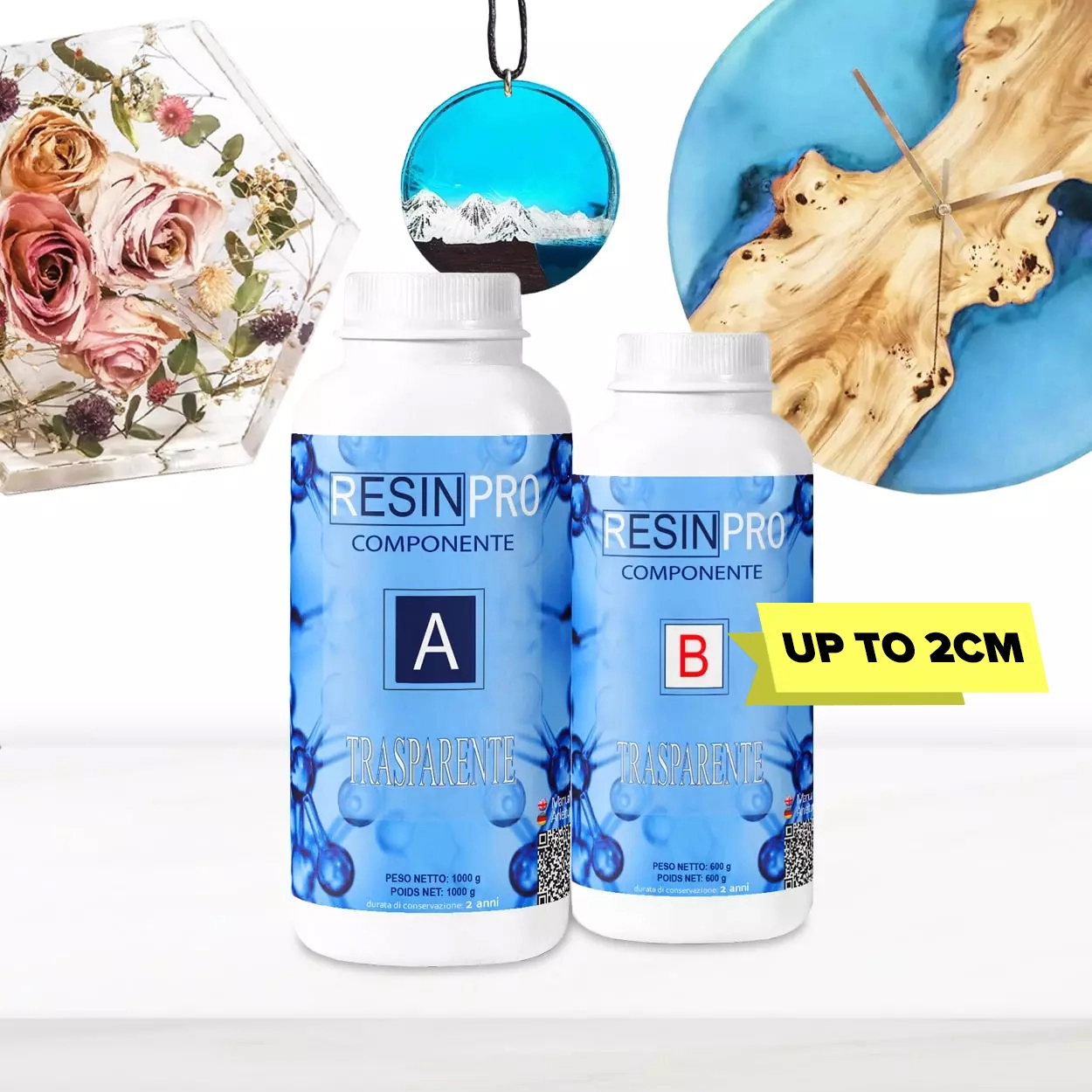
Pour slowly into your mould or onto the surface in a thin, even stream. For deep or thick pours, such as river tables or large castings, add the resin in layers if the depth exceeds the product’s recommended maximum (for example, “Trasparente” – Multipurpose Clear Epoxy Resin is suitable for up to 2cm depth at a time).
To make resin jewellery with delicate details, use a low-viscosity resin like “Liquidissima” which naturally flows into fine spaces and minimises bubbles. For surface coatings or resin art, spread the resin gently with a spatula to achieve an even finish.


Step 4: Remove Bubbles and Allow Resin to Cure
Remove bubbles and monitor curing closely. After pouring, inspect for air bubbles—these can be removed by gently blowing over the surface with a heat gun or torch, taking care not to overheat or scorch the resin. Some resins, such as “Art Pro”, feature dense, non-drip formulas that help reduce air entrapment, but attention is still needed for a glass-like finish.
Cover the poured resin to protect from dust. Cure times vary; most epoxies take between 12 and 48 hours to fully harden. Do not move or disturb your project during this time to avoid finish defects.
Step 5: Demoulding, Polishing, and Finishing Touches
Once fully cured, gently remove the piece from its mould or uncover your coated surface. Sand any sharp edges and, if needed, polish with a soft cloth to enhance the shine. For tabletops or surfaces, allow a few extra days before heavy use. With “Trasparente” and “Art Pro”, you can trust the UV filter to guard against yellowing, ensuring your artwork retains its brilliance.
Dispose of any resin waste responsibly—never pour chemicals down the drain. Store leftover resin as directed, tightly capped and away from sunlight.


Tips, Common Mistakes, and Troubleshooting
- Measure components precisely to avoid soft or sticky results.
- Avoid mixing too vigorously, as this introduces excess bubbles.
- Work in suitable temperature ranges; low temperatures slow curing, while high heat can cause rapid setting and imperfections.
- For intricate moulds, select low-viscosity resins and pour slowly for best detail.
- If you notice cloudiness or tackiness after curing, reevaluate your mixing accuracy and environmental conditions before your next attempt.
Creative Finishes and Repairing Mistakes
A beautifully-finished resin piece is all in the detail. Minor imperfections can be sanded and buffed out, while sticky spots may be recoated for a flawless look. For best clarity, always follow the resin’s specific directions and work in a clean, dust-free environment.

- "Trasparente" – Multipurpose Clear Epoxy Resin for Casting – Up to 2cmPrice range: £8.95 through £397.95"Trasparente" is a clear epoxy resin suitable for layers up to 2 cm, commonly used in detailed castings, woodworking, and art within its theme.
- "Art Pro" – Clear Epoxy Resin for Artists and Surface CoatingPrice range: £19.95 through £267.95"Art Pro" offers clear epoxy resin with exceptional clarity and durability, designed for precise artistic surface coatings and crafts.
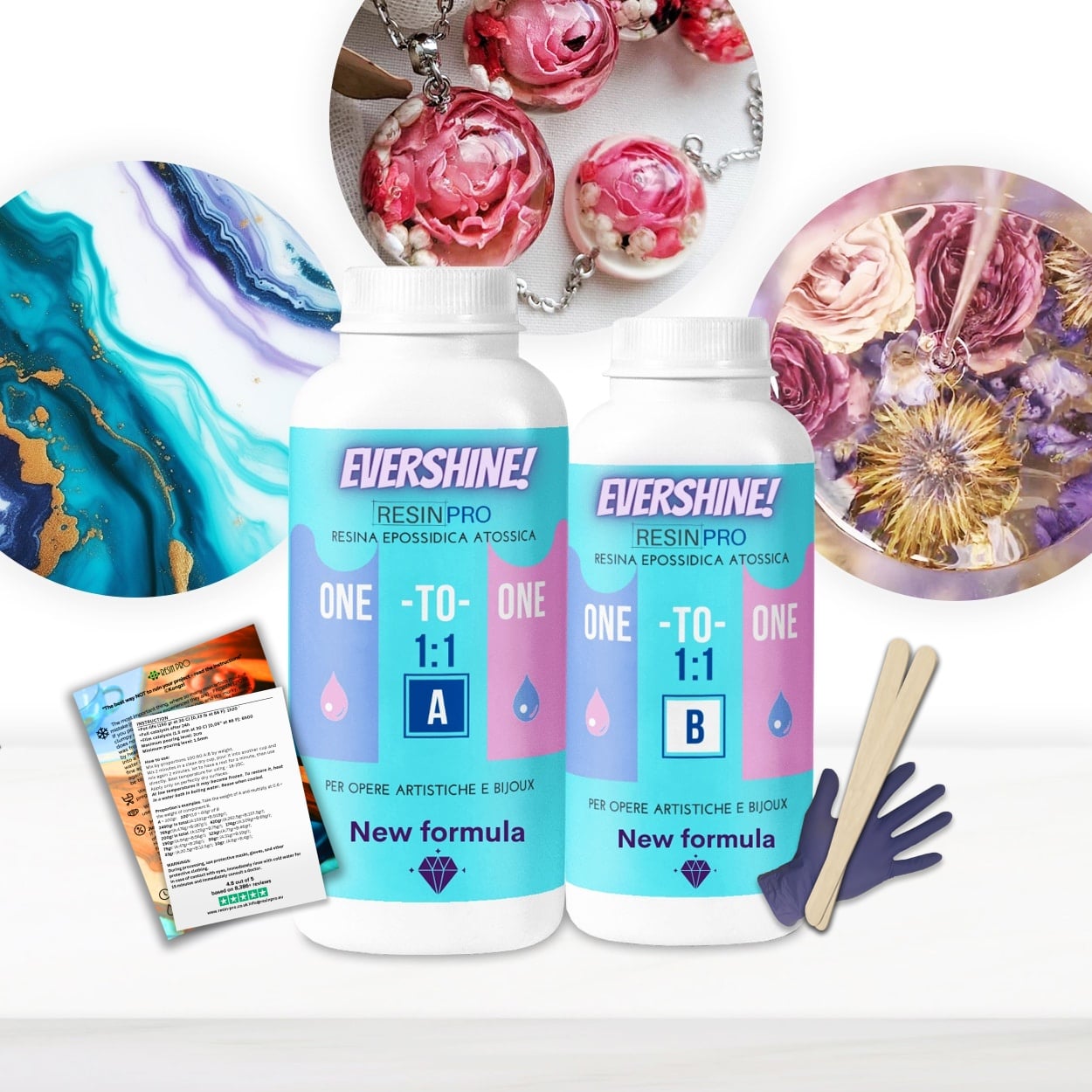 "One-2-One" – Epoxy Resin for Handcraft, 1:1 Mixing RatioPrice range: £15.95 through £59.95"One-2-One" epoxy resin is a medium viscosity product with an easy 1:1 mixing ratio designed for jewellery and decorative crafts.
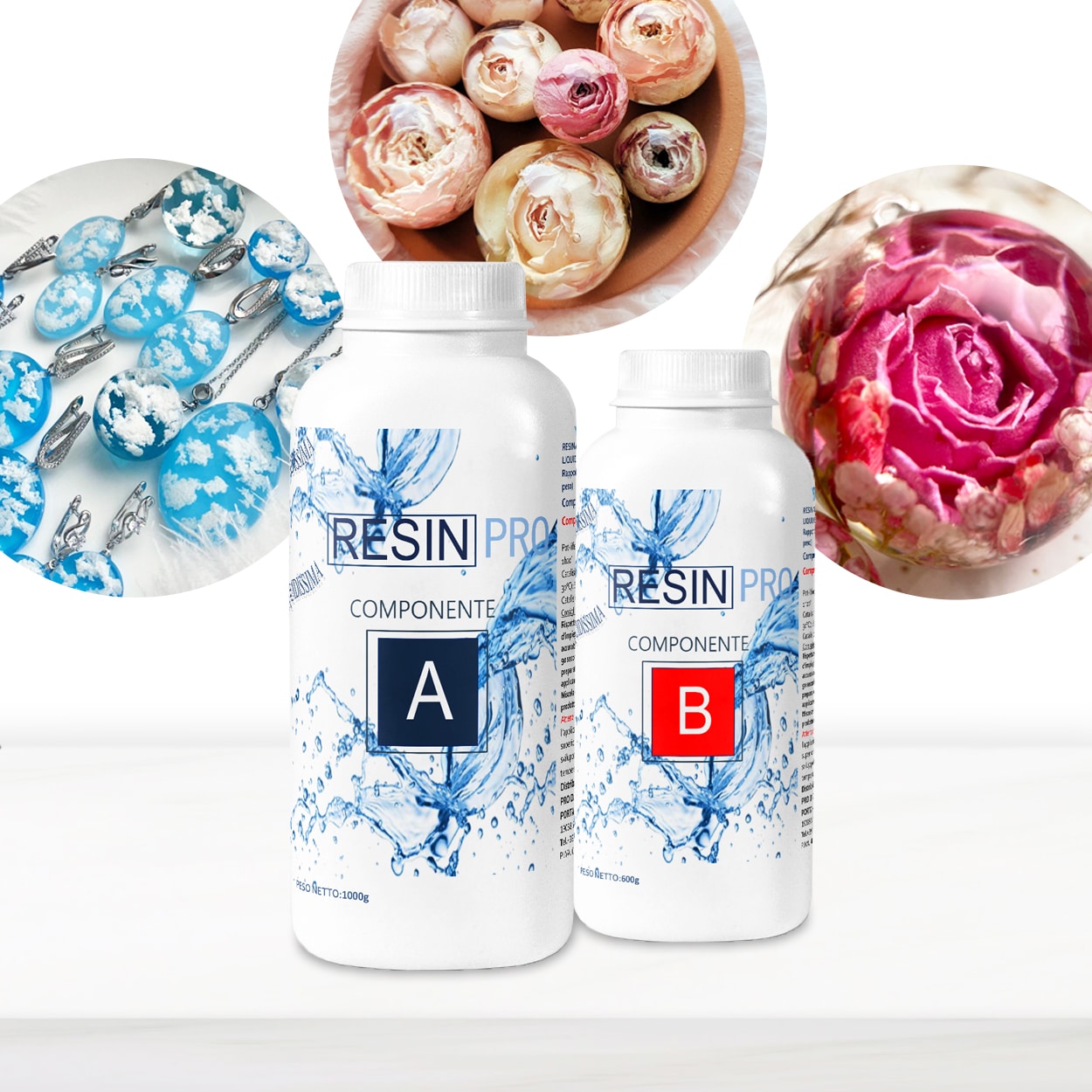 "Liquidissima" – Epoxy Resin For Creations & JewelleryPrice range: £12.85 through £31.85"Liquidissima" epoxy resin provides clear, low viscosity flow for detailed moulds and jewellery, suitable for creators needing longer working time.
Frequently Asked Questions
What is the best resin mixing ratio for DIY, art, or jewellery?
Follow product instructions exactly. Some resins use a 1:1 ratio by volume, others a 3:2 ratio by weight—using the correct method is vital.
How do I fix cloudy or sticky finished resin?
This usually means incorrect mixing or low temperature. Try another pour, ensuring accurate ratios and suitable room conditions.
How can I remove bubbles from liquid resin projects?
Use a heat gun or torch briefly after pouring, and mix gently to reduce bubble formation.
What is the safest way to dispose of unused resin?
Allow small leftovers to cure fully before discarding. Do not pour liquid resin into drains or water systems.
What is the best temperature and environment for using epoxy resin?
A clean, dust-free area between 20°C and 25°C offers ideal conditions for mixing and curing.
What is the difference between epoxy resins for art, jewellery, and castings?
Each resin is formulated for specific uses, like thin coatings for art or low-viscosity, detail-rich pours for jewellery and casts.