 Free shipping on orders over £29,85
  Shipping Tracking!


 Google
 Facebook
How do you use resin on wood?
Step-by-step guidance for flawless wood and resin projects
Applying resin to wood can transform everyday timber into stunning works of art or robust, waterproof surfaces. Whether you are restoring a cherished piece, making modern resin tables, or seeking an ultra-clear protective finish, the right method ensures a durable and visually impressive result. This guide walks you through every stage of working with resin on wood, from preparation to finishing touches.

What You’ll Need
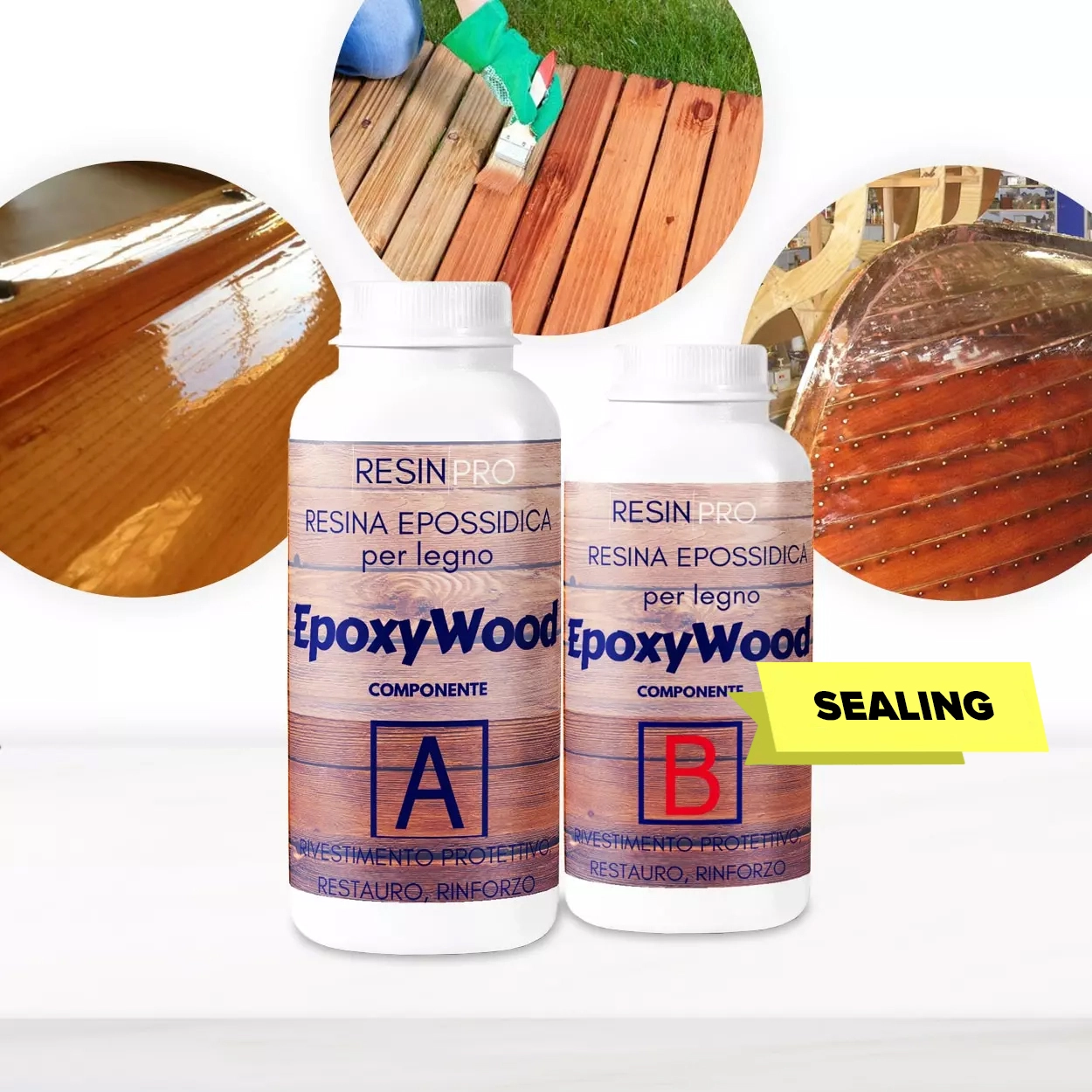
- “EpoxyWood” – Wood Restoration Epoxy Resin for Deep Penetration and Waterproofing – ideal for soaking deep into wood and providing a waterproof barrier for repairs or restoration
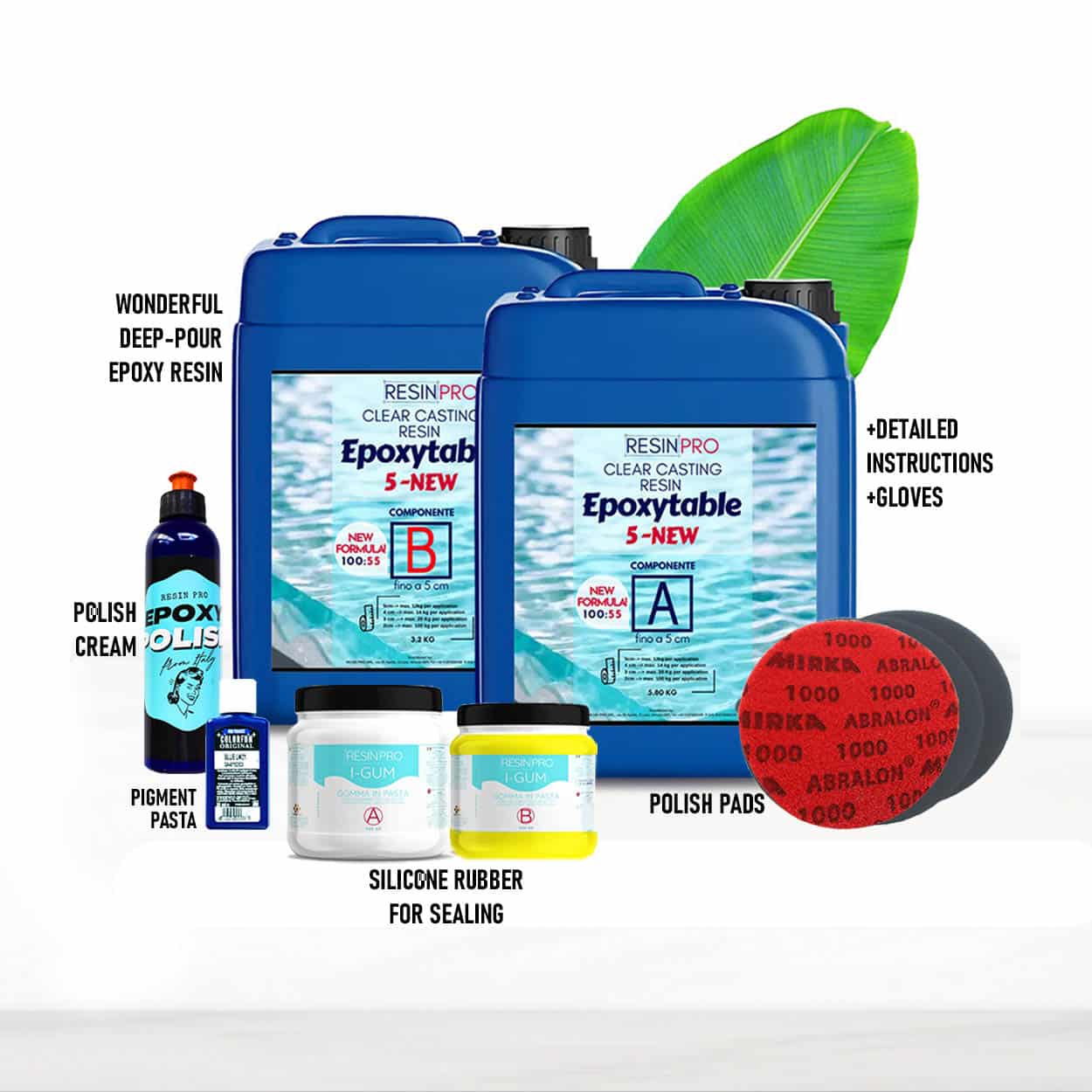
- “River-Table” – Complete Kit for Creating Your First Epoxy Resin Table – contains everything for resin woodworking, including pigment and tools
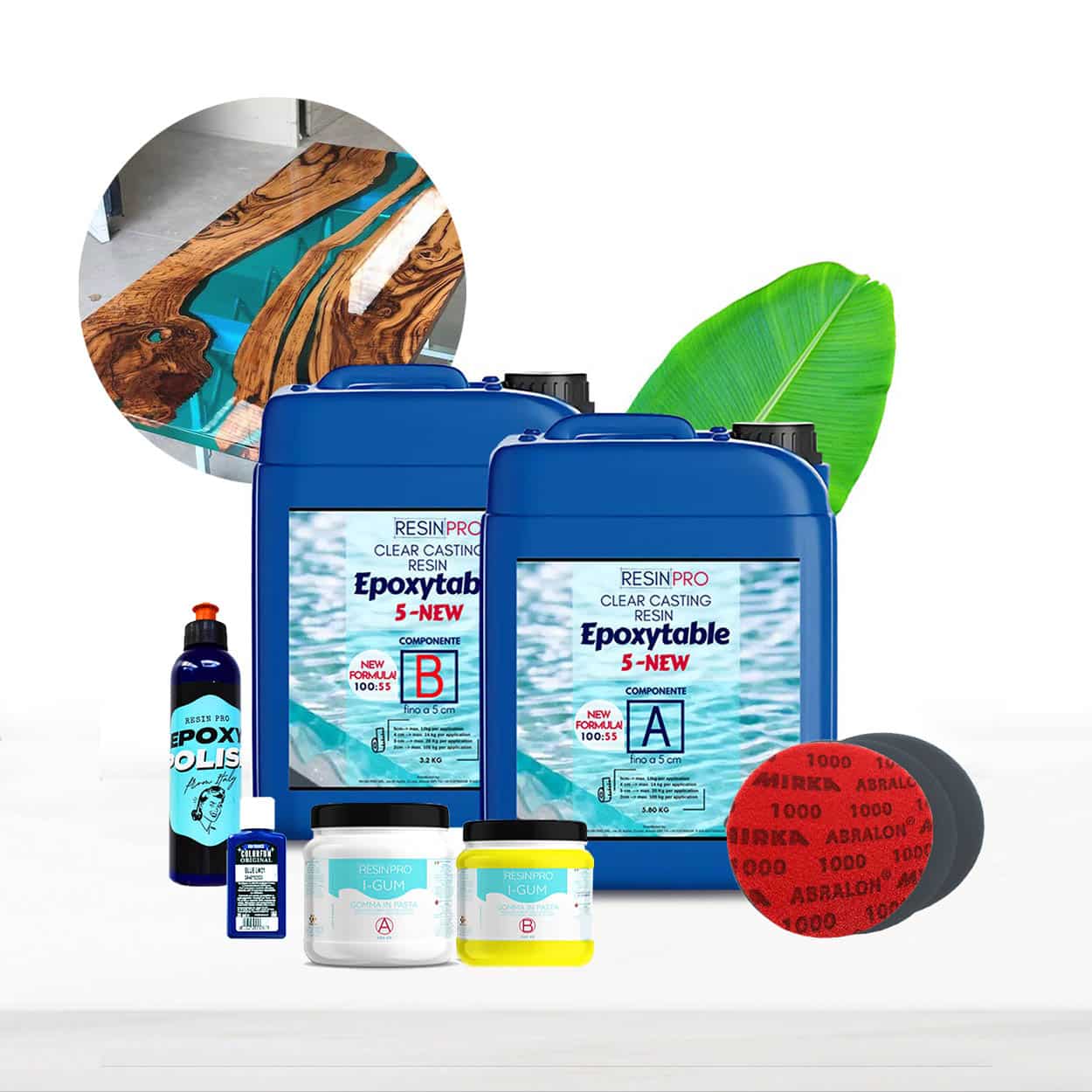
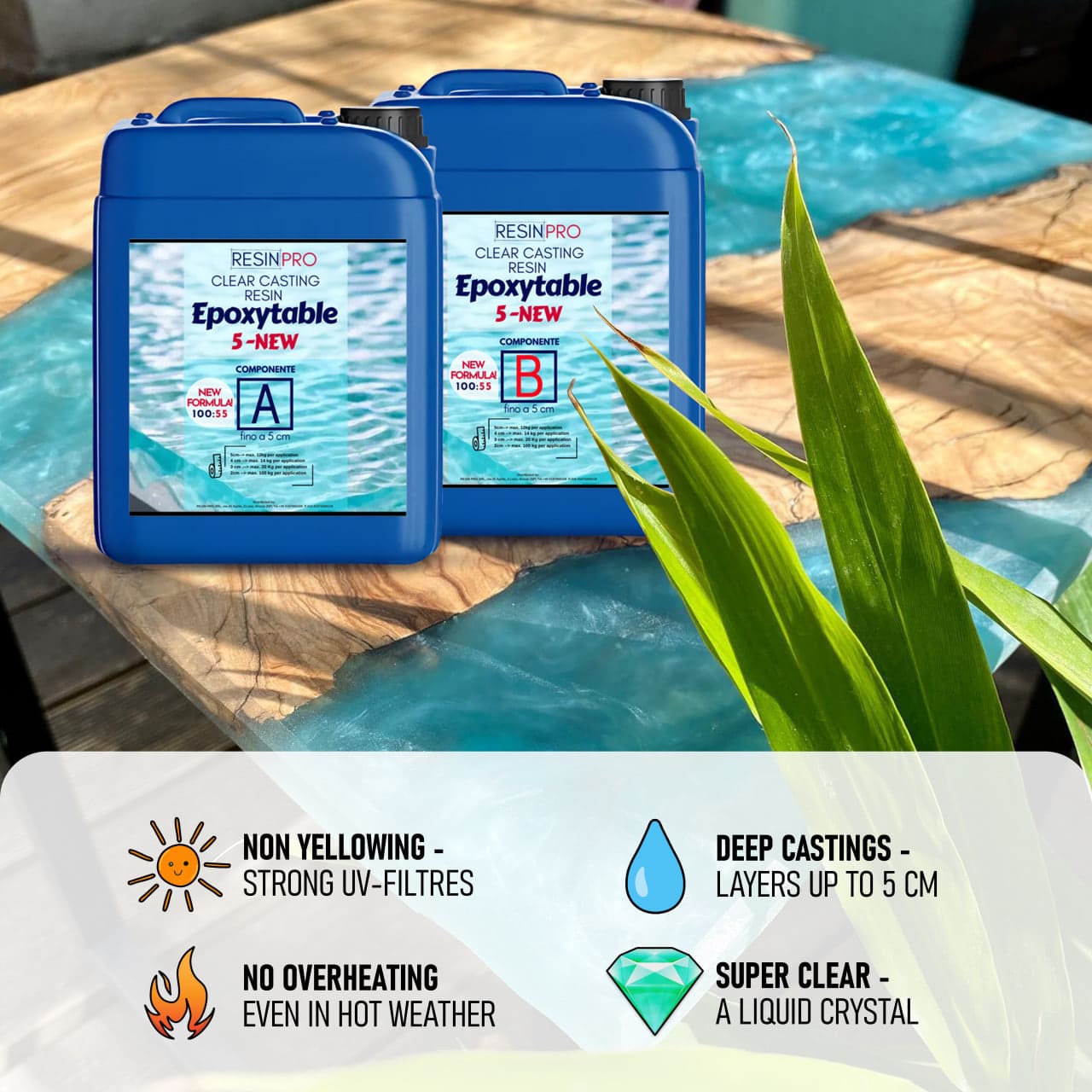
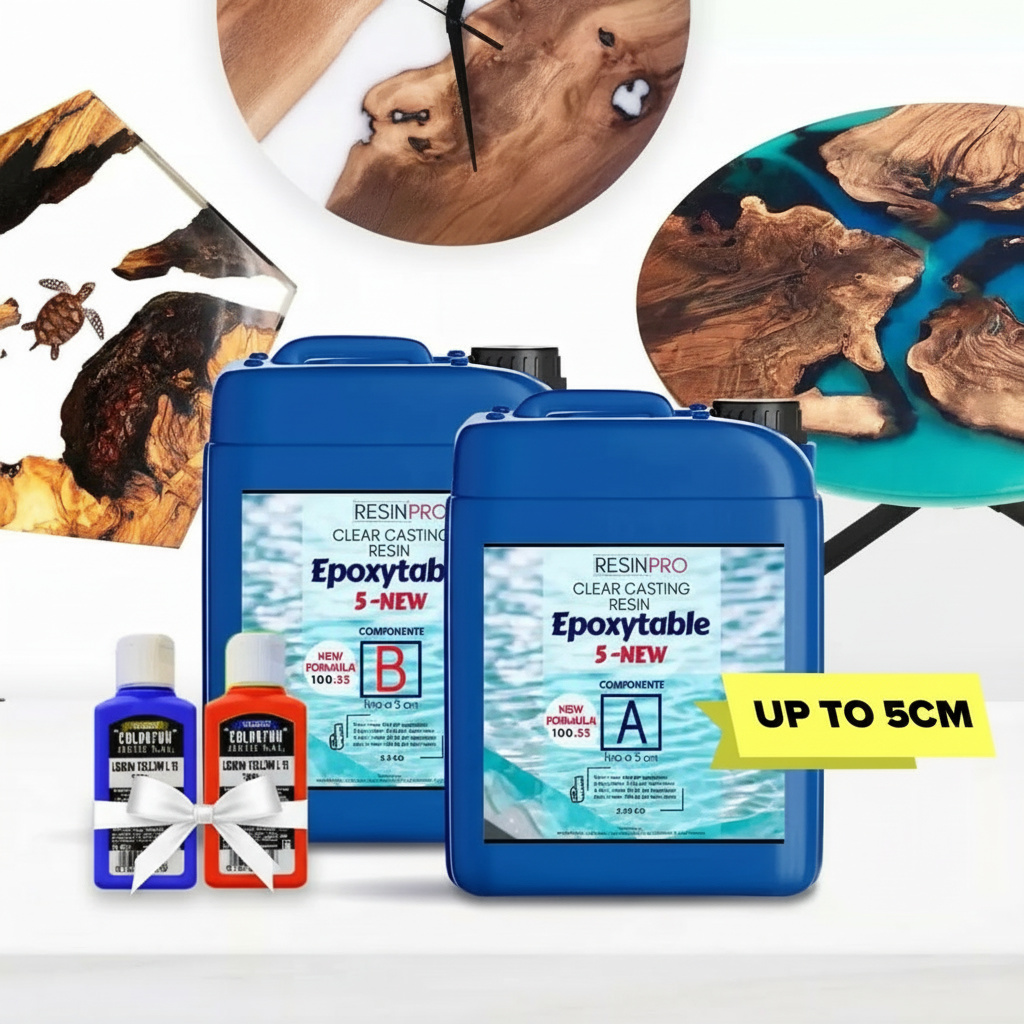
- “EpoxyTable 5-Five” – Deep Pour Epoxy Resin for Tables and Large Projects – Up to 5cm – suitable for pouring thick resin layers into or onto wood
- “Trasparente” – Multipurpose Clear Epoxy Resin for Casting – Up to 2cm – excellent for clear coatings, casting, or detailed woodwork with resin
- Protective gloves and apron
- Mixing containers and stirrers
- Masking tape and silicone sealant (for table projects)
- Sandpaper (various grits)
- Dust mask and eye protection (recommended for sanding)
Essential Tools for Resin Success
Gathering the right tools and materials ensures a smooth workflow and better results. Lay out all safety gear, measuring instruments and mixing utensils before you begin. With proper organisation, you can focus fully on the creative process and enjoy achieving professional finishes on wood with resin.
Step 1: Prepare and Clean the Wood Surface
Proper preparation is crucial for a flawless resin finish. Begin by thoroughly sanding the wood, starting with a coarser grit and progressing to a finer grit to achieve a smooth, even surface. Pay special attention to rounding over edges and ensuring no loose debris remains. After sanding, remove all dust using a vacuum or a tack cloth. For furniture restoration or waterproofing, ensure the wood is completely dry, as any moisture can affect adhesion and curing.
Always sand and clean wood thoroughly before resin application. This step helps the resin penetrate evenly and creates a strong bond for lasting results.

Step 2: Seal the Surface to Prevent Bubbles
Wood is naturally porous and air can become trapped within its fibres, leading to unwanted bubbles in your cured resin. To avoid this, apply a thin sealing coat of resin using a brush or spreader. For deep repairs or protection, “EpoxyWood” – Wood Restoration Epoxy Resin for Deep Penetration and Waterproofing is specially formulated for this purpose, soaking deep into the wood and acting as an effective sealant. Allow the sealing coat to cure as recommended before proceeding to the next step.
Seal porous surfaces first to avoid bubbles. This is especially important for live-edge wood or reclaimed timber.
Step 3: Pour, Spread or Cast Your Resin
Choose your resin according to your project’s requirements. For making river tables or deep casts, opt for “EpoxyTable 5-Five” – Deep Pour Epoxy Resin for Tables and Large Projects – Up to 5cm, specifically formulated for thicker pours without overheating or bubbles. For clear coatings or small castings, “Trasparente” – Multipurpose Clear Epoxy Resin for Casting – Up to 2cm ensures ultra-clear, glossy results. When creating projects combining wood and resin—such as tables or art—kits like “River-Table” – Complete Kit for Creating Your First Epoxy Resin Table supply everything from pigments to detailed instructions.
Always mix your resin slowly and thoroughly, following the manufacturer’s ratio for resin and hardener. Pour the resin gradually, allowing any trapped air to escape, and use a heat gun or torch briefly to remove surface bubbles before curing.

Step 4: Allow to Cure and Finish
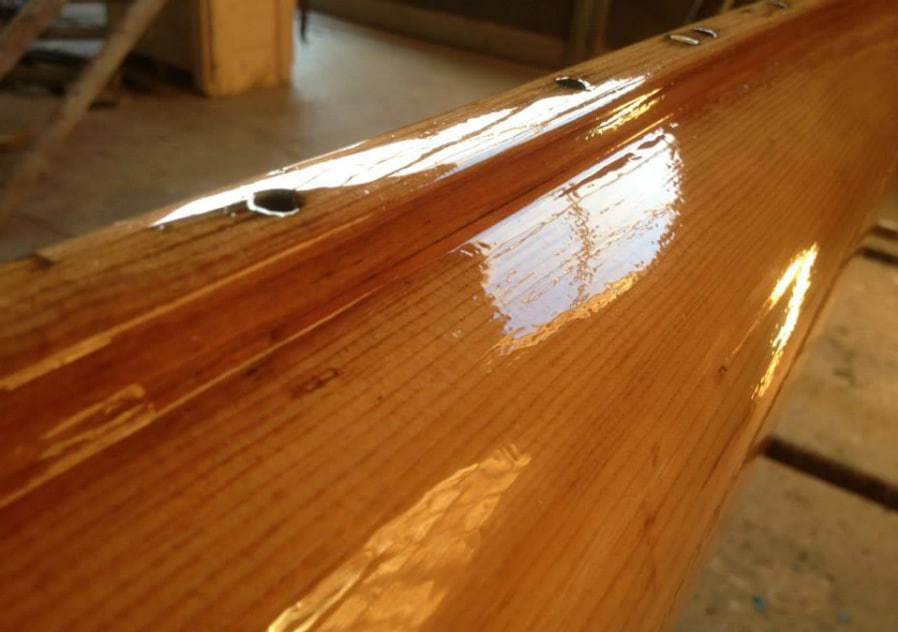
Let the resin cure fully in a dust-free, stable environment. Curing times vary depending on the product and thickness—always refer to your product’s guidance. Once cured, sand any rough patches or drips using progressively finer sandpaper. For a mirror-like surface or to blend resin with the surrounding wood, you can polish the finish or apply a final clear coat.
Allow each resin layer to fully cure before sanding or recoating. Rushing can result in a cloudy or uneven finish.
Tips, Common Mistakes and Troubleshooting
Work patiently—most problems arise from rushing the process or improper surface preparation. Keep your workspace clean, measure your resin ratios precisely, and never try to accelerate curing with heat beyond what’s recommended. Wear protective equipment throughout, especially when sanding cured resin.
Wear gloves and work in a well-ventilated area for safety and optimum results.

Visual Inspiration and Troubleshooting
Visual guides and case studies make all the difference for resin newcomers and seasoned woodworkers alike. Explore image galleries, user projects and before-after comparisons for solutions if you encounter issues, and to inspire your next wood and resin creation.
- "EpoxyWood" – Wood Restoration Epoxy Resin for Deep Penetration and WaterproofingPrice range: £27.95 through £41.95EpoxyWood is designed for repairing and protecting wooden surfaces with deep penetration and waterproofing.
- "River-Table" – Complete Kit for Creating Your First Epoxy Resin TablePrice range: £198.45 through £467.45"River-Table" kit supplies materials and instructions suited to creating resin and wood tables within the theme of using resin on wood.
- "EpoxyTable 5-Five" – Deep Pour Epoxy Resin for Tables and Large Projects – Up to 5cmPrice range: £17.95 through £1,154.95"EpoxyTable 5-Five" resin is designed for deep pours on tables and large wooden projects with a focus on durability and clarity.
 "Trasparente" – Multipurpose Clear Epoxy Resin for Casting – Up to 2cmPrice range: £8.95 through £397.95Suitable for detailed castings and woodworking, this ultra-clear resin provides a smooth, glossy finish up to 2 cm thick.
Frequently Asked Questions
How long does resin take to cure on wood?
Curing times vary by product, project thickness and temperature, but typically range from 24 to 72 hours.
How can I prevent bubbles when applying resin to wood?
Seal the wood surface with a thin resin coat before pouring, and use a heat gun briefly to remove bubbles.
Which resin is best for repairing or restoring wood furniture?
"EpoxyWood" is designed for deep penetration and waterproofing, making it ideal for furniture repairs.
Can I use resin on outdoor wooden surfaces?
Yes, but ensure the wood is dry and fully sealed for increased weather resistance and protection.
What should I do if my resin remains sticky after curing?
Sticky surfaces usually indicate an incorrect mixing ratio or temperature—remove soft resin and recoat after correcting your process.
How thick can I safely pour resin onto wood?
Use "EpoxyTable 5-Five" for pours up to 5cm. Pour thicker in multiple stages to avoid overheating.