 Free shipping on orders over £29,85
  Shipping Tracking!


 Google
 Facebook
← Back to How to apply resin to a wooden hull?
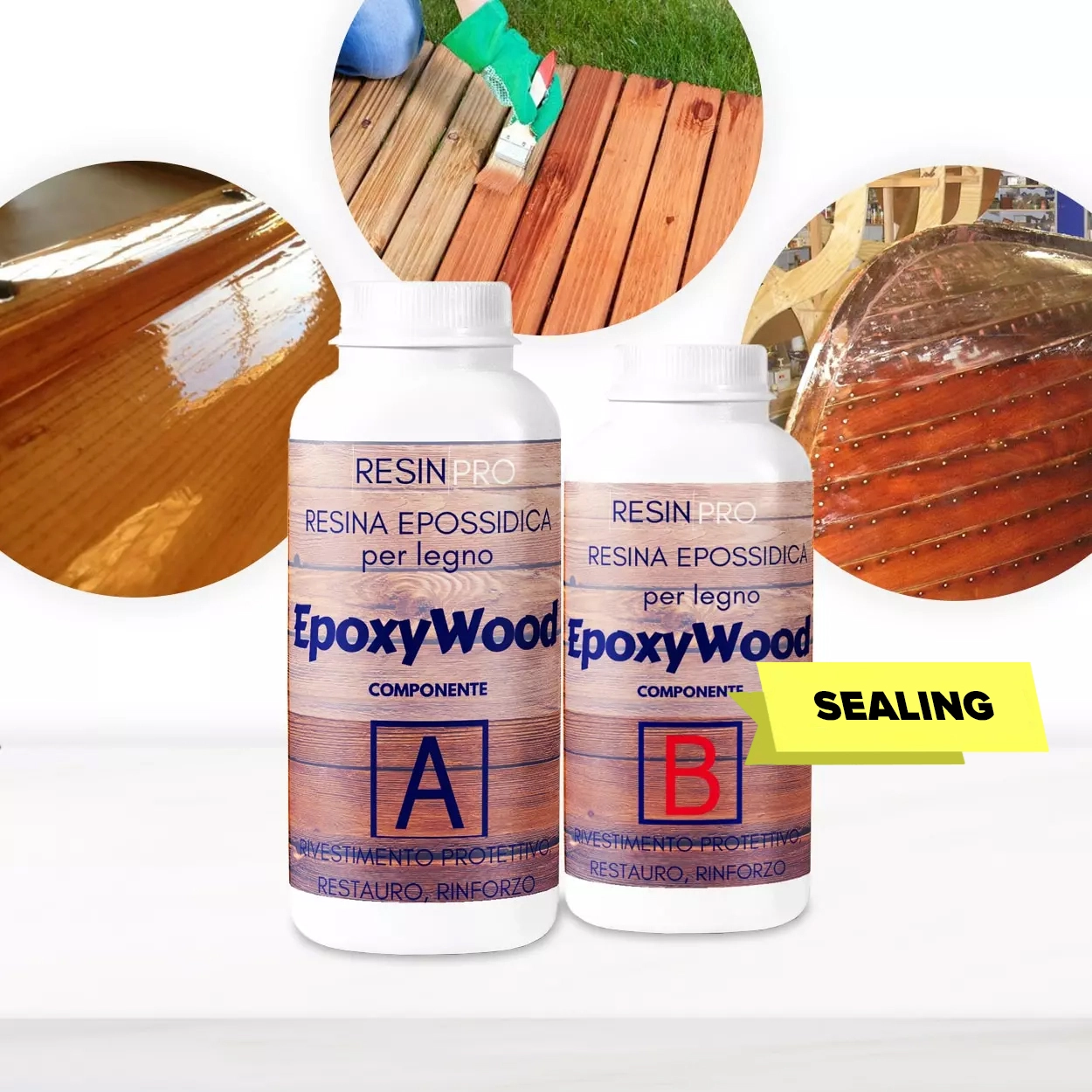
When applying resin to a wooden hull, patience is your best ally. Allowing each coat to cure before adding the next ensures a robust, flawless finish and long-term durability for your project.
Why Cure Time Matters
Each layer of resin forms a bond with the previous one, but if you apply fresh resin onto a layer that hasn’t cured, you risk weakening the structure. Incompletely cured layers may trap moisture or air, causing issues like cloudiness or peeling. Letting each coat fully set produces a solid, even surface that stands up to water, wear, and the elements.
How to Apply Resin in Stages
Start by spreading a thin, even coat of a deep-penetrating epoxy like EpoxyWood over clean, dry wood. Wait for the recommended cure time (usually detailed in the product instructions) before lightly sanding the surface to remove any minor imperfections. Wipe away residue and apply the next layer. This process can be repeated to build up protection and achieve your desired finish. For areas needing extra clarity, a layer of “Trasparente” multipurpose resin can be added once the base coats have cured.
When This Matters Most
Allowing proper curing is particularly important when weatherproofing or reinforcing a hull intended for regular water exposure. Overlapping uncured layers might look fine at first, but could eventually let in water or delaminate, undermining your hard work.
Related products
Related guides
Taking the time to let each resin coat cure not only makes your hull finish stronger but also improves longevity. Discover more tips for a perfect finish on the parent guide, How to apply resin to a wooden hull?.