 Free shipping on orders over £29,85
  Shipping Tracking!


 Google
 Facebook
How do you use two-part epoxy glue?
Step-by-step guide for secure repairs and smooth finishes


Two-part epoxy glue offers exceptional strength, fast curing, and reliability for demanding repairs or creative projects. This guide will take you through every stage of using two-part epoxy glue, ensuring the best possible bond on surfaces like metal, glass, wood, ceramics, and more.

What You’ll Need
- “Klebfix” – Two-Component Fast Epoxy Glue 2K, 25g Syringe – For quick, durable repairs on varied materials
- “FixExpress” – Two-Component Epoxy Glue 500g – For larger-scale, robust adhesives jobs
- “Mixer Nozzle” – For Mixing Epoxy Glue, 50ml, Araldite 2000 Series Compatible – Helps with cartridge-based applications
- Disposable gloves, mixing stick or spatula, clean mixing tray, and lint-free cloths

Essential Tools for Epoxy Application
Using the right tools makes epoxy application easier and more precise. Disposable gloves and a quality mixing stick keep your work area clean and help ensure a perfect bond. A dedicated mixer nozzle is ideal for cartridge systems, providing thorough blending of resin and hardener for reliable results every time.
Step 1: Prepare Surfaces Properly
Thoroughly clean the surfaces to be bonded. Remove grease, dust, and loose material with a lint-free cloth and an appropriate cleaner. For slick or glossy surfaces like glass or metal, a light sanding can provide a slightly rough texture for better adhesion. Ensure everything is dry and free from contaminants before proceeding. Any leftover moisture or dust can compromise the final strength of the bond.
Always wear gloves and eye protection when working with epoxy glue. Good ventilation is recommended, especially for larger projects.

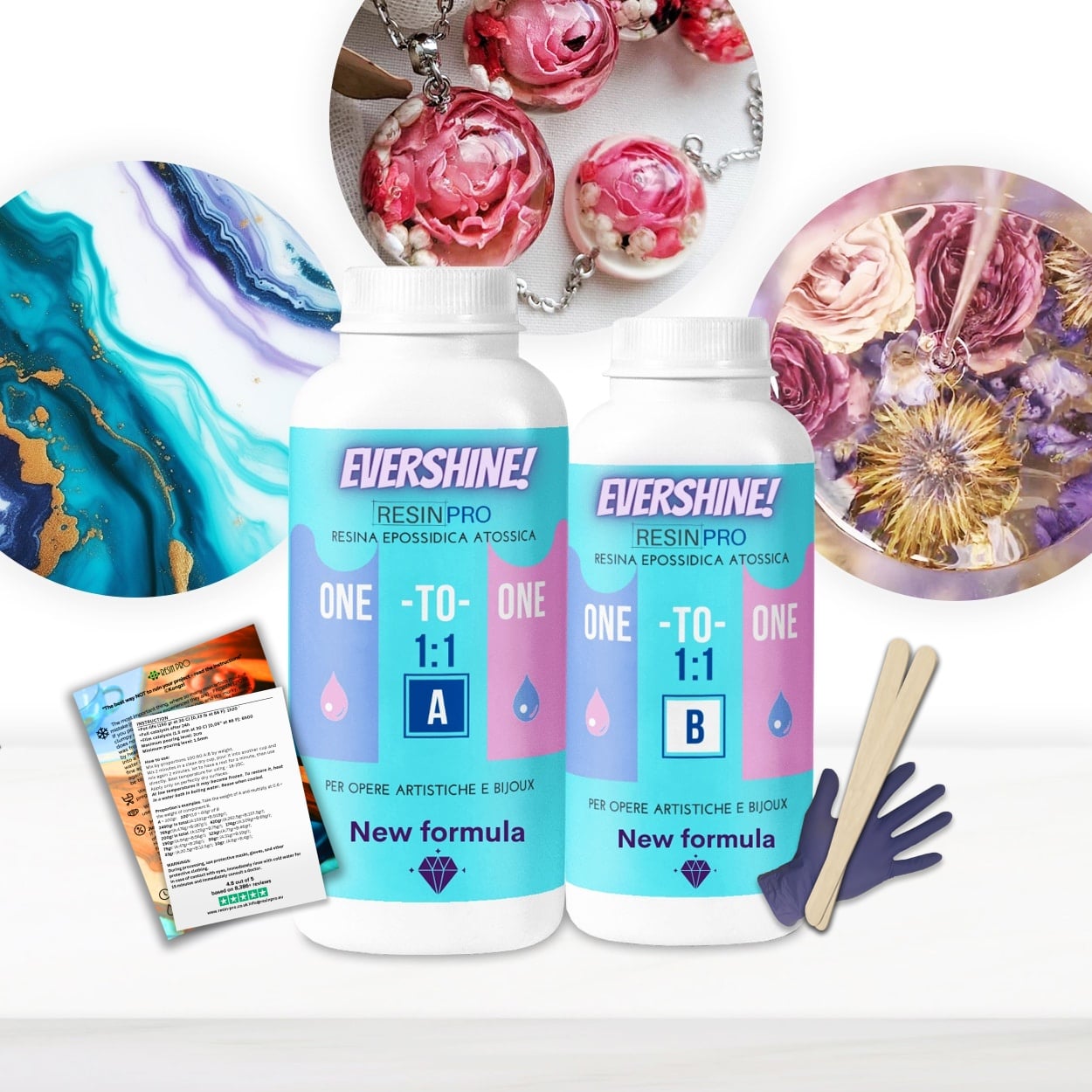
Step 2: Measure and Dispense the Epoxy Components
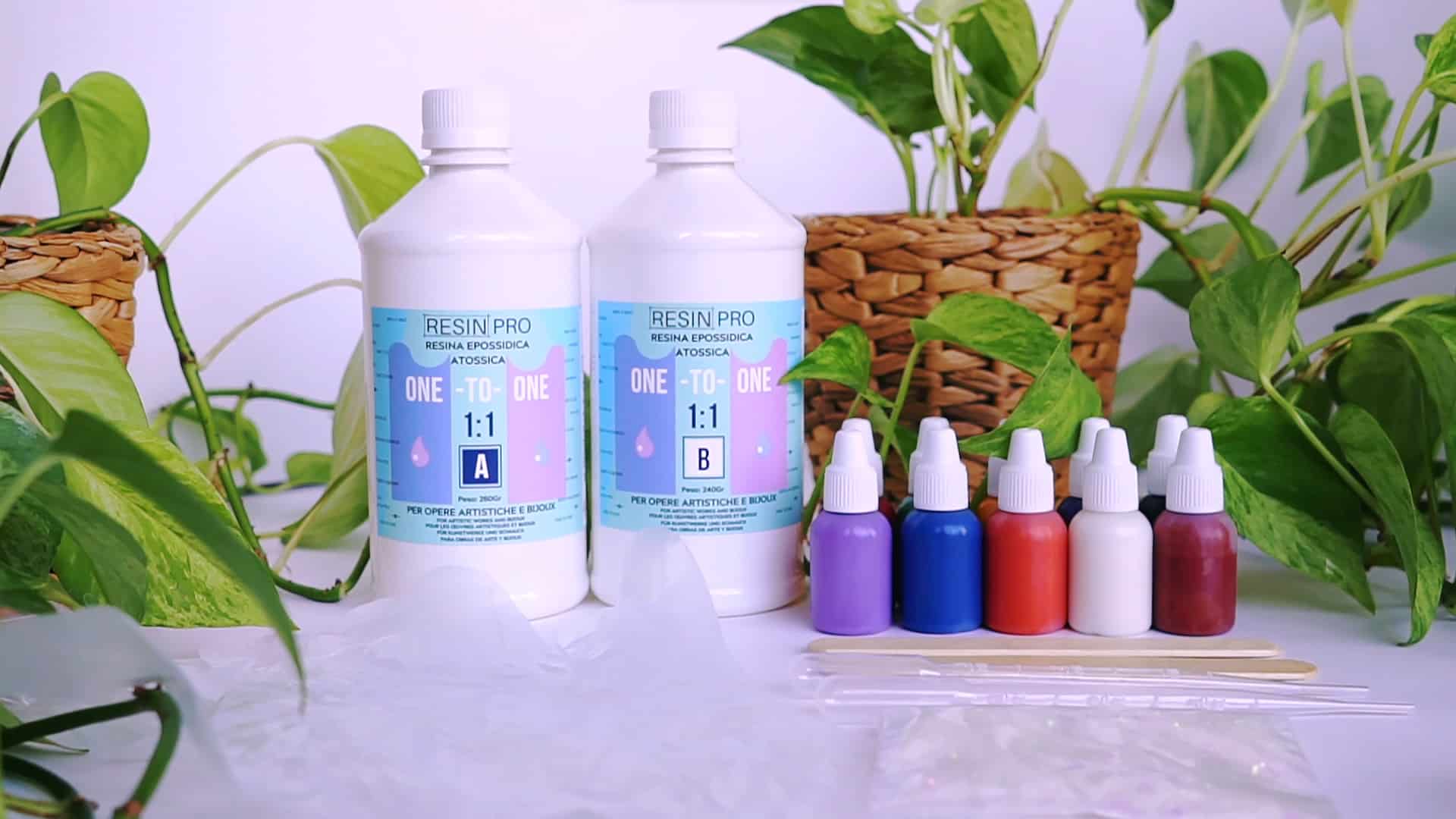
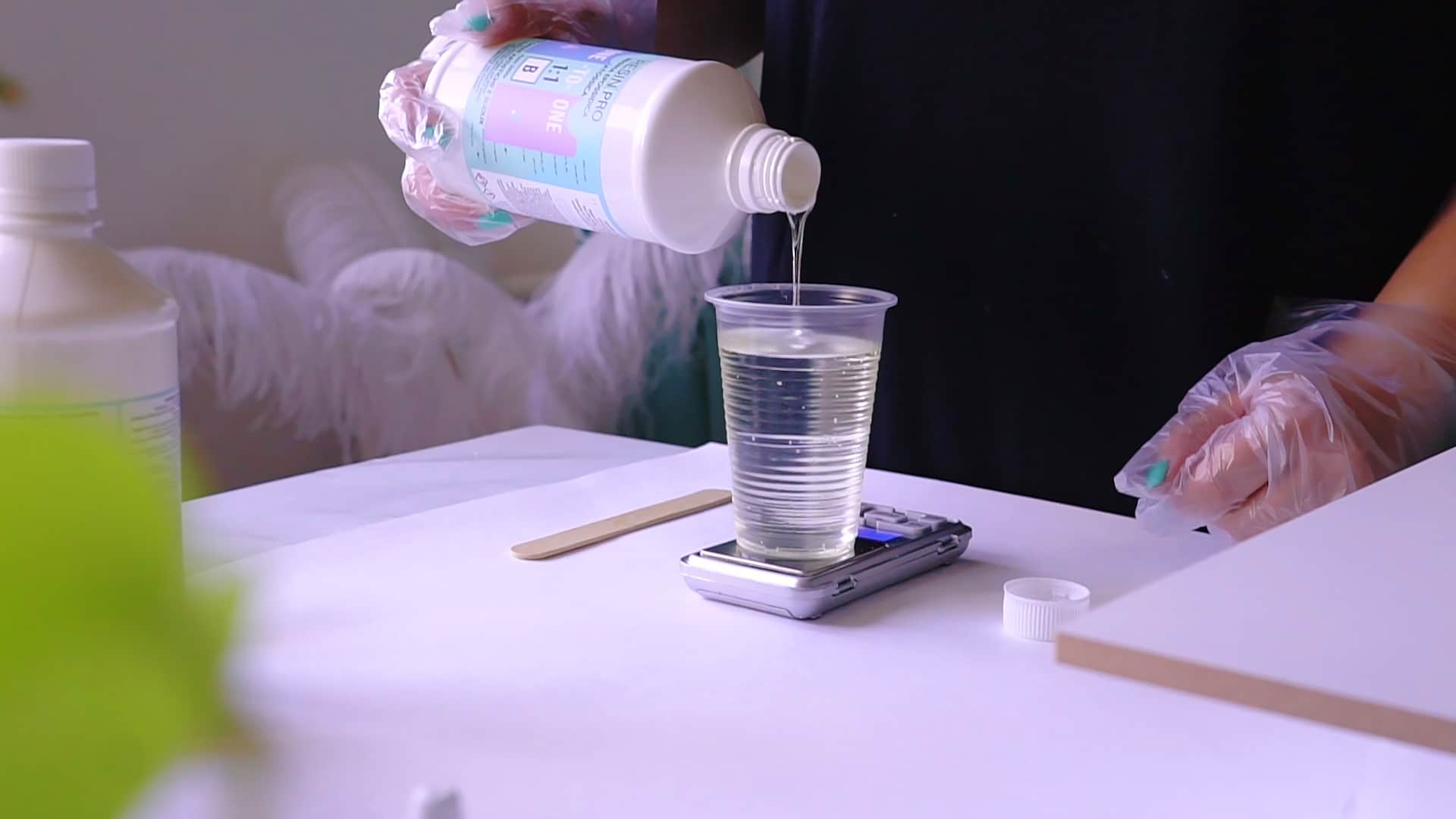
Most two-part epoxy glues require a 1:1 mixing ratio, either by weight or volume. For products in a dual-chamber syringe, like the “Klebfix” – Two-Component Fast Epoxy Glue 2K, 25g Syringe, simply depress the plunger equally for both parts. For larger jobs or where components are supplied separately, dispense each part into a clean tray, ensuring quantities match exactly. Inconsistent ratios can lead to poor setting or weak bonds.
If using a cartridge, insert a “Mixer Nozzle” – For Mixing Epoxy Glue, 50ml, Araldite 2000 Series Compatible to automatically blend the resin and hardener as you dispense.
Accurate measuring and thorough mixing are crucial for the best results.
Step 3: Mix Components Thoroughly
After dispensing, mix the resin and hardener together using a spatula or mixing stick. Scrape the sides and base of the tray while stirring to ensure a uniform colour and consistency. For cartridge systems with a mixer nozzle, mixing is automatic and ensures proper blend throughout. Take care to mix only as much as needed, as the working time is limited – typically around 5 minutes.
Avoid introducing air bubbles while mixing. Slowly stir to minimise trapped air, which can weaken the cured adhesive or mar the appearance on clear finishes.
Step 4: Apply the Epoxy and Assemble
Spread the freshly mixed epoxy evenly onto one (or both) of the surfaces to be bonded, as directed. Use a spatula or the applicator tip for precise control. Press the pieces together firmly and avoid disturbing them while curing. Secure with clamps or tape if needed for best results. The initial set usually occurs in about 5 minutes, but allow up to 24 hours for full mechanical strength.
Apply only as much epoxy as needed to avoid excess squeeze-out. Wipe away any uncured excess with a cloth dampened with solvent suitable for epoxies.
Step 5: Clean Up and Storage
Clean tools and surfaces before the epoxy cures using a recommended solvent or warm soapy water, if suitable. Once cured, epoxy is resistant to most cleaners and removal requires physical scraping. Store remaining unmixed resin and hardener in tightly closed containers, out of direct sunlight and away from children.
Store unused components in tightly sealed containers. Proper storage extends shelf life and maintains adhesive reliability.

Tips, Troubleshooting, and Common Mistakes
Work quickly but carefully, as epoxy glue can start gelling within minutes of mixing. Test-fit parts before gluing to avoid rushed adjustments. Seek a temperature-controlled, dry work area for predictable results. If cured epoxy needs removal, mechanical scraping or sanding is necessary, as solvents are ineffective.
Poor curing or weak bonds often stem from inaccurate mixing ratios or improper surface preparation. Pay special attention to cleanliness and precision in these steps for maximum bond strength and reliability.
Common Pitfalls with Two-Part Epoxy Adhesives
Rushing the preparation or handling components incorrectly are the main causes of failed bonds. Careful attention to measuring, mixing, and clean surfaces can prevent most issues. Always read the instructions for your chosen epoxy glue for specific tips.

- "Klebfix" – Two-Component Fast Epoxy Glue 2K, 25g Syringe£24.00"Klebfix" is a fast-setting two-component epoxy glue suitable for multiple materials, offering a clear finish and easy dosing.
- "FixExpress" – Two-Component Epoxy Glue 500g£26.95FIX EXPRESS two-part epoxy glue sets rapidly and is suitable for bonding various materials with a customisable, drip-free formula.
- "Mixer Nozzle" – For Mixing Epoxy Glue, 50ml, Araldite 2000 Series Compatible£1.52This nozzle is designed for 50ml Araldite 2000 series epoxy glue cartridges, supporting bayonet types for practical mixing.
- "One-2-One" – Epoxy Resin for Handcraft, 1:1 Mixing RatioPrice range: £15.95 through £59.95"One-2-One" epoxy resin offers a medium viscosity and clear finish with a simple 1:1 mixing ratio, suited for craft projects and jewellery.
Frequently Asked Questions
Which materials can two-part epoxy glue bond?
Two-part epoxy glue can reliably bond metal, glass, wood, ceramics, plastics, fabric, paper, rubber, and stone.
How much working time do I have after mixing epoxy?
Most fast-setting two-part epoxies provide a working time of around 5 minutes. Mix only as much as you can apply in that window.
What’s the right mixing ratio for epoxy glue?
A 1:1 ratio by volume or weight is standard for many two-part epoxies. Refer to the product instructions for exact requirements.
How do I clean up after using epoxy glue?
Clean tools and hands with a suitable solvent or soapy water before the epoxy cures. Once cured, epoxy is difficult to remove.
Can two-part epoxy glue be tinted or coloured?
Some two-part epoxy glues can be coloured with tinting agents. Always check compatibility with your specific adhesive.
Why did my epoxy glue not cure properly?
Improper mixing ratios or unclean surfaces are common causes. Always mix precisely and prepare parts thoroughly.
How do I prepare surfaces for maximum strength?
Clean, dry, and lightly sand surfaces to increase adhesion. Remove all grease or dust before use.