 Free shipping on orders over £29,85
  Shipping Tracking!


 Google
 Facebook
← Back to how do you work with liquid resin?
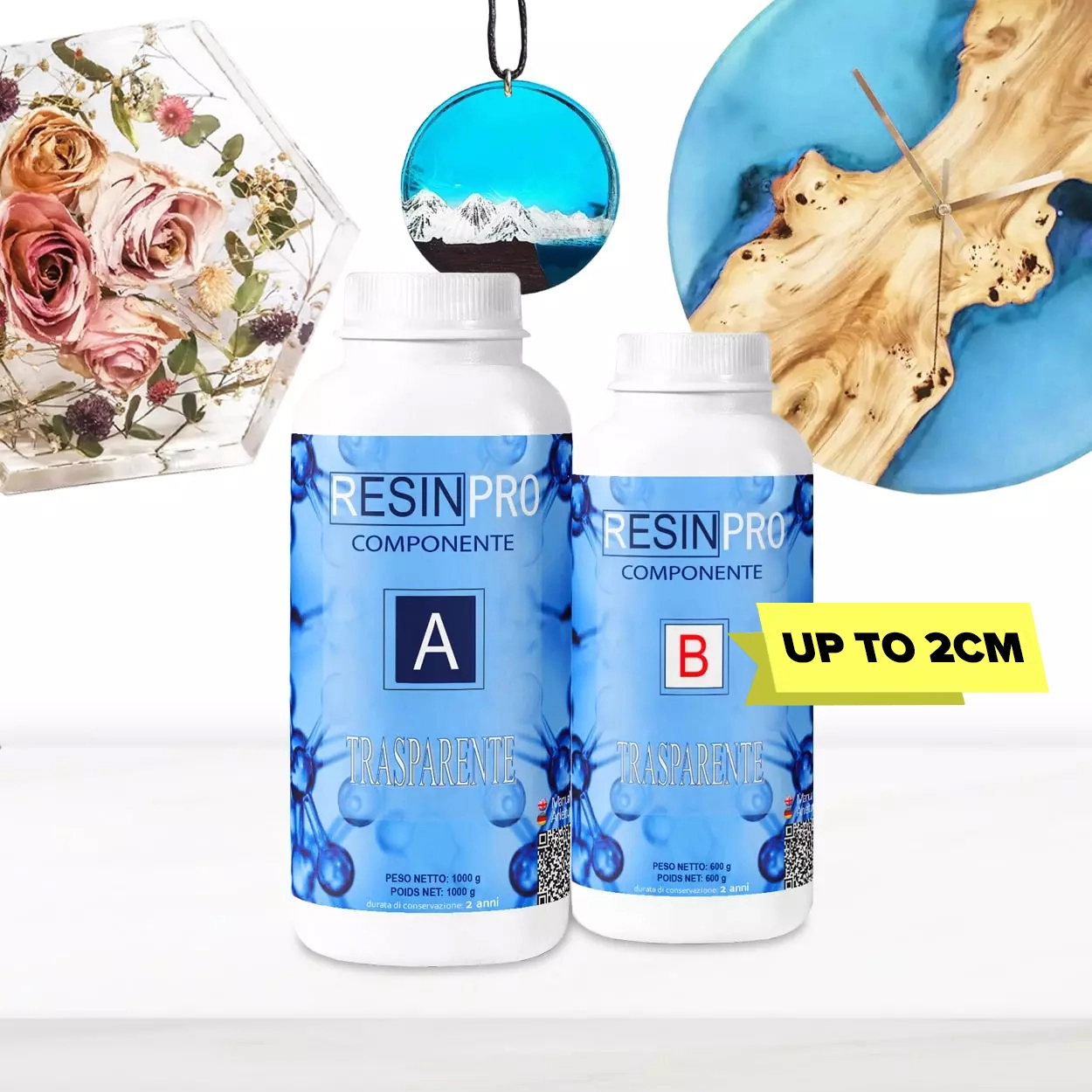
Creating flawless resin projects relies on technique just as much as product quality. One of the most important practices when using liquid resin is pouring in thin layers—an approach that can greatly improve your final result.
Advantages of Thin Resin Layers
Pouring resin in thin layers—usually up to 2cm, depending on the product—helps avoid many common problems. Thinner pours enable air bubbles to escape more easily before the resin begins to set, resulting in a clearer, smoother finish. Working in increments also minimises the risk of overheating, which can occur if too much resin cures simultaneously and potentially warp your project or cause discolouration.
- Allows easier bubble removal for crystal-clear results
- Reduces risk of excessive heat during curing
- Supports even, self-levelling coverage
Practical Tips for Layered Resin Projects
For best results, select a resin suitable for the project’s intended thickness. For pours up to 2cm, a multipurpose clear resin such as “Trasparente” is ideal. Mix each batch thoroughly and pour slowly to reduce the introduction of new air bubbles. Allow each layer to partially or fully cure before applying the next to maintain structural integrity and clarity. If bubbles appear, a quick spray or drop of isopropyl alcohol can help remove surface imperfections.
When Working in Thin Layers Matters Most
Pouring in thin layers is especially crucial when making detailed castings, jewellery, and decorative pieces where depth and clarity are priorities. It’s also the safest approach for beginners learning the behaviour of resin, allowing for corrections layer by layer if necessary.
Related products
Related guides
Mastering the technique of working in thin layers gives you more control and consistently beautiful results. For more detailed advice on using liquid resin in your projects, explore further guidance on our main how to work with liquid resin guide.