 Free shipping on orders over £29,85
  Shipping Tracking!


 Google
 Facebook
← Back to How to Thin Epoxy Resin

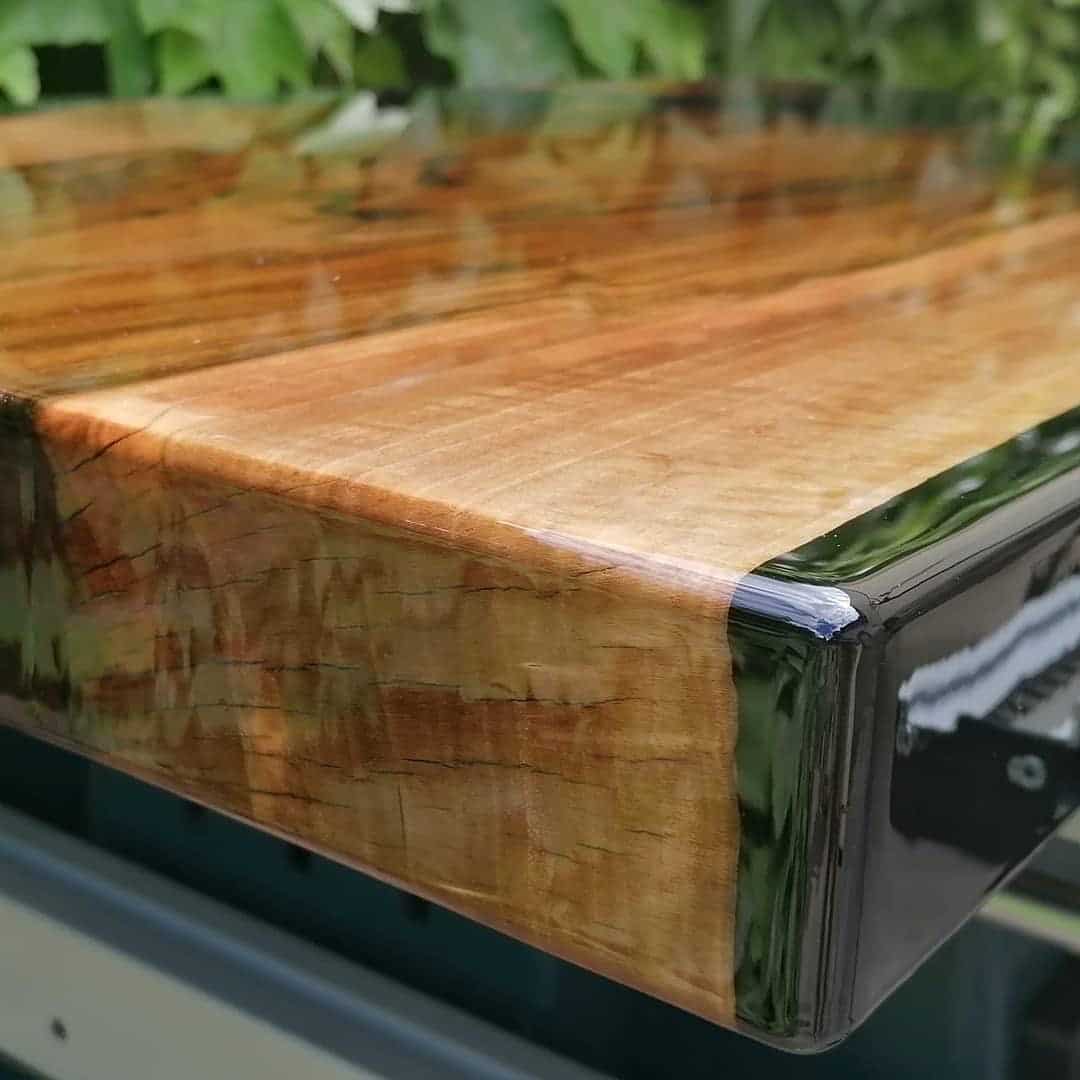
Warming epoxy resin is a common technique used by both beginners and professionals to achieve better flow and a cleaner finish. When done correctly, gentle heating can make a noticeable difference in the ease of pouring and the quality of your results.
How Warming Improves Resin Flow
When epoxy resin is gently warmed, its viscosity, or thickness, decreases. This means the resin becomes more fluid, allowing it to pour and settle smoothly. A key benefit is the reduction of trapped air bubbles, giving you a clearer final result. Importantly, gentle warming does not affect the strength of the cured resin, provided it isn’t overheated.


Safe Methods for Warming Epoxy Resin
It’s crucial to avoid overheating epoxy resin as excessive heat can alter curing and potentially cause defects. The safest way is to place the sealed resin bottles in a bowl of warm (not hot) water for several minutes before mixing. Aim for a temperature just above room temperature. Always mix the warmed resin thoroughly before use.
When This Matters Most
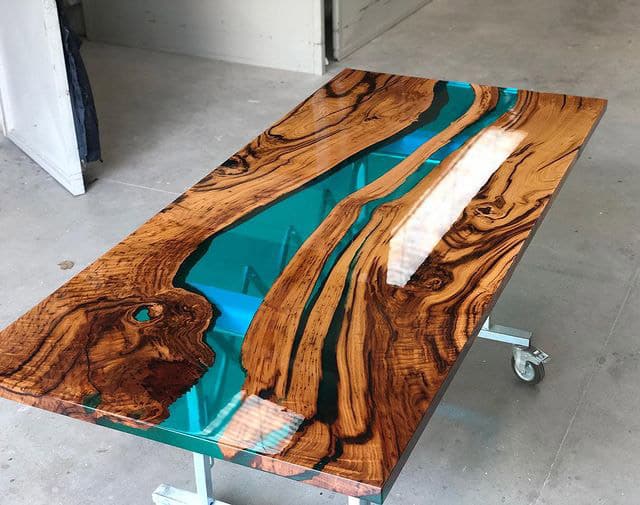
- Deep pour projects or thick castings, such as using Epoxytable 10-Ten, benefit from reduced viscosity to minimise bubbles.
- Detailed moulds and intricate jewellery require better flow for full coverage and clarity.
- Warming is particularly helpful in cool environments, where resin tends to be thicker.
Related products
Related guides
Applying gentle warmth to epoxy resin can be a valuable step for anyone seeking better results in table pours, mould work, and decorative projects. For more on optimising resin performance, see our complete guide at How to Thin Epoxy Resin.