 Free shipping on orders over £29,85
  Shipping Tracking!


 Google
 Facebook
How is a resin floor made?
A step-by-step guide for durable, decorative surfacing
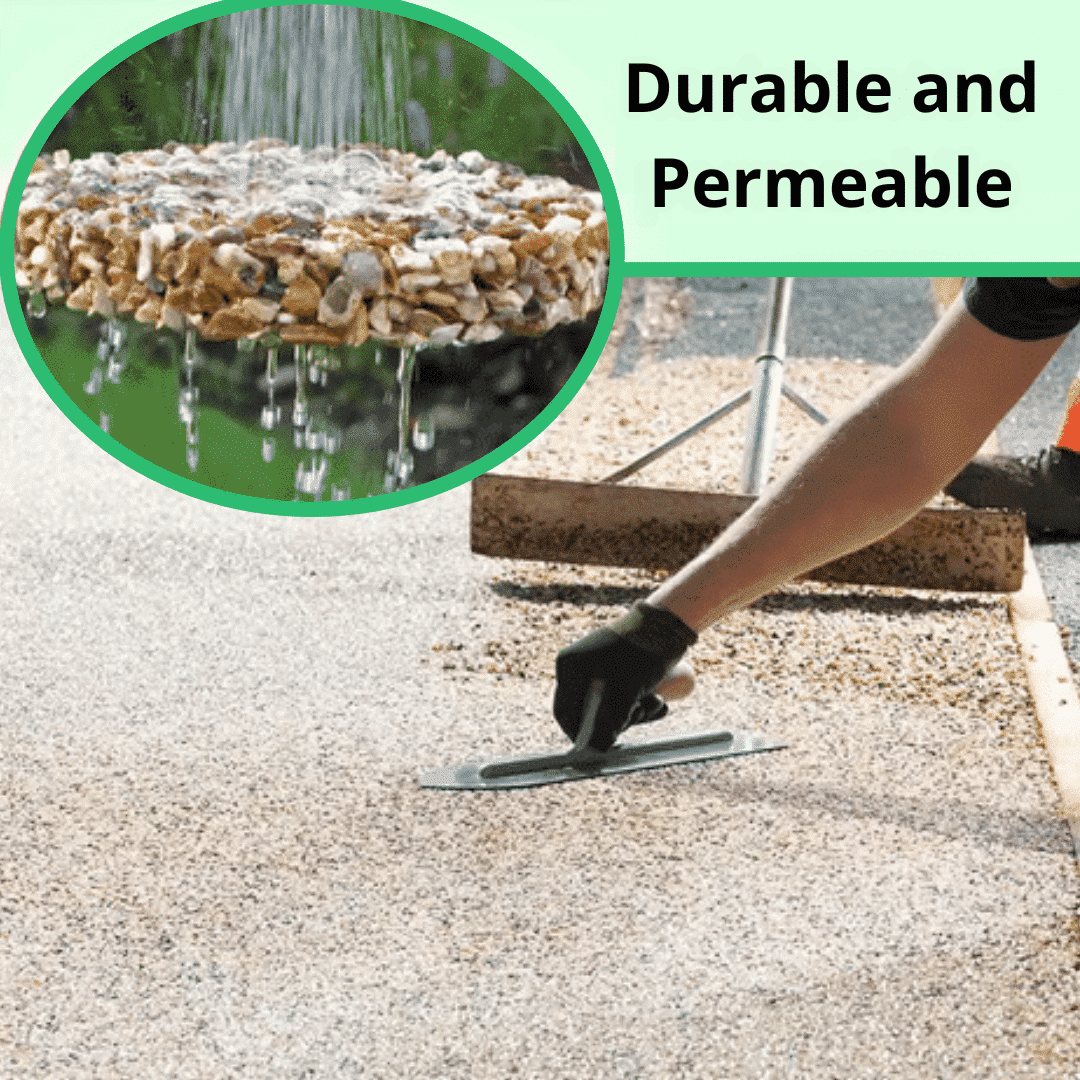
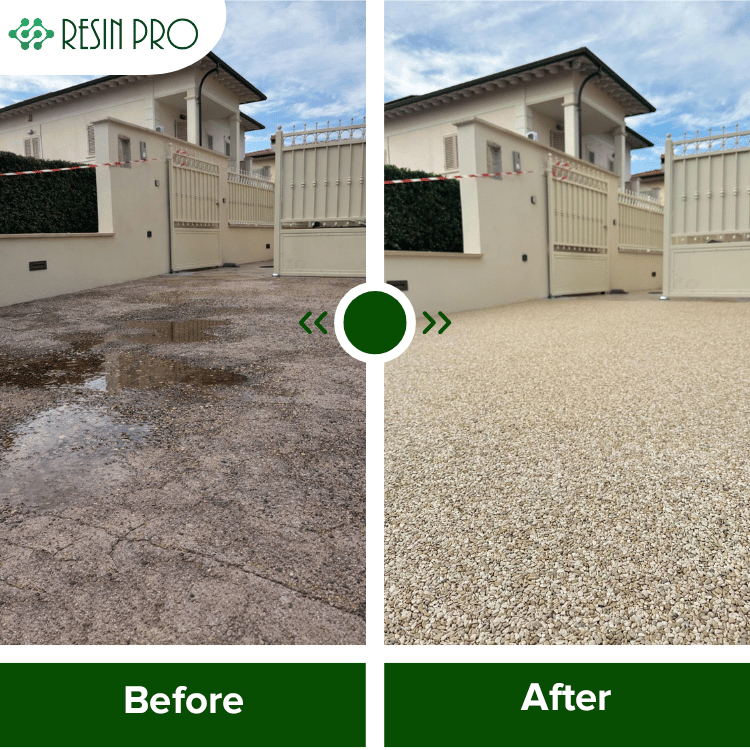
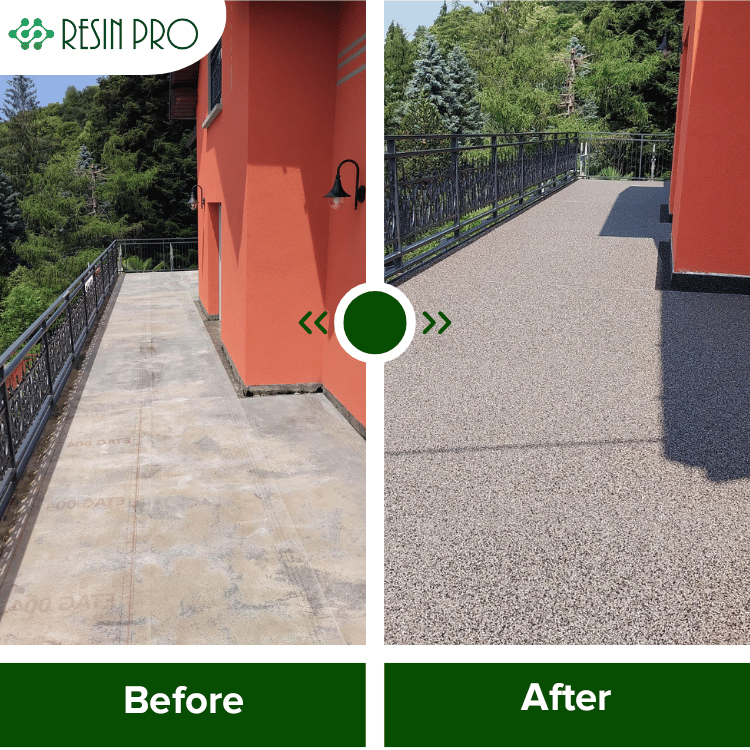
Creating a resin floor involves a multi-step process that results in a robust, aesthetically pleasing, and highly functional surface. Whether upgrading a driveway, patio, or public footpath, understanding the essential steps ensures a professional finish that stands the test of time and weather. This guide walks you through the full installation of a resin-bound floor, highlighting best practices every step of the way.
What You’ll Need
- “Epoxyprimer” – Universal Water-Based Two-Component Epoxy Floor Primer: For reliable substrate preparation and adhesion
- Washed Pebbles for Permeable Floors 25kg – Outdoor Resin-Bound Surfaces: Pre-washed aggregates for mixing with resin
- “Trasparente” – Epoxy Binder for Coloured Pebbles and Grits: Transparent binder for creating a clear, strong bond with coloured or dark aggregates
- Trowel, roller, or spatula: For application
- Protective gloves and clothing
- Mixing container and paddle
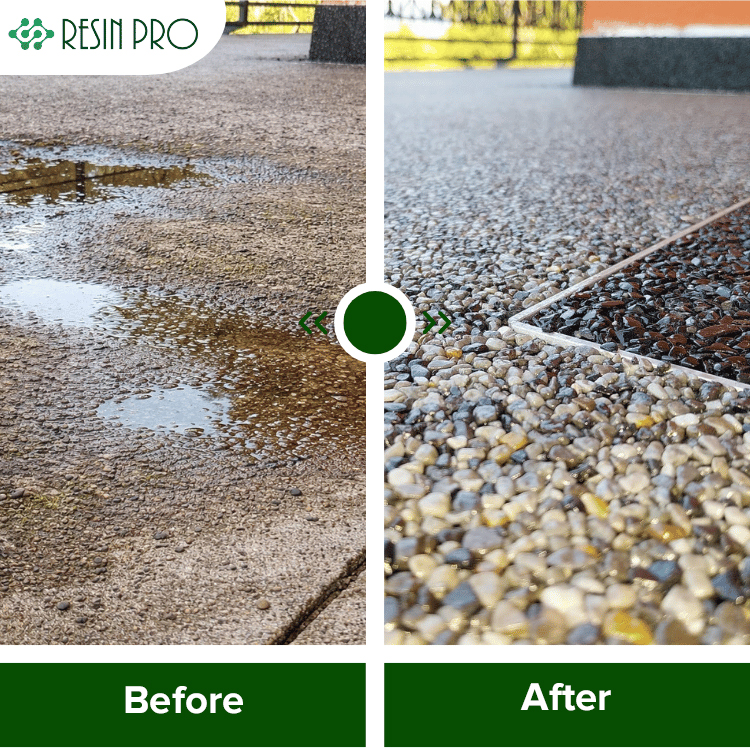
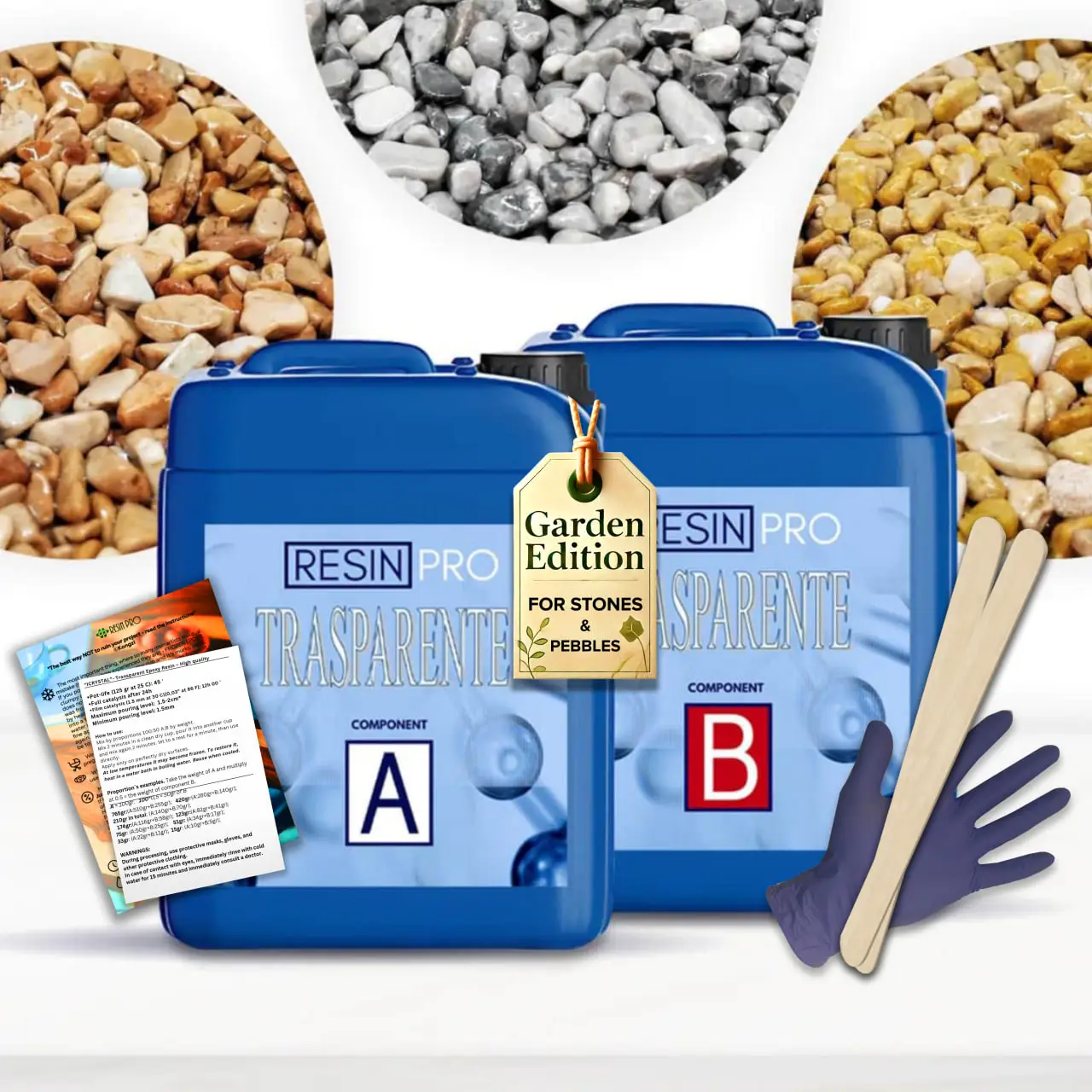
Visualise the Resin Floor Tools and Materials
Resin flooring relies on synergy between carefully chosen tools, clean pebbles, and the right resin system. Selecting the appropriate primer, aggregate, and binder is key to structural integrity and finish.
Step 1: Prepare the Substrate
Start by ensuring your intended surface—whether concrete, screed, tile, or timber—is stable, clean, and completely dry. Remove any dust, grease, or loose debris, as these can hamper the bond between the substrate and resin.
Structural cracks should be filled, and any unevenness levelled out. If working outdoors, check the weather forecast to avoid rain during application and curing, as moisture can affect adhesion and the finish quality.

Step 2: Prime the Surface for Lasting Adhesion
Priming is essential to maximise the bond between the underlying surface and the resin system. Apply a suitable floor primer using a roller, brush, or spatula, ensuring even coverage across the area.
The “Epoxyprimer” – Universal Water-Based Two-Component Epoxy Floor Primer is an ideal choice for a range of substrates including concrete, timber, tiles, and screeds. Allow the primer a full 24–48 hours to cure before proceeding to the next step.
Step 3: Mix the Resin Binder and Aggregates
Once the primed surface is fully dry, combine your washed pebbles or chosen aggregates with the epoxy or polyurethane resin binder. Pour the binder over the pebbles in a clean container and mix thoroughly with a paddle or cement mixer until every stone is well coated. This consistency will ensure the finished floor is even and durable.
If working with coloured or dark aggregates, use the “Trasparente” – Epoxy Binder for Coloured Pebbles and Grits to maintain clarity and UV stability in the finished result. Always follow the manufacturer’s ratio guidelines to avoid weak spots or incomplete curing.


Step 4: Lay and Finish Your Resin Floor
Pour the well-mixed resin and pebble mixture onto the primed substrate in manageable sections. Spread evenly using a trowel or spatula, working to the desired thickness and taking care to press the mix firmly for a compact surface.
Aim for a smooth, continuous layer—for permeable floors, avoid overly compacting the mix to retain effective drainage. Once the full area is covered, leave the floor to cure undisturbed. Most systems are walkable within 10–24 hours, but full mechanical strength is achieved after curing as per the manufacturer’s instructions.
Tips and Common Mistakes in Resin Floor Application
Choose quality, washed aggregate for strength and ensure it is completely dry before mixing. Damp stones compromise resin bonding and may cause bubbles. Give primer ample drying time—rushing this step can weaken adhesion and lead to future delamination. Mix resin and pebbles thoroughly so no dry spots remain; incomplete mixing results in uneven areas. Work in manageable sections to allow enough time to lay and finish before the resin begins to set. Use the correct resin for your chosen aggregate (for example, polyurethane binders for light stones and epoxy for coloured/dark). Uneven spreading leads to weak spots—maintain an even thickness throughout.

Curing, Colour, and Detail in Resin Floors
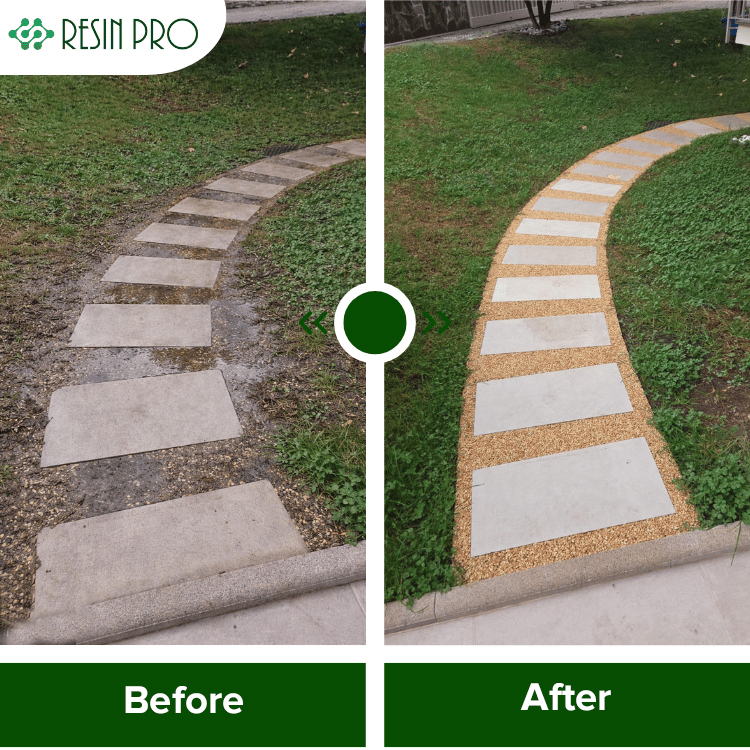
The final appearance of your floor depends on curing conditions, even application, and correct resin selection. Well-cured resin floors maintain colour, resist weather, and look professional for years.
- "Flowstone" – Complete Permeable Floor Kit with Pebbles and ResinPrice range: £49.95 through £3,915.45Flowstone offers a durable, permeable pebble and resin flooring kit with simple application and customisable finishes for outdoor UK locations.
- "Trasparente" – Epoxy Binder for Coloured Pebbles and GritsPrice range: £33.45 through £397.95"Trasparente" is a transparent epoxy binder designed for coloured pebbles and grits, suitable for stable and clear pebble floor finishes.
- Washed Pebbles for Permeable Floors 25kg – Outdoor Resin-Bound SurfacesPrice range: £28.45 through £29.95Washed pebbles suitable for permeable outdoor surfaces, designed for use with resin binders in patios and pathways.
 "Epoxyprimer" – Universal Water-Based Two-Component Epoxy Floor PrimerPrice range: £156.45 through £286.45Epoxyprimer is a water-based two-component epoxy floor primer designed for reliable adhesion on various surfaces.
Frequently Asked Questions
Can I install a resin floor myself?
Yes, most resin floors can be installed by confident DIYers if you follow instructions and allow proper curing times.
How soon can I walk on a new resin floor?
Most resin-bound floors become walkable within 10–24 hours, but always check the specific product's curing schedule.
What is the difference between epoxy and polyurethane binders?
Epoxy binders are often used for coloured or dark stones due to their clarity and UV stability, while polyurethane works best for white aggregates.
Which surfaces are suitable for resin flooring?
Common options include concrete, screed, ceramic tile, and timber, provided the surface is stable and properly prepared.
Do I need to prime the base before installing resin?
Yes, priming promotes better adhesion and helps prevent moisture-related defects in the finished floor.
How do I choose the right pebbles or aggregates?
Choose washed, dry aggregates in your preferred colour and size for the desired look and permeability.
Why is aggregate washing important in resin floors?
Clean, pre-washed aggregates ensure a strong bond with the resin and help achieve a consistent, durable finish.