 Free shipping on orders over £29,85
  Shipping Tracking!


 Google
 Facebook
How is exterior gravel and resin paving installed?
Step-by-step guidance for creating a long-lasting, permeable outdoor surface
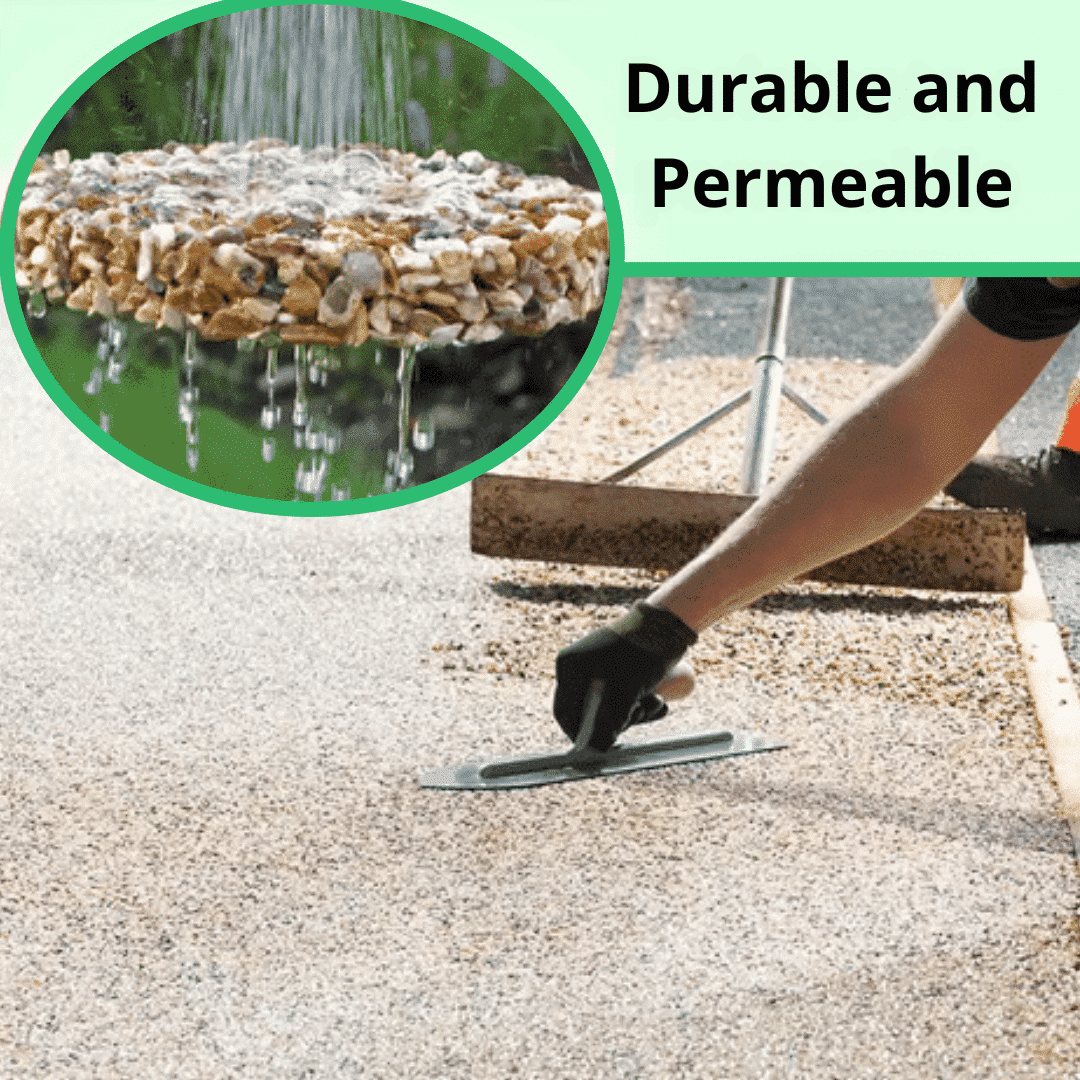
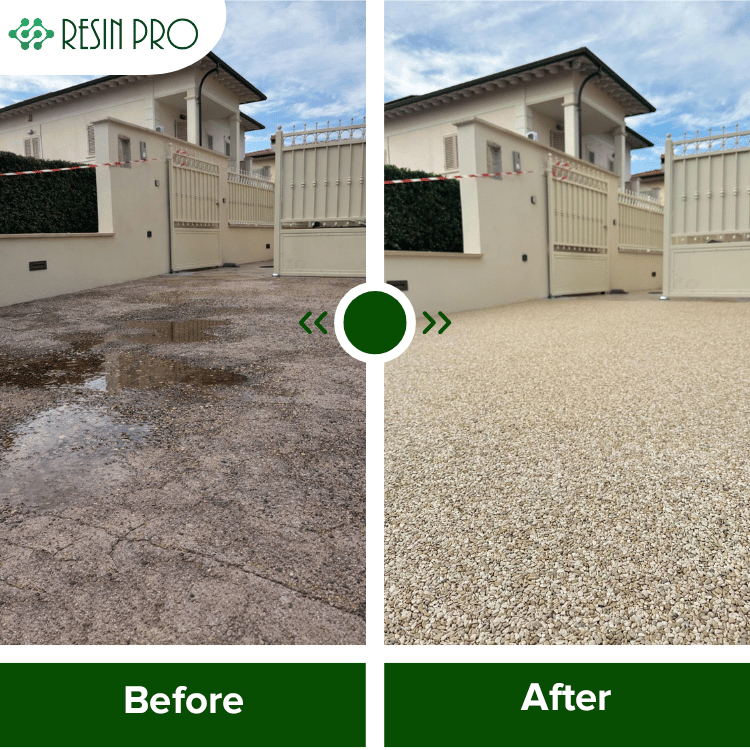
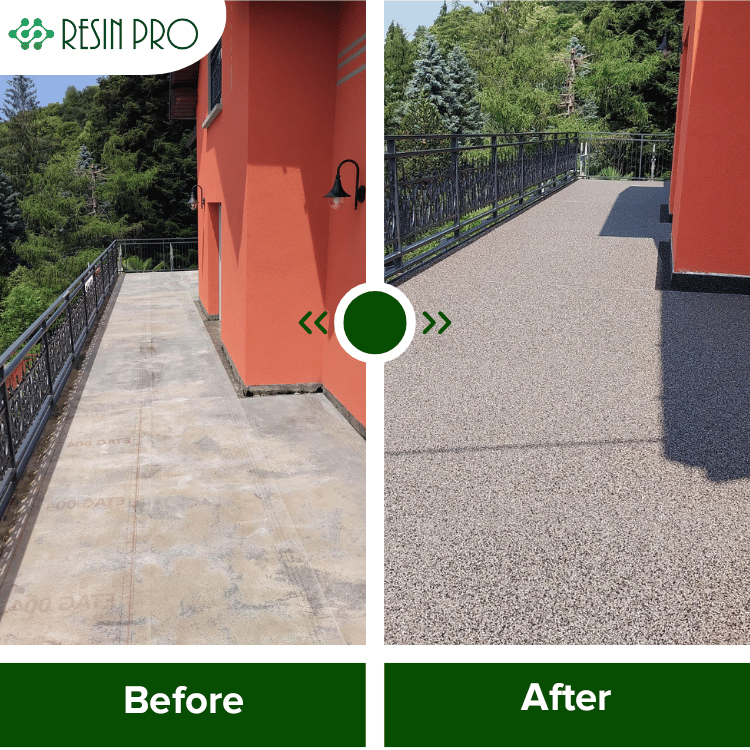
Gravel and resin-bound paving is an excellent choice for creating attractive, hardwearing, and permeable surfaces outdoors. On this page, you’ll find clear, step-by-step guidance for installing exterior gravel and resin paving—ideal for driveways, pathways, patios, or garden areas. Whether tackling a full renovation or a new feature, understanding the correct method is vital to ensure durability and effective drainage.
What You’ll Need
- “Flowstone” – Complete Permeable Floor Kit with Pebbles and Resin: Complete kit tailored for permeable and durable floor systems outdoors
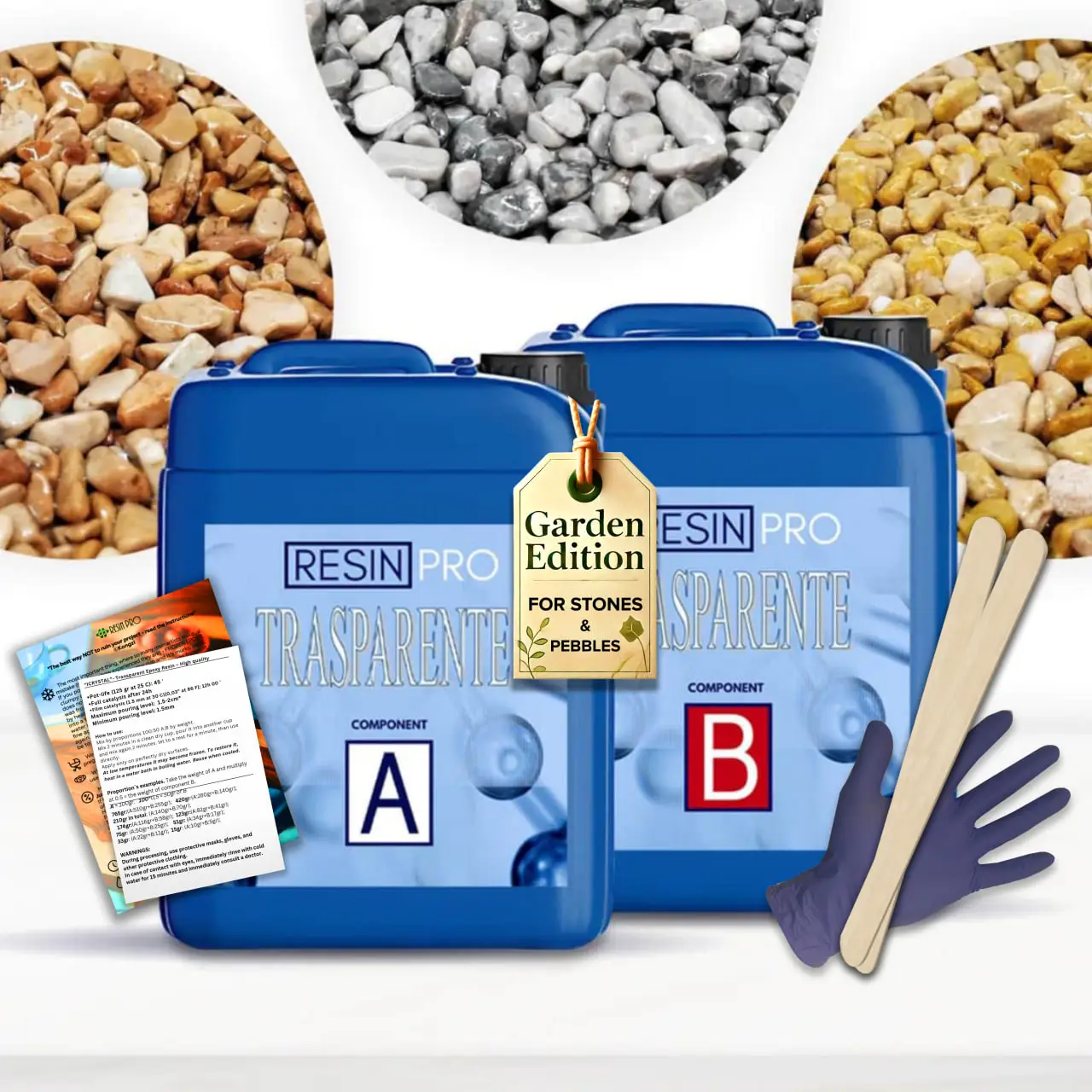
- “Trasparente” – Epoxy Binder for Coloured Pebbles and Grits: Epoxy binder for coloured or dark stone surfaces
- Washed Pebbles for Permeable Floors 25kg – Outdoor Resin-Bound Surfaces: Pre-washed aggregates designed for resin-bound paving
- “Polirock” – Polyurethane Binder for White Stones, 2kg Two-Component Kit: Polyurethane resin binder engineered especially for white stone projects
- Protective gloves and clothing
- Mixing bucket or cement mixer (for large areas)
- Flat trowel or float
- Brush for cleaning the base
- Measuring scales
Key Benefits of Resin-Bound Gravel for Exteriors
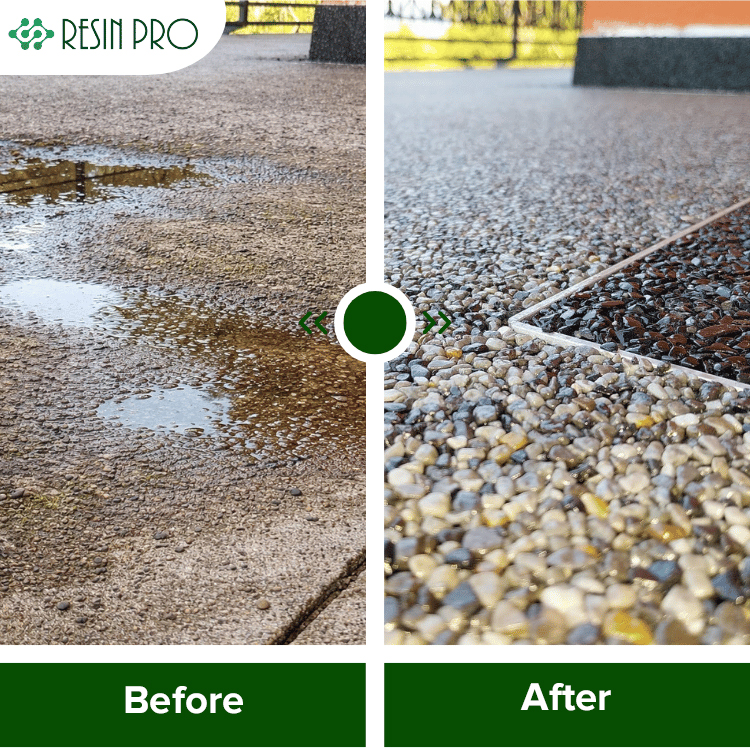
Resin-bound gravel systems offer a highly durable, permeable, and visually appealing solution for outdoor areas. Because water drains through the surface, puddles are practically eliminated and flooding is minimised. This makes them ideal for UK driveways, patios, and garden paths where consistent performance and weather resistance are vital.
Step 1: Prepare the Surface
Ensure the base is clean and level before installation. Remove loose debris, plant matter, and any previous surfacing. The substrate should be dry and stable—ideally concrete, tarmac, or compacted hardcore with a slight fall for drainage. Repair and fill any cracks or holes to prevent unevenness. If working over soil or unbound sub-bases, install appropriate edge restraints and a geotextile membrane for stability.
Proper preparation helps avoid structural failure and uneven settling in your resin-bound surface. Avoid installing over surfaces with active movement or trapped moisture, as this leads to future defects.

Step 2: Mix the Resin Binder and Aggregates
With your clean, dry pebbles ready, weigh the correct amount of aggregate and resin according to kit instructions. Thoroughly mix resin and washed pebbles in a clean bucket or cement mixer until every stone is fully coated and glossy. For white or very light aggregates, use a polyurethane resin binder such as the “Polirock” – Polyurethane Binder for White Stones to prevent yellowing. For coloured or dark stones, the “Trasparente” – Epoxy Binder for Coloured Pebbles and Grits ensures a crystal-clear finish with lasting protection.
Mix thoroughly yet attentively—unmixed resin leads to patchy bonding and performance issues. Work swiftly, as the resin begins to set once combined with the catalyst.
Step 3: Apply the Resin-Bound Mix
Pour the freshly mixed gravel and resin blend onto the prepared base. Using a flat trowel, spread evenly and compact the mixture to a consistent thickness (typically 15–20mm for pedestrian and light vehicle areas). Work methodically across the area, ensuring even coverage and level finish. Avoid laying more than you can finish in one workable period, as the mix will cure quickly.
Use edge restraints to define the paving boundaries and prevent lateral movement. For best results, work in manageable sections and keep your tools clean to prevent resin build-up.


Step 4: Allow for Proper Curing
After final trowelling, allow proper curing time before use. The surface should be protected from rain and debris during the initial cure—typically 24 hours for foot traffic and up to 72 hours for vehicles, depending on ambient temperature and humidity. Do not cover the surface with plastic sheeting, as this may trap moisture and compromise curing.
Once fully set, sweep the area if needed to remove any surface dust or loose stones.
Tips and Common Mistakes
Check weather before installation: Avoid installing in very cold, very hot, or damp conditions. Moisture can interfere with resin curing and may cause cloudiness or weakening.
Do not rush the mixing process: Incomplete mixing leads to unsatisfactory surface strength and appearance. Always follow product-specific ratios and instructions.
Use only clean, dry pebbles and wait for the base to be thoroughly dry before application. Take time to compact and trowel the surface for a level, uniform finish. Remember, the right binder for your aggregate type (such as using polyurethane specifically for white stones) ensures lasting clarity and performance.

How to Maintain Your Resin and Gravel Paving
Routine sweeping and gentle washing help keep your resin-bound surface in top condition. Regularly clear debris and occasionally hose down the area to prevent build-up in the surface pores. Promptly address any stains or marks to prevent permanent discolouration. Avoid using abrasive tools or harsh chemicals—these can damage both resin and aggregate, reducing durability and appearance over time.
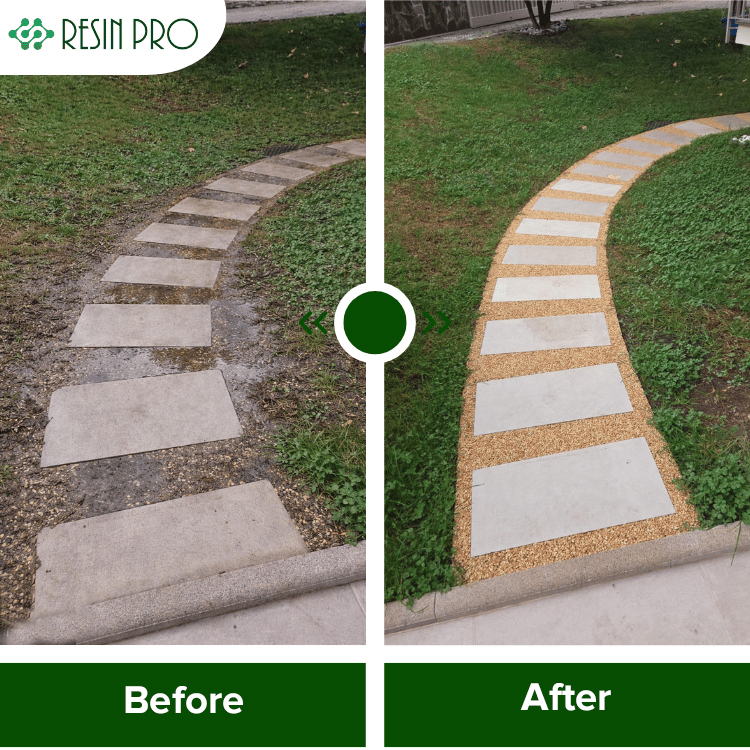
- "Flowstone" – Complete Permeable Floor Kit with Pebbles and ResinPrice range: £49.95 through £3,915.45"Flowstone" kit offers a durable, permeable draining floor system with pebbles and resin, for UK outdoor surfaces including driveways and patios.
- "Trasparente" – Epoxy Binder for Coloured Pebbles and GritsPrice range: £33.45 through £397.95"Trasparente" is a clear epoxy binder designed for coloured pebbles and grits, supporting exterior flooring with UV resistance and a bubble-free…
- Washed Pebbles for Permeable Floors 25kg – Outdoor Resin-Bound SurfacesPrice range: £28.45 through £29.95Washed Pebbles for Permeable Floors 25kg are natural, pre-washed aggregates suitable for resin-bound permeable outdoor surfaces.
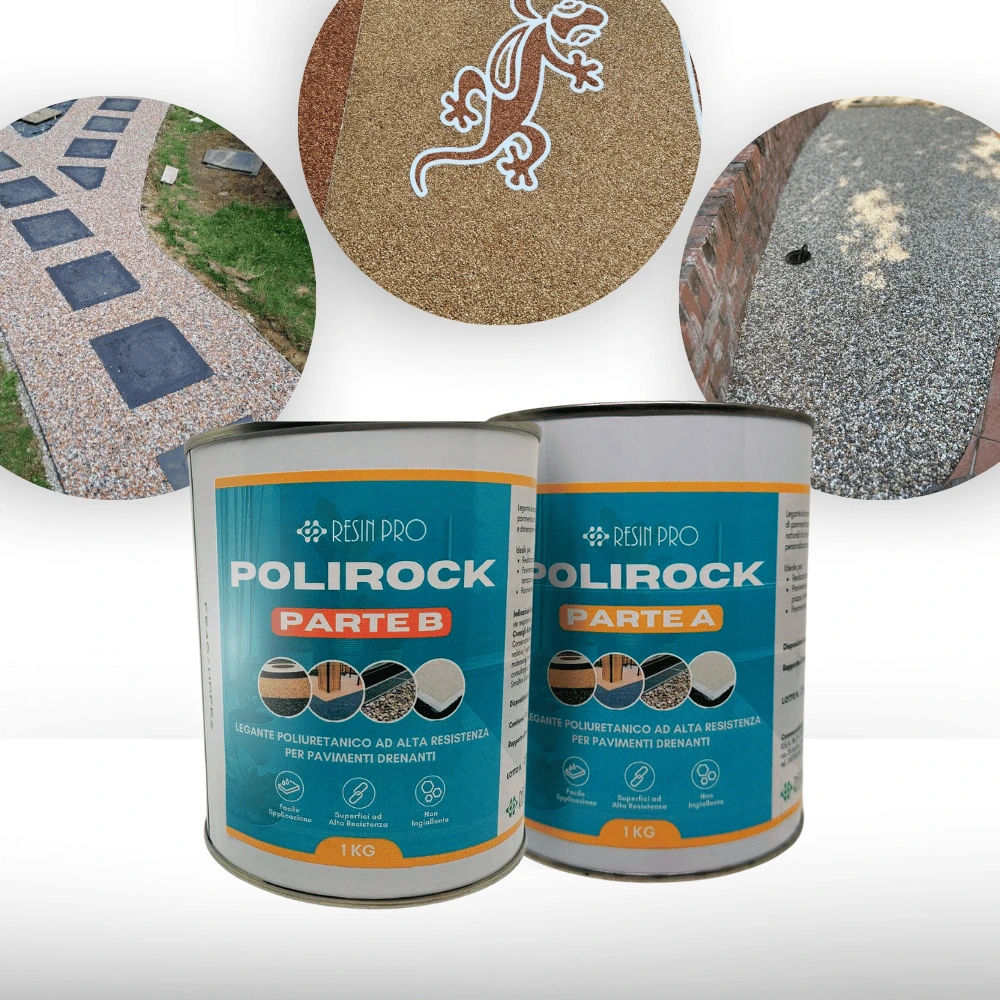 "Polirock" – Polyurethane Binder for White Stones, 2kg Two-Component Kit£61.95"Polirock" polyurethane binder is designed for creating decorative, durable, and permeable outdoor surfaces using white stones.
Frequently Asked Questions
Can I install gravel and resin paving myself?
Yes, most resin-bound systems are suitable for competent DIYers, provided you follow provided instructions and work with suitable tools.
What base is best for resin-bound gravel?
A firm, dry base such as concrete, tarmac, or compacted hardcore is recommended. Avoid unprepared soil or unstable ground.
How long before you can walk or drive on new resin paving?
Generally, 24 hours for foot traffic and up to 72 hours for vehicles, depending on temperature and humidity.
Will resin-bound gravel crack or lift over time?
Proper installation over a stable base resists cracking or lifting. Issues often result from moisture, poor base prep, or incorrect ratios.
Which resin should I use for white or coloured stones?
Use a polyurethane resin for white binds (prevents yellowing) and epoxy binder for coloured stones for clarity and UV resistance.
Can I mix pebbles with marble or granite in my paving?
Yes, mixing washed pebbles with marble, granite, or porphyry produces custom decorative results and retains permeability.