 Free shipping on orders over £29,85
  Shipping Tracking!


 Google
 Facebook
How is hemp resin obtained?
Step-by-step guide to extracting natural hemp resin safely
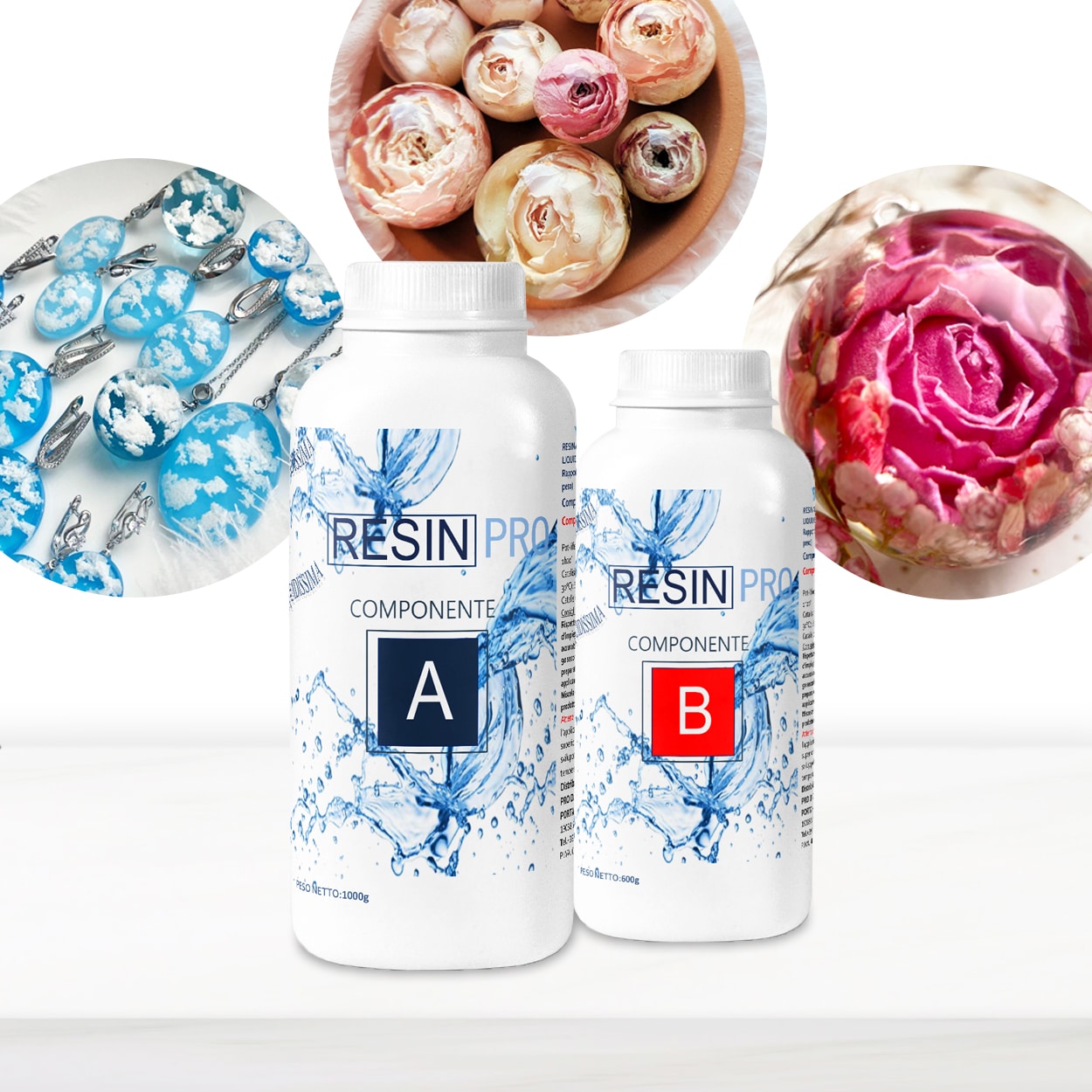

Extracting resin from hemp unlocks a versatile, plant-based material ideal for crafting, technical applications, and sustainable projects. This guide details each step of the extraction process for those seeking to obtain pure hemp resin in an environmentally conscious way, highlighting the preparation, safety, and handling methods that set the stage for an efficient and safe workflow.
What You’ll Need
- Pure Isopropyl Alcohol 99.9% – 1000ml Bottle for Epoxy Resin Projects & DIY – for effective solvent-based cleaning and resin separation where allowed.
- Protective gloves and goggles
- Glass or stainless steel mixing containers
- Fine mesh filter or cheesecloth
- Silicone scraping tool
- Well-ventilated workspace
- Fresh or dried hemp material (flowers and fine leaves)
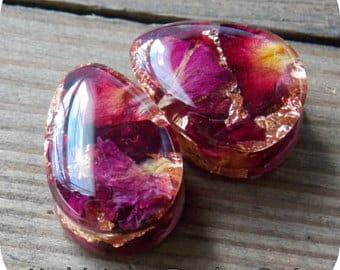
Tools and Materials for Safe Hemp Resin Extraction
Choose the highest-purity solvents and use containers that will not react with alcohol or hemp oils. A well-ventilated, clean space and tamper-proof containers are essential for safety and yield.
Step 1: Prepare the Hemp Plant Material
Obtain high-quality hemp flowers and fine leaves, as these parts are richest in natural resin. Trim away stems and large fan leaves, leaving only the resinous material. Ensure the material is dry for best results, as excess moisture can dilute the extract and may introduce impurities.
Break the hemp into small, manageable pieces for even exposure during extraction. This increases surface area, supporting more effective resin release. Take care not to crush or grind the material too finely, which can complicate later filtration.
Step 2: Begin the Extraction Process
Place the prepared hemp into your glass or stainless steel container. Add just enough isopropyl alcohol to cover the plant material, and agitate gently for a short period (about 1–3 minutes is typical). The alcohol acts as a solvent, dissolving the resin from the plant surface.
For this step, Pure Isopropyl Alcohol 99.9% – 1000ml Bottle for Epoxy Resin Projects & DIY is highly effective, as its high purity ensures minimal residue and a clean extraction. Always work in a well-ventilated area and keep away from heat or open flames.
Step 3: Separate the Resin Solution
Once extraction time passes, pour the mixture through a fine mesh filter or several layers of cheesecloth into a clean container. This step removes plant debris from the solution. Carefully press or squeeze the filtered hemp to recover as much liquid as possible without tearing the filter.
Dispose of the spent plant matter responsibly, and ensure the collecting container is free of contaminants to avoid spoiling the resin solution.

Step 4: Evaporate the Solvent to Harvest Hemp Resin
Allow the collected solution to sit in a shallow, wide container in a well-ventilated area. Over several hours (sometimes longer), the isopropyl alcohol will evaporate, leaving behind the sticky, amber hemp resin. Speed up this process safely using a fan, but never apply direct heat which could degrade the resin or cause hazards.
Once fully evaporated, scrape the resin carefully with a silicone tool for collection and storage. Ensure all solvent is gone before handling the resin for further use.
Tips, Common Mistakes, and Troubleshooting
Only use high-purity alcohol for extraction to improve resin clarity and minimise contaminants. Work in small batches to better control the quality of each extraction. Wearing protective gloves and goggles is essential for your safety during all stages.
Avoid over-soaking the hemp material, as excessive exposure to alcohol may extract unwanted plant pigments and chlorophyll, resulting in a greenish or bitter resin. Make sure evaporation happens at room temperature—high heat can ruin both yield and safety.
Maintaining Eco-Friendly Methods in Hemp Resin Collection
Eco-friendly & VOC-free extraction methods minimise environmental impact. Solvent-free and safe – no gloves required approaches, like water-based mineral resin casting, may inspire future sustainable solutions.
Proper disposal of spent plant matter supports sustainable practice and keeps your workspace safe.
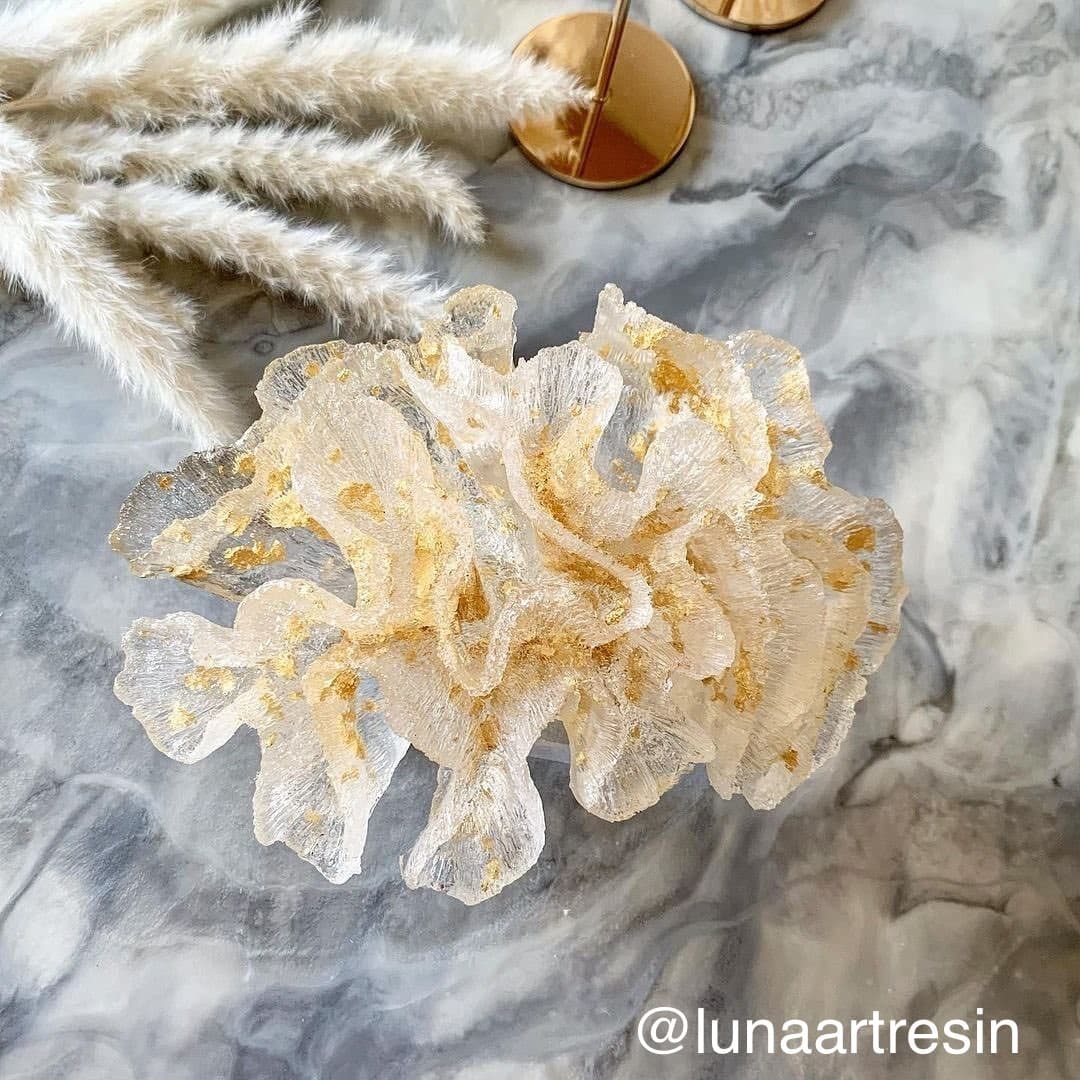
- "Liquidissima" – Epoxy Resin For Creations & JewelleryPrice range: £12.85 through £31.85"Liquidissima" epoxy resin offers high transparency and a self-levelling finish, suitable for artists creating intricate and detailed jewellery.
- Pure Isopropyl Alcohol 99.9% – 1000ml Bottle for Epoxy Resin Projects & DIYPrice range: £10.45 through £20.95Pure Isopropyl Alcohol 99.9% in 1000ml is suitable for epoxy resin projects and cleaning, aiding bubble removal and artistic resin effects.
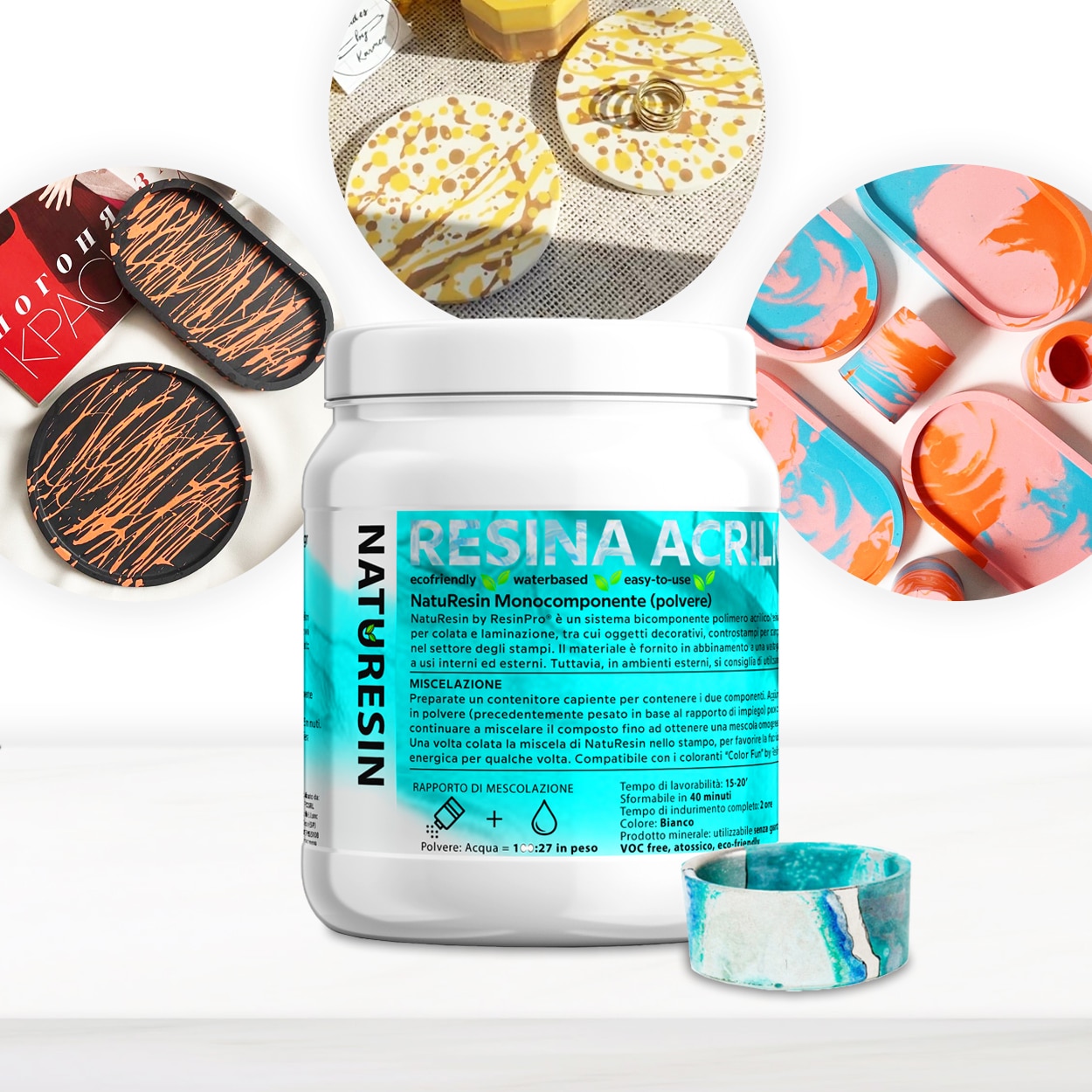 “NatuResin” – Mineral Resin & Water System for Creative Casting and CraftsPrice range: £18.95 through £104.95NatuResin is a water-activated mineral resin designed for safe and eco-friendly creative casting projects.
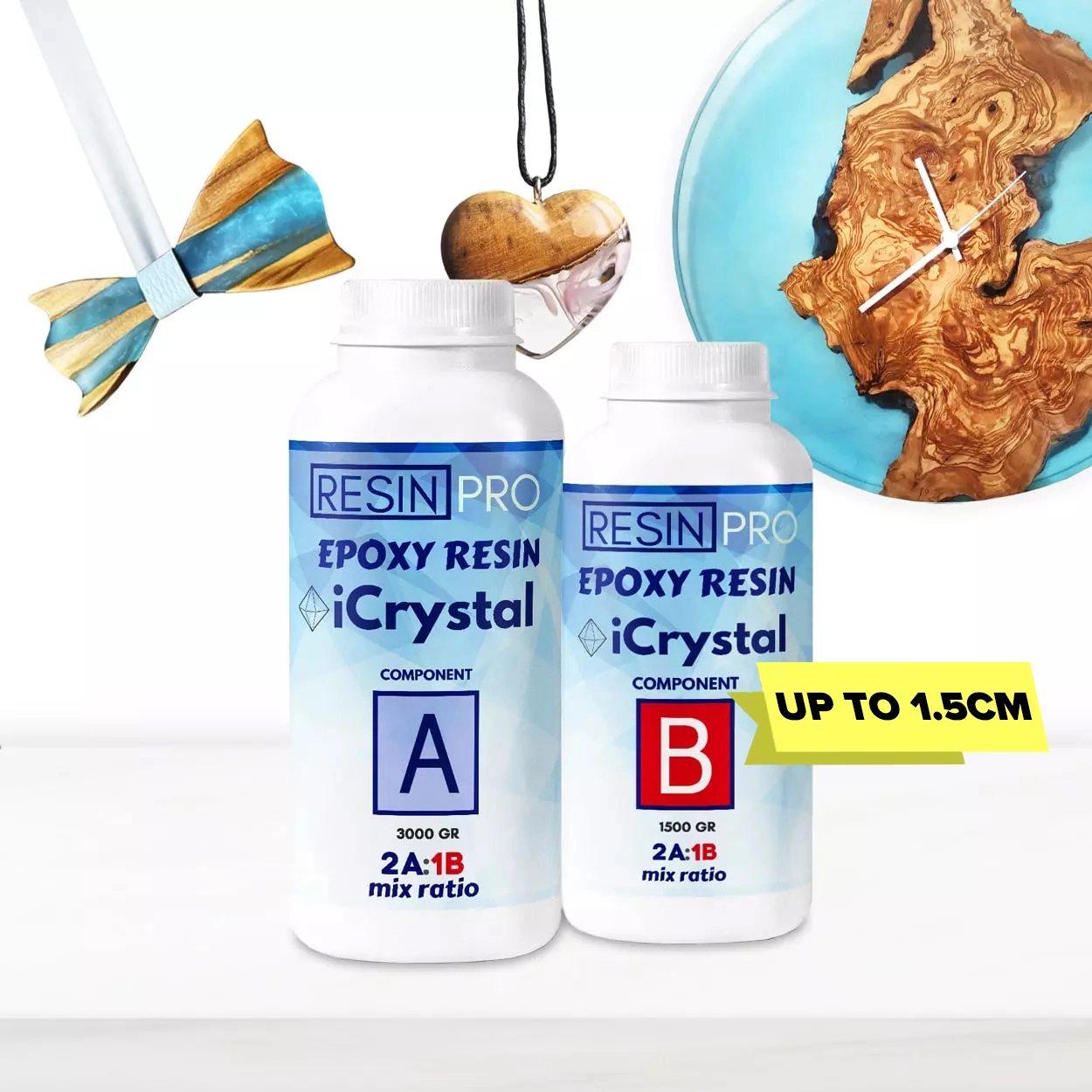 "Icrystal" – Clear Epoxy Resin – Odourless Formula – Up to 1.5cmPrice range: £12.45 through £341.45"Icrystal" transparent epoxy resin is suitable for creating clear, scratch-resistant surfaces with an odourless formula for various craft and surface…
Frequently Asked Questions
Can ethanol be used instead of isopropyl alcohol?
Yes, ethanol is also effective for extracting plant resin, but always use food-grade or lab-grade options and follow local regulations.
How long does it take for the solvent to evaporate when extracting hemp resin?
Depending on room conditions, full evaporation can take several hours to a full day or more. Good ventilation speeds up the process.
Can I use fresh hemp plants for resin extraction?
Dried hemp is generally preferred because it produces purer resin and better solvent contact, but freshly harvested can also be used with care.
Is hemp resin suitable for making jewellery?
Hemp resin can be used in creative jewellery or crafting when properly purified and combined with suitable binders or casting materials.
Do I need to wear gloves and goggles during extraction?
Yes, protective gloves and goggles are recommended for all solvent-based extraction to ensure safety during handling.
What mistakes should I avoid when obtaining hemp resin?
Avoid using low-purity solvents, over-processing the material, or exposing the resin solution to heat or open flames.