 Free shipping on orders over £29,85
  Shipping Tracking!


 Google
 Facebook
How is resin applied to walls?
Step-by-step wall resin application for durable, stunning results
Applying resin to walls allows you to create a durable, waterproof, and highly decorative finish, transforming ordinary surfaces into stunning features. Whether you want to revitalise residential interiors, add a creative touch to commercial spaces, or simply need an easy-to-clean coating for high-moisture areas, learning the correct application technique ensures a successful and long-lasting result.
What You’ll Need
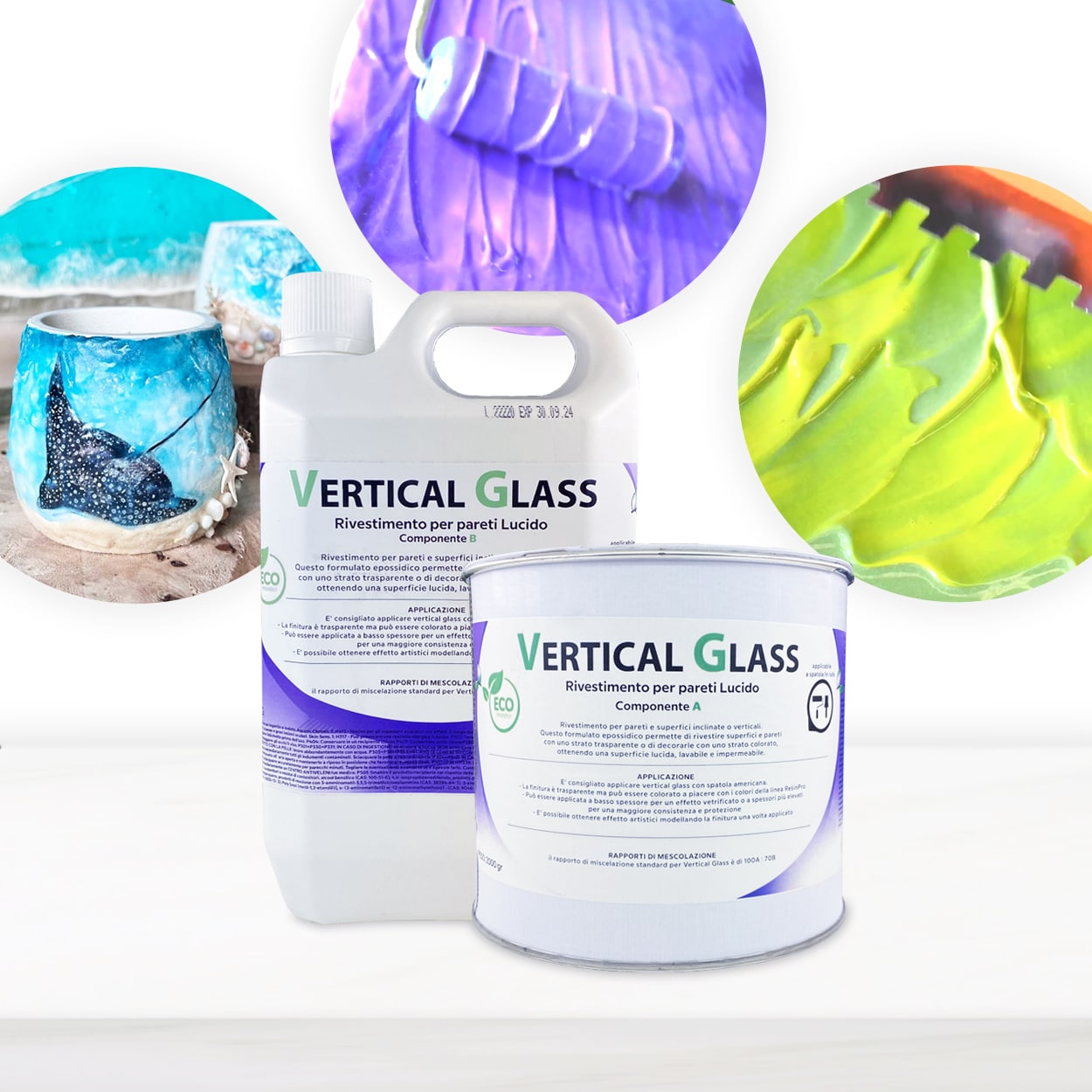
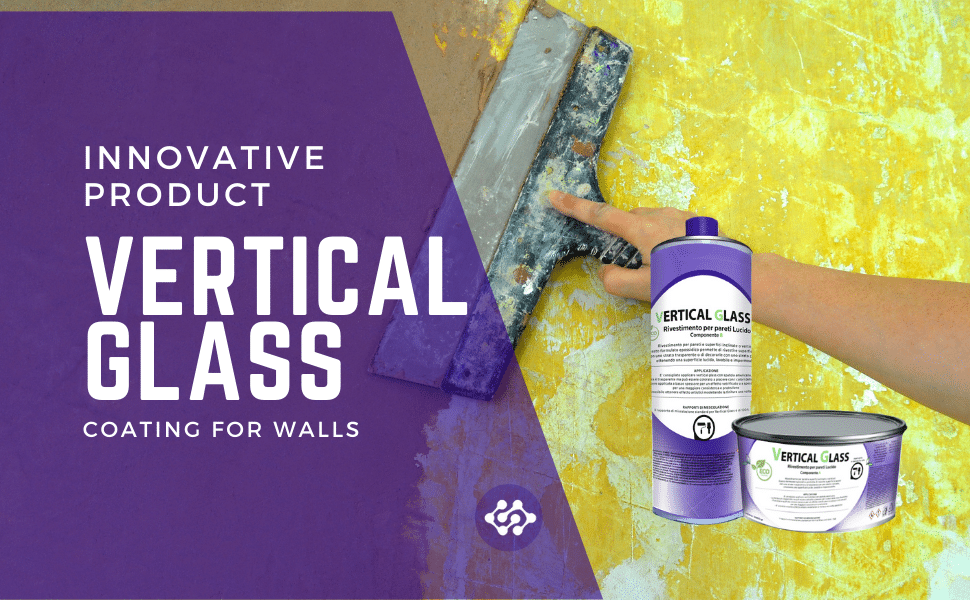
- “Vertical Glass” – Thick Resin Decorative Wall Coating – Ideal for decorative, waterproof protection on vertical and sloping surfaces.
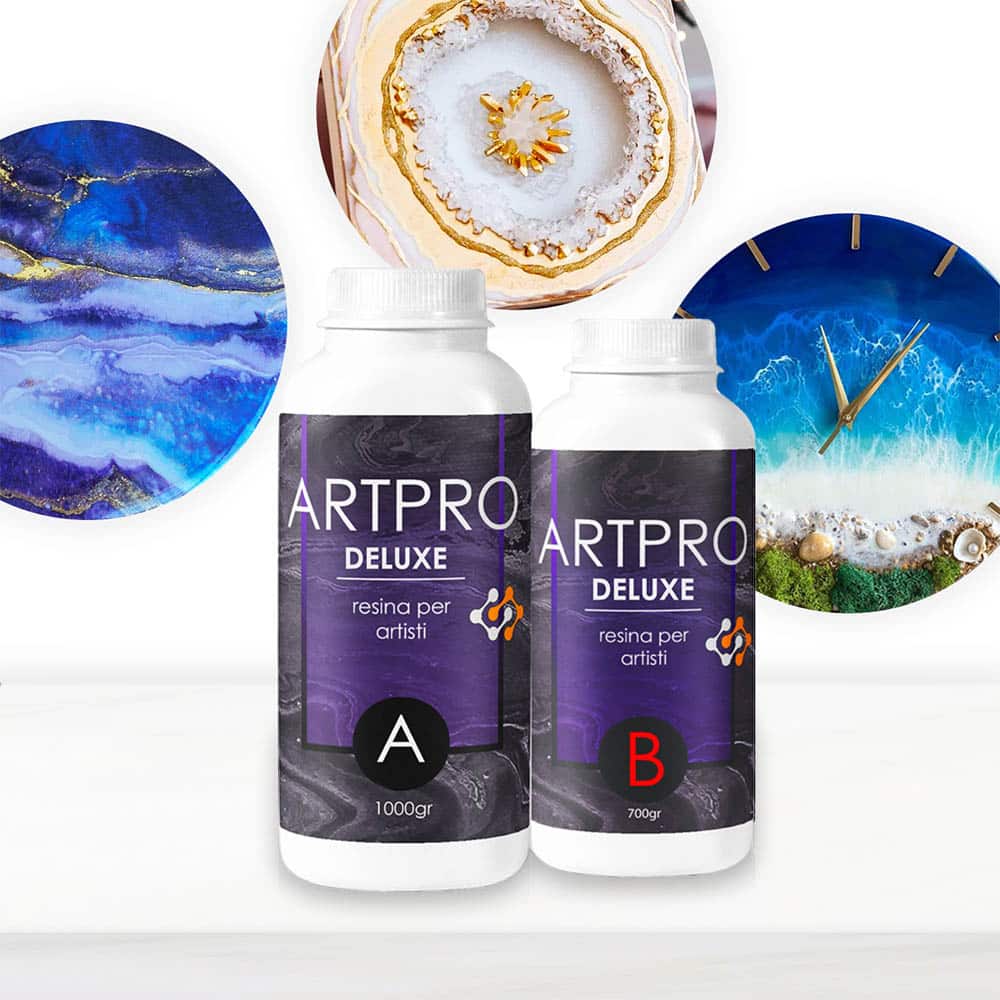
- “Art Pro Deluxe” – Ultra-High Viscosity Epoxy Resin for Artists – Suitable for artistic, precise resin finishes or creative panels.
- “Epoxyprimer” – Universal Water-Based Two-Component Epoxy Floor Primer – Recommended for priming absorbent or complicated substrates before resin application.
- Resin & Paint Application Rollers – Short-Pile, Large, and Sponge Types – Select depending on your project area and desired effect.
Getting Ready for Resin Wall Coating
Prepare your workspace before starting by assembling all your tools and laying down coverings for floors and furniture. This makes the process smooth and protects valued surroundings while you work on your walls. Preparation is the key to a flawless resin finish.
Step 1: Prepare the Wall Surface
For a flawless finish, your surface must be clean, dry, and structurally sound. Remove grease, dust, flaking paint, or wallpaper. Patch holes and sand rough spots if necessary. On highly absorbent or porous walls (such as bare plaster, cement, or raw brick), applying a primer like “Epoxyprimer” helps ensure maximum adhesion and a longer-lasting result. Allow the primer to cure fully as per product instructions before proceeding.
Step 2: Mask and Protect Surroundings
Resin can be difficult to remove once cured, so carefully mask adjacent surfaces, floors, and any features you need to keep clean. Use painter’s tape, polythene sheets, or specialist masking film. This preparation saves clean-up time and keeps edges sharp on your finished wall.
Step 3: Mix and Tint the Resin
Following your chosen product’s mixing ratio, combine the resin and hardener thoroughly. If a decorative effect is desired, now is the time to add pigments or colourants approved for resin, blending them well for uniformity or marbling as you wish. Work steadily and avoid incorporating air bubbles. For vertical wall applications, products such as “Vertical Glass” – Thick Resin Decorative Wall Coating offer enough viscosity to maintain detail without unwanted drips.
Step 4: Apply the Resin to the Wall
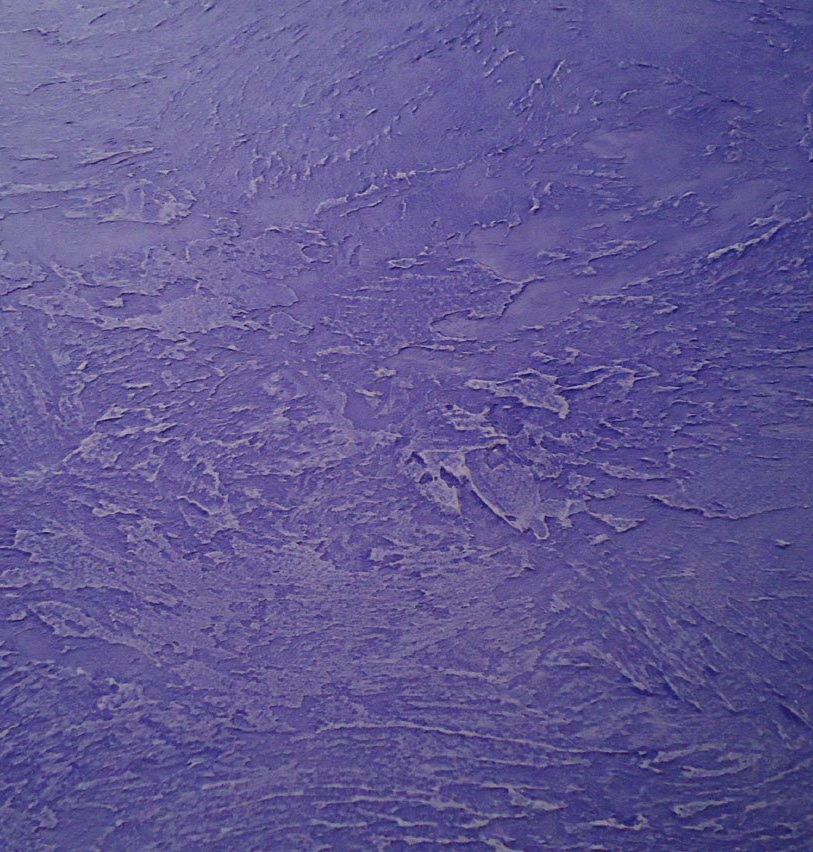
Pour or scoop a manageable amount of prepared resin onto your wall section, then use your application tool of choice. For smooth modern finishes, short-pile or sponge Resin & Paint Application Rollers help spread resin thinly and evenly. For artistic texturing or when working with sloped surfaces, opt for a spatula or trowel. Apply thin coats, working in overlapping strokes from the bottom upward to prevent sags. For creative projects, high-viscosity options like “Art Pro Deluxe” allow precise patterning or effects.

Step 5: Cure, Finishing, and Cleaning
Leave the coated wall undisturbed while the resin cures as specified by the manufacturer—typically 24 to 48 hours. Maintain dust- and draught-free conditions for the glossiest possible results. Once cured, decorative resins like “Vertical Glass” can be sanded to a satin finish if desired. Remove all masking and clean your tools with appropriate solvents or soapy water before resin hardens.
Tips, Common Mistakes, and Troubleshooting
Thorough surface preparation is essential: Skipping proper cleaning or patching can cause resin delamination or unevenness. Choose the right resin for your requirements: High-viscosity formulas prevent drip on verticals, while self-levelling versions are suited for flat work. Take your time for even application—work in sections and avoid overworking the surface. Avoid excess product on each coat to reduce runs. If you spot pinholes, air bubbles, or missed spots after curing, light sanding and an extra thin coat are the preferred remedies.
Achieving a Flawless Decorative Wall Finish
For bold creative effects, experiment with tints, pigments, or layering techniques. Always conduct a small test area before committing to a full wall, especially with new combinations or colourants. The most striking results come from careful artistry and attention to detail.
- "Vertical Glass" – Thick Resin Decorative Wall CoatingPrice range: £78.95 through £188.95"Vertical Glass" offers a customisable, waterproof epoxy resin finish suitable for vertical and sloping indoor surfaces in line with the theme of…
- "Art Pro Deluxe" – Ultra-High Viscosity Epoxy Resin for ArtistsPrice range: £35.95 through £302.45"Art Pro Deluxe" epoxy resin offers very high viscosity for precise control and a clear, scratch-resistant finish. Suitable for artistic resin…
 Resin & Paint Application Rollers – Short-Pile, Large, and Sponge TypesPrice range: £3.62 through £5.09Rollers designed for epoxy resin applications help achieve precise and uniform results on resin surfaces, suitable for walls and floors.
 "Epoxyprimer" – Universal Water-Based Two-Component Epoxy Floor PrimerPrice range: £156.45 through £286.45Epoxyprimer is a water-based epoxy floor primer suitable for various surfaces and designed for durable adhesion.
Frequently Asked Questions
Can I apply resin to bathroom walls?
Yes, resin coatings are waterproof and easy to clean, making them suitable for high-moisture areas like bathrooms.
How should I prepare the wall before applying resin?
Surfaces should be clean, dry, stable, and dust-free. Priming is strongly recommended for porous or absorbent materials.
Which tools are best for applying resin to walls?
Use a short-pile or sponge roller for smooth finishes, or a spatula for textured and creative effects.
Can I tint or colour the resin for walls?
Yes, you can add pigments or metallics to create customised effects. Always mix thoroughly for consistency.
How do I fix runs or drips in my resin wall finish?
Allow the resin to cure fully, then sand the area smooth and apply a thin additional coat if needed.
Is a special primer needed before resin application?
On porous or unstable surfaces, an epoxy primer is recommended to promote adhesion and prevent absorption.