 Free shipping on orders over £29,85
  Shipping Tracking!


 Google
 Facebook
How is the resin frame of mirrors made?
Step-by-step guide to crafting decorative epoxy mirror frames
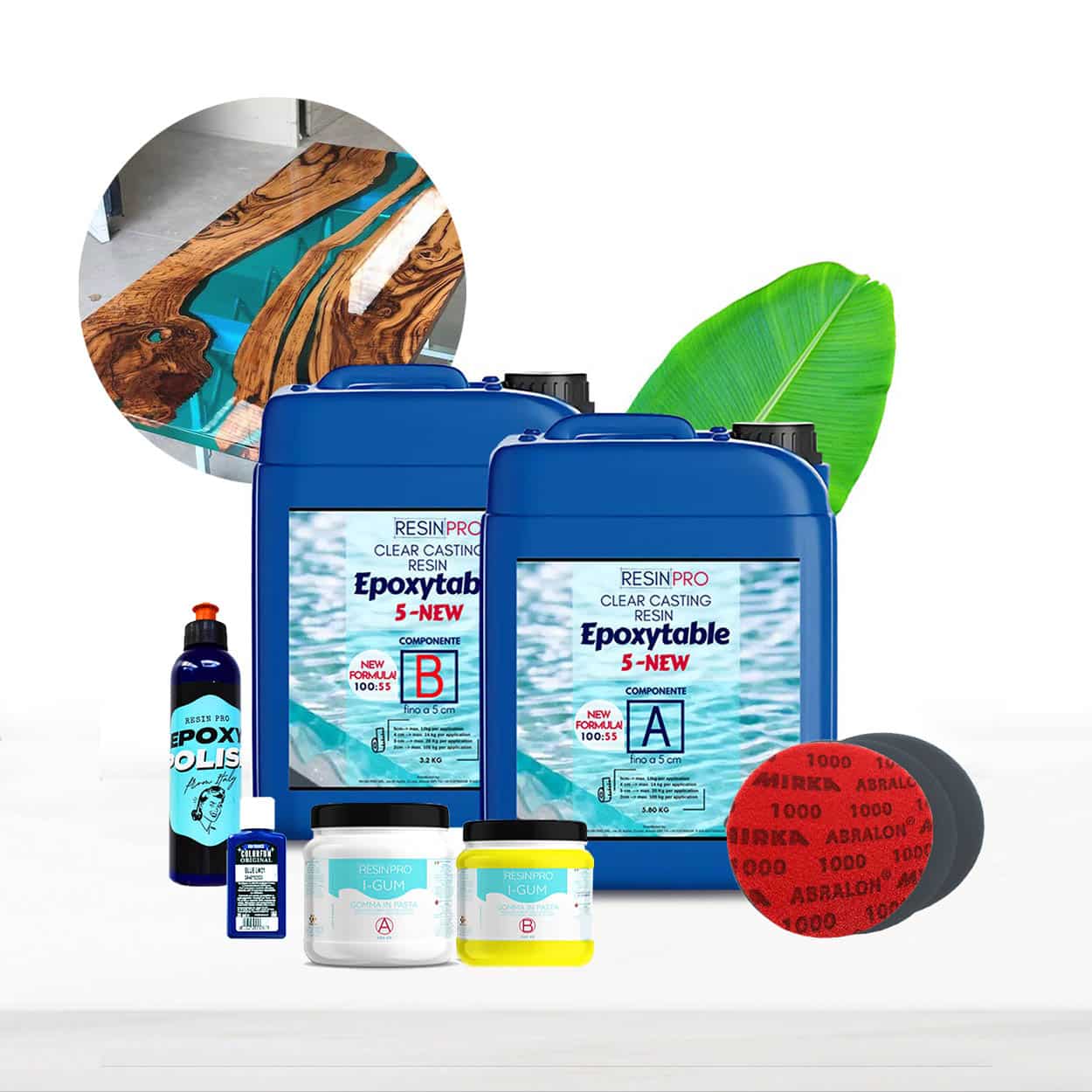
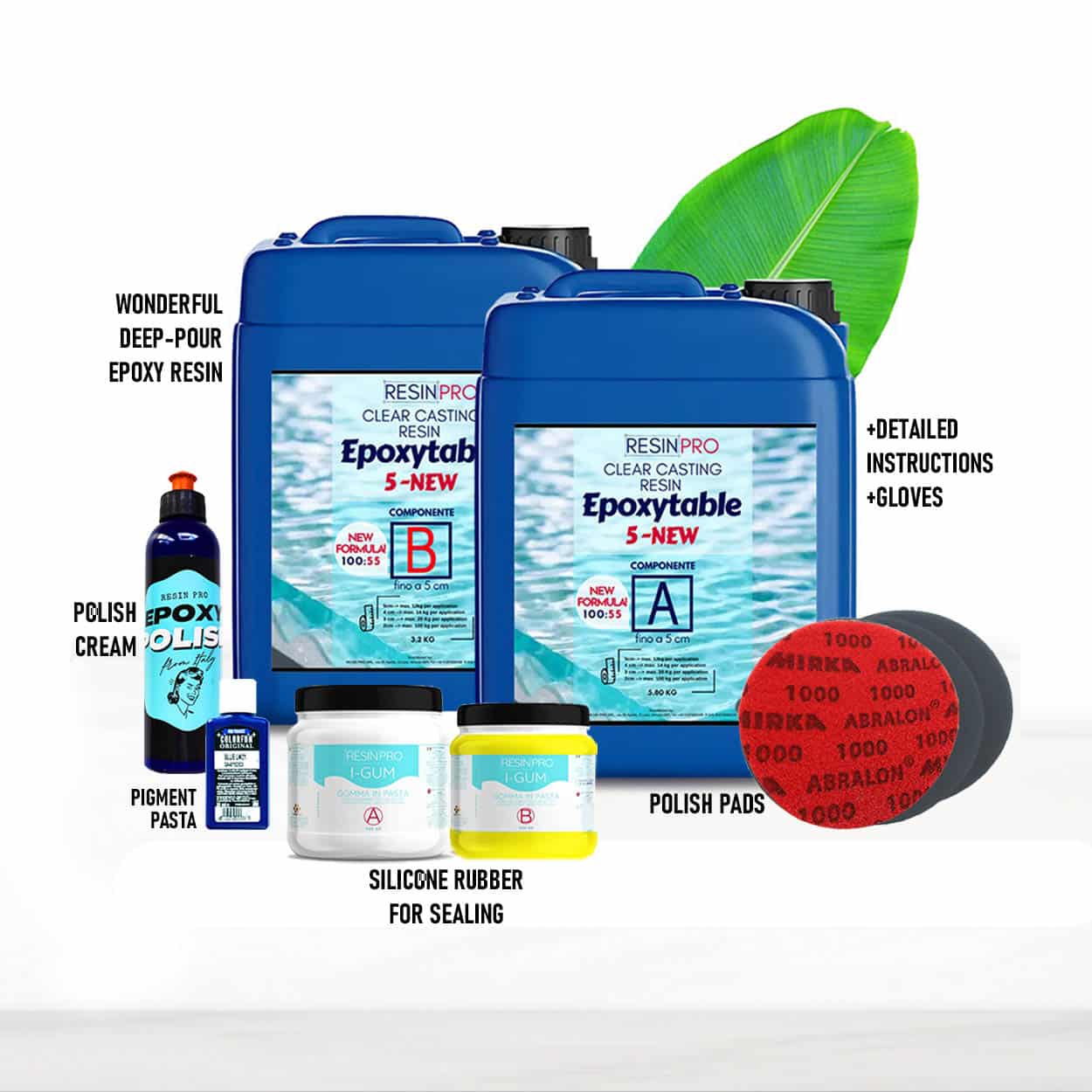
Creating a resin frame for a mirror is a beautiful way to add a bespoke, modern touch to any space. This guide will walk you through the entire process, from preparing your setup to pouring and finishing your resin frame, ensuring excellent results whether you are a beginner or an experienced crafter. Follow these steps for a stunning, professional-quality mirror frame using epoxy resin.
What You’ll Need
- “Trasparente” – Multipurpose Clear Epoxy Resin for Casting – Up to 2cm: Ideal for thin, highly detailed frames or coatings.
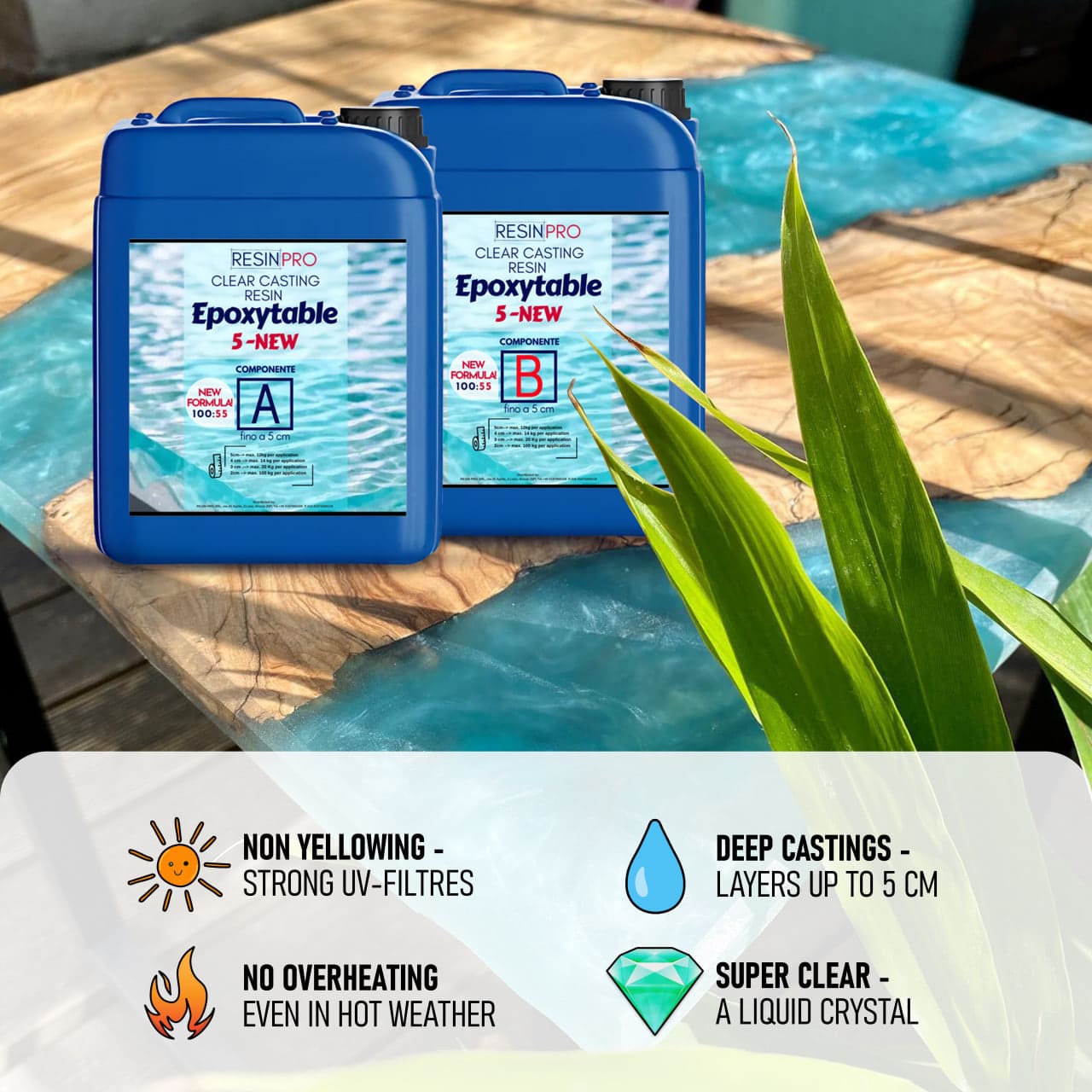
- “EpoxyTable 5-Five” – Deep Pour Epoxy Resin for Tables and Large Projects – Up to 5cm: Suitable for casting thicker, more robust frame designs.
- “Epoxytable 10-Ten” – Deep Pour Epoxy Resin for Tables, Up to 10cm Casting: For very deep, substantial artistic frames.
- Mould or formwork (appropriate to mirror size/shape)
- Mixing cups, gloves, and stirring sticks
- Pigments or decorative inclusions (optional)
- Mirror to fit in your frame
- Sanding paper and finishing supplies

Visual Inspiration: Mirror Frames with Epoxy Resin
See a range of completed resin mirror frames featuring colour effects, embedded decorative accents and natural wood integration. These images demonstrate the variety achievable with clear or tinted resin frames on mirrors, showing both simple and complex styles for your project inspiration.
Step 1: Prepare the Work Area and Mould
Always check that your work area is clean, well-ventilated, and level. Place protective covering on your workspace and identify a dust-free zone for the piece to cure undisturbed. Position your mould or construct formwork to match the size and contour you want for your mirror frame; silicone or plastic works best to allow easy release after curing. Ensure all edges are sealed tightly to prevent leakage.
If using a complete kit, such as the “River-Table” – Complete Kit for Creating Your First Epoxy Resin Table, you’ll have access to sealant and release film that simplifies this stage for beginners.
Step 2: Measure and Mix Your Resin
Resin measurement and mixing is a crucial step for a clear, bubble-free finish. Accurately measure and mix your resin and hardener to manufacturer’s instructions. For detailed, shallow frames (up to 2cm), “Trasparente” – Multipurpose Clear Epoxy Resin is ideal. Thicker or sculptural frames may require “EpoxyTable 5-Five” or “Epoxytable 10-Ten” resins for pours up to 5–10cm.
Mix slowly and thoroughly to blend the resin and hardener, and to minimise air bubbles.
Step 3: Pour the Resin Frame
Once mixed, pour the resin carefully into your prepared mould, moving in a continuous flow for even coverage. If you wish to add colours or effects, blend pigments into the resin before pouring. Patience is critical for a flawless finish; allow proper curing before demoulding.
If creating a frame thicker than the recommended depth for your chosen resin, cast in multiple layers, letting each set as directed. Tap the mould gently or use a heat gun briefly to help bubbles rise and burst at the surface.
Step 4: Demould and Finish Your Resin Frame
Wait for the full curing period before attempting to remove the frame from the mould. Gently flex the mould or formwork to release the piece. Minor imperfections or sharp edges can be sanded down for safety and aesthetics. Light sanding between coats can yield ultra-smooth frames. For a professional finish, polish the resin to restore shine or apply a final thin coat of resin as a gloss topcoat.

Tips, Mistakes, and Troubleshooting
Never exceed the maximum recommended pour thickness. Pours that are too deep can overheat and yield cloudy or yellowed results. Work in a stable, dust-free environment to avoid surface flaws. Test colours and inclusions in a small batch if trying new effects. Always wear gloves and operate in a ventilated space to maintain safety. If bubbles persist, allow the resin to settle longer or try pouring in thinner layers for best clarity.
Technique Close-ups: Pouring and Finishing
Inspect the finishing touches—from demoulding to sanding and polishing. Detailed close-ups reveal the clarity, smoothness and edge quality you can expect when following the proper resin frame process for mirrors.

- "River-Table" – Complete Kit for Creating Your First Epoxy Resin TablePrice range: £188.85 through £444.85This kit provides materials and instructions for creating a wood and resin table using epoxy resin in a craft context.
 "EpoxyTable 5-Five" – Deep Pour Epoxy Resin for Tables and Large Projects – Up to 5cmPrice range: £16.85 through £1,099.85"EpoxyTable 5-Five" is designed for deep pour projects such as tables and large items, offering a clear, bubble-free finish with UV resistance.
 “Epoxytable 10-Ten” – Deep Pour Epoxy Resin for Tables, Up to 10cm CastingPrice range: £33.85 through £334.85“Epoxytable 10-Ten” is designed for deep pours up to 10cm, suitable for tables and artistic projects under the theme How is the resin frame of…
 "Trasparente" – Multipurpose Clear Epoxy Resin for Casting – Up to 2cmPrice range: £8.45 through £948.85This ultra-clear multipurpose casting epoxy resin is suitable for detailed projects and offers a self-levelling, glossy finish up to 2 cm thickness.
Frequently Asked Questions
Which resin should I use for my mirror frame?
For thin or detailed frames, use "Trasparente". For thicker frames, "EpoxyTable 5-Five" (up to 5cm) or “Epoxytable 10-Ten” (up to 10cm) are suitable choices.
How do I prevent my resin frame from yellowing?
Use resins with integrated UV filters, such as the listed epoxy products, and avoid prolonged direct sunlight exposure.
Is mould release necessary for resin mirror frames?
For easy demoulding, use a suitable release agent or silicone-based mould. Some kits may include release film for this purpose.
Can I add colours or objects to my resin frame?
Yes, you can incorporate pigments, dyes, or small objects, but test compatibility and clarity with a sample batch first.
What if bubbles appear in the resin mirror frame?
Detach bubbles by gently warming the resin surface with a heat gun. Pouring in thin layers also helps reduce trapped air.
How long should I wait before demoulding?
Wait the full curing time recommended by your chosen resin—usually between 24–72 hours before handling or finishing.