 Free shipping on orders over £29,85
  Shipping Tracking!


 Google
 Facebook
← Back to How to spread GLS 50 silicone rubber?
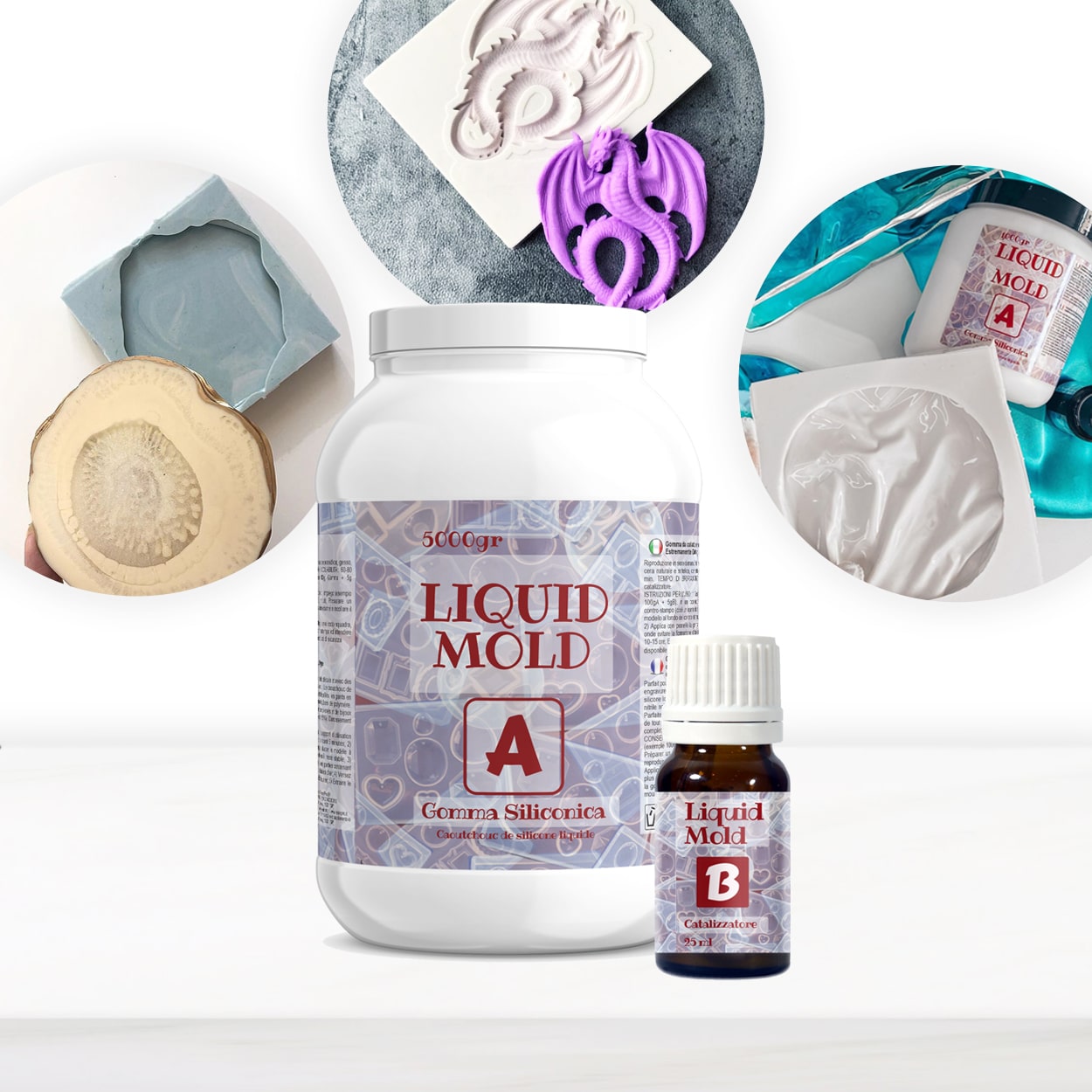
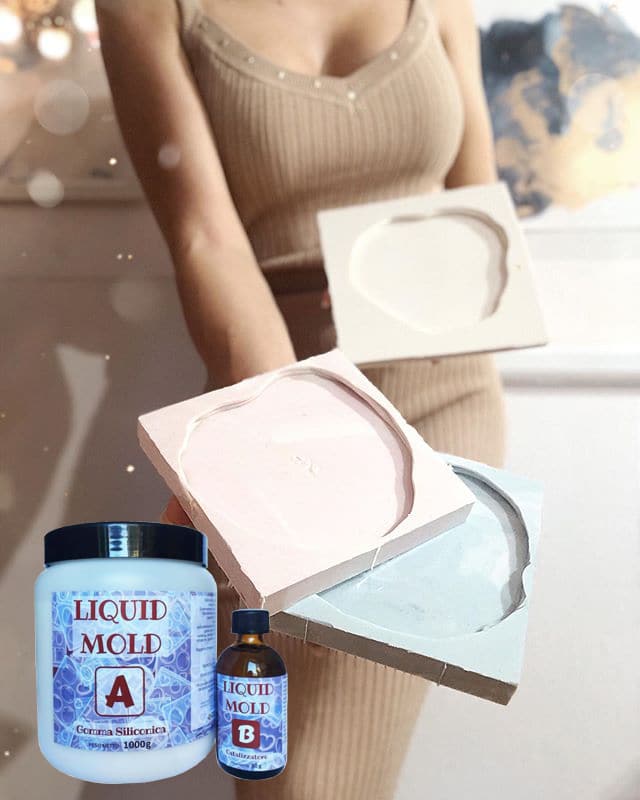
If you’re using GLS 50 or similar silicone rubbers for mould making, knowing the typical cure time is crucial for planning your project and achieving high-quality results.
What Is the Typical Cure Time?
GLS 50 silicone rubber typically sets within 3 to 12 hours, depending on the specific product variant and the ambient temperature. Warmer temperatures help the rubber cure faster, while cooler environments may extend the process. For best results, always refer to the guidance supplied with your particular silicone kit and prepare your workspace accordingly.

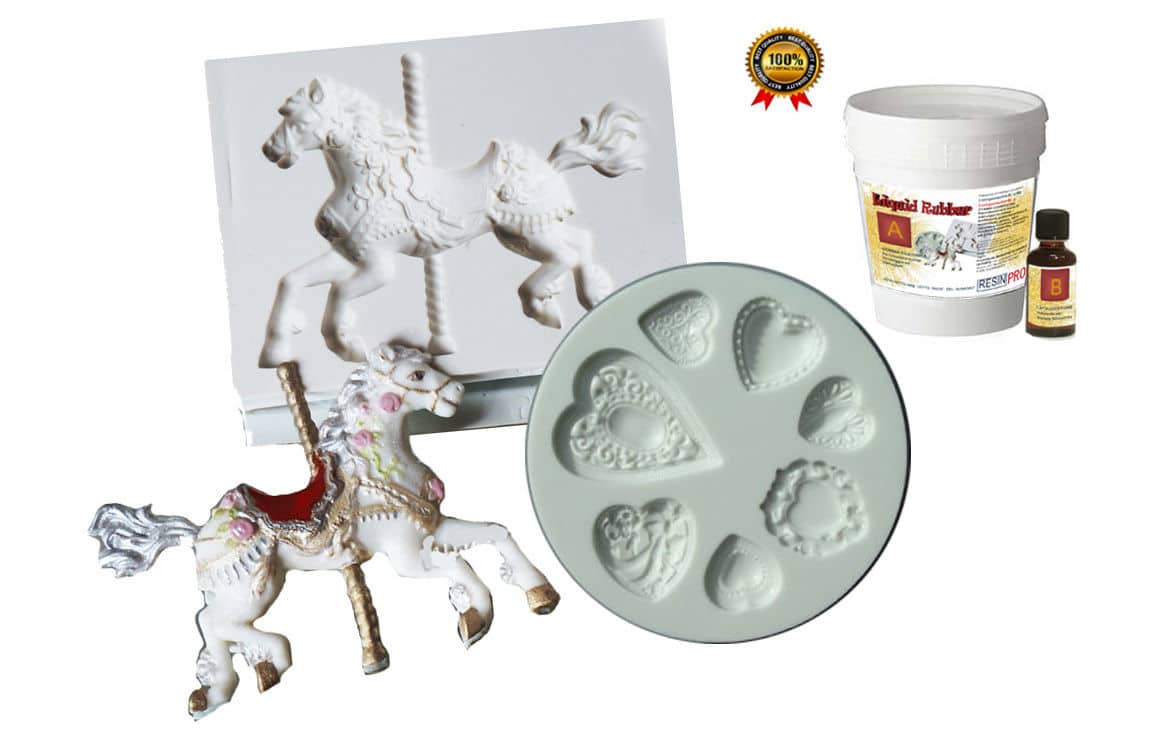
Factors Affecting Setting Time
Several factors can influence how quickly your silicone rubber cures:
- Temperature: Higher room temperatures can speed up curing but try not to exceed what’s recommended by the manufacturer.
- Mix Ratio: Precise mixing of components A and B is key. Inaccurate ratios can delay or hinder curing.
- Thickness of Pour: Thicker castings may take a bit longer, while thin layers often cure more quickly.
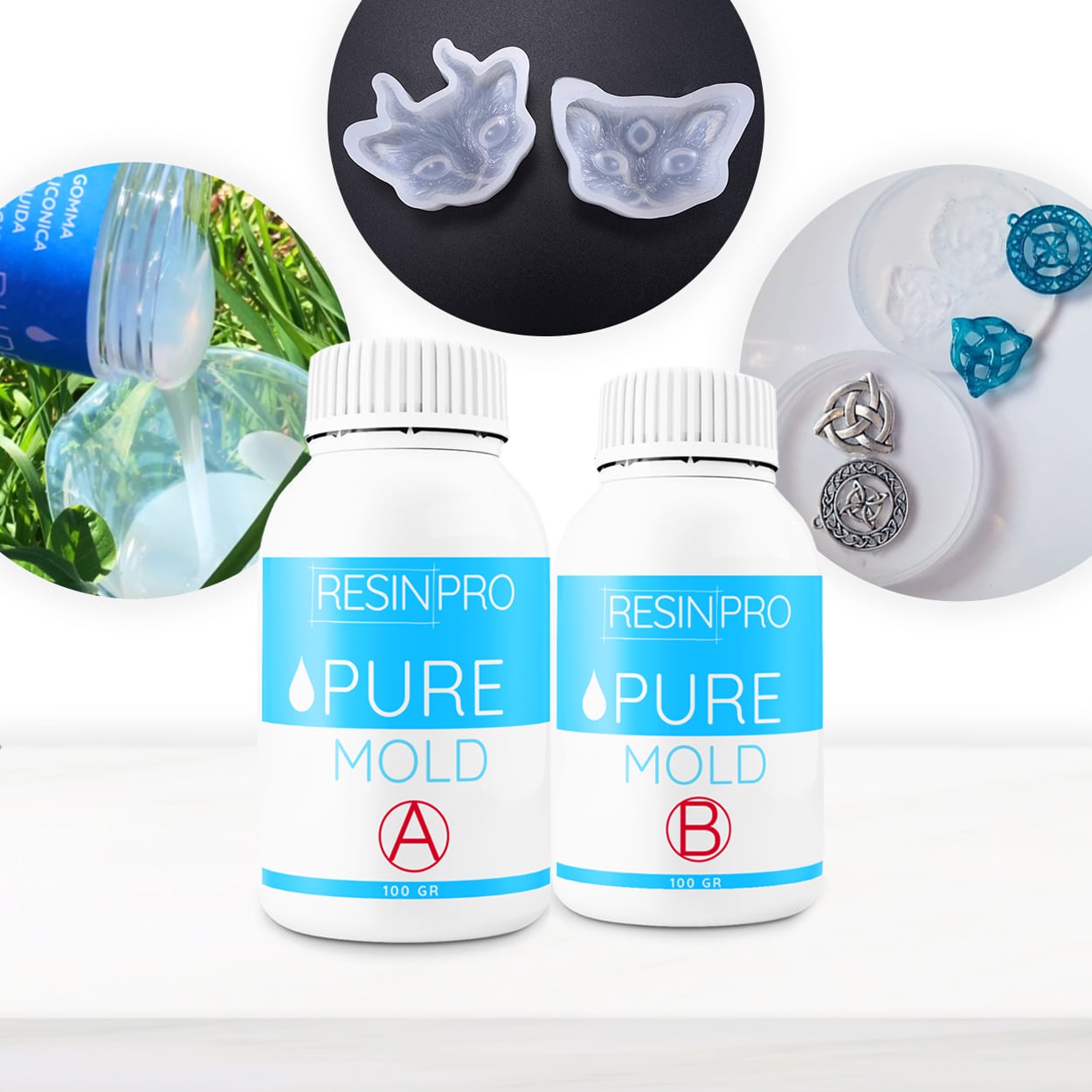
If you need a faster turnaround, products such as the “Pure Mould” – Translucent Liquid Silicone Rubber for Mould Making offer faster curing times within a similar range.
Practical Tips for Successful Curing
- Allow the mould to remain undisturbed during the entire set period.
- If you’re working in cooler conditions, consider gently raising the temperature or pick a warmer day to mix and pour.
- Ensure good ventilation for even curing across the whole mould.
When This Matters
Cure time is particularly important when making multiple moulds or planning a production schedule. Quick-setting silicone is ideal when time is limited, while standard formulas are fine for leisurely, one-off projects.
Related products
Related guides
Understanding how long GLS 50 silicone rubber takes to cure helps you manage your mould making efficiently. For more tips and best practices, return to our guide on how to spread GLS 50 silicone rubber.