 Free shipping on orders over £29,85
  Shipping Tracking!


 Google
 Facebook
How long does resin take to cure?
Understand resin cure times for faster, reliable results
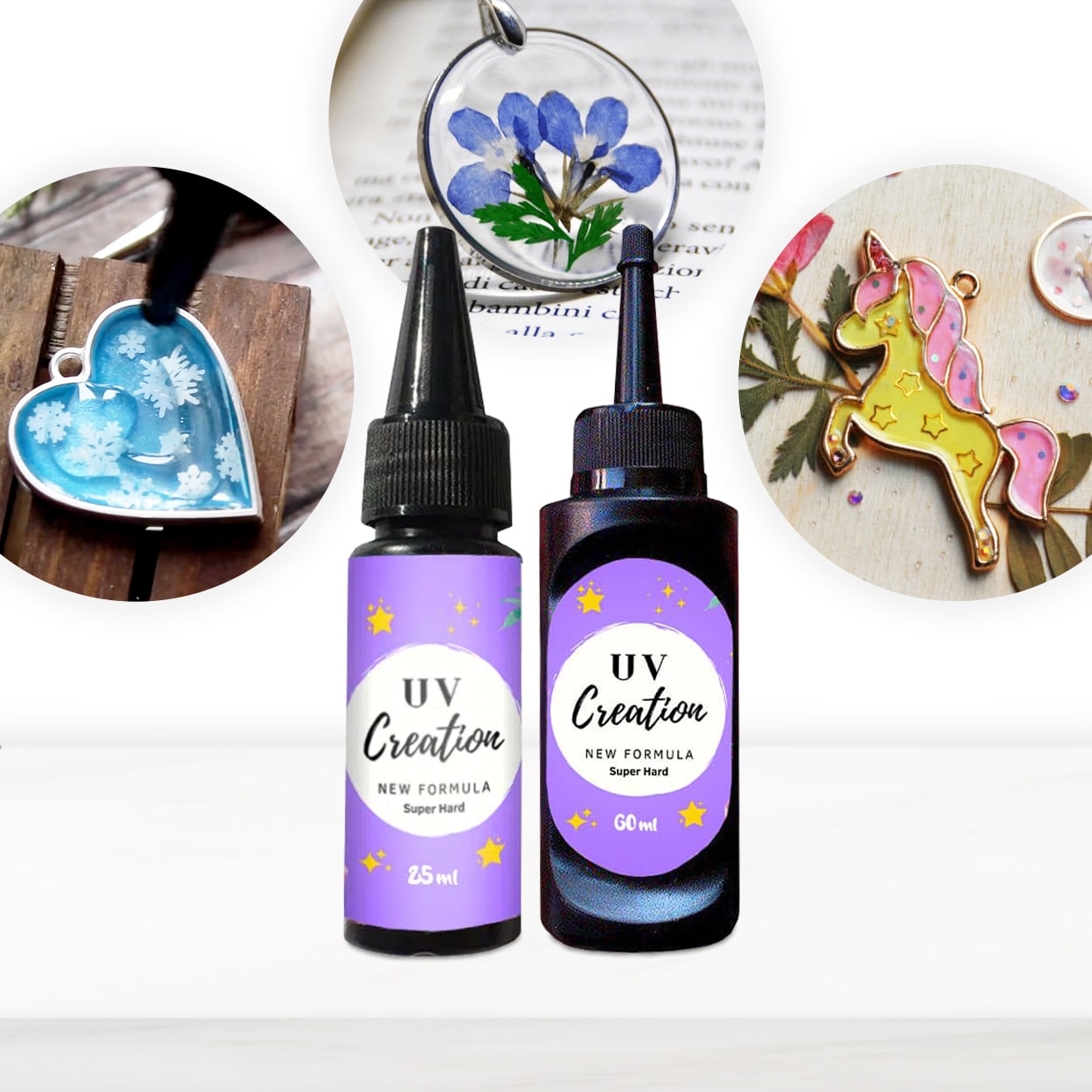
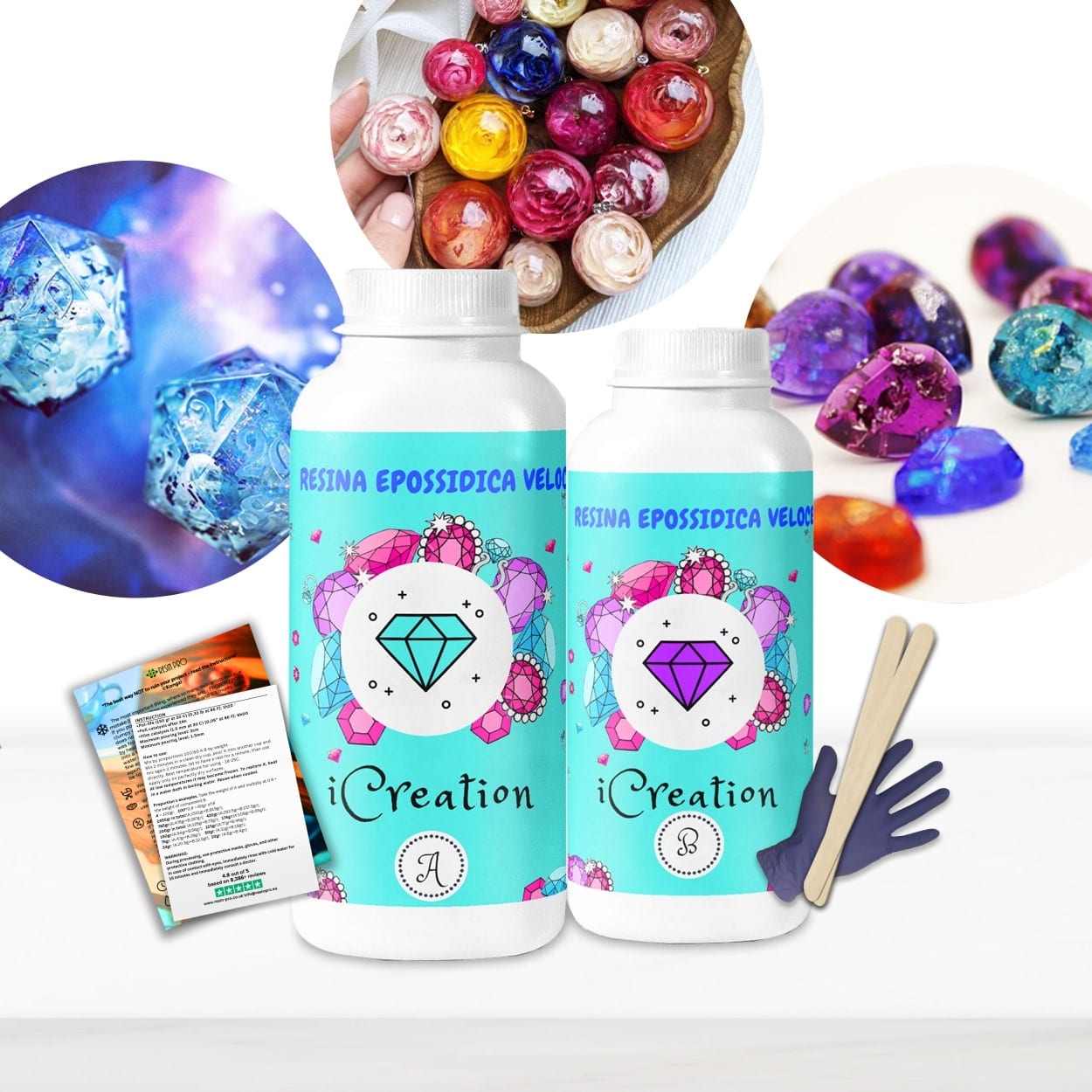
Understanding how long resin takes to cure is crucial for crafters, artists, and makers who value efficiency and project timing. This guide compares typical cure times for popular resin types, helping you choose the right product whether you need an instant finish, want to demould quickly, or require a beautiful, flawless cure for creative or professional work.
Resin Cure Times: Key Differences at a Glance
Resin cure times vary dramatically depending on formulation and use case. UV resins can harden in as little as two to three minutes under a UV lamp, making them ideal for urgent projects or layered jewellery. By contrast, fast-curing epoxy resins are engineered for demoulding within 6–10 hours, offering a significant time advantage over conventional epoxies, which may take 24–48 hours. When selecting your resin, always consider project speed, heat requirements, and maximum layer thickness to ensure optimal results.
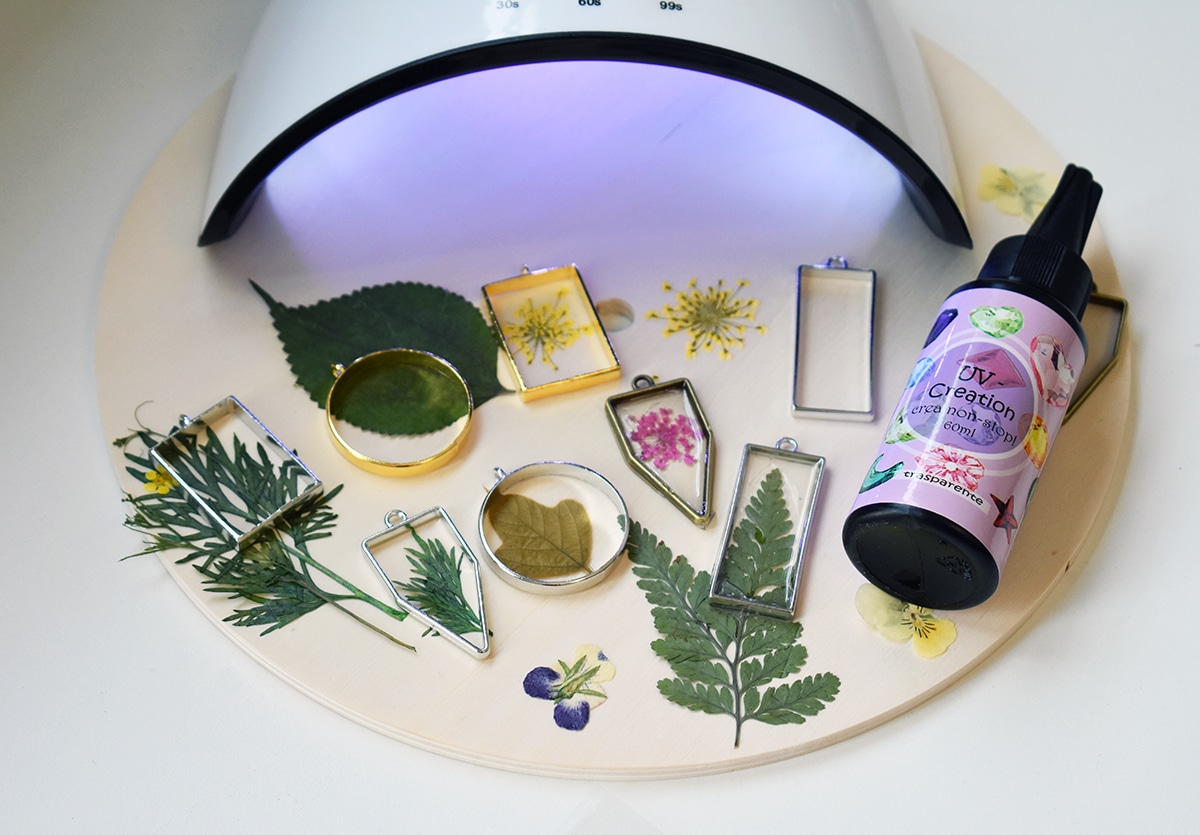
Resin Curing in Action
See the difference in cure times between UV, rapid, and standard epoxies—perfect for planning jewellery pieces or larger art pours. Each solution offers specific benefits depending on your timeline and layer thickness.
“UV–Creation” – Fast Acrylic Resin, 3 Minute UV Cure
For rapid projects needing an almost instant finish, “UV–Creation” – Fast Acrylic Resin, 3 Minute UV Cure is unrivalled. This ready-to-use UV resin hardens in a lightning-fast 2–3 minutes under a proper UV lamp, making it a favourite for jewellery making and quick repairs. Its single-component formula means there’s no mixing required—just apply and cure, giving you a crystal-clear, glossy result that stays non-yellowing and durable over time. Best suited for projects where speed is vital and layers are thin (up to 3 mm per cure).
“ICreation” – Fast Epoxy Resin, 6h Demoulding, Transparent Gloss Finish
Crafters and artists needing high clarity and a smooth surface but with the speed of fast unmoulding find the “ICreation” – Fast Epoxy Resin ideal. This two-part system offers a 6-hour demoulding time and full cure at 12 hours, striking a balance between rapid results and the durable, bubble-free finish that epoxy is known for. The 2:1 mixing ratio is easy to use, and the UV filter helps fight yellowing, making it perfect for jewellery pieces, coasters, or functional art with a clear, glossy finish.
“Icrystal” – Clear Epoxy Resin – Odourless Formula – Up to 1.5cm
When working on demanding projects like tables, countertops or larger art pours, cure time must balance with quality and thickness. “Icrystal” – Clear Epoxy Resin is especially designed for bulk pours up to 1.5 cm per layer, with a demould window around 10 hours and full cure in about 24 hours. The odourless, scratch-resistant nature and UV stability make “Icrystal” a preferred choice for furniture makers and anyone requiring a tough, crystal-clear layer. It’s cruelty free and vegan friendly, suitable for home and professional studios.
“Art Pro Deluxe” – Ultra-High Viscosity Epoxy Resin for Artists
Artists seeking maximum control during pouring, especially for resin art, geode patterns and detailed work, will value the “Art Pro Deluxe” – Ultra-High Viscosity Epoxy Resin. This formulation delivers precise lines thanks to its very high viscosity, with demoulding in 10–12 hours and a 24–48 hour full cure. It features superior scratch resistance, a ten-year anti-yellowing warranty, and is safe and solvent-free—making it a staple for artistic applications that demand performance as well as clarity.
Factors Affecting Resin Cure Time
Several variables can influence how long resin takes to cure, regardless of the product selected. Temperature, humidity, and even airflow can speed up or slow down the process. Always follow manufacturer guidelines for working temperatures and mix ratios, and remember thicker pours can increase cure time or generate extra heat. When in doubt, opt for multiple thinner layers rather than one thick one, especially for deep pours or intricate designs. With the right resin and proper preparation, you’ll achieve reliable, outstanding results every time.
Expert Tips for Faster Curing
Maximise your efficiency by working at recommended temperatures and mixing carefully. Always use proper safety gear and plan for ventilation, especially with epoxies, to ensure both speed and quality in your finished projects.

- "UV–Creation" – Fast Acrylic Resin, 3 Minute UV CurePrice range: £8.45 through £62.95UV–Creation is a UV curing resin designed for jewellery makers and crafters, curing in 2 to 3 minutes with a clear, glossy finish.
- "ICreation" – Fast Epoxy Resin, 6h Demoulding, Transparent Gloss FinishPrice range: £15.95 through £55.95ICREATION fast epoxy resin provides a clear, glossy finish with a 6-hour demoulding time, suitable for jewellery and craft projects.
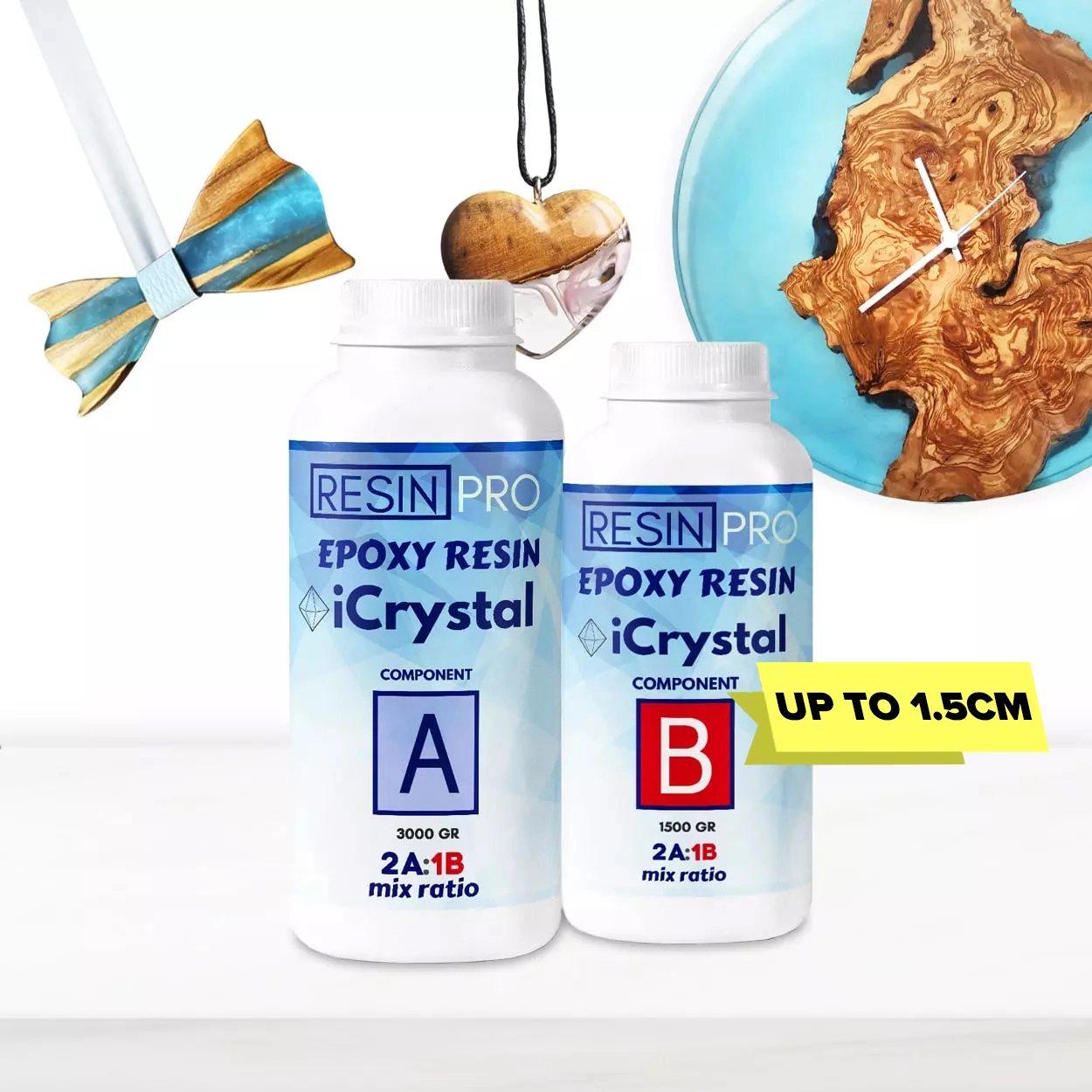 "Icrystal" – Clear Epoxy Resin – Odourless Formula – Up to 1.5cmPrice range: £12.45 through £341.45"Icrystal" clear epoxy resin offers a high-gloss, odourless finish suitable for transparent coatings and craft projects.
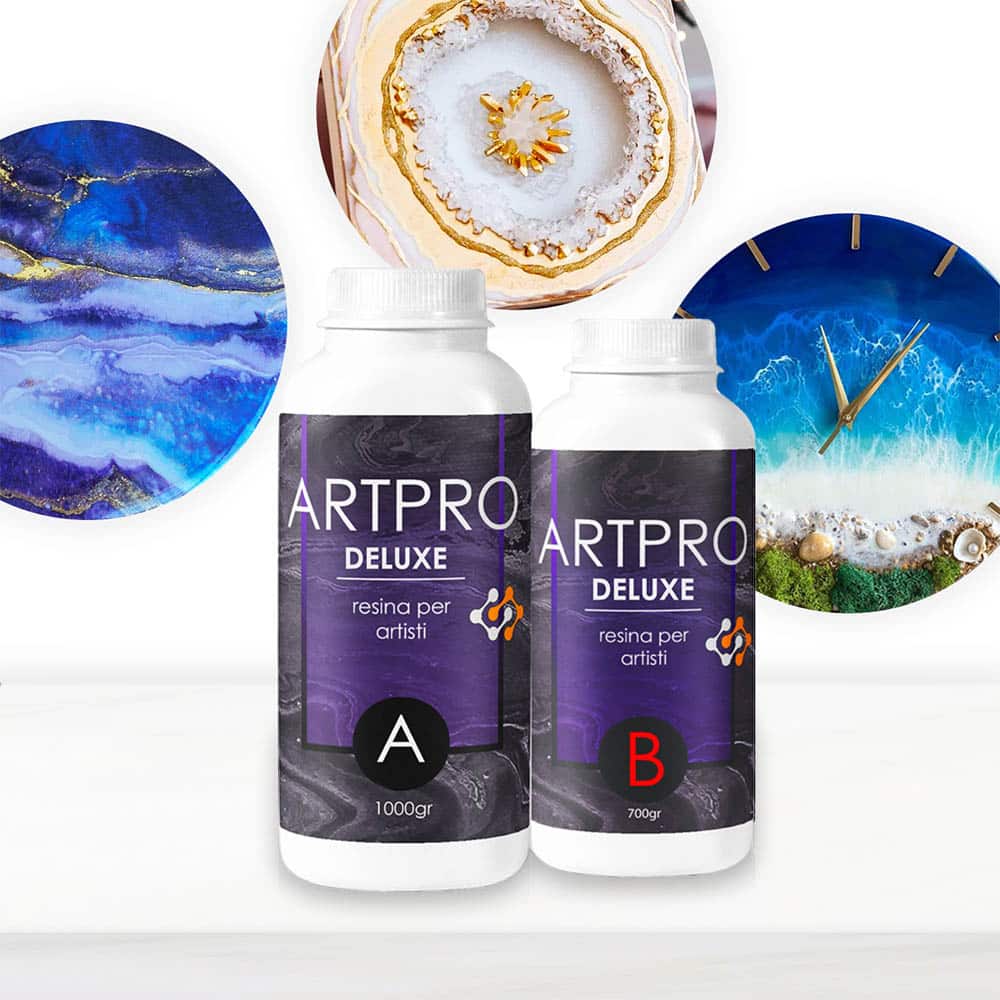 "Art Pro Deluxe" – Ultra-High Viscosity Epoxy Resin for ArtistsPrice range: £35.95 through £302.45Art Pro Deluxe offers ultra-high viscosity for precise resin art control, with fast curing suitable for detailed creative projects.
Frequently Asked Questions
How long does UV resin take to cure compared to epoxy resin?
UV resin cures within 2–3 minutes under a UV lamp, while epoxy resin typically requires several hours to one or two days depending on the formulation.
Which epoxy resin offers the quickest demoulding and full cure?
ICreation epoxy resin allows demoulding in 6 hours and achieves full cure within 12 to 24 hours.
Does the thickness of the pour affect curing time?
Yes, thicker pours increase curing time and may result in higher heat generation; thinner layers are recommended for best results.
Is there a safe way to accelerate resin curing?
You can sometimes increase the ambient temperature, but always check the product guide to avoid issues like overheating or incomplete curing.
What is the difference between demoulding time and full cure time?
Demoulding means the resin is hard enough to remove from a mould, but full cure ensures maximum hardness and stability for handling and use.
Do fast-curing resins yellow over time?
Modern UV and epoxy resins often include UV filters to help prevent yellowing, but exposure to direct sunlight should still be limited where possible.
Is cured resin safe for skin contact or food surfaces?
Once fully cured, most quality resins are skin-safe and suitable for non-food-contact surfaces; check product certification for food safety.