 Free shipping on orders over £29,85
  Shipping Tracking!


 Google
 Facebook
← Back to How do you repair a resin prosthetic appliance?

After repairing a resin prosthetic appliance, it’s crucial to let the adhesive or resin fully cure before putting it back into use. Proper curing ensures the repair holds up to regular wear and tear.
Understanding Resin Curing Times
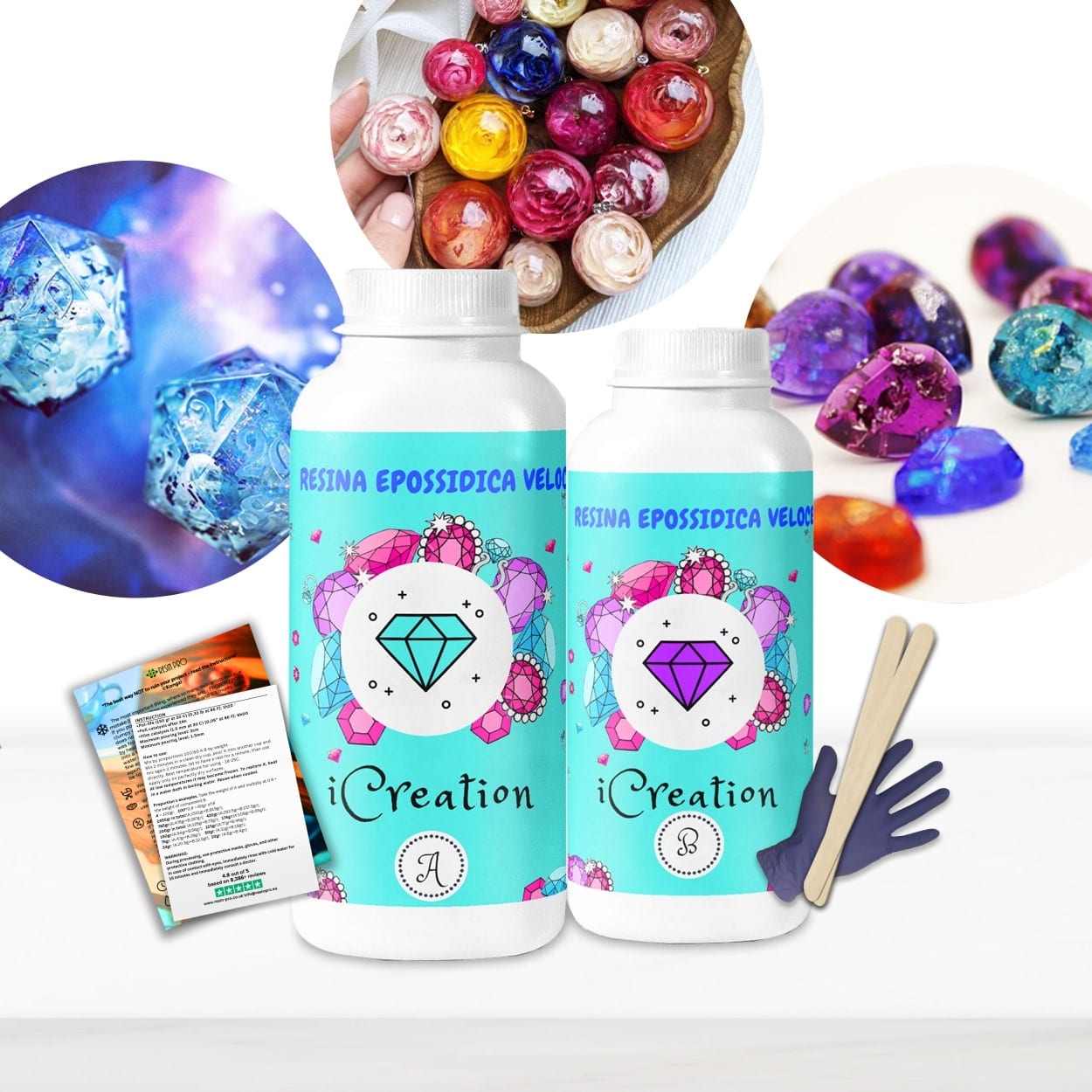
Curing times can vary significantly depending on the type of resin or adhesive you’ve chosen. Fast-curing solutions like the ICreation Fast Epoxy Resin allow for demoulding in as little as 6 hours, with full curing typically achieved within 12 to 24 hours. Other products may recommend a waiting period ranging from several hours to a full day. Always check the manufacturer’s instructions for the best results.


How to Tell When Resin Is Ready
To ensure a repair is ready for use, inspect the resin for a hard, non-tacky finish. Press gently on the repaired area—if it’s firm and not sticky, it’s generally safe to begin handling the prosthetic. However, for stress-bearing repairs, err on the side of extra waiting to guarantee full strength development. Room temperature and humidity can also impact curing times, so make adjustments if needed.
Practical Guidance for Safe Use
Even rapid adhesives such as FixExpress Two-Component Epoxy Glue that set within minutes should still be left undisturbed for the full recommended cure period before subjecting the appliance to functional use. For intricate prosthetic repairs, a high-clarity resin like Liquidissima may require longer curing but offers precision and a professional appearance.
When Curing Time Matters Most
- If the prosthetic will experience high stress or frequent handling
- When performing detailed repairs that require a smooth finish
- If using fast-curing resins and need to minimise downtime
Related products
Related guides
Allowing for a complete cure is vital to maximise the durability and longevity of your prosthetic appliance repair. For more on successful repairs and product recommendations, explore our main guide on this topic.