 Free shipping on orders over £29,85
  Shipping Tracking!


 Google
 Facebook
How many square metres does one litre of resin cover?
Understand resin coverage for floors, pebbles and casting projects.

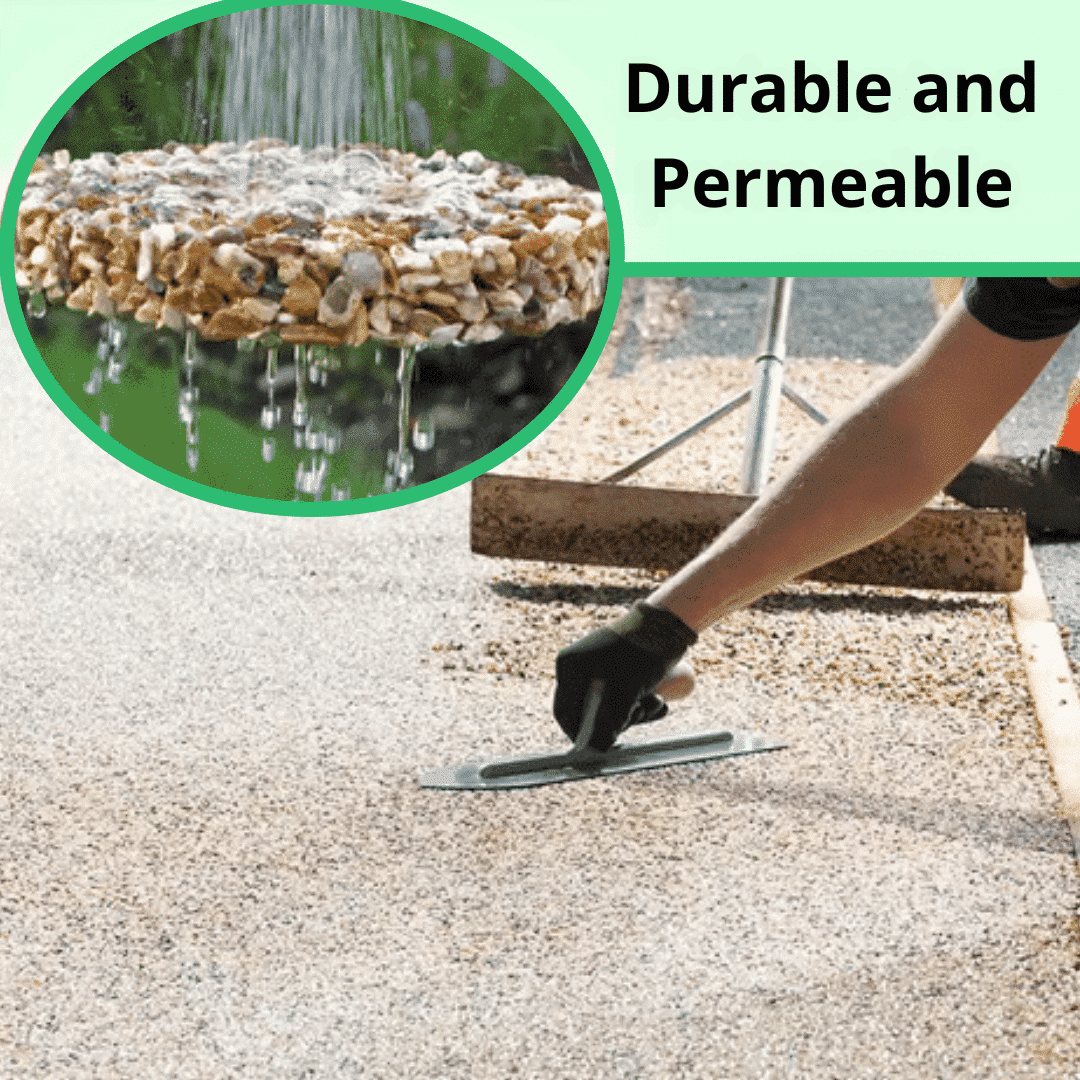
Whether you’re tackling a pebble driveway, refreshing an indoor floor, or planning a creative casting project, knowing how much area one litre of resin can cover is essential for accurate planning and budgeting. This page is for homeowners, tradespeople, and DIY enthusiasts who want to understand resin coverage for floors, aggregates, and artistic work. Here you’ll find key details on different resin types and primers, expert tips, and coverage guidance for your project.
How Resin Coverage Varies: An Overview
Resin coverage per litre depends on several factors: type of resin or primer, application thickness, substrate porosity, and the way material is used—whether as a binder for pebbles, a primer base coat, or as a clear casting medium. For example, “Epoxyprimer” covers between roughly 3.3 and 10 square metres per litre depending on the surface, while resins mixed with pebble aggregates follow different ratios entirely, generally measured by weight rather than area alone. Knowing the exact use-case is vital for calculating your resin needs.
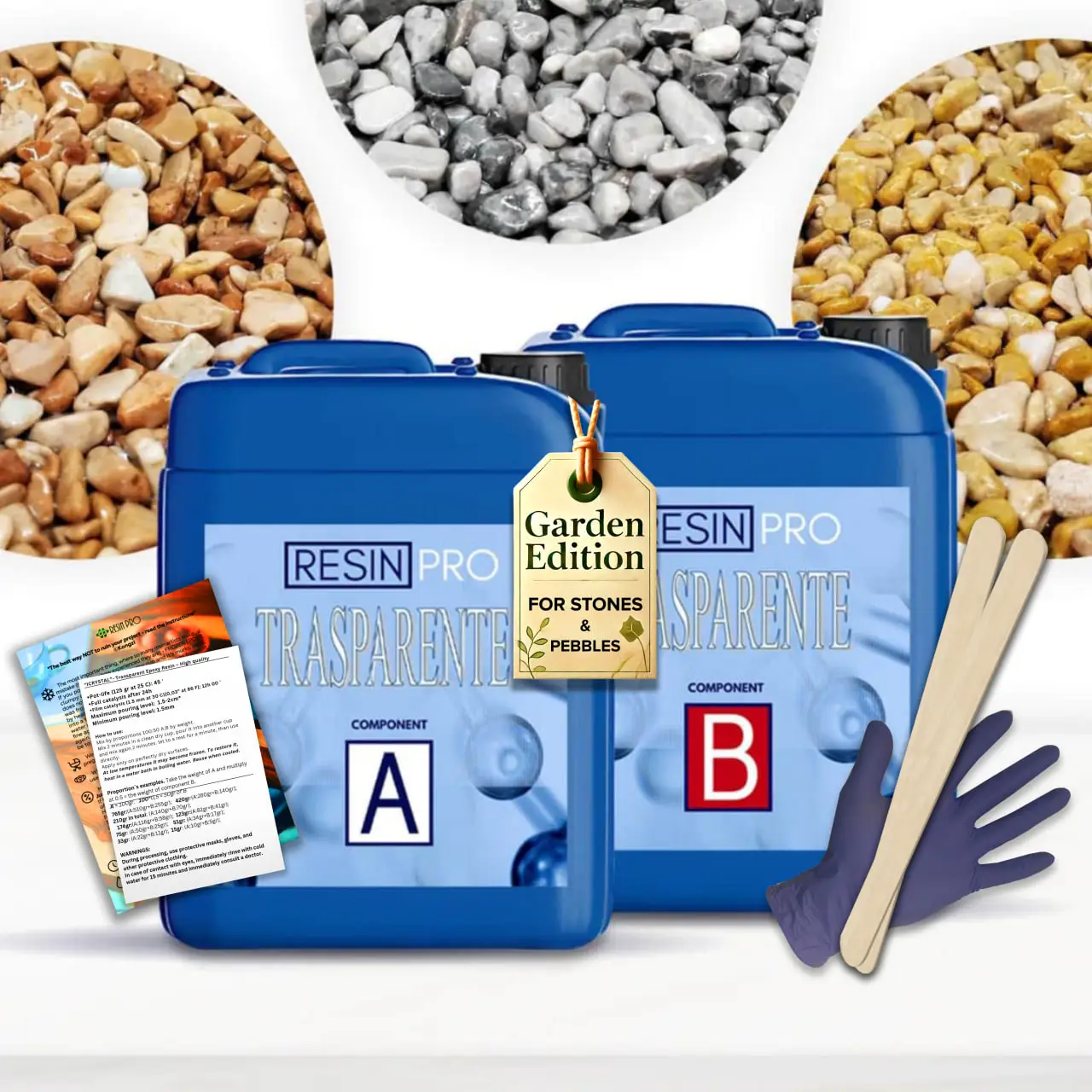
Visualising Resin Coverage
See real-world examples comparing resin usage by area—for pebbledriveways, primer-coated tiles, and clear castings. The appearance and volume of each application can help you estimate your true requirements. Explore our Pebble floors range to match visual outcomes with your project vision.
“Trasparente” – Epoxy Binder for Coloured Pebbles and Grits
This epoxy binder for coloured pebbles and grits is specially crafted for decorative stone surfaces such as driveways and pathways. Its crystal-clear epoxy resin formula delivers a transparent, flexible bond that highlights the natural look of coloured aggregates. Thanks to its UV-resistant and non-yellowing properties, it is well-suited for outdoor and exposed environments, especially those using warm or dark stones. The low viscosity ensures rapid impregnation of aggregates for a consistent finish. Coverage is calculated primarily by the size and amount of stones mixed; for instance, 1.44 m² at 20 mm depth requires about 13 kg of resin binder, which equates to approximately 0.45 kg per square metre at that thickness.
“Epoxyprimer” – Universal Water-Based Two-Component Epoxy Floor Primer
Designed as a strong base for resin floors, “Epoxyprimer” significantly enhances bonding to substrates like concrete, ceramics, timber, or screed. Application can be by roller, brush, or spatula, and the surface finish is both durable and odourless, thanks to its water-based, eco-friendly & odourless nature. The recommended consumption is 100–300 g/m² depending on surface porosity. This means one litre will cover approximately 3.3 to 10 m². For best results, always assess the porosity of your surface to prevent product waste or undersupply.
“Flowstone” – Complete Permeable Floor Kit with Pebbles and Resin
For those upgrading outdoor driveways or patios, the Flowstone Complete Draining Floor Kit is sized directly by area, making estimating your resin requirements straightforward. Each kit comes with the required quantities of resin and pebbles, with guidance based on both colour (epoxy or polyurethane resin as needed) and desired thickness. The permeable solution enables water drainage, reducing puddles and maintenance. By matching kit size to your square metre needs, you ensure seamless installation and finish.
“Trasparente” – Multipurpose Clear Epoxy Resin for Casting – Up to 2cm
Ideal for artistic and furniture projects, “Trasparente” Multipurpose Clear Epoxy provides a ultra-clear formula for glossy, transparent finishes. Each litre is best used in layers up to 2 cm thick; container size and project depth together determine coverage by area. For surface coatings, one litre may cover up to 1–1.5 m² at 1 mm thickness, though coverage shrinks as the layer depth increases—ensure you calculate both volume and area before starting your next casting or coating!
Factors Affecting Resin Coverage
Several variables influence how many square metres one litre of resin will cover. These include: required film thickness (e.g., 1 mm for clear coats or 20 mm for pebble floors), absorbency and roughness of the underlying surface, the amount of aggregate (for resin-bound floors), and conditions such as temperature and humidity during application. Always refer to the specific product’s guidelines and measure your area carefully. When in doubt, order slightly more to accommodate for surface irregularities.
Project Planning Insights
Plan for success by preparing accurate measurements and checking the application method—calculate resin based on both thickness and total area, and review mixing instructions for aggregates. Uncertain about details? Explore multipurpose epoxy options for specialised projects.

- "Trasparente" – Epoxy Binder for Coloured Pebbles and GritsPrice range: £33.45 through £397.95"Trasparente" is a transparent epoxy binder for coloured pebbles and grits, designed to deliver a clear, bubble-free finish with UV resistance.
 "Epoxyprimer" – Universal Water-Based Two-Component Epoxy Floor PrimerPrice range: £156.45 through £286.45"Epoxyprimer" is a water-based, two-component epoxy floor primer providing reliable adhesion and durability for various substrates.
- "Flowstone" – Complete Permeable Floor Kit with Pebbles and ResinPrice range: £49.95 through £3,915.45"Flowstone" is a durable, permeable pebble and resin floor kit designed for UK outdoor spaces, with clear guidance for resin use.
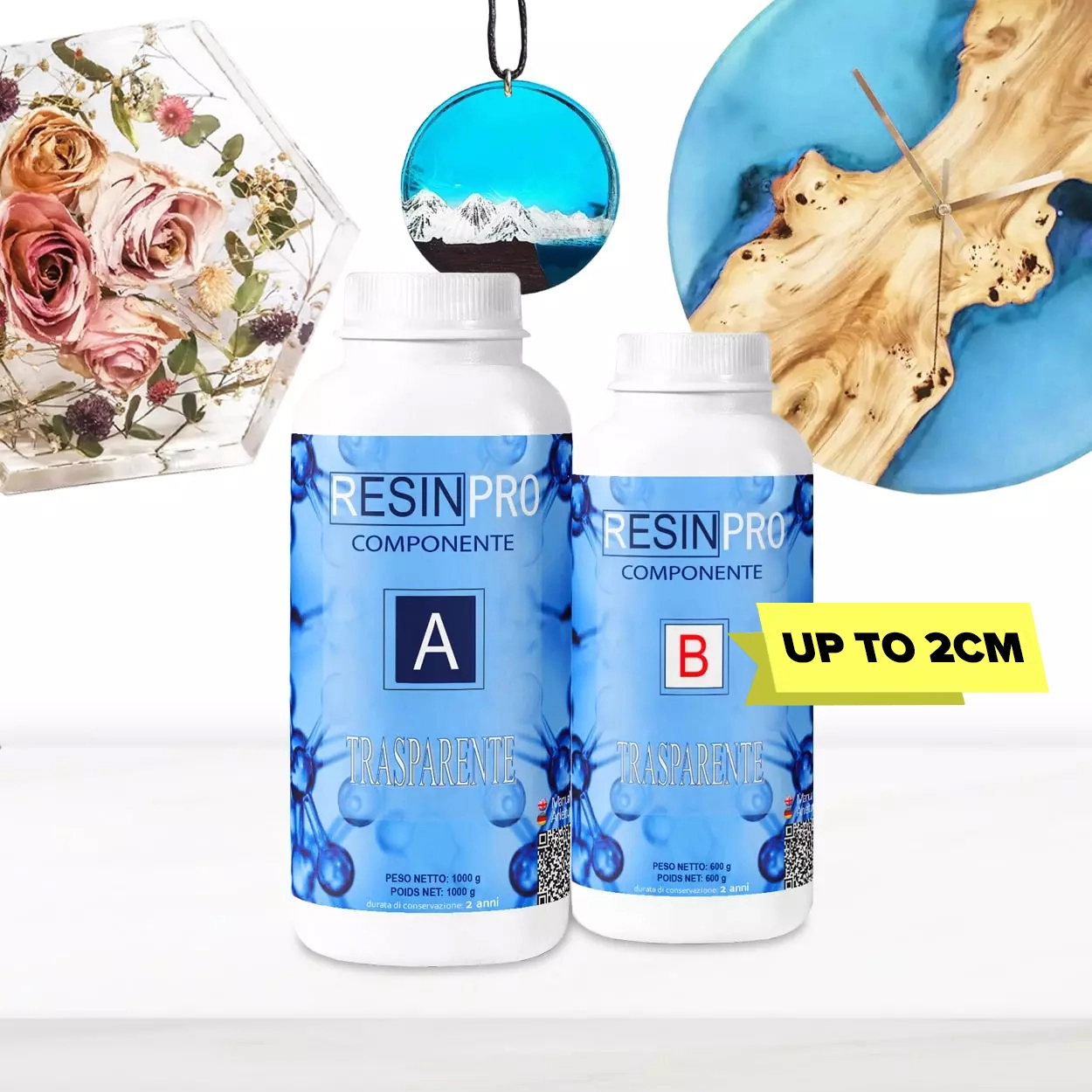 "Trasparente" – Multipurpose Clear Epoxy Resin for Casting – Up to 2cmPrice range: £8.95 through £397.95"Trasparente" is a clear, multipurpose epoxy resin suitable for DIY and professional projects, providing a self-levelling finish up to 2 cm thick.
Frequently Asked Questions
How much area can one litre of epoxy binder cover on a pebble floor?
Coverage depends on the mixture and aggregate size, but for a 20 mm layer, expect around 0.45 kg of resin per square metre when mixed with pebbles.
How many square metres does one litre of Epoxyprimer cover?
Coverage ranges from 3.3 to 10 m² per litre, depending on surface porosity and application thickness.
How do I calculate resin needed for a casting project?
Measure volume by multiplying surface area by layer thickness, then check the product's guidance to estimate litres needed.
What does a Flowstone kit include for floor installations?
Flowstone kits are sized by area and provide both pebbles and suitable resin, with detailed guidance for optimal coverage and finish.
Is Epoxyprimer suitable for all floors?
Epoxyprimer is best used on concrete, screed, tiles, and wood; check product specs before use on other surfaces.
Does resin coverage change by surface type?
Yes, absorbent or rough surfaces require more resin, while smoother surfaces use less to cover the same area.