 Free shipping on orders over £29,85
  Shipping Tracking!


 Google
 Facebook
How much does a self-leveling resin floor cost?
Understand price factors, compare resin flooring products and plan your project.
Calculating the cost of a self-leveling resin floor depends on several factors, including the type of resin, required preparation, desired finish, surface area, and location. Whether you’re a homeowner refreshing a garage or a professional developing a commercial space, this page compares key options and price drivers for resin flooring, helping you choose the most suitable and cost-effective solution for your project.
Comparing Self-Leveling Resin Floor Costs
When estimating your resin floor costs, it’s essential to weigh up different system types and their respective benefits. Preparation materials such as primers, decorative finishes, and performance coatings all contribute to the total price. Indoor areas may need different products than external driveways or drainage-friendly environments. Some solutions are designed for rapid application and budget efficiency, while others prioritise long-term durability or a premium visual effect.
See Resin Floor Products in Action
Explore a variety of resin floor installations—from industrial workshops to decorative patios. Each project showcases the application and finish quality possible with the right resin products. Notice how preparation and the material type influence both the appearance and the longevity of the finished floor.
“Epoxyprimer” – Reliable Surface Preparation for Lasting Results
Your resin floor’s longevity and finish quality rely on effective surface preparation. “Epoxyprimer” – Universal Water-Based Two-Component Epoxy Floor Primer is a versatile water-based option developed to deliver superior adhesion for epoxy and resin floor systems. This primer is suitable for concrete, timber, tiles, or screeds and is eco-friendly and odourless, making it ideal for indoor settings. The investment in a professional primer ensures a robust bond, protects against delamination, and supports consistent finishes, factoring into the overall project cost.
“Prolux” – Durable Polyurethane Coating for Driveable Surfaces
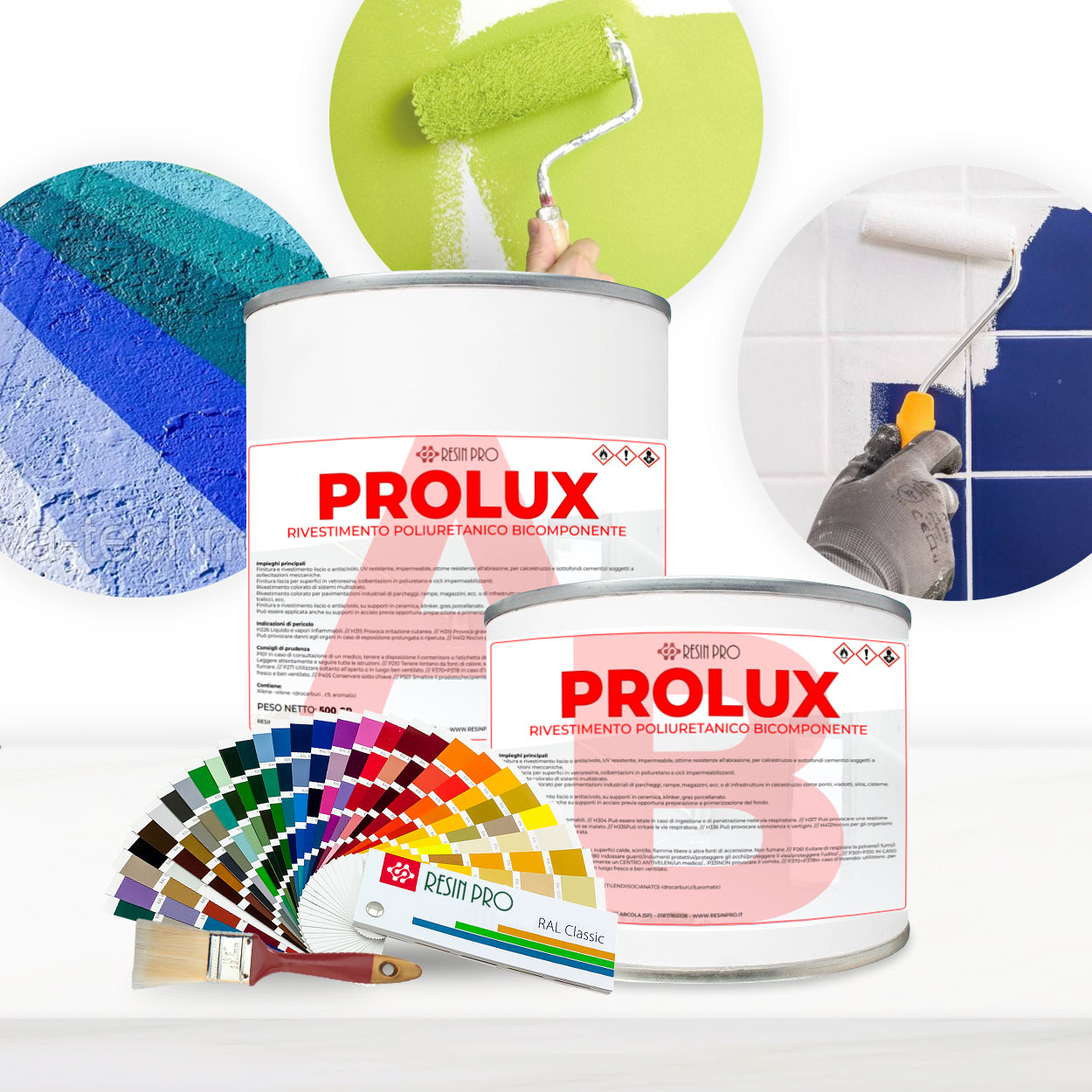
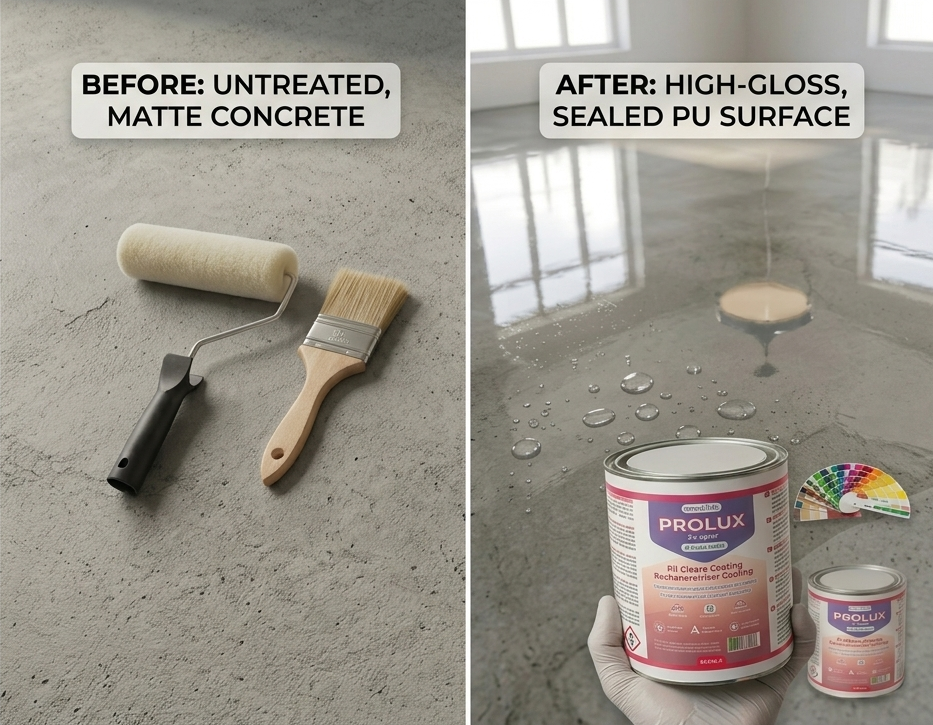
For industrial, commercial, or high-traffic settings, consider “Prolux” – PU coating for tiles, concrete, plastic and metal – suitable for driveable surfaces. This advanced two-component polyurethane system is resistant to UV, abrasion, and weathering, and is certified for use on a wide range of substrates. “Prolux” is ideal for workshops, garages, parking zones, and any area requiring a durable, protective, easy-to-clean finish. Offered in both gloss and satin, it delivers a robust, cost-effective flooring upgrade for challenging environments.
“Flowstone” – Complete Permeable Floor Kit for Outdoor Applications
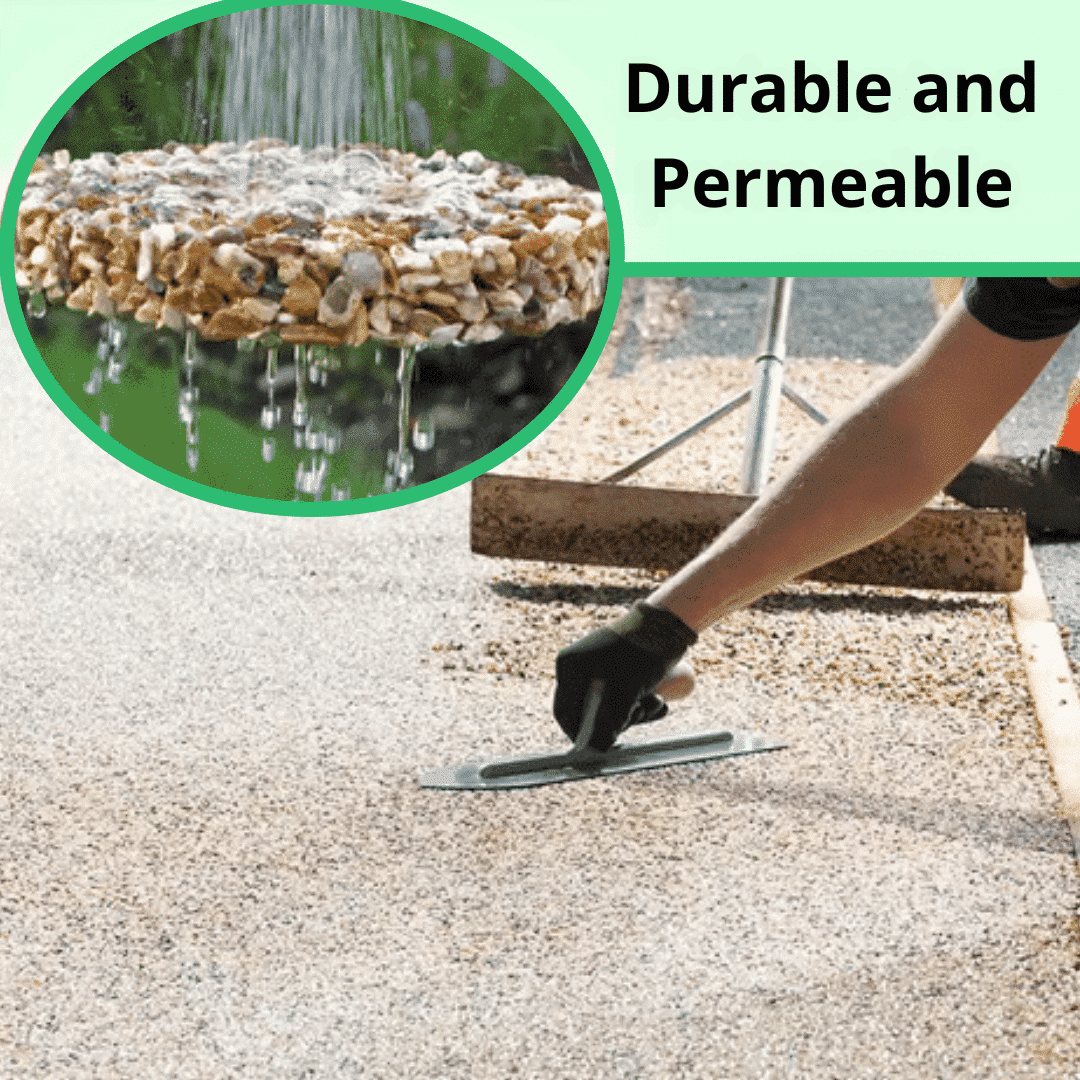
If drainage and decorative appeal are top priorities, “Flowstone” – Complete Permeable Floor Kit with Pebbles and Resin combines a permeable resin binder and natural pebbles for a hard-wearing yet water-draining outdoor surface. Ideal for patios, driveways, and walkways exposed to the UK climate, this kit offers budget control by including all essential components and guidance. Its flexibility in colour and aggregate choice allows for customization to suit personal or commercial preferences.
“Trasparente” – Epoxy Binder for Decorative Pebble Floors
For creative indoor or outdoor flooring effects, “Trasparente” – Epoxy Binder for Coloured Pebbles and Grits brings a crystal-clear, UV-resistant finish to pebble or aggregate-based self-leveling floors. This binder supports vibrant, long-lasting colour while maintaining durability and safety—making it excellent for feature areas, garden paths, or bespoke projects. It is especially cost-effective for decorative applications requiring a clear and low-maintenance surface.
What Influences the Cost of a Self-Leveling Resin Floor?
Several factors impact the total investment in self-leveling resin floors. Surface preparation—such as cleaning and priming—is essential for successful installation and directly affects longevity. The choice between epoxy and polyurethane resins, thickness required, decorative aggregate use, and finishing options like anti-slip or anti-yellowing treatments will contribute to both material and labour costs. Square meterage, substrate condition, and whether the installation is DIY or professional can also result in substantial price ranges. Planning carefully at each stage ensures value and the right performance for your intended application.
Expert Tips for Cost-Effective Resin Flooring
Achieve the best balance between durability and price by selecting appropriate primers, suitable for your substrate, and matching resin types to your functional and visual goals. Browse our pebble floors solutions for inspiration on outdoor decorative options and comparison.
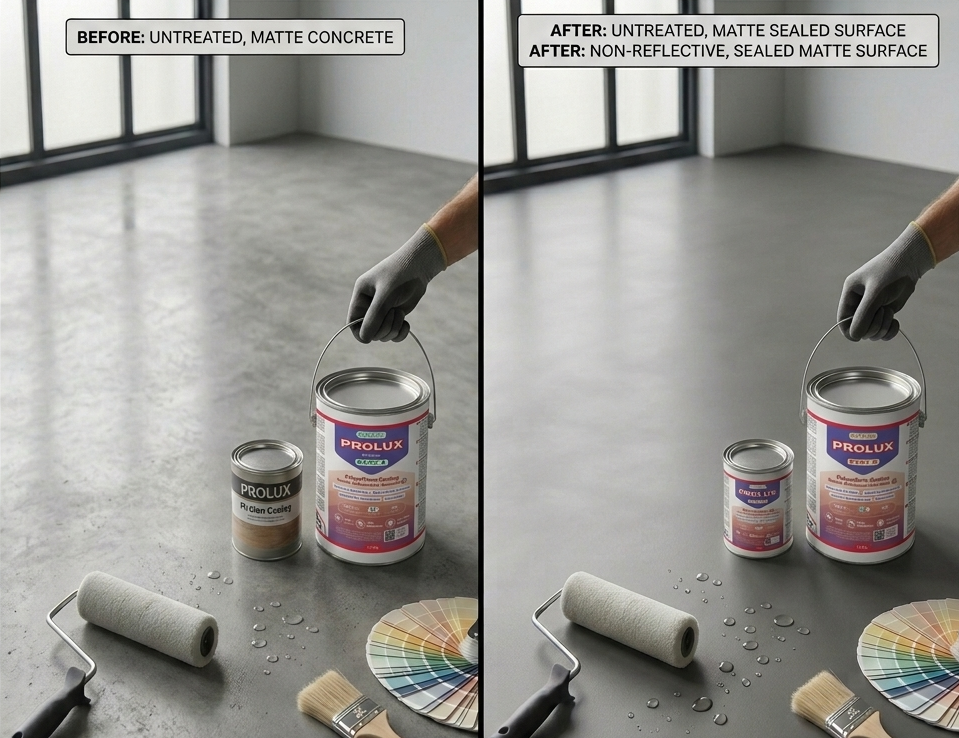
- "Prolux" – PU coating for tiles, concrete, plastic and metal – suitable for driveable surfacesPrice range: £44.85 through £494.85"Prolux" is a polyurethane coating designed for multiple surfaces with a gloss or satin finish. Suitable for floors and external driveable areas.
- "Flowstone" – Complete Permeable Floor Kit with Pebbles and ResinPrice range: £49.95 through £3,915.45"Flowstone" is a permeable pebble and resin kit suitable for outdoor spaces, offering durable, draining surfaces with detailed guidance for UK…
 "Epoxyprimer" – Universal Water-Based Two-Component Epoxy Floor PrimerPrice range: £156.45 through £286.45Epoxyprimer is a water-based two-component floor primer designed for reliable adhesion and durability across various surfaces.
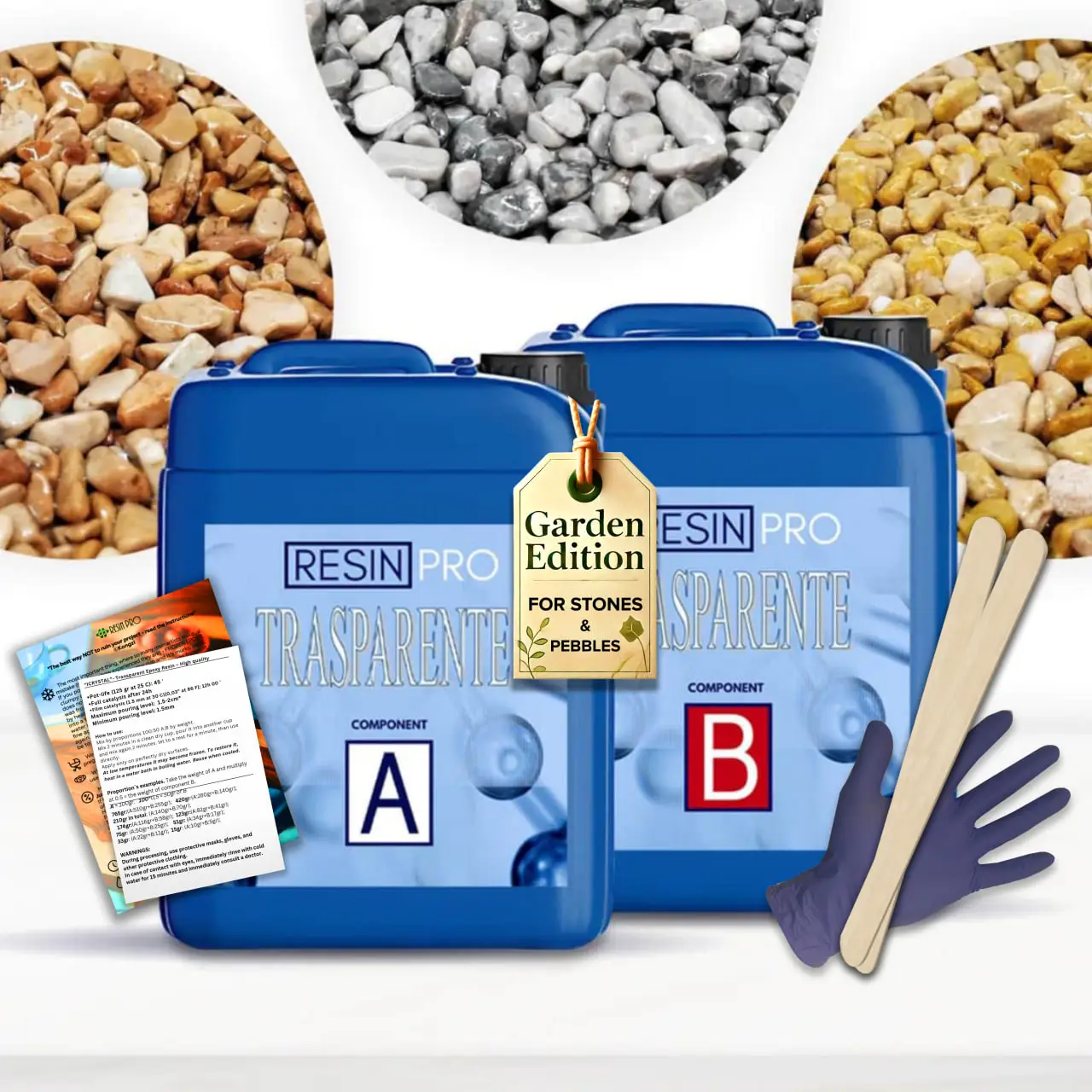 "Trasparente" – Epoxy Binder for Coloured Pebbles and GritsPrice range: £33.45 through £397.95"Trasparente" is a transparent epoxy binder designed for coloured pebbles and grits. It provides UV resistance and a clear, bubble-free finish…
Frequently Asked Questions
How do I calculate self-leveling resin floor cost per metre?
Add up the price of the primer, base resin, decorative materials, and finish for your surface area. Include preparation and labour if applicable.
What are the main factors that affect resin floor cost?
Surface preparation, resin type, thickness, finish, and the size and condition of your area influence total cost.
Can I install self-leveling resin floors myself to save money?
DIY is possible with detailed preparation and product guidance, but professional installers help ensure durability, especially for large or driveable surfaces.
Epoxy vs polyurethane—what's the cost difference?
Polyurethane systems are often more expensive but offer increased flexibility, chemical resistance, and outdoor stability. Epoxies suit decorative and indoor use at generally lower cost.
Should I choose a resin floor kit or buy products separately?
Complete kits simplify ordering and application, often reducing mistakes and providing better value on larger surfaces.
Do I need a primer and does it add much to the cost?
A primer is essential for reliable adhesion in most resin flooring projects and is a small but crucial investment for long-term durability.
Are self-leveling resin floors cost-effective in the long run?
Properly installed resin floors resist wear and moisture, reducing maintenance and requiring less frequent replacement than many traditional coverings.