 Free shipping on orders over £29,85
  Shipping Tracking!


 Google
 Facebook
How much does resin scarification cost on concrete floors?
Compare top resin systems for transforming and protecting concrete floors.
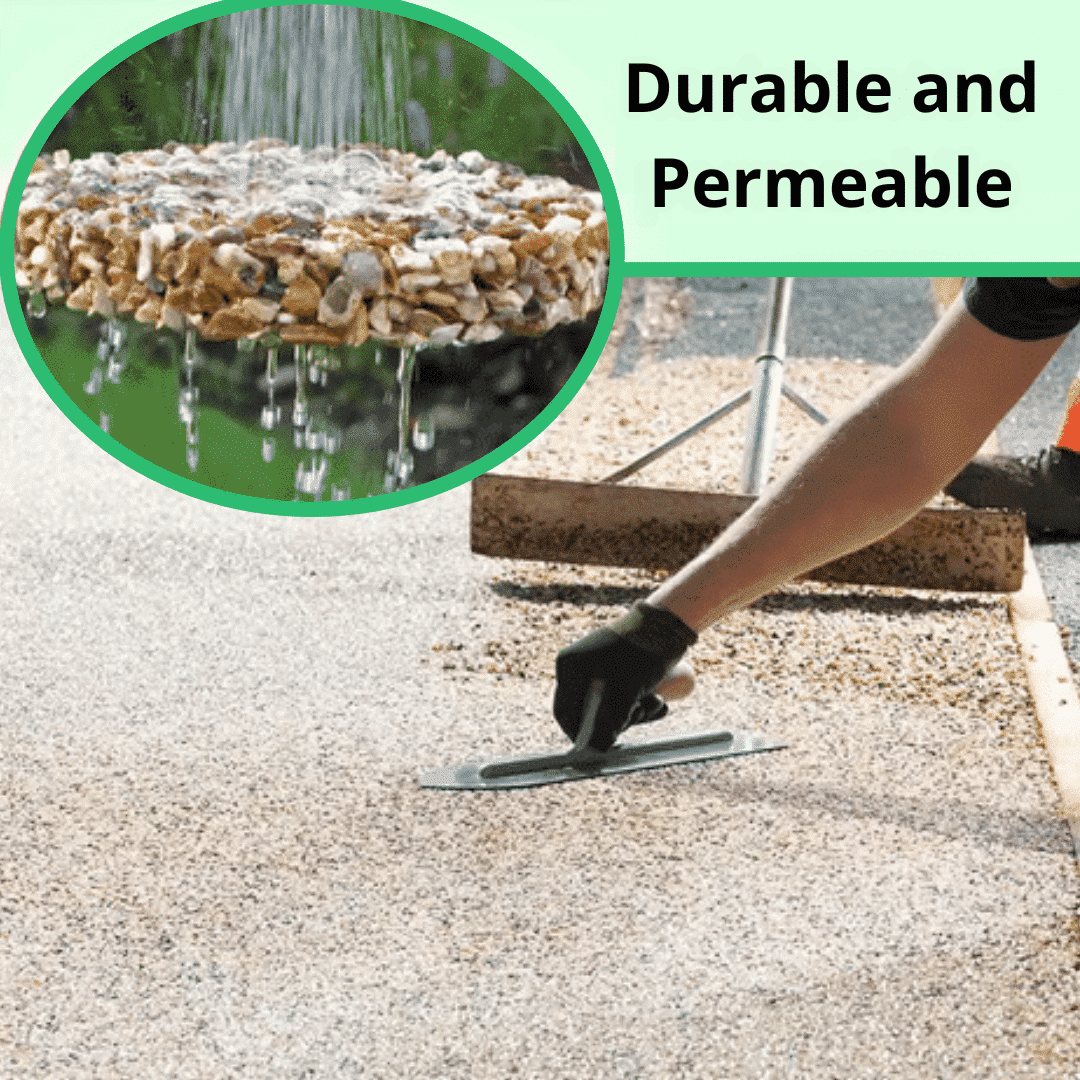
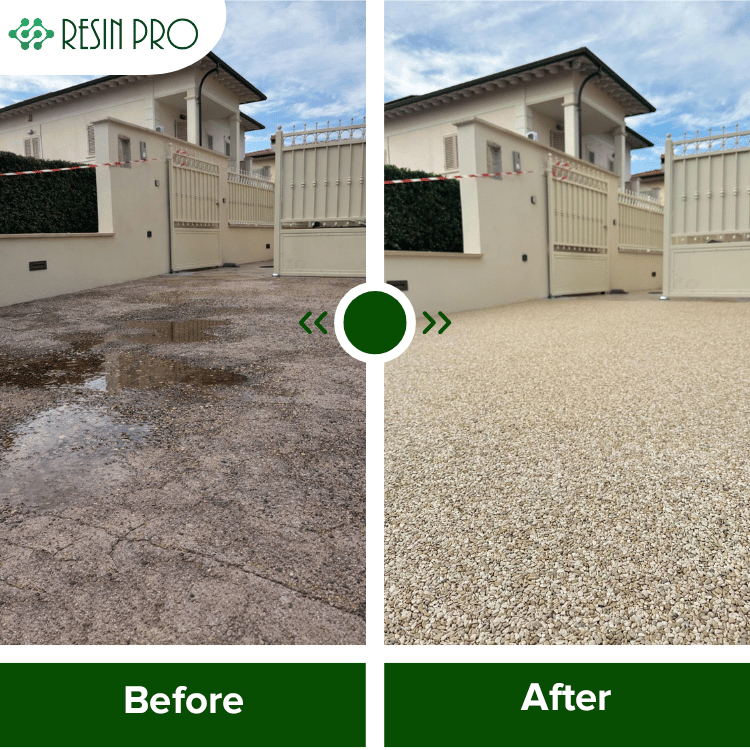
If you’re planning to upgrade or restore a concrete floor—be it in a driveway, garage, patio, or commercial space—understanding the cost of resin scarification and the best value solutions is essential. This page compares leading resin options for concrete floors, covering permeable pebble kits, primers, sealers, and durable polyurethane coatings. Whether you’re a contractor or a DIY enthusiast seeking the right finish, here you’ll find cost guidance and key factors to consider for your next project.
Comparing Resin Options for Scarified Concrete Floors
When estimating the cost of resin scarification for concrete surfaces, several variables come into play: the type of resin system, intended use of the floor, durability requirements, and whether decorative or waterproofing properties are needed. Systems like the “Flowstone” – Complete Permeable Floor Kit with Pebbles and Resin offer excellent permeability and decorative appeal for outdoor settings, while “Resinstone” – One-Component Methacrylic Resin for Concrete Floors and Driveways delivers robust sealing for driveways or industrial areas. For optimal adhesion, a primer like “Epoxyprimer” – Universal Water-Based Two-Component Epoxy Floor Primer prepares the substrate for long-term durability. If strong, driveable, UV-resistant finishes are your priority, “Prolux” – PU coating for tiles, concrete, plastic and metal – suitable for driveable surfaces is an ideal choice. Each system varies in material cost, surface preparation needed, and final look, so reviewing the specifics below will help you match your requirements and budget.
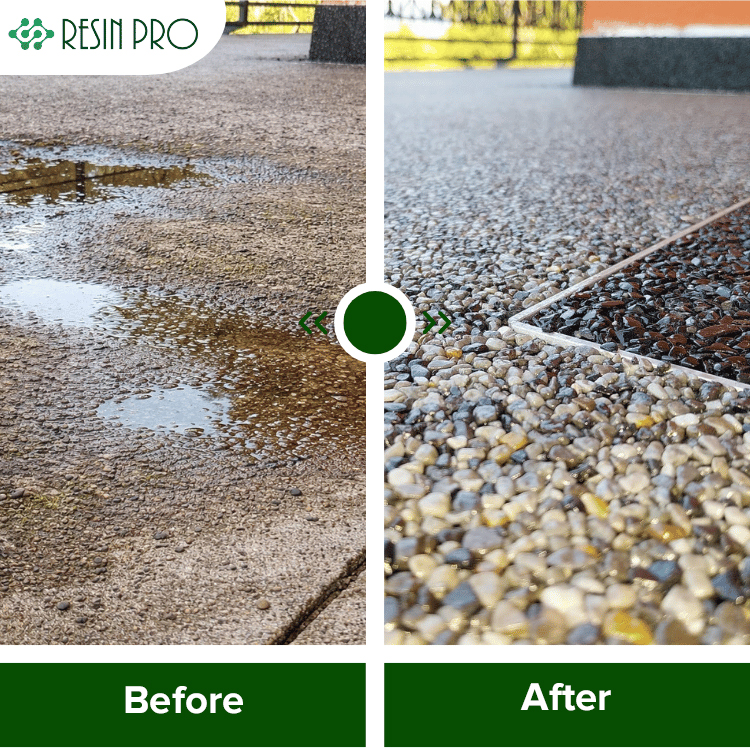
See Example Finishes and Surface Textures
Explore real-world outcomes of resin scarification on concrete—including smooth driveways, decorative pebble aggregates, and vibrant coated garage floors. Each system offers distinct visual and tactile results to suit your needs and environment. To view a full gallery by system, visit the Flowstone kit or Prolux PU coating pages.
“Flowstone” – Complete Permeable Floor Kit with Pebbles and Resin
For outdoor concrete areas demanding drainage and decorative appeal, the Flowstone Complete Permeable Floor Kit with Pebbles and Resin is a comprehensive solution. This kit provides a durable, water-draining surface ideal for driveways, patios, and paths, helping to prevent puddles and reduce maintenance. The price range of £49.95 to £3,915.45 (kit sizes vary by surface area) makes it adaptable for both small and large scale projects. It includes specialised resins: non-yellowing polyurethane for white aggregates, and low-yellowing epoxy for coloured pebbles, ensuring the finish stays vivid. With simple, guided application and a wide range of colour and granule options, Flowstone balances style and practicality for urban and garden environments.
“Resinstone” – One-Component Methacrylic Resin for Concrete Floors and Driveways
If you need to protect or seal a concrete surface—whether after scarification or on a new floor—Resinstone offers durable waterproofing and mechanical resistance for demanding spaces. With prices ranging from £36.71 to £336.48 depending on the project scale, it is a practical choice for sealing driveways, garages, or industrial walkways. It’s quick-drying (usable in under 12 hours), resistant to moisture, oil, chemicals, and UV rays, and remains breathable to prolong surface life. Homeowners and contractors alike will benefit from its deep-penetrating, easy-to-apply formula. Note: it’s designed for absorbent surfaces and not suitable for binding loose gravel.
“Epoxyprimer” – Universal Water-Based Two-Component Epoxy Floor Primer
Proper substrate preparation is critical when applying new resin systems or coatings—Epoxyprimer addresses this by maximising adhesion between concrete and subsequent epoxy or polyurethane layers. Priced from £156.45 to £286.45, it offers reliable bonding for stable floors of concrete, ceramic, screed, or timber. Its water-based, odourless formulation is safe for indoor and outdoor projects, ensuring a long-lasting, professional finish. With a curing time of 24–48 hours and a consumption rate tailored to substrate porosity, it is particularly well-suited as part of a full resurfacing strategy following scarification.
“Prolux” – PU Coating for Tiles, Concrete, Plastic, and Metal – Driveable Surfaces
For the toughest and most exposed settings, such as driveable paths, garages, or exterior parking areas, Prolux PU coating delivers exceptional resistance to UV, yellowing, abrasion, and chemical attack. Its two-component, CE-marked formula ensures compliance, while allowing for a choice of finish (gloss or satin, any colour). The kit is available from £44.85 to £494.85, making it suitable for everything from targeted repairs to large area upgrades. It is best for professionals or experienced DIYers, with application by roller or brush after correctly priming and preparing the substrate.
Additional Factors Affecting Resin Scarification Costs
When planning a resin scarification or resurfacing job, remember to account for variables beyond product cost. Surface area, required thickness, and preparation—such as cleaning, levelling, or priming—will influence material consumption and time required. Outdoor permeability, intended foot or vehicle traffic, and UK climate exposure should also factor into your choice. Kits like Flowstone simplify cost calculation by specifying coverage per kit, while primers and coatings like Epoxyprimer and Prolux require careful estimating based on your floor’s porosity and absorption. For the best value, match your product to functional needs and consult detailed guides included with each kit.
Project Planning: Assessing Surfaces and Traffic
Effective resin scarification and resurfacing require a clear understanding of floor condition, desired finish, and intended traffic loads. Always inspect for cracks or moisture before application and allow for surface priming where needed. For guidance on substrate compatibility and preparing your concrete, see the Epoxyprimer product details.
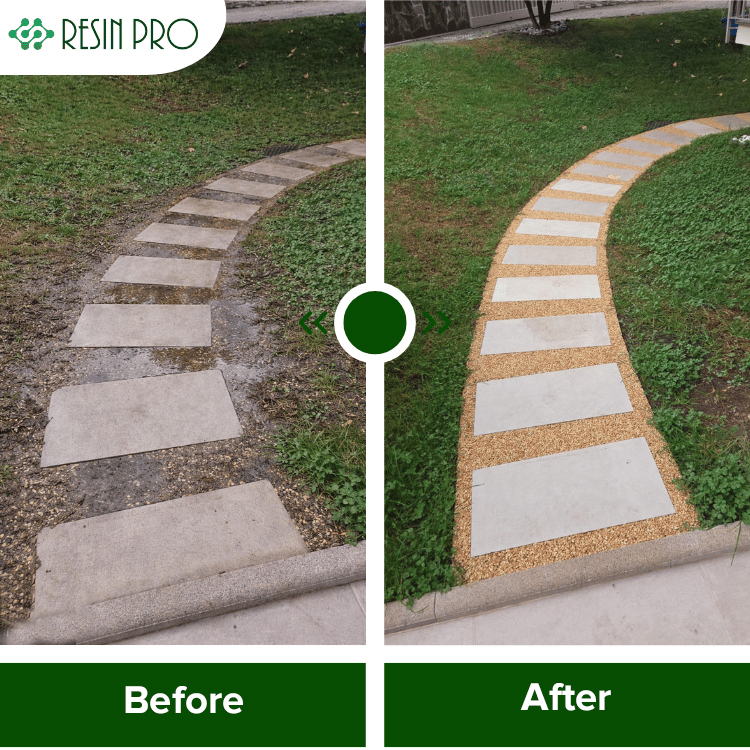
- "Flowstone" – Complete Permeable Floor Kit with Pebbles and ResinPrice range: £49.95 through £3,915.45"Flowstone" is a durable, permeable pebble and resin floor kit designed to create draining, decorative outdoor surfaces including driveways and…
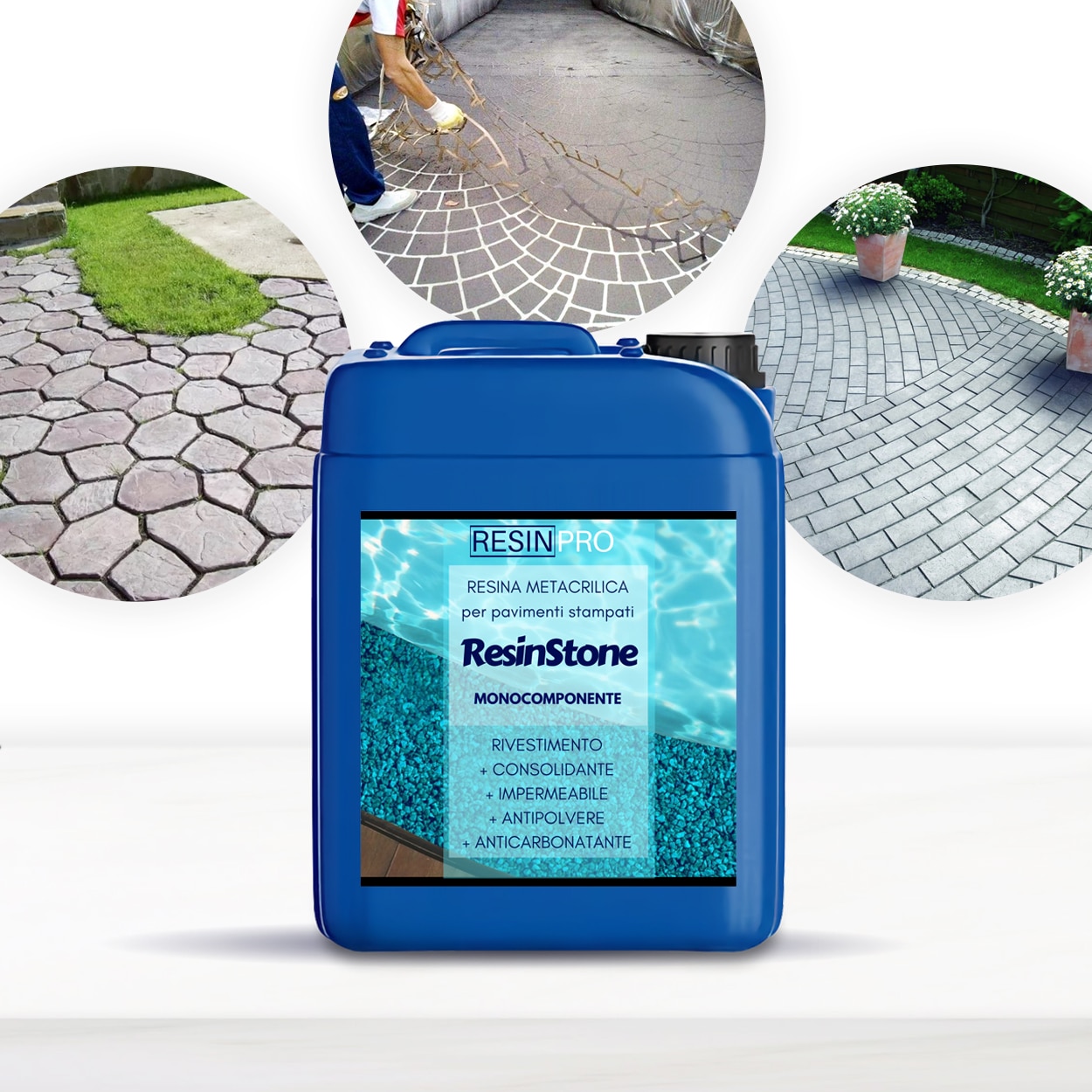 "Resinstone" – One-Component Methacrylic Resin for Concrete Floors and DrivewaysPrice range: £36.71 through £336.48RESINSTONE is a one-component methacrylic resin designed for sealing and protecting concrete floors, suitable for garages, paths and driveways.
 "Epoxyprimer" – Universal Water-Based Two-Component Epoxy Floor PrimerPrice range: £156.45 through £286.45Epoxyprimer is a water-based two-component epoxy primer for reliable adhesion on concrete and other stable flooring surfaces.
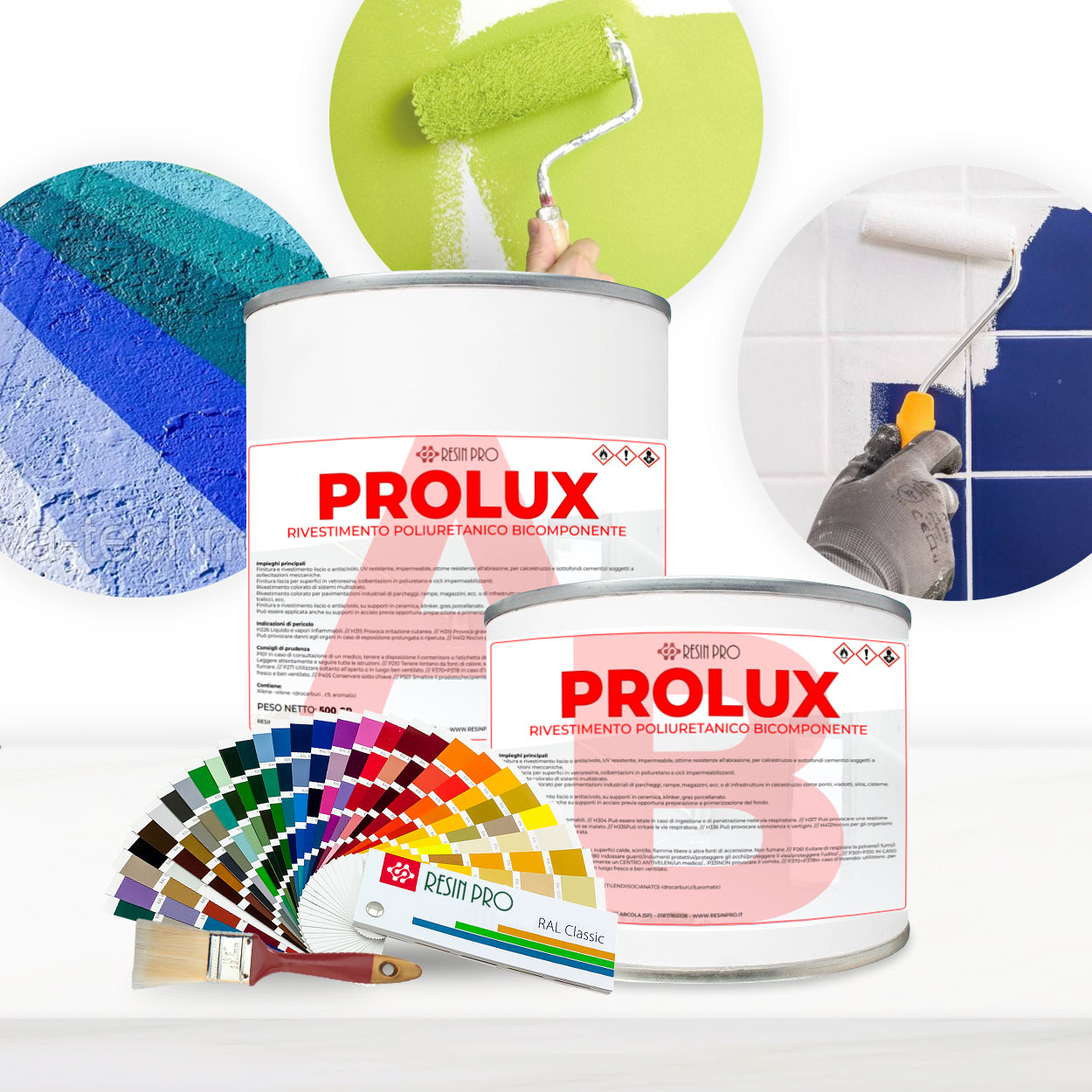 "Prolux" – PU coating for tiles, concrete, plastic and metal – suitable for driveable surfacesPrice range: £44.85 through £494.85"Prolux" is a polyurethane coating suitable for floors and other surfaces requiring durable protection.
Frequently Asked Questions
What types of resin do you offer for flooring?
We offer resins for industrial cement-based floors, coloured self-levelling floors, garage floors, permeable pebble flooring and tile coatings.
What are the advantages of resins compared to other flooring materials?
Resins offer high wear resistance, easy maintenance, durability, waterproofing and a highly customisable aesthetic.
Are specific weather conditions required for resin application?
Resin application requires specific climatic conditions for proper adhesion and curing. Avoid very low or very high temperatures and humidity.
What is a permeable floor?
A permeable floor is a surface designed to allow rainwater to pass through it, preventing water stagnation and reducing the risk of flooding.
What are the advantages of a permeable floor?
Key advantages include water drainage, anti-slip surface, resistance to weather and frost, low maintenance and attractive customisation.
Where is it recommended to install a permeable floor?
Recommended for outdoor areas with rain, car parks, driveways, gardens, cycle paths, public spaces, and shared terraces.
How long does a complete application take?
Application is fast. With suitable temperature, light foot traffic is possible in about 12 hours and vehicle use after 36-48 hours.
Can I install a permeable floor myself?
Yes, application is straightforward and can be carried out by DIYers. For large areas, using a cement mixer is helpful.