 Free shipping on orders over £29,85
  Shipping Tracking!


 Google
 Facebook
How much gravel is needed for permeable flooring?
Calculate the right gravel and binder amounts for drainage floors

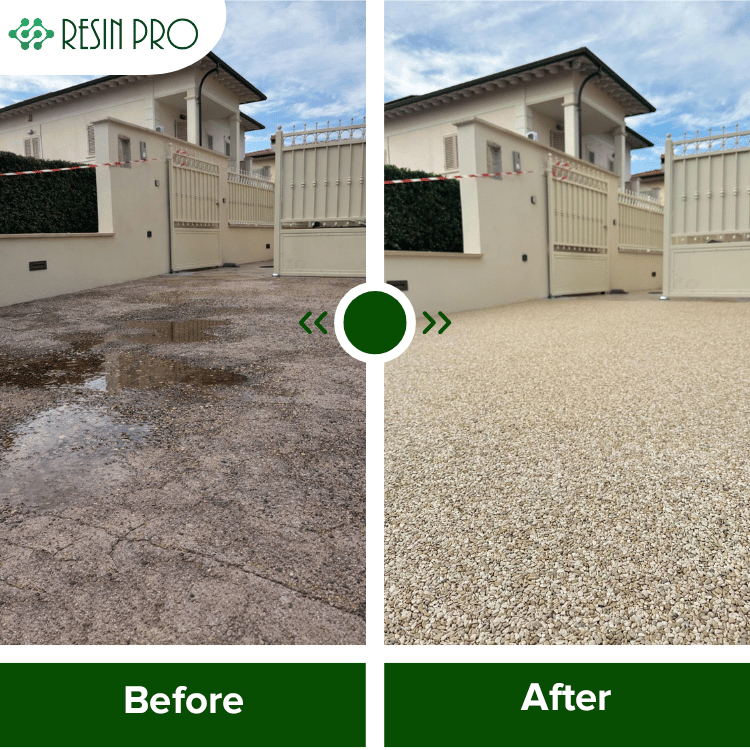
Planning a permeable floor project for your driveway, patio, or pathway starts with a vital question: how much gravel do you actually need for an effective, durable, water-draining surface? Ensuring your installation is both functional and cost-effective requires understanding the correct quantities of aggregate and resin binder, as well as selecting the best products for lasting results in the UK climate.
Why Calculate the Gravel Amount for Permeable Floors?
Permeable flooring systems are designed to let rainwater drain efficiently, preventing puddles and surface flooding while offering an attractive finish for outdoor spaces. The right balance of gravel (aggregates) and resin ensures optimal drainage, strength, and longevity. Whether you are a DIY enthusiast or a professional landscaper, correct measurements help you avoid waste, keep budgets in check, and guarantee professional-quality installations.
Product Overview: Kits, Aggregates, and Binders
ResinPro offers a complete range of permeable flooring solutions for every need:
- “Flowstone” – Complete Permeable Floor Kit with Pebbles and Resin: All-in-one solution with precisely measured components, matched to the size of your project, including high-performance binder resin and selected decorative aggregates. Suitable for driveways, patios, and walkways.
- Washed Pebbles for Permeable Floors 25kg – Outdoor Resin-Bound Surfaces: Ideal for creating permeable floors, these 4–8 mm pre-washed pebbles provide hassle-free application and excellent drainage properties. Recommended coverage is one 25kg bag per square metre.
- “Trasparente” – Epoxy Binder for Coloured Pebbles and Grits: Transparent epoxy binder designed for coloured stones and grits, with UV-resistance and non-yellowing properties, suitable for vibrant, lasting floors.
- “Polirock” – Polyurethane Binder for White Stones, 2kg Two-Component Kit: Polyurethane resin binder formulated for white stone applications, offering superior weather resistance, anti-slip finish, and no-yellowing performance for clear, attractive permeable surfaces.
How to Calculate Your Gravel and Resin Needs
The amount of gravel required depends on the area and thickness of your floor. For most outdoor resin-bound projects, one 25kg bag of Washed Pebbles covers approximately one square metre. For areas exposed to vehicle traffic, thickness can be increased and base preparation adapted using concrete or reinforcement grids. View our Pebble Floors category for greater detail on various surface options.
Estimating resin quantity is equally important. For example, with “Trasparente” – Epoxy Binder for Coloured Pebbles and Grits, a typical ratio is about 3% resin by weight of aggregate—meaning 800g resin per 20–25kg of stones. “Polirock” – Polyurethane Binder for White Stones calls for approximately 1 kg of binder per 6–8 kg of aggregate.
Opt for the “Flowstone” – Complete Permeable Floor Kit with Pebbles and Resin for a guided, all-in-one experience—kits are available in multiple surface area coverages to suit both small paths and large driveways.
Comparison Overview: Product Selection for Every Project
Choosing the correct components depends on floor location and visual preferences. Washed Pebbles for Permeable Floors are best for natural appearances and eco-friendly landscapes. For a crystal-clear, durable finish with coloured or dark aggregates, “Trasparente” – Epoxy Binder offers proven UV-resistance. For white stones and maximum non-yellowing, select “Polirock” Polyurethane Binder. Lastly, for the most convenient approach, the “Flowstone” Kit includes everything you need—resin, aggregates, and comprehensive instructions.
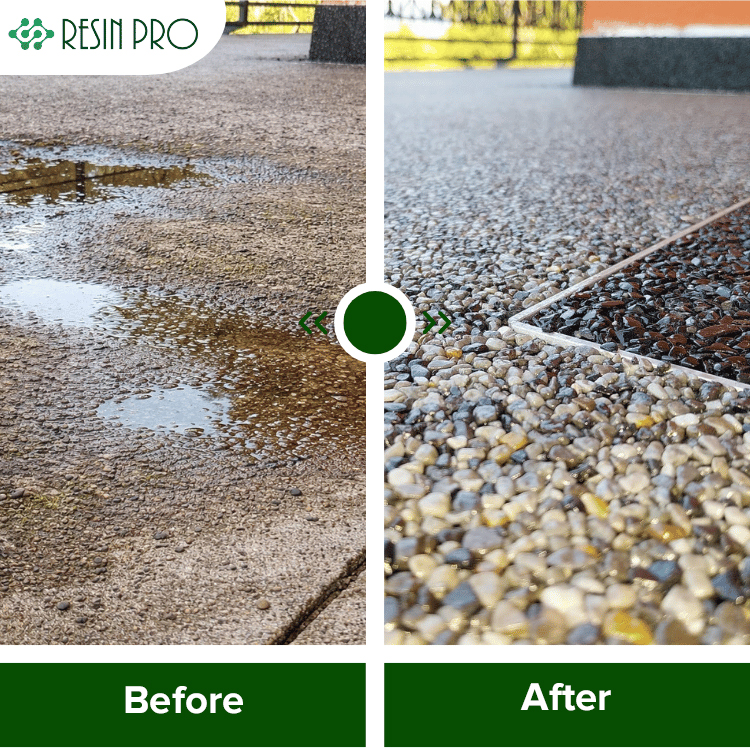
See Real-World Permeable Flooring Transformations
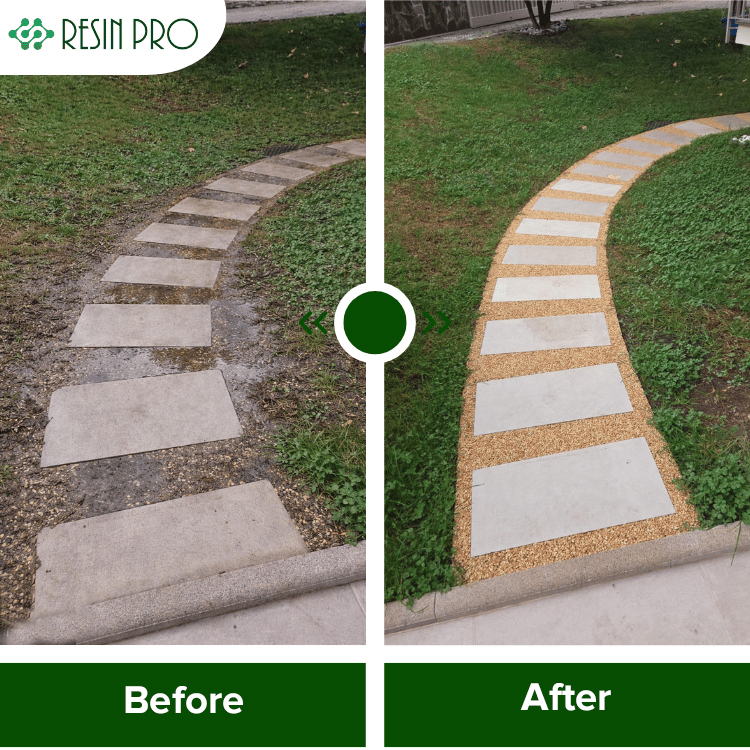
Resin-bound permeable floors have revolutionised outdoor living, from stylish garden paths to robust driveways. Explore customer projects and professional installations featuring our Washed Pebbles for Permeable Floors and Flowstone Complete Kits, offering both visual appeal and reliable water drainage even in the harsh UK weather. Discover more pebble flooring inspiration.
Key Factors When Installing Permeable Gravel Floors
Installation success is about more than just quantities. Always work within recommended weather conditions: apply resin at temperatures between 10°C and 40°C, avoid high humidity, and prepare a stable base for long-term durability. The premixed system—combining stones and resin before laying—ensures the structure remains permeable, strong, and visually appealing.
Both the “Trasparente” Epoxy Binder and “Polirock” Polyurethane Binder are designed for safety and easy maintenance. Surfaces created using these binders are typically walkable after about 12 hours (at approximately 20°C) and fully cured within 36–48 hours, dependent on local conditions.
Eco-Friendly & Versatile Flooring Solutions
Resin-bound permeable flooring not only delivers modern curb appeal but also supports the environment by reducing runoff and aiding groundwater recharge. Materials such as the Washed Pebbles for Permeable Floors 25kg are sustainably sourced, and certified as safe for humans and pets after curing. These solutions suit diverse outdoor settings—paths, patios, car parks, and garden features—all while remaining customisable in colour and texture.
Environmental & Practical Benefits of Permeable Gravel Surfaces
Switching to permeable gravel flooring not only enhances your property but also supports sustainable rainwater management. Our products—such as the Washed Pebbles for Permeable Floors and Trasparente Epoxy Binder—allow easy maintenance, improve safety with anti-slip finishes, and reduce surface flooding. View complete kit details here.
Installation Guidance and Surface Preparation
Creating a professional-quality permeable floor involves a few key steps: substrate preparation, careful mixing of gravel and resin, compaction and levelling, and optional sealing or finishing for extra durability. For small to medium projects, standard tools and a mixer suffice, with the “Flowstone” Complete Permeable Floor Kit providing clear, stepwise instructions suitable for all levels of experience. For high-traffic or vehicular areas, increase both resin and aggregate thickness, and consider sub-base reinforcement.
Browse the Pebble Floors range for more product options, application tips, and inspiration for your resin-bound surface.
- "Flowstone" – Complete Permeable Floor Kit with Pebbles and ResinPrice range: £42.85 through £3,389.85The Flowstone draining floor kit offers a permeable pebble and resin system for driveways, patios, and footpaths with easy application guidance.
 Washed Pebbles for Permeable Floors 25kg – Outdoor Resin-Bound Surfaces£26.85Washed Pebbles for Permeable Floors are natural, pre-washed stone aggregates suited for permeable outdoor surfaces.
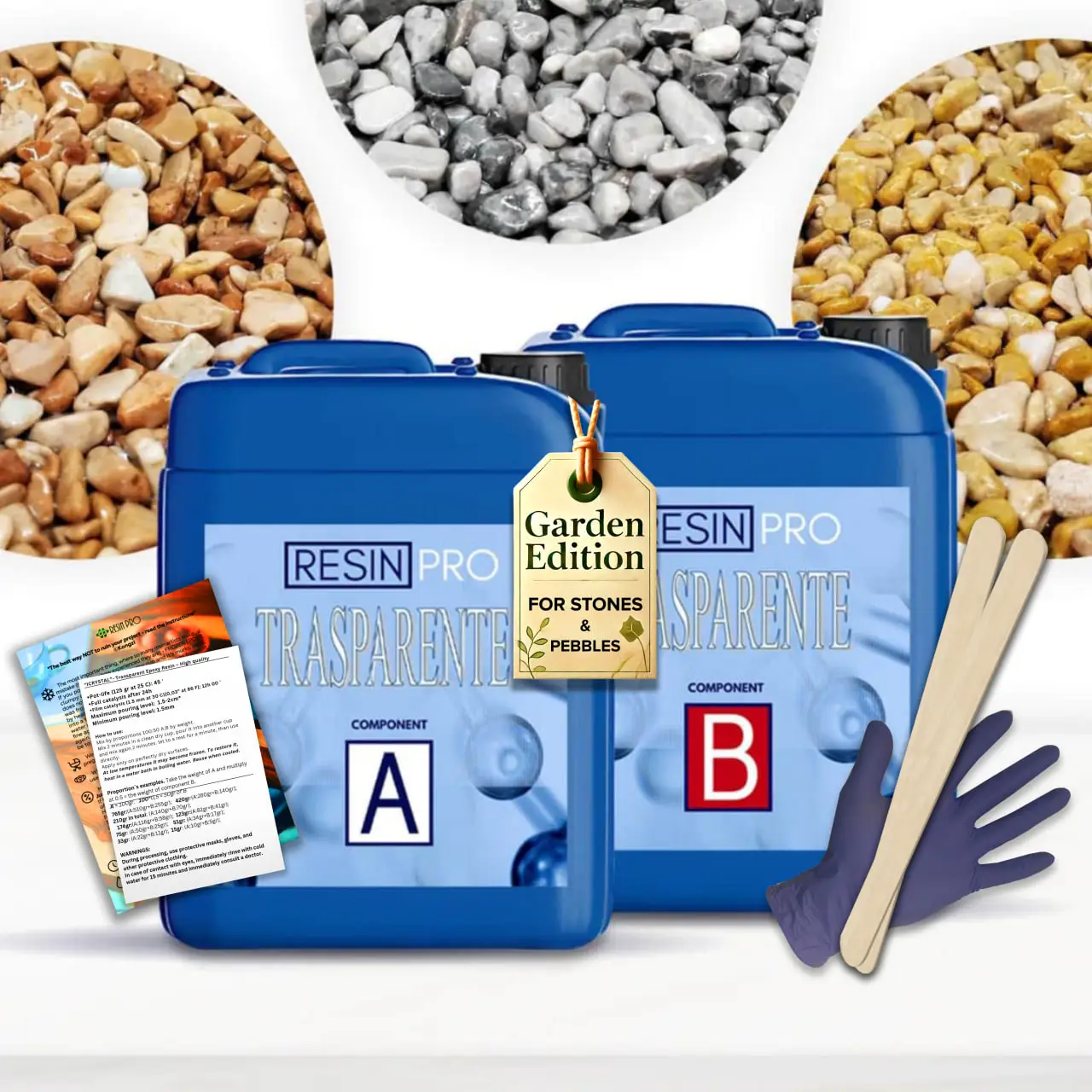 "Trasparente" – Epoxy Binder for Coloured Pebbles and GritsPrice range: £31.85 through £948.85"Trasparente" is a transparent epoxy binder for coloured pebbles and grits, suitable for permeable floors with UV-resistant and non-yellowing…
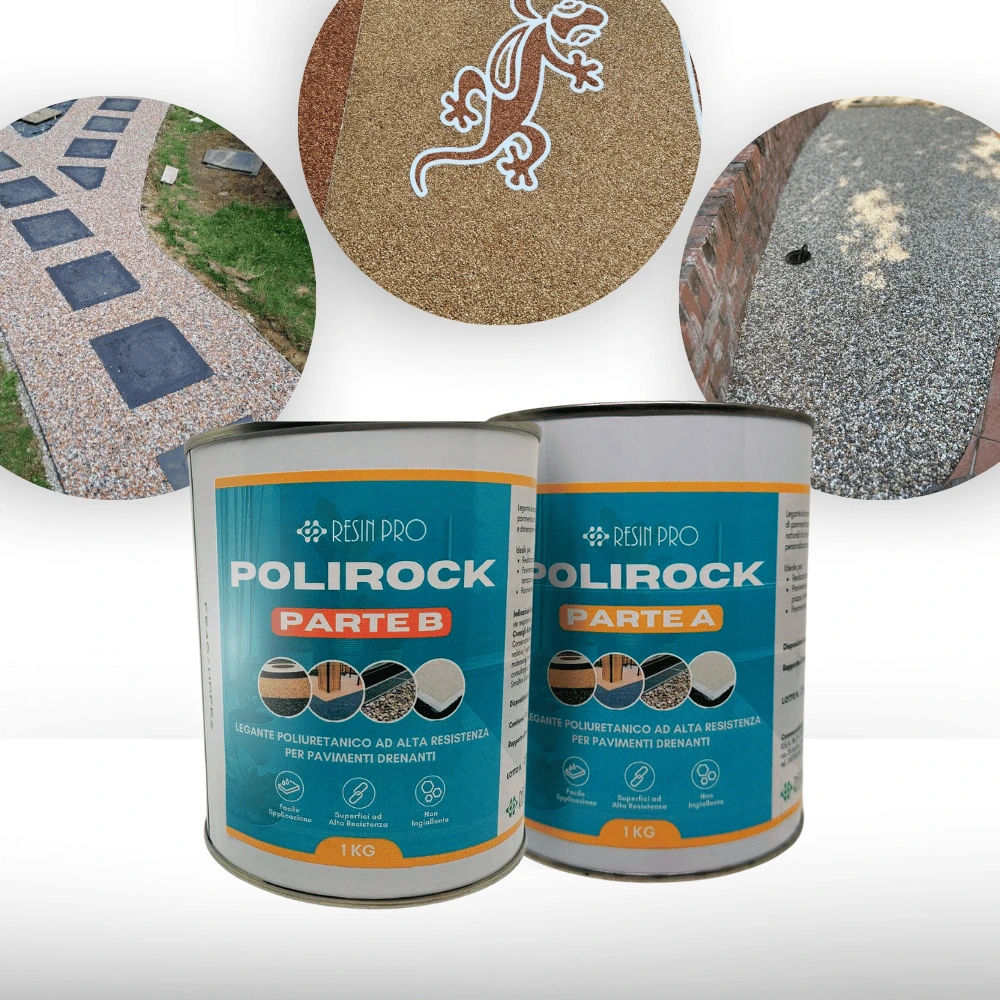 "Polirock" – Polyurethane Binder for White Stones, 2kg Two-Component Kit£58.85POLIROCK is a two-component polyurethane binder for decorative and permeable outdoor stone surfaces, suitable for professional and DIY use.
Frequently Asked Questions
What is the recommended quantity of pebbles needed per square metre for permeable flooring?
For most installations, one 25 kg bag of Washed Pebbles for Permeable Floors 25kg will cover about 1 m² when used with a suitable resin binder.
This ratio provides adequate structural integrity and water permeability for patios, pathways, and garden areas.
How do I calculate the amount of resin binder needed?
The resin to aggregate ratio varies by product. For “Trasparente” Epoxy Binder, use about 3% resin by weight (e.g., 800g per 25kg of stone). For “Polirock” Polyurethane Binder, allow for 1 kg of binder per 6–8 kg of aggregate.
Can I install a permeable resin-bound gravel floor by myself?
Absolutely! The “Flowstone” Complete Permeable Floor Kit comes with easy instructions. For larger areas or heavy-use applications, using a cement mixer and basic tools is recommended.
Why is resin mixing with pebbles necessary before laying?
Mixing ensures every stone is bonded and encapsulated, delivering a strong, stable, and fully permeable finish. Pouring binder directly onto loose gravel does not achieve this and may compromise longevity and drainage.
Which binder should I choose for coloured, white, or natural stones?
For white stones, use “Polirock” Polyurethane Binder for a clear, non-yellowing result. For coloured grits or decorative aggregates, “Trasparente” Epoxy Binder is best for UV resistance and vibrancy.
Are these floors suitable for car parks and driveways?
Yes, as long as correct materials and preparation methods are followed. Increase sub-layer stability and aggregate thickness in high-traffic zones for maximum durability.