 Free shipping on orders over £29,85
  Shipping Tracking!


 Google
 Facebook
How much resin is needed for 120 sq m of flooring?
Complete coverage advice for resin kits and surfaces
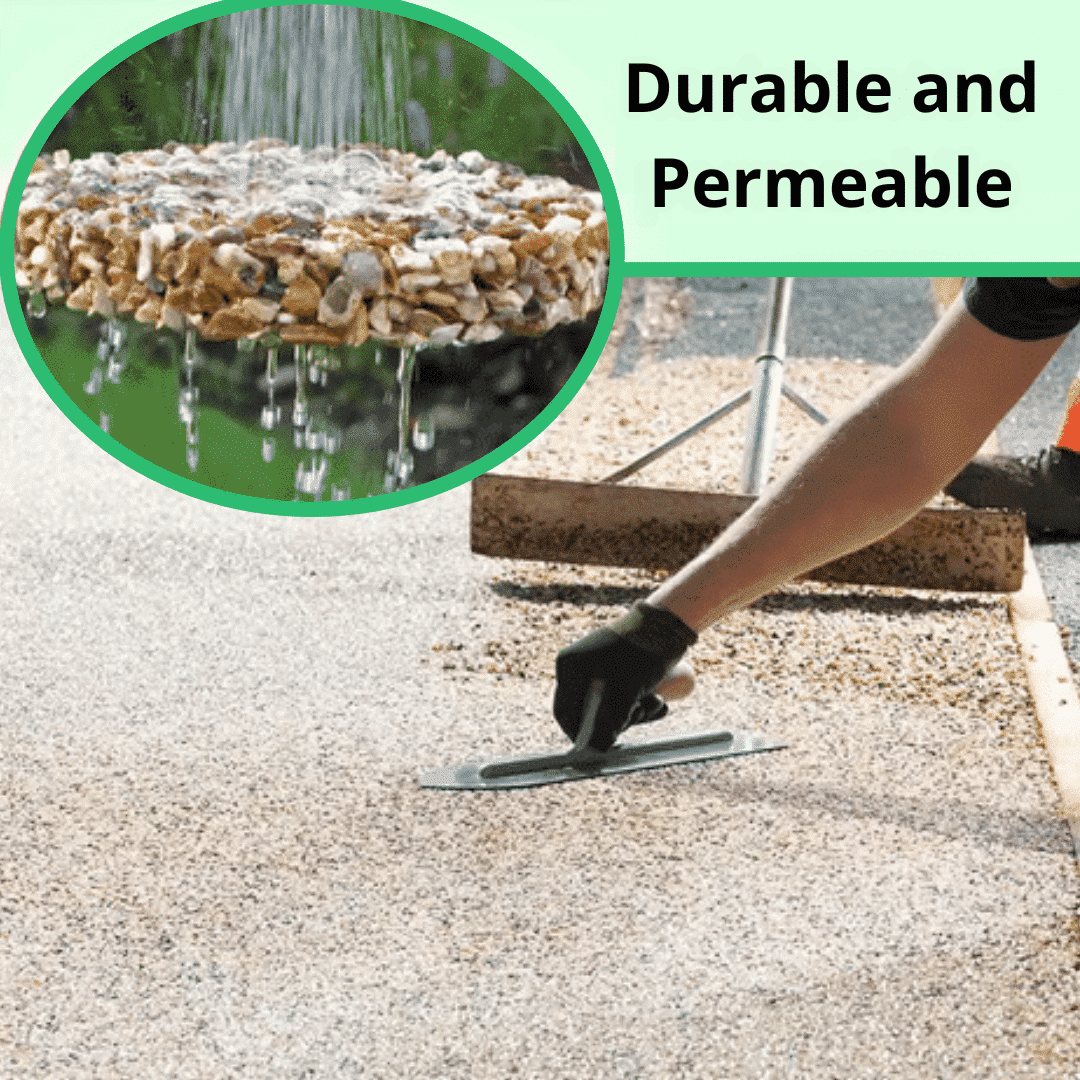
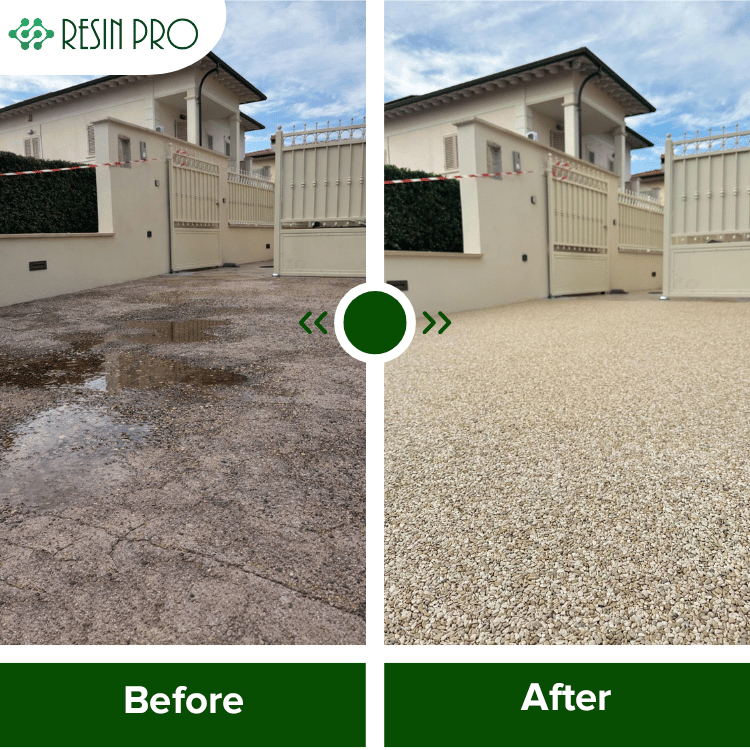
Planning a large-scale flooring project, such as covering 120 square metres, demands precise calculation of resin materials. This page is for homeowners, contractors, and tradespeople who want to understand exactly how much resin is needed for successful results. We provide in-depth guidance across multiple resin flooring systems—covering permeable pebble floors, decorative finishes, and protection for concrete—so you can select the right product and quantity for your specific requirements.
Resin Types and Quantity Guide for 120 sq m Floors
When estimating resin usage for 120 sq m of flooring, it’s important to consider both the resin system and the intended application—whether you need a decorative permeable surface, concrete protection, or a strong substrate bond. Permeable resin-bound kits combine decorative stones with specialty resin, while methacrylic sealers and water-based epoxy primers support or finish concrete floors. Coverage varies according to thickness, substrate, and aggregate. For resin-bound pebble systems, most kits specify resin quantity per square metre at a standard thickness (often 1-2 cm). For concrete sealers and primers, typical coverage rates are provided (e.g., grams/m²) to help you compute total requirements for 120 sq m.
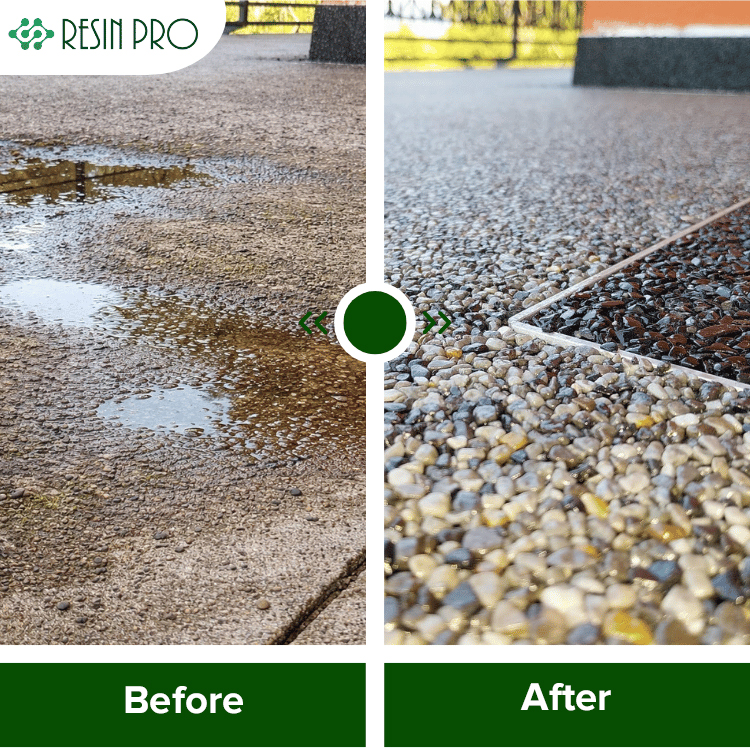
Flooring Project Visual Examples
See completed 120 sq m resin flooring installations—from modern permeable driveways to sealed concrete surfaces—demonstrating durability and style with the right resin system.
“Flowstone” – Complete Permeable Floor Kit with Pebbles and Resin
The “Flowstone” – Complete Permeable Floor Kit with Pebbles and Resin is designed for creating decorative, durable, and draining outdoor floors. Ideal for driveways and footpaths, each kit is portioned by area—making coverage planning straightforward. For 120 sq m, select the kit size that matches your space, or combine multiple kits as required. You must also choose the correct resin type: non-yellowing polyurethane for white stones and low-yellowing epoxy for coloured aggregates. Step-by-step guides are included, and the system ensures water permeability to prevent puddling, making it excellent for the UK climate.
“Trasparente” – Epoxy Binder for Coloured Pebbles and Grits
“Trasparente” – Epoxy Binder for Coloured Pebbles and Grits is formulated specifically for decorative flooring with coloured pebbles and grit. This two-part system delivers a bubble-free, crystal-clear finish and boasts excellent UV stability—crucial for outdoor projects. For a 120 sq m area, calculate resin and stone quantities based on intended thickness (commonly 1-2 cm) using the included calculator. One of the key benefits is the low viscosity, ensuring rapid and thorough impregnation of aggregates. It is walkable in 10 hours and totally cured within 24 hours, ideal if a rapid installation is planned.
“Resinstone” – One-Component Methacrylic Resin for Concrete Floors and Driveways
Protect and seal concrete or stamped floors with “Resinstone” – One-Component Methacrylic Resin for Concrete Floors and Driveways. This product is best for waterproofing and strengthening absorbent concrete. When calculating for 120 sq m, use the specific consumption rate (typically 40–60 g per square metre) to determine how much resin is needed to coat the area efficiently. Applied by roller or airless sprayer, Resinstone offers fast drying (usable in under 12 hours) and provides a breathable, durable surface resistant to chemicals and weathering.
“Epoxyprimer” – Universal Water-Based Two-Component Epoxy Floor Primer
The “Epoxyprimer” – Universal Water-Based Two-Component Epoxy Floor Primer is ideal when preparing concrete, screed, tiles, or even timber floors prior to resin application. Coverage depends on the porosity of the substrate, typically ranging from 100–300 g/m². This means you’ll need between 12 kg and 36 kg for a 120 sq m area. Its eco-friendly, odourless formula ensures indoor safety, and it maximises the bond and longevity of your finishing resin system.
Tips for Calculating and Optimising Resin Usage
Carefully measuring your area and selecting the right thickness for your application are essential to avoid material shortages or unnecessary waste. Always check the recommended coverage rates on each product’s datasheet, factoring in substrate porosity or aggregate size. For permeable floors, ensure thorough mixing of resin and aggregate for structural resilience and drainage. For concrete sealers and primers, avoid overdosing thin coatings and allow for absorption variations in highly porous or new concrete. If in doubt, contact ResinPro support for personalised quantity calculation and product advice.
Expert Advice for Estimating Resin Quantities
Measure accurately and always refer to each product’s coverage guide to avoid pitfalls. Consider substrate absorption, environmental conditions, and the chosen aggregate or finish for best results.
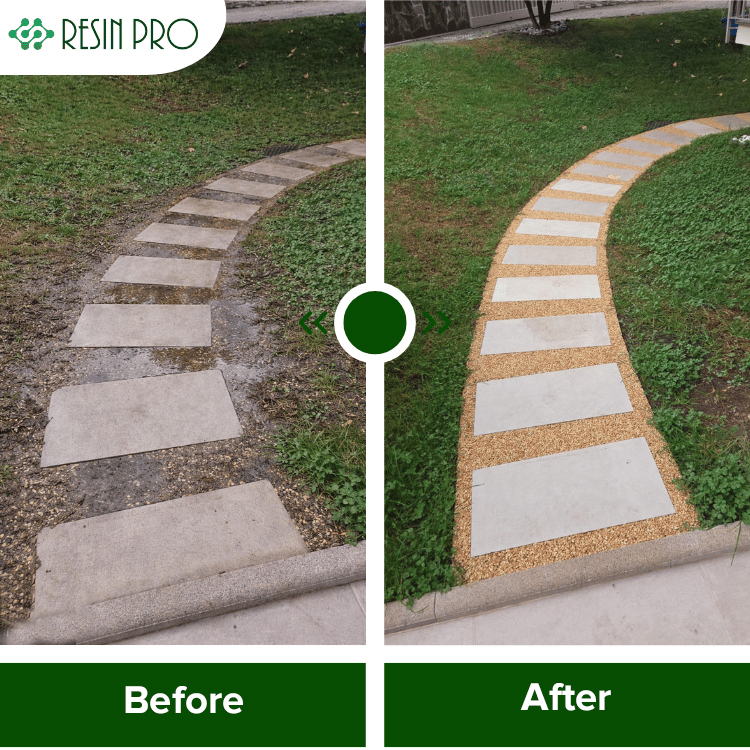
- "Flowstone" – Complete Permeable Floor Kit with Pebbles and ResinPrice range: £49.95 through £3,915.45Flowstone kit offers a durable, permeable pebble and resin floor solution designed for UK driveways and paths. Includes resin guidance for lasting…
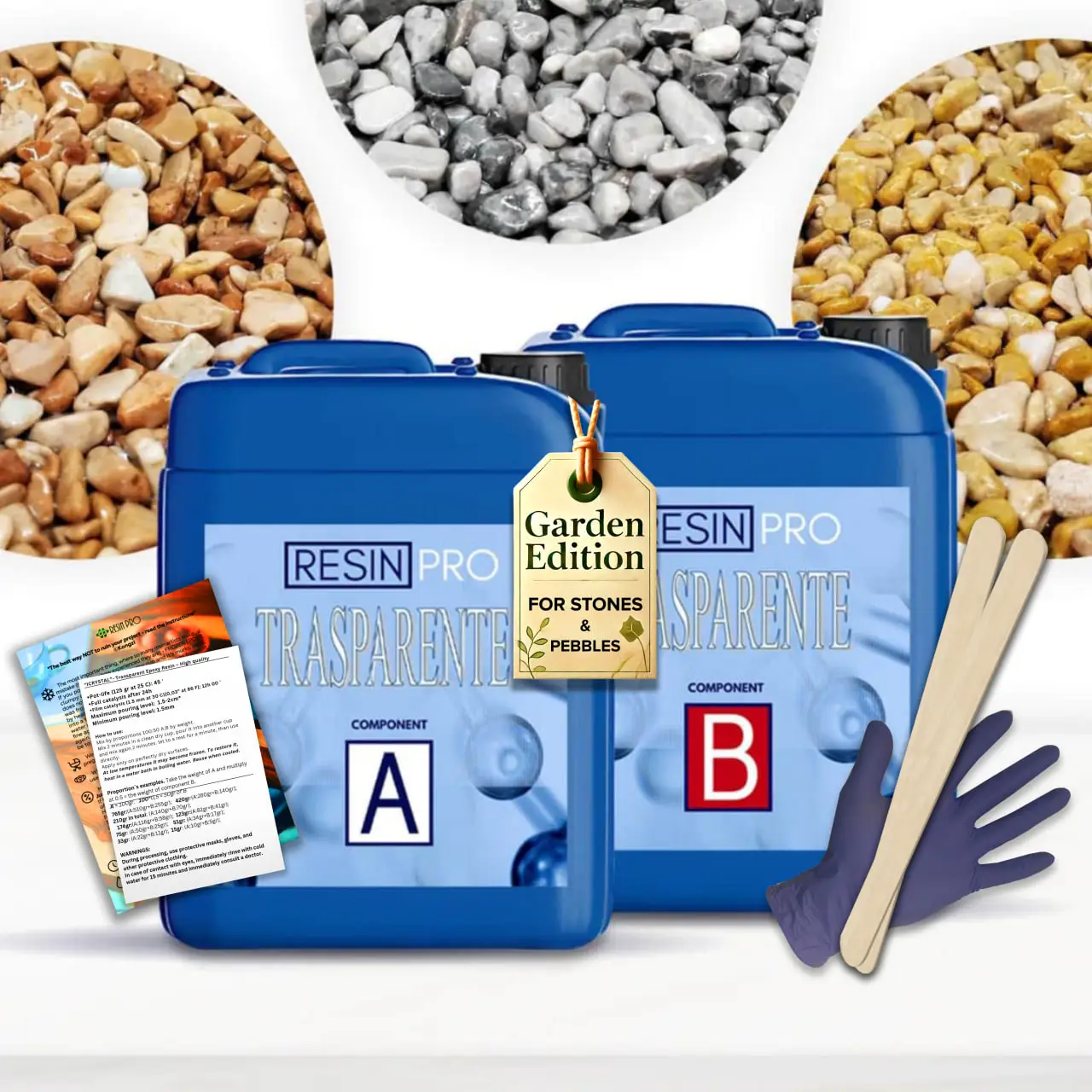 "Trasparente" – Epoxy Binder for Coloured Pebbles and GritsPrice range: £33.45 through £397.95"Trasparente" is a transparent epoxy binder designed for coloured pebbles and grits with UV resistance and a bubble-free clear finish.
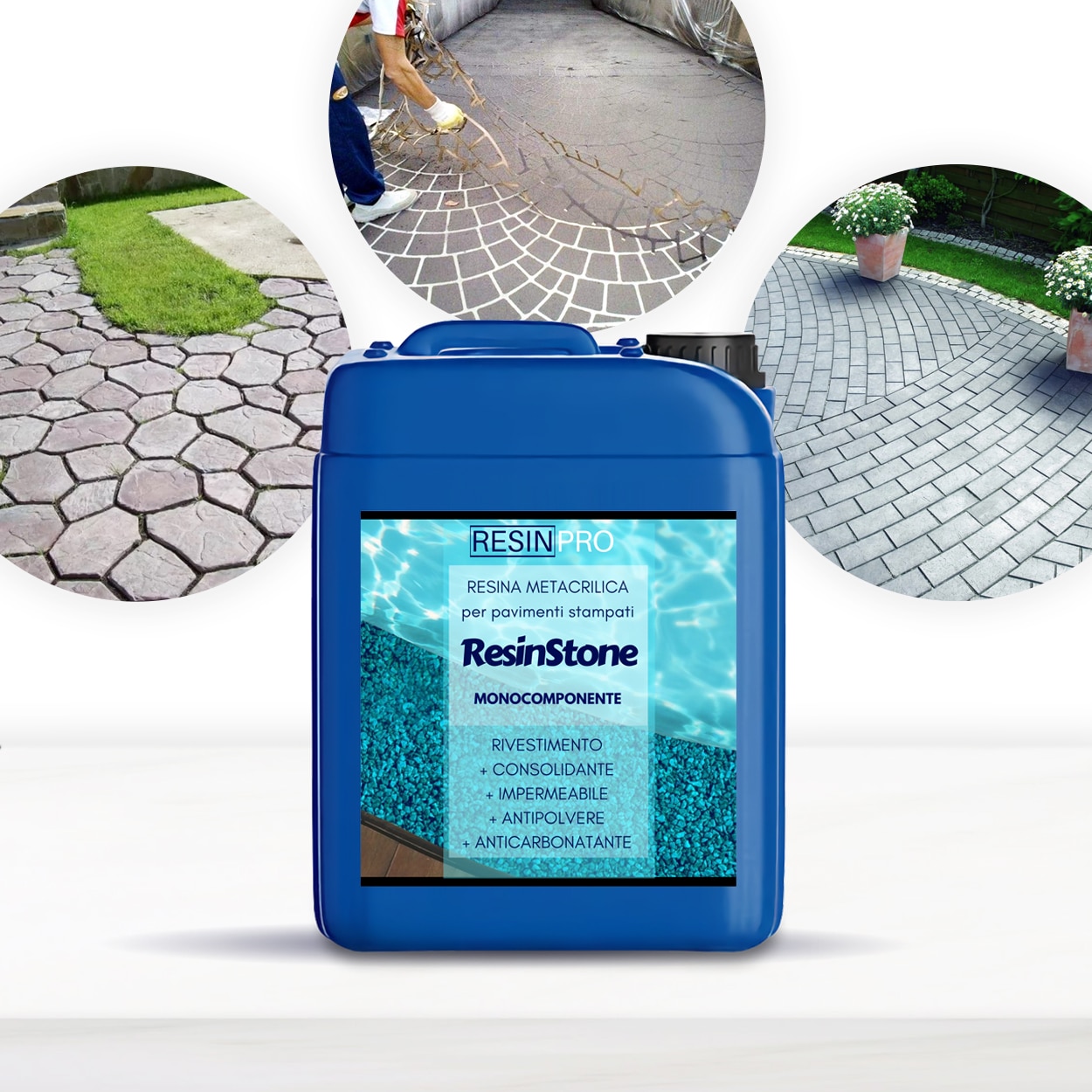 "Resinstone" – One-Component Methacrylic Resin for Concrete Floors and DrivewaysPrice range: £36.71 through £336.48"Resinstone" is a one-component methacrylic resin designed for sealing and protecting concrete floors with durable, breathable, and quick drying…
 "Epoxyprimer" – Universal Water-Based Two-Component Epoxy Floor PrimerPrice range: £156.45 through £286.45"Epoxyprimer" is a water-based two-component epoxy floor primer suitable for various substrates within the context of resin flooring.
Frequently Asked Questions
How much resin do I need for a 120 sq m pebble floor?
For permeable pebble systems, use the kit calculator or estimate based on a standard thickness (1–2 cm). Each product provides typical coverage rates.
Which resin is best for sealing 120 sq m of concrete?
"Resinstone" is recommended for protecting and sealing absorbent concrete surfaces over large areas like 120 sq m.
Is a primer required before laying resin flooring?
Using a compatible primer such as "Epoxyprimer" improves adhesion and durability on concrete, screed, or tile substrates.
How do I calculate the correct quantity of resin for my floor?
Multiply the surface area by the recommended consumption (g/m²) for your chosen resin or kit. Refer to each product’s datasheet for accuracy.
Do I need polyurethane or epoxy resin for pebble surfaces?
Use non-yellowing polyurethane for white stones and low-yellowing epoxy for coloured stones to maintain colour stability.
Can I use a concrete floor resin on loose gravel?
No, products like "Resinstone" are for absorbent rigid surfaces. Use a dedicated stone binder for loose or aggregate-based floors.