 Free shipping on orders over £29,85
  Shipping Tracking!


 Google
 Facebook
← Back to How do you maintain a synthetic resin field?
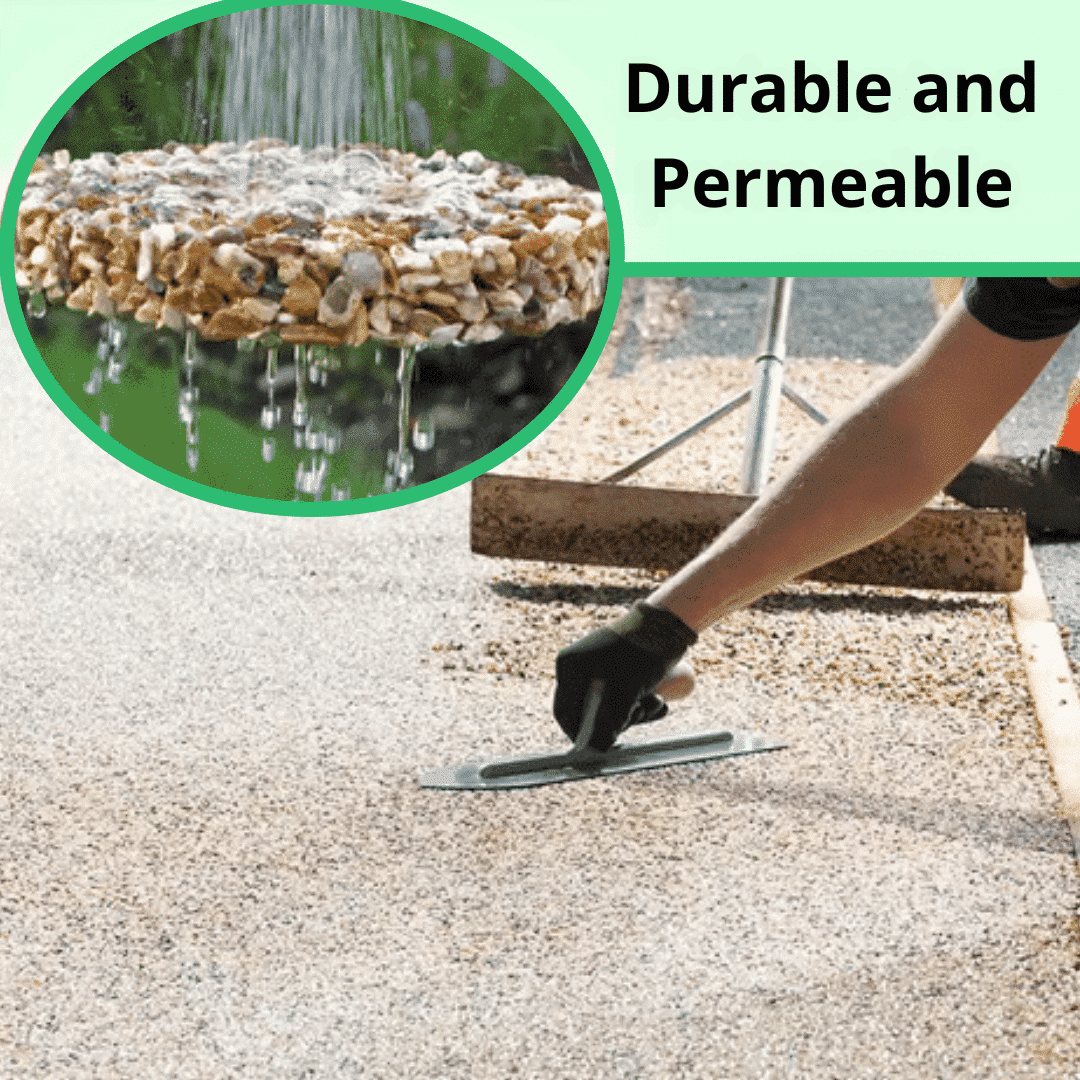
Consistent resealing is key to keeping your synthetic resin field attractive and long-lasting. Understanding when to reseal helps ensure optimal performance and reduce costly repairs down the line.
Typical Resealing Frequency
In most cases, a synthetic resin field should be resealed every 2 to 3 years. However, areas experiencing heavy traffic—such as driveways or popular footpaths—might require earlier attention if you notice diminished gloss or visible surface wear. Regular inspection will help identify when resealing is necessary, preventing minor issues from becoming major problems.
How to Check If Resealing is Needed
- Surface Appearance: Faded colour or lack of shine suggests the protective seal is wearing thin.
- Water Behaviour: If water no longer beads and starts soaking into the surface, it’s time to reseal.
- Physical Signs: Small cracks or visible wear in high-traffic zones indicate the need for treatment.
For specialist resin surfaces such as pebble or aggregate systems, always check manufacturer guidelines for your particular binder. For example, the Flowstone Complete Permeable Floor Kit offers clear instructions for ongoing maintenance to preserve permeability and visual appeal.
Choosing the Right Resealing Product
For best results, use a compatible resin or sealer that matches your existing surface. Polyurethane binders—such as Polirock—are well-suited for white or light-coloured aggregates and are known for their non-yellowing qualities. Epoxy binders like “Trasparente” offer excellent UV stability for coloured or dark stone surfaces. Always follow detailed guidance for mixing, application, and curing to maintain appearance and durability.
Related products
Related guides
Timely resealing extends the lifespan and beauty of your synthetic resin field, reducing overall upkeep. For more comprehensive advice on field maintenance, visit our main guide on maintaining synthetic resin surfaces.