 Free shipping on orders over £29,85
  Shipping Tracking!


 Google
 Facebook
← Back to How do you make a provisional in resin?
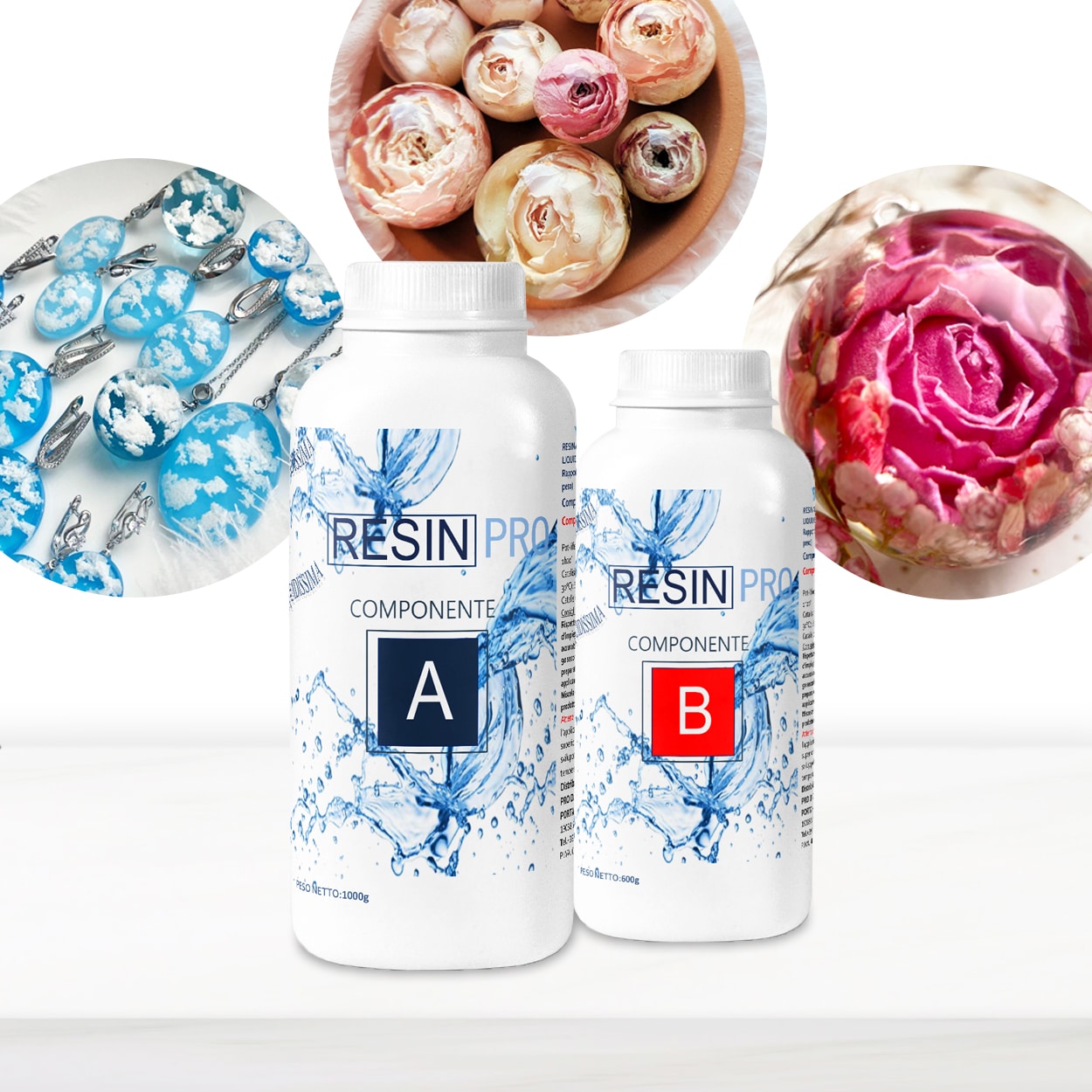
A high-gloss finish can truly elevate your resin provisionals, whether they’re prototypes, model pieces, or decorative items. Achieving this shine requires careful resin choice and finishing effort for a professional, glass-clear effect.
Selecting the Right Resin for Clarity
Opt for a resin that naturally cures with high transparency and self-levelling properties. For fine detail and a glossy outcome, a product like Liquidissima Epoxy Resin is ideal. It flows easily into complex moulds, reduces air bubbles, and results in a clear, reflective surface. If working on flat or intricate surface layers, consider specialty art resins that are designed for a glassy top coat.
Polishing and Finishing Techniques
Even when using a premium resin, the gloss can be enhanced further with a gentle sanding and polishing routine. After the provisional is fully cured, start by sanding any imperfections using progressively finer grits. Rinse and dry between steps, then polish the surface with a soft cloth and suitable polishing compound to reveal a deep, high-gloss shine. Take care not to over-sand or use harsh abrasives, as this can dull the finish.
When Gloss Matters Most
Achieving a glossy finish isn’t just about aesthetics; it’s useful for presentation models, jewellery mock-ups, or prototypes where clarity and professionalism make a decisive impression. A flawless surface also helps highlight any embedded details or colour effects in your piece.
Related products
Related guides
Mastering the steps for a glossy finish elevates your resin provisionals and ensures your projects stand out. For more comprehensive guidance on working with resin and creating provisionals, return to the main FAQ guide.