 Free shipping on orders over £29,85
  Shipping Tracking!


 Google
 Facebook
How to anchor iron with resin?
Anchoring iron with resin provides a robust, long-lasting hold, whether you’re mounting fence posts, setting bolts, or making repairs to metal structures. This guide covers each step required to achieve a secure and professional iron anchoring result using resin, from preparation to final cure. Whether you are a DIY enthusiast or a trade professional, you’ll find solutions for achieving maximum strength and durability in your resin-bonded iron fixings.
Techniques for securing iron objects with resin bonding

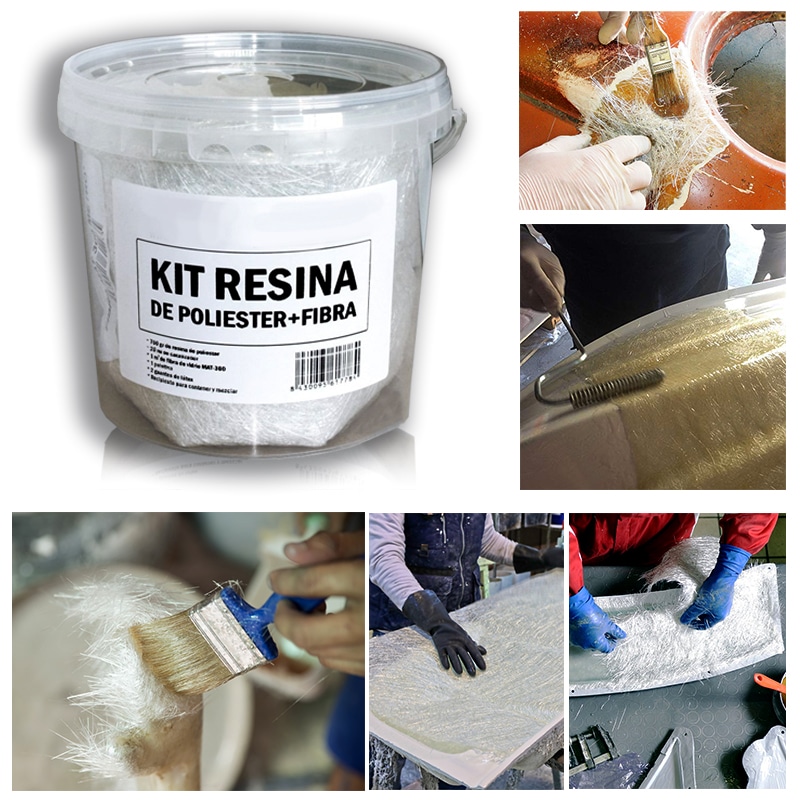
What You’ll Need
- Resin Fibreglass Repair Kit – Complete Polyester Resin and Hardener Set: Complete kit with resin, hardener, and fibreglass for rigid structural anchoring.
- “Epoxytable 10-Ten” – Deep Pour Epoxy Resin for Tables, Up to 10cm Casting: Deep casting resin for projects requiring generous resin volumes and depth.
- “EpoxyTable 5-Five” – Deep Pour Epoxy Resin for Tables and Large Projects – Up to 5cm: Suitable for medium-depth pours and secure anchoring in most applications.
- “Carbon Resin” – Epoxy Resin for Carbon Fiber & Fiberglass Coating: For high mechanical strength and professional composite anchoring.
- Cleaning tools: wire brush, degreasing solvent
- Mixing containers and stirrers
- Protective gloves and safety goggles
- Clamps or supports for holding iron in place
Essential tools and resins for anchoring iron
Having a well-prepared materials list ensures your anchoring job proceeds smoothly. Use only resins with appropriate strength and depth capabilities for best results, and assemble all safety gear and mixing tools before starting.
Step 1: Prepare the Iron and Receiving Surface
The key to a strong anchor begins with meticulous surface preparation. Remove all traces of rust, old paint, grease, or debris from the iron using a wire brush or sandpaper. Clean both the iron item and the hole, channel or base where it will be anchored. Use a degreasing solvent for a residue-free finish. This eliminates contaminants that can inhibit resin bonding.
Thoroughly clean and degrease the iron surface so that the resin can adhere firmly, leading to a stronger and more durable bond.
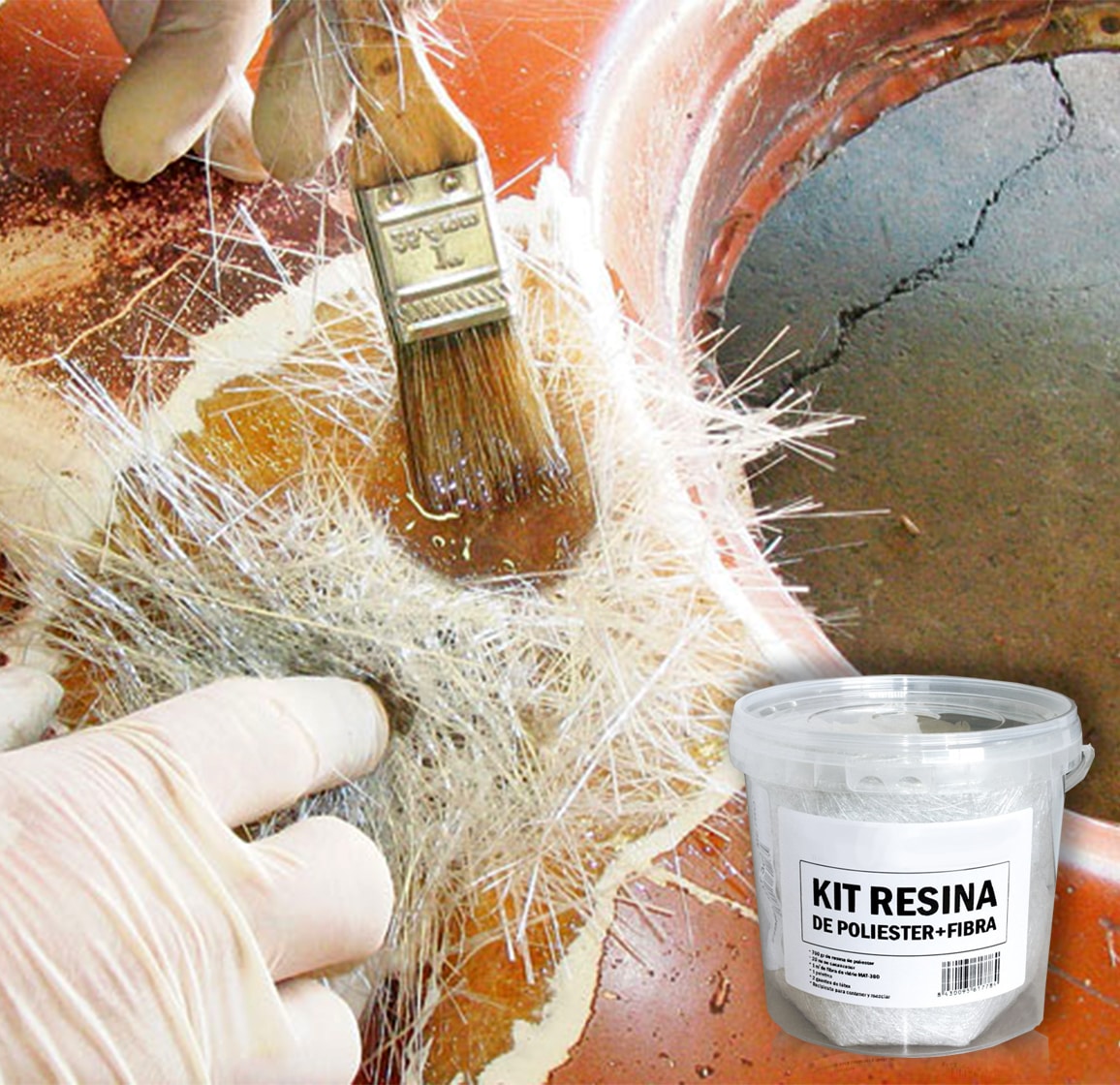
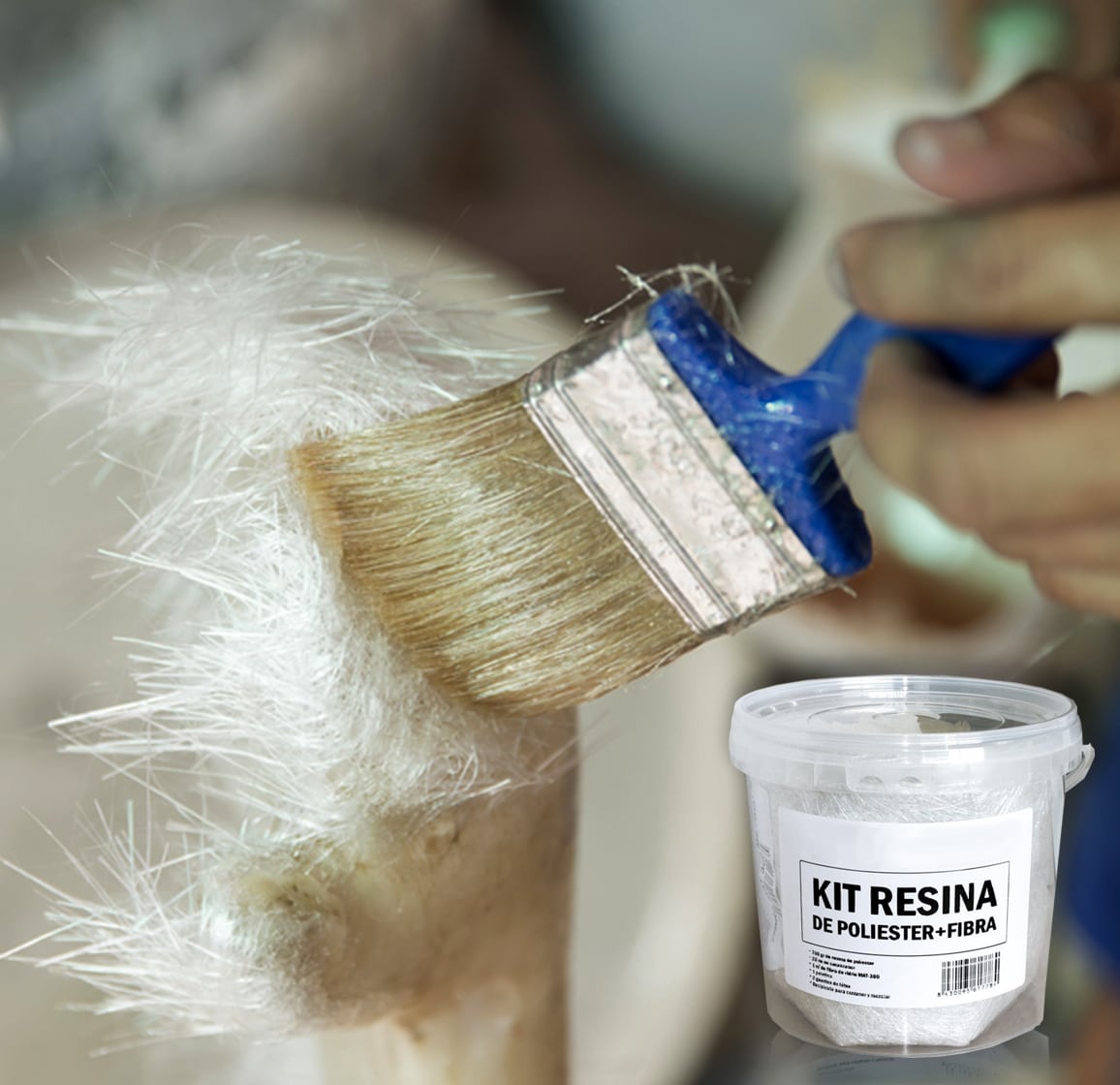
Resin Fibreglass Repair Kit – Complete Polyester Resin and Hardener Set
Complete kit for emergency repairs with durable orthophthalic polyester resin and fibreglass reinforcement.
Step 2: Create a Secure Hold
Test fit the iron piece to ensure proper placement. If you are inserting iron into concrete, wood, or stone, inspect the void or recess to verify it is free of dust and moisture. Position the iron object, and fix it firmly in place with temporary support, such as a clamp or wedge, to prevent movement during pouring and curing. The stability of the iron is vital to avoid misalignment and to achieve a robust anchor.
Position and support the iron securely before pouring resin to maintain exact alignment during the cure.
Step 3: Mix and Pour the Resin
Mix the chosen resin thoroughly according to the manufacturer’s instructions, paying close attention to the specified ratio and mixing time. Products like Resin Fibreglass Repair Kit – Complete Polyester Resin and Hardener Set include both resin and hardener in the appropriate quantities, making accurate mixing straightforward.
Slowly pour the mixed resin around and under the iron part, taking care to fill all voids and avoiding air pockets. For deeper or bulkier anchors, a deep-pour formulation such as “Epoxytable 10-Ten” – Deep Pour Epoxy Resin is ideal, as it prevents overheating even in thicker applications.
Pour resin carefully to avoid trapped air, which can weaken the anchor. Use a stick or rod to guide the resin in and release bubbles as needed.
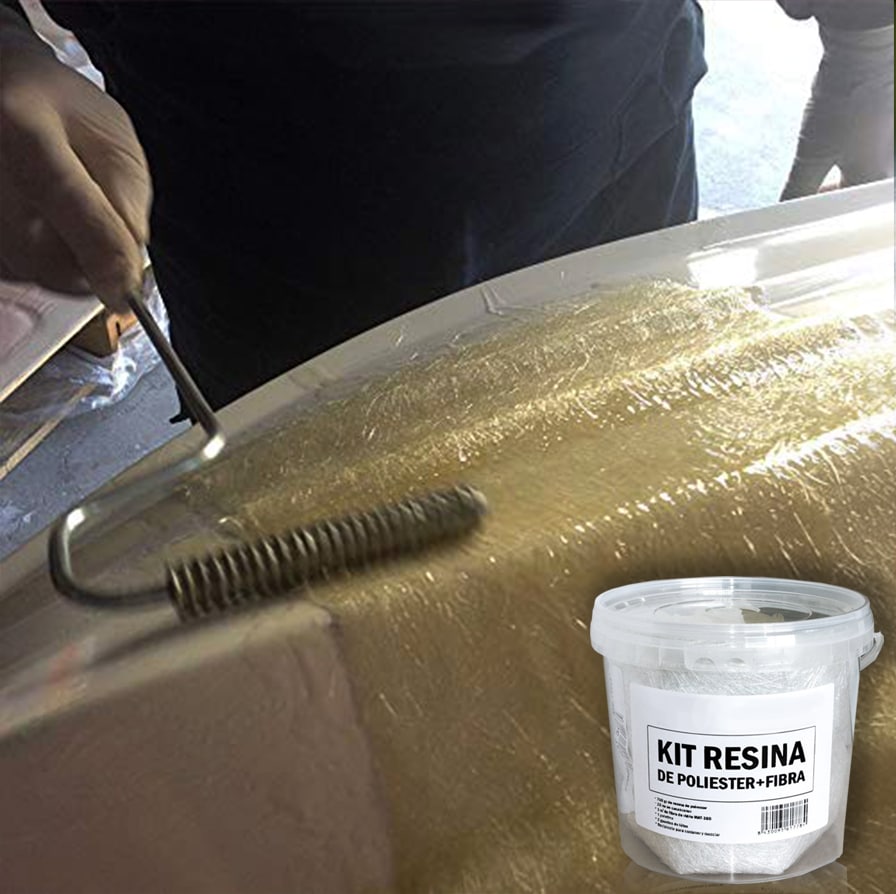
Resin Fibreglass Repair Kit – Complete Polyester Resin and Hardener Set
Complete kit for emergency repairs with durable orthophthalic polyester resin and fibreglass reinforcement.
Step 4: Allow to Cure Fully
Let the resin cure undisturbed for the time recommended by the manufacturer—typically from several hours up to a day depending on formula and ambient temperature. During this period, avoid touching or disturbing the iron so the bond develops maximum strength. If you are using an epoxy designed for high mechanical performance, such as “Carbon Resin” – Epoxy Resin for Carbon Fiber & Fiberglass Coating, you can rely on exceptional resistance to impact and vibration after full cure.
Allow full curing before placing weight on the anchor to ensure optimal strength and durability of the iron-resin bond.
Tips, Common Mistakes, and Troubleshooting
For best results, work on dry surfaces and in stable temperatures. Inadequate cleaning or moisture can cause poor adhesion or weak spots. Always prepare a bit more resin than calculated—it’s easier to discard excess than to stop midway through pouring. If bubbles form on the surface, gently wave a heat gun or use a pin to pop them before the resin sets.
If the iron is loose after curing, it may indicate improper support or insufficient resin coverage. Remove, re-clean, and repeat the process as needed. Patience during the curing period is essential—check the manufacturer’s guidance for each formulation, as premature handling can compromise the final strength.

“Epoxytable 10-Ten” – Deep Pour Epoxy Resin for Tables, Up to 10cm Casting
Epoxy resin suitable for deep casting applications up to 10cm thickness.
Troubleshooting iron anchoring with resin
Professional results rely on patience and methodical preparation. Address any resin weaknesses by checking cleaning, support, and curing steps. Always follow product-specific guidance for curing and handling heavy loads on anchored iron.
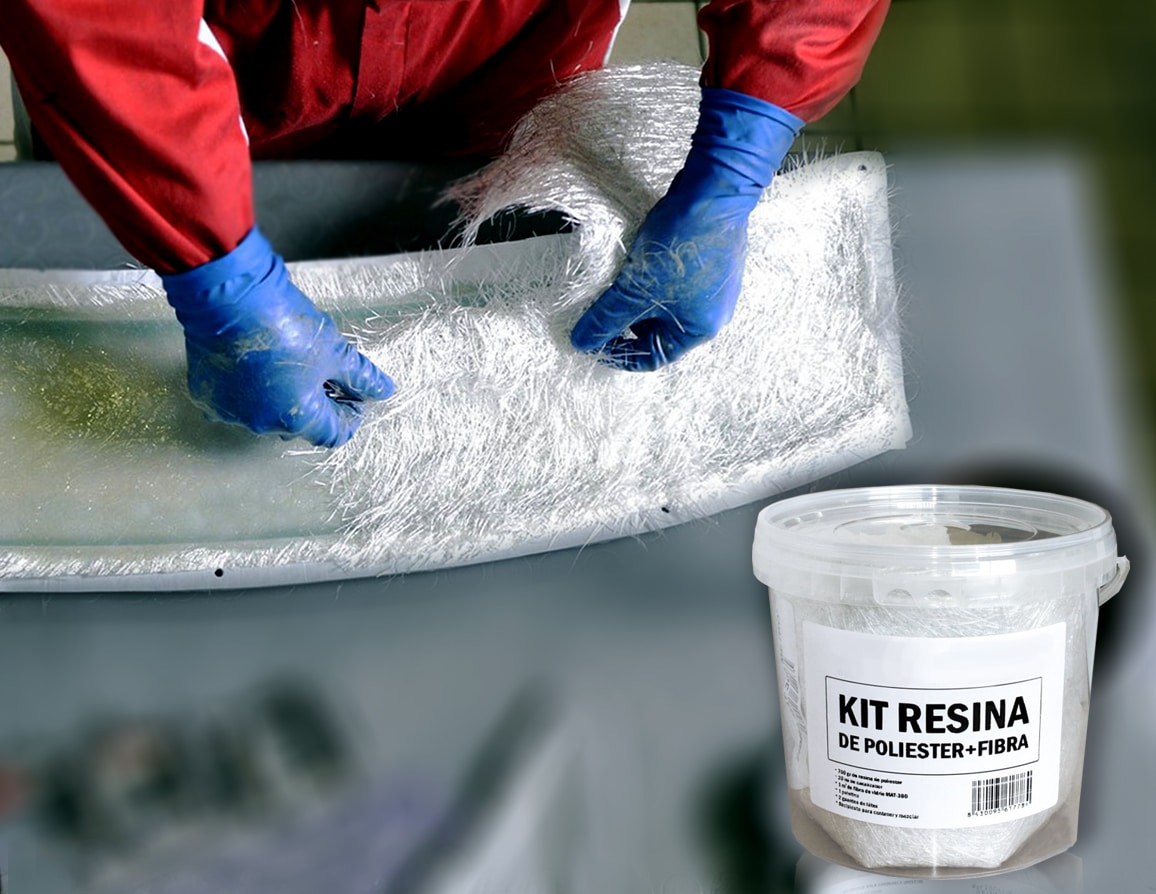
- Resin Fibreglass Repair Kit – Complete Polyester Resin and Hardener SetPrice range: £13.85 through £22.85Resin Fibreglass Repair Kit provides waterproof, impact-resistant bonds and strong reinforcement, suitable for various rigid materials.
- “Epoxytable 10-Ten” – Deep Pour Epoxy Resin for Tables, Up to 10cm CastingPrice range: £33.85 through £334.85“Epoxytable 10-Ten” is designed for deep pours up to 10cm, suitable for tables and artistic projects with a low exothermic reaction.
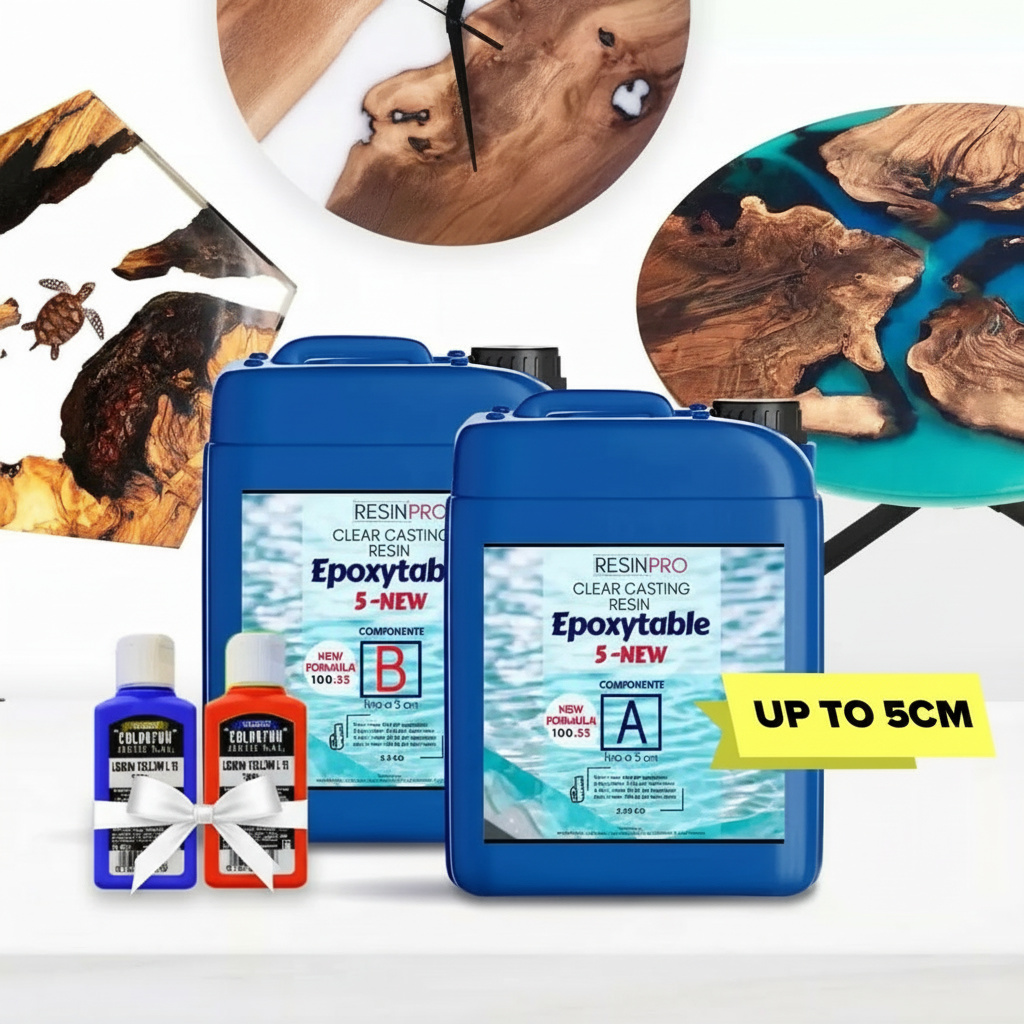 "EpoxyTable 5-Five" – Deep Pour Epoxy Resin for Tables and Large Projects – Up to 5cmPrice range: £16.85 through £1,099.85"EpoxyTable 5-Five" is a deep pour epoxy resin designed for tables and large projects, offering clarity and resistance for up to 5cm thickness.
 "Carbon Resin" – Epoxy Resin for Carbon Fiber & Fiberglass CoatingPrice range: £18.85 through £35.85"Carbon Resin" is an epoxy resin designed for carbon fibre and fibreglass with easy application and a glossy finish.
Frequently Asked Questions
How do I prepare iron before anchoring it with resin?
Clean the iron thoroughly to remove rust, oil, or other contaminants. Sand any rough or flaky areas and use a degreaser to ensure complete cleanliness. Proper preparation is crucial for resin adhesion and a long-lasting, strong bond.
What is the best resin type for anchoring iron?
This depends on the scale and requirements of your project. Use a fibreglass/polyester kit for repairs and reinforcement, deep-pour epoxy for large or deep fixings, and high-strength epoxies for maximum impact resistance. Choose according to the application depth and mechanical requirements.
How long does resin take to cure when anchoring iron?
Curing times depend on resin type and ambient conditions. Most resins fully cure within 12 to 24 hours, but always refer to the product's instructions for best results. Avoid disturbing the setup before full cure to ensure optimal strength.
How do I prevent air bubbles in the resin around iron?
Mix resin slowly and pour in stages if necessary. Use a stick to guide resin into hollows and gently tap the area to encourage bubbles to rise. In cases of persistent bubbles, use a pin or gentle heat to remove them before curing begins.
What should I do if the resin bond is weak or fails?
Check whether there was inadequate cleaning, moisture, or movement during the cure. Remove the iron, clean all surfaces again, and repeat the process—ensuring stability and correct ratios throughout.
Can these techniques be used for outdoor applications?
Yes, most structural resins are suitable for exterior use, but ensure the chosen product offers weather resistance and is compatible with your substrate. Follow manufacturer guidance for exposure to moisture and temperature variations.