 Free shipping on orders over £29,85
  Shipping Tracking!


 Google
 Facebook
How to apply epoxy resin on concrete?
Step-by-step guide for durable, professional concrete finishes
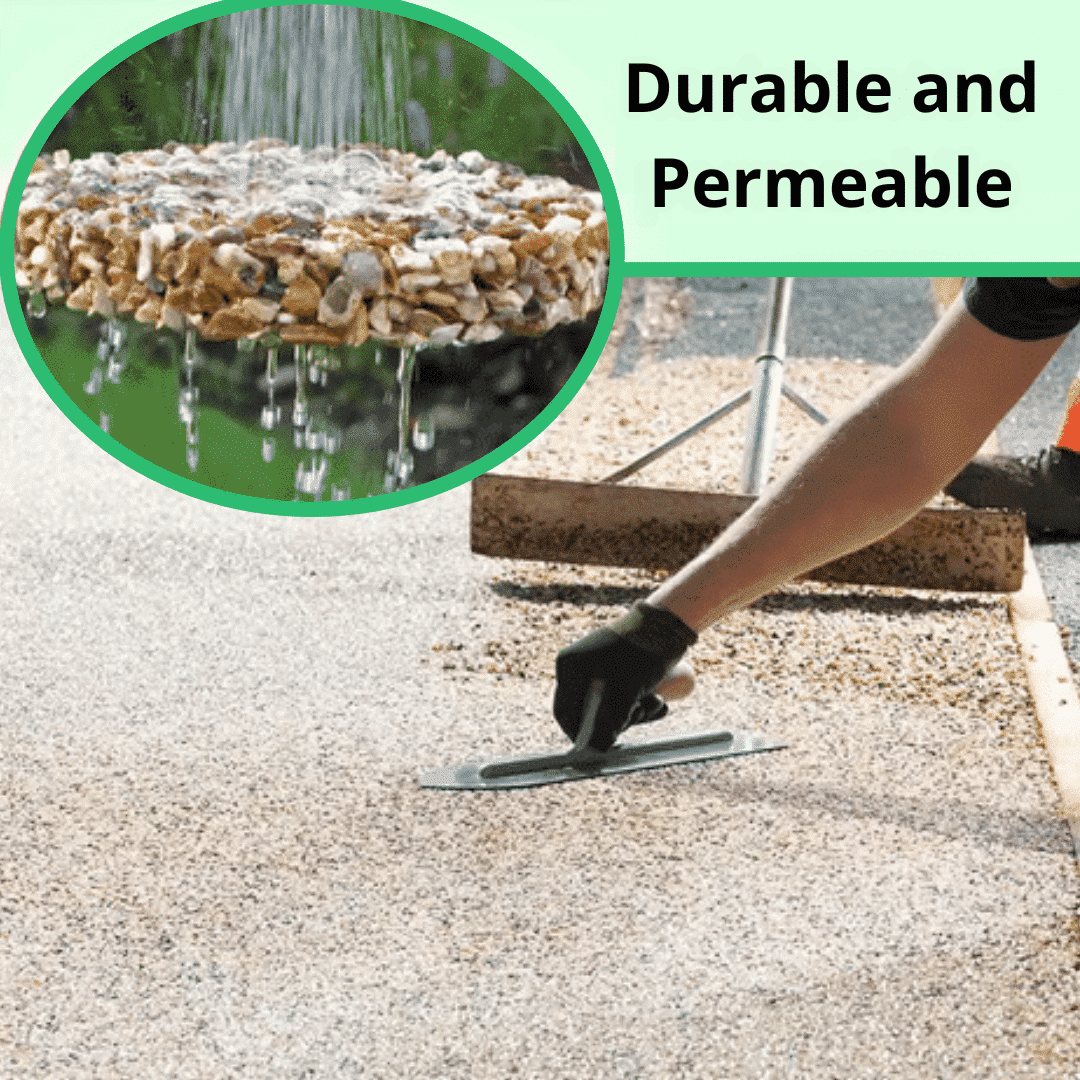
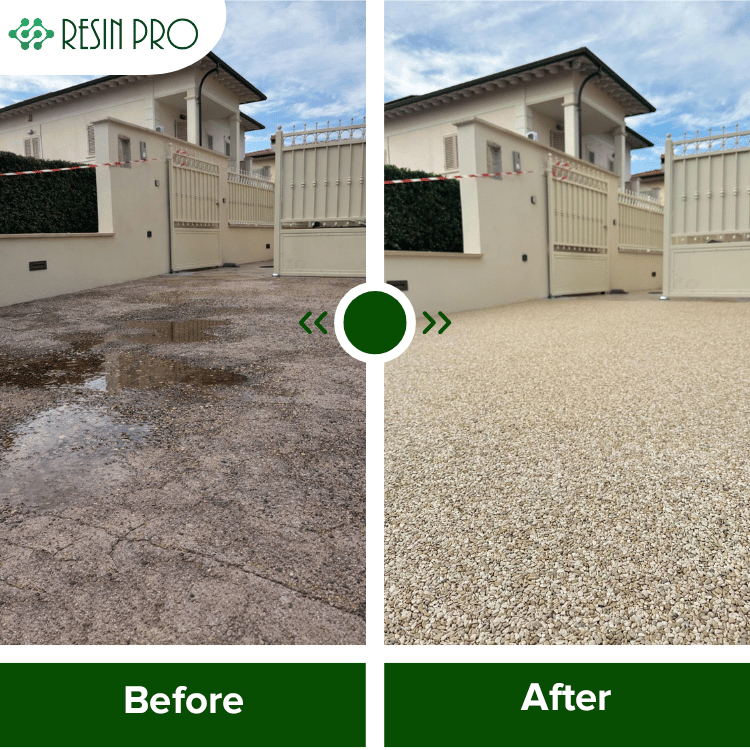
Applying epoxy resin to concrete is an effective way to create a tough, attractive, and long-lasting surface for both indoor and outdoor projects. Whether you want to protect garage floors, refresh patios, or add a decorative touch, a professional resin application on concrete delivers superior durability and chemical resistance. This guide breaks down the process—preparation, priming, resin application, and finishing—so you can achieve excellent results and avoid common pitfalls.
What You’ll Need
- “Epoxyprimer” – Universal Water-Based Two-Component Epoxy Floor Primer: A water-based epoxy primer for stable, durable adhesion to concrete and tiles.
- “Flowstone” – Complete Permeable Floor Kit with Pebbles and Resin: Kit for creating permeable, decorative resin-bound surfaces (optional for resin-stone finishes).
- “Resinstone” – One-Component Methacrylic Resin for Concrete Floors and Driveways: For sealing and protecting concrete, especially for external paths or driveways.
- “Prolux” – PU coating for tiles, concrete, plastic and metal – suitable for driveable surfaces: Durable finishing coat, ideal for high-traffic or outdoor concrete surfaces.
- Rollers, brushes, mixing buckets, and PPE (gloves, goggles, protective clothing)
- Degreaser, sanding materials, and cleaning equipment

Essential Tools and Materials for Resin Application
Gather all required materials in advance to streamline your workflow and minimise interruptions. Having the right primer, resin system, and application tools ensures a smooth and successful process from start to finish. If you plan a decorative finish, prepare your chosen aggregates and personal protective equipment early.
Step 1: Prepare the Concrete Surface
To start, ensure the concrete is fully cured, clean, and free of dust, oil, or loose particles. Sweep or vacuum thoroughly, and use a degreaser to remove stubborn stains. If existing coatings are present, sand or grind them away for fresh adhesion. Fill cracks or holes with suitable repair mortar, allowing all repairs to dry before proceeding. Thorough cleaning and surface prep are crucial for strong, uniform resin bonding.
Step 2: Prime the Concrete for Better Adhesion
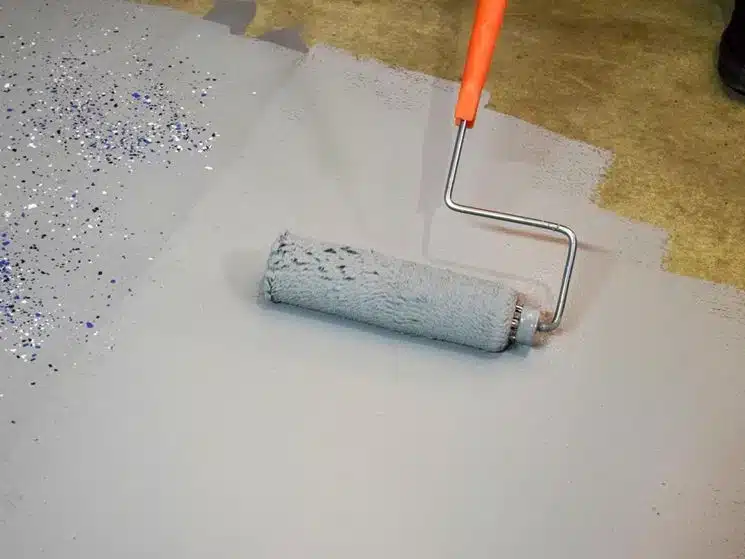
Priming helps to seal the porous concrete and improves the bond between the substrate and the resin layer. Using a roller or brush, apply a generous but even layer of “Epoxyprimer” – Universal Water-Based Two-Component Epoxy Floor Primer, following the recommended mixing ratio. Allow it to soak in, avoiding puddling. Let it cure for the time specified in the product instructions, typically 24–48 hours. Allow proper drying and curing between steps to achieve the best performance.
Step 3: Mix and Apply the Epoxy Resin
Once the primer has cured, mix your chosen epoxy resin system thoroughly according to its instructions. Pour the resin onto the surface, distribute it with a roller or squeegee, and work systematically to avoid lap marks. For decorative or permeable finishes, consider a kit like “Flowstone” – Complete Permeable Floor Kit with Pebbles and Resin, mixing aggregate and binder as directed, then spreading evenly.
Step 4: Seal and Finish for Maximum Protection
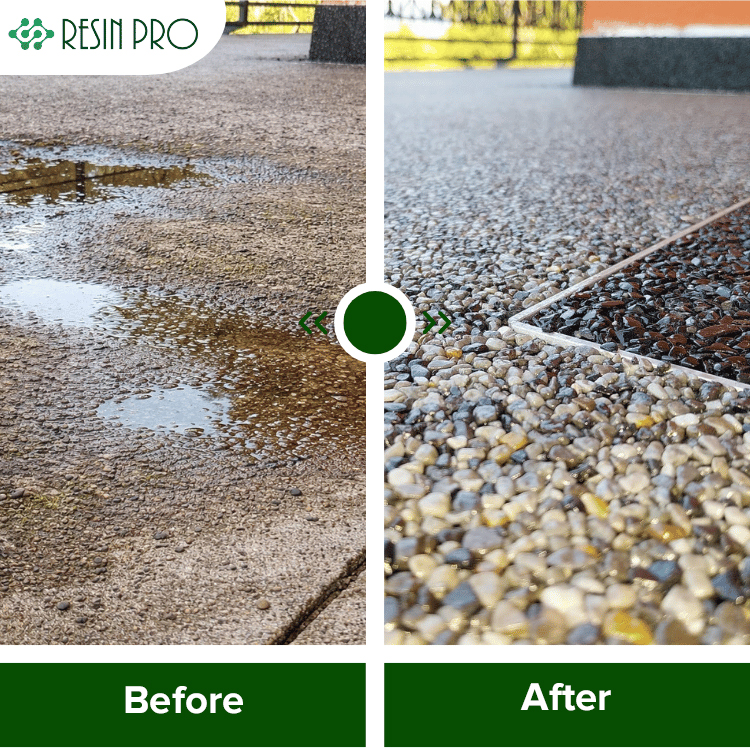
For added durability, especially in high-traffic or damp areas, a final coat can be applied. “Prolux” – PU coating for tiles, concrete, plastic and metal – suitable for driveable surfaces provides a glossy or satin finish, excellent abrasion resistance, and UV stability. Alternatively, “Resinstone” – One-Component Methacrylic Resin for Concrete Floors and Driveways is ideal to seal and protect exterior slabs. Allow the topcoat to cure thoroughly before using the floor as normal.
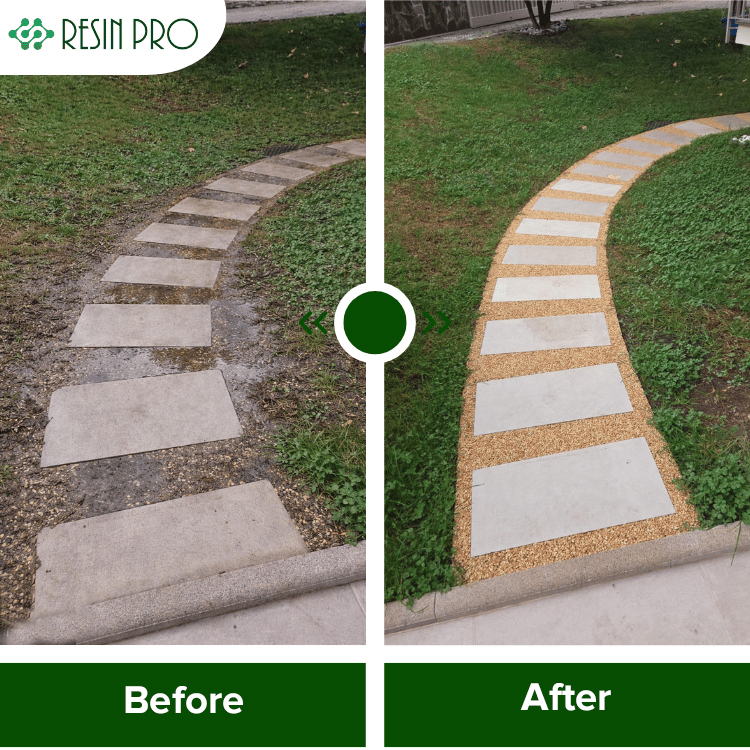
Tips for Success and Common Mistakes to Avoid
Choose dry, temperate weather if working outdoors: humidity and cold can impact curing and cause clouding or weak spots. Always follow the mix ratios and application timings on the product labels, as shortcuts can lead to adhesion failure or soft surfaces. Avoid over-application and make sure to work methodically to prevent roller marks or uneven textures. Apply in the right weather for best adhesion for optimal results, and be patient with curing before heavy use.
Maintaining and Caring for Epoxy-Coated Concrete
Regular cleaning and prompt spill management will extend the life and vibrancy of your resin-coated surface. Avoid harsh abrasives and use only mild detergents for cleaning. Inspect the coating periodically—reapply finish coats as necessary to permanently resist wear and weathering.

- "Epoxyprimer" – Universal Water-Based Two-Component Epoxy Floor PrimerPrice range: £156.45 through £286.45Epoxyprimer is a water-based two-component epoxy floor primer designed for reliable adhesion on concrete and other surfaces.
- "Flowstone" – Complete Permeable Floor Kit with Pebbles and ResinPrice range: £49.95 through £3,915.45Flowstone kit provides a durable, permeable pebble and resin floor system, offering guidance suitable for the theme of applying epoxy resin on…
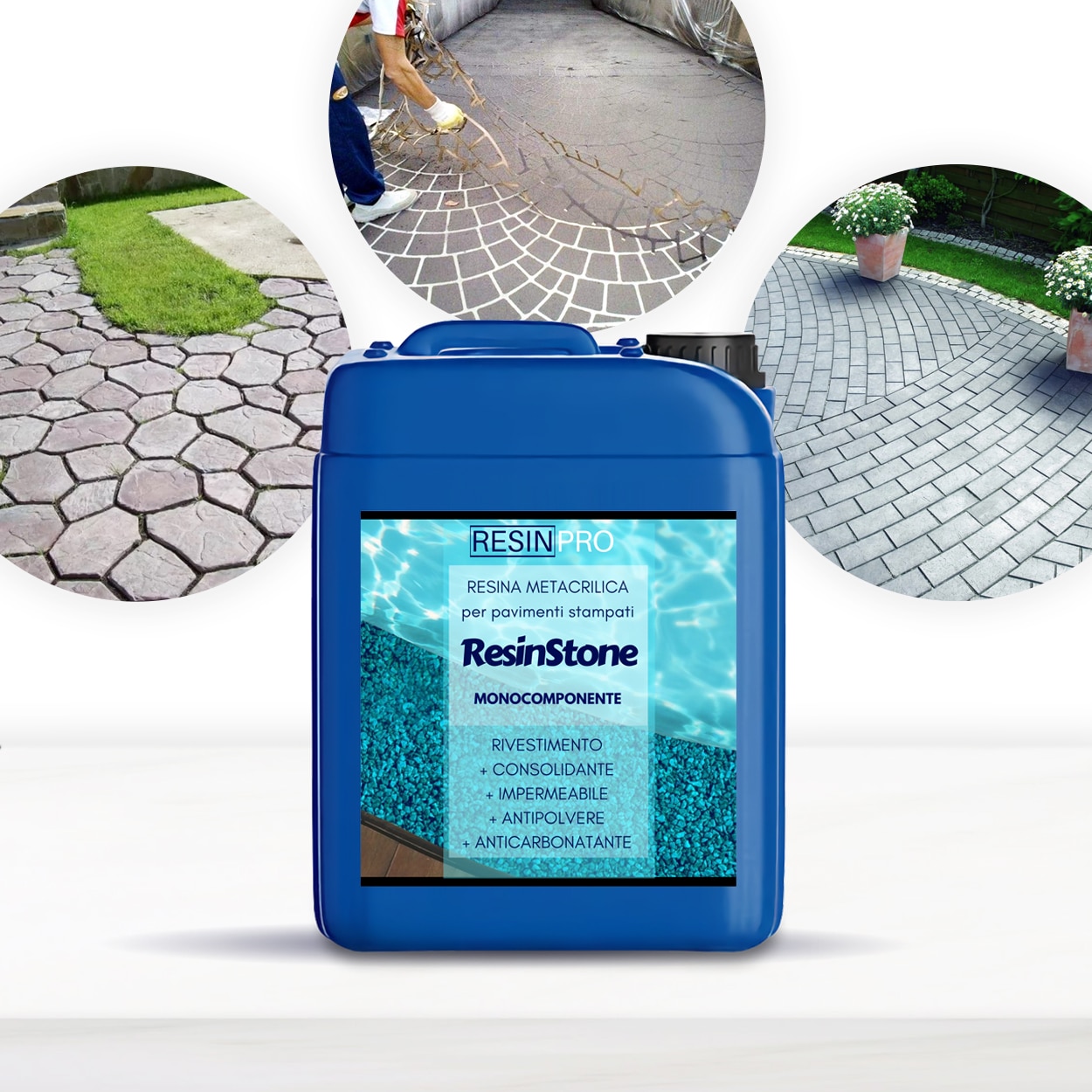 "Resinstone" – One-Component Methacrylic Resin for Concrete Floors and DrivewaysPrice range: £36.71 through £336.48Resinstone is a one-component methacrylic resin designed for sealing and protecting concrete floors and driveways in line with how to apply epoxy…
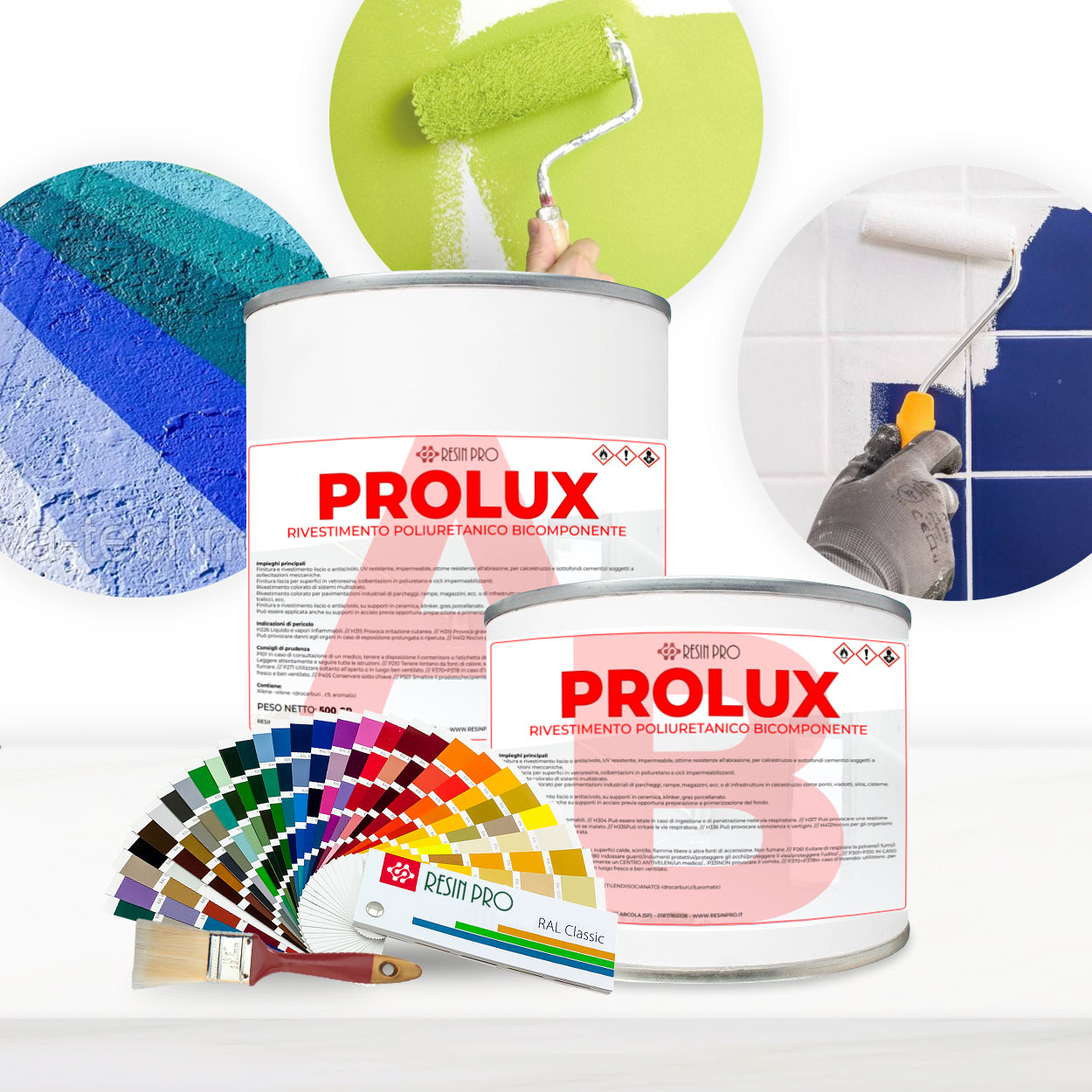 "Prolux" – PU coating for tiles, concrete, plastic and metal – suitable for driveable surfacesPrice range: £44.85 through £494.85"Prolux" is a durable polyurethane coating suitable for multiple surfaces including concrete, designed to provide protection in high-traffic and damp…
Frequently Asked Questions
What is the best primer before applying epoxy resin on concrete?
A water-based epoxy primer designed for use on concrete helps achieve the strongest bond and prevents moisture-related issues.
How long should each layer cure before proceeding?
Primer layers normally require 24–48 hours to fully cure. Always follow the resin manufacturer’s recommended times for each product.
Do I need to consider weather conditions when applying resin?
Yes—humidity and cold temperatures can affect curing and adhesion. Ideal application is in dry, moderate weather conditions.
Are epoxy-coated concrete floors slippery?
Epoxy finishes can be slippery when wet. Applying anti-slip additives or finishes can improve safety on these surfaces.
How do I maintain an epoxy-coated concrete floor?
Clean with mild detergents and avoid abrasive tools. Inspect for wear regularly and re-coat if needed for best durability.
When would I use a methacrylic resin instead of epoxy?
Methacrylic resins are ideal for quickly sealing and protecting exterior or stamped concrete, while epoxies offer superior indoor adhesion.