 Free shipping on orders over £29,85
  Shipping Tracking!


 Google
 Facebook
How to apply two-component polyester resin?
Achieving a robust, waterproof, and long-lasting repair with two-component polyester resin is essential for a variety of projects, from fixing boats and swimming pools to reinforcing rigid composites. This guide takes you step by step through the safe and effective application process, helping both beginners and experienced users to accomplish strong repairs with professional results.
Quick guide for reliable, durable resin repairs on composites

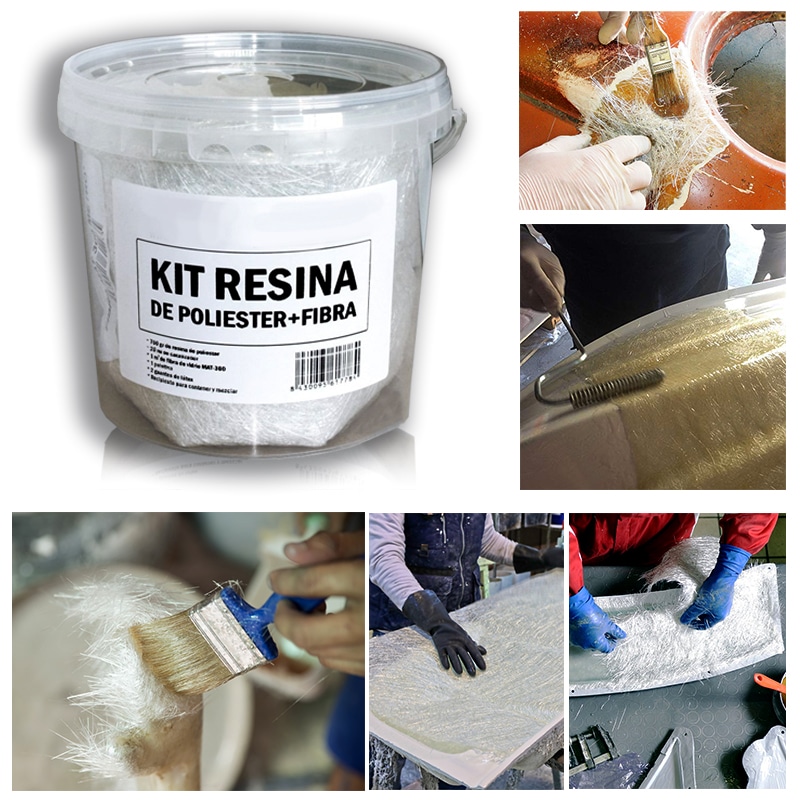
What You’ll Need
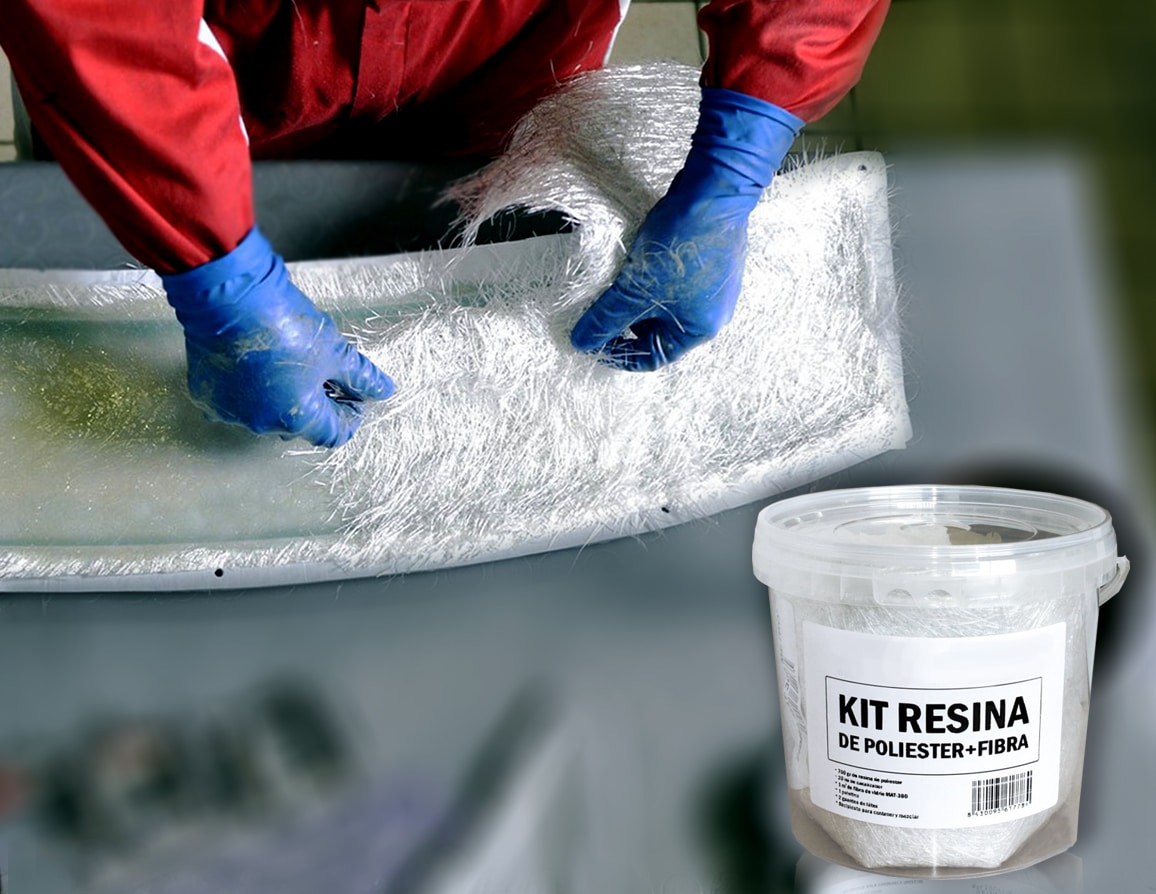
- Resin Fibreglass Repair Kit – Complete Polyester Resin and Hardener Set: A comprehensive kit ideal for waterproof structural repairs on composites and rigid surfaces.
- Protective gloves and eyewear
- A clean mixing container for resin and hardener
- A paintbrush or spatula for application
- Sanding materials (where required)
- Acetone or suitable cleaner for tools
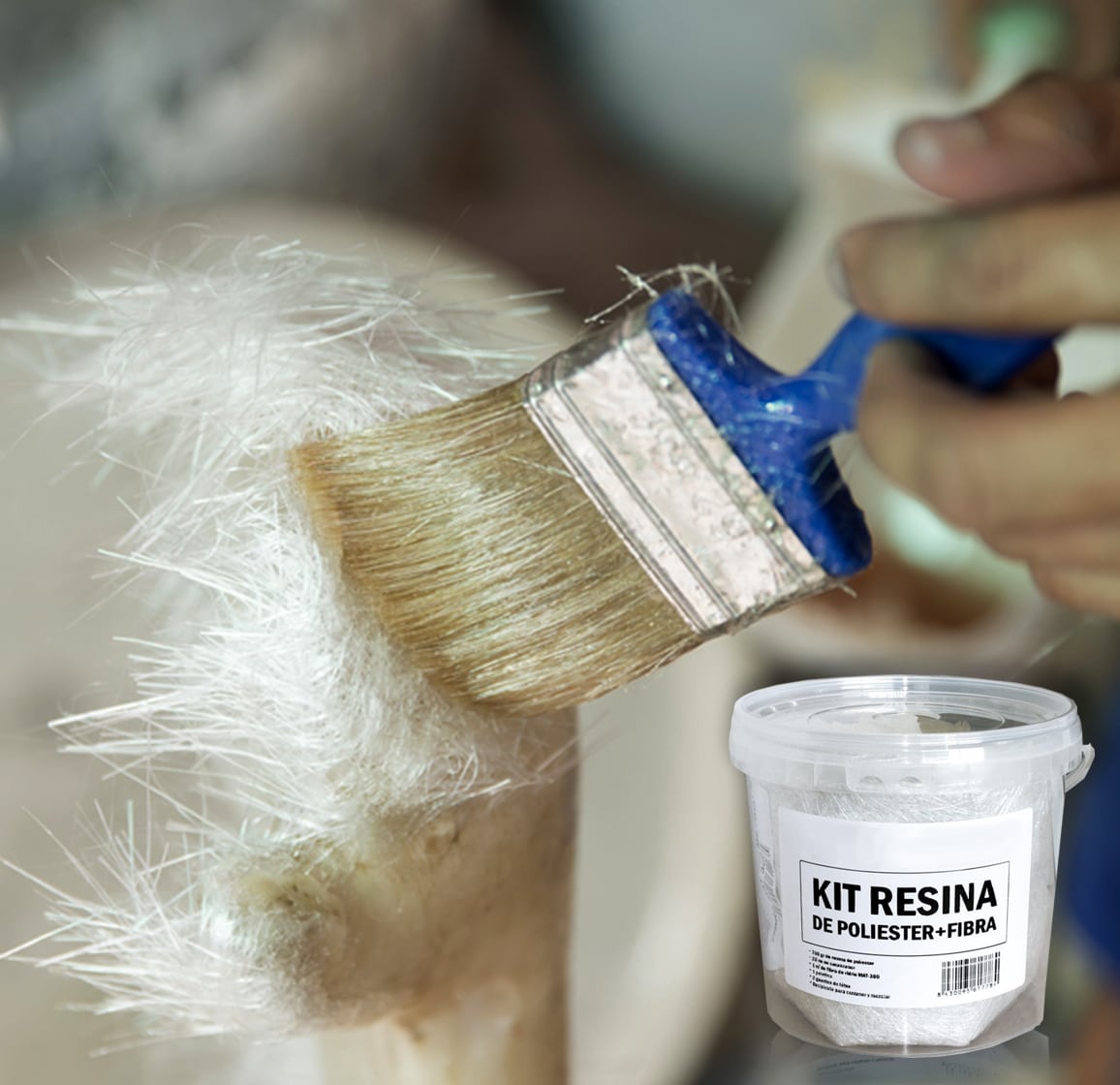
Essential Tools for Polyester Resin Application
Having the right tools on hand streamlines your repair and ensures professional outcomes. Gather your protective clothing, cleaning supplies, and mixing equipment before starting the process. Always handle chemicals with appropriate safety precautions and ensure well-ventilated working conditions.
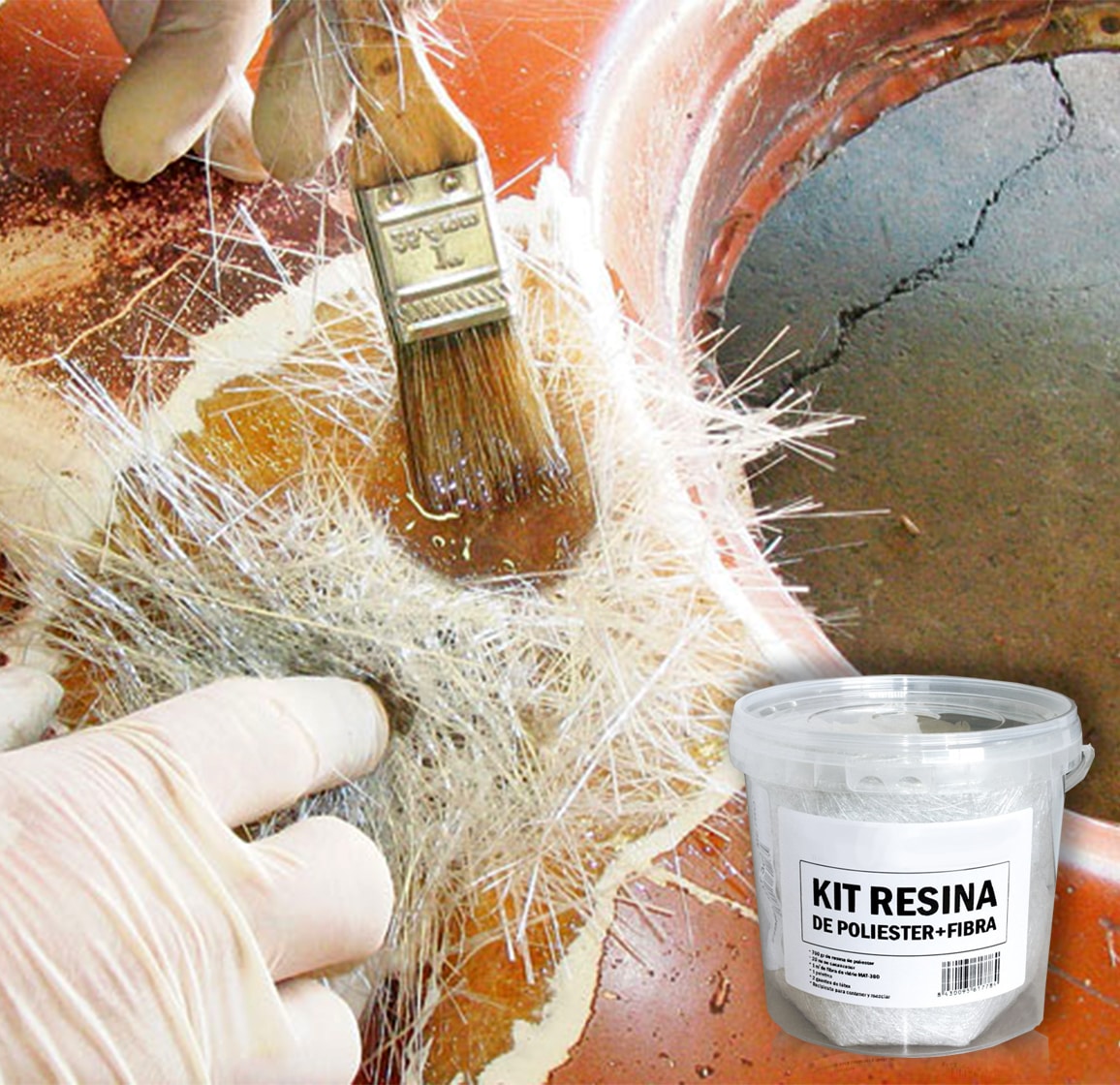
Step 1: Prepare the Surface Thoroughly
Ensure the surface is clean, dry, and free from dust or grease. Start by assessing the area to be repaired—remove any loose material or previous coatings and lightly sand the surface to create a key for the resin to bond. Rinse or wipe down with acetone if appropriate for the substrate, and allow to dry fully before proceeding. This foundational preparation is crucial for adhesion and long-term durability.
Step 2: Measure and Mix the Components
Measure and mix resin and hardener according to the kit’s ratio. In the Resin Fibreglass Repair Kit – Complete Polyester Resin and Hardener Set, the typical ratio is 3% hardener to resin (for example, 700 g resin to 20 ml hardener). Dispense the components into your mixing container and stir thoroughly for an even consistency. Mixing should be done immediately before use, as the reaction will begin quickly.
Take care to prepare only as much resin as can be applied in 10–15 minutes to avoid premature curing.
Step 3: Apply the Resin and Embed the Fibreglass Mat
Apply the mixed resin promptly, embedding the fibreglass mat evenly. Use your paintbrush or spatula to spread a layer of resin over the repair area. Position the supplied fibreglass mat from your kit onto the wet resin, pressing gently for even contact. Using additional resin, thoroughly saturate the mat and remove any air bubbles by rolling or dabbing with the brush.
For deeper or more critical repairs, apply multiple layers, allowing each to become tacky but not fully set before adding the next.
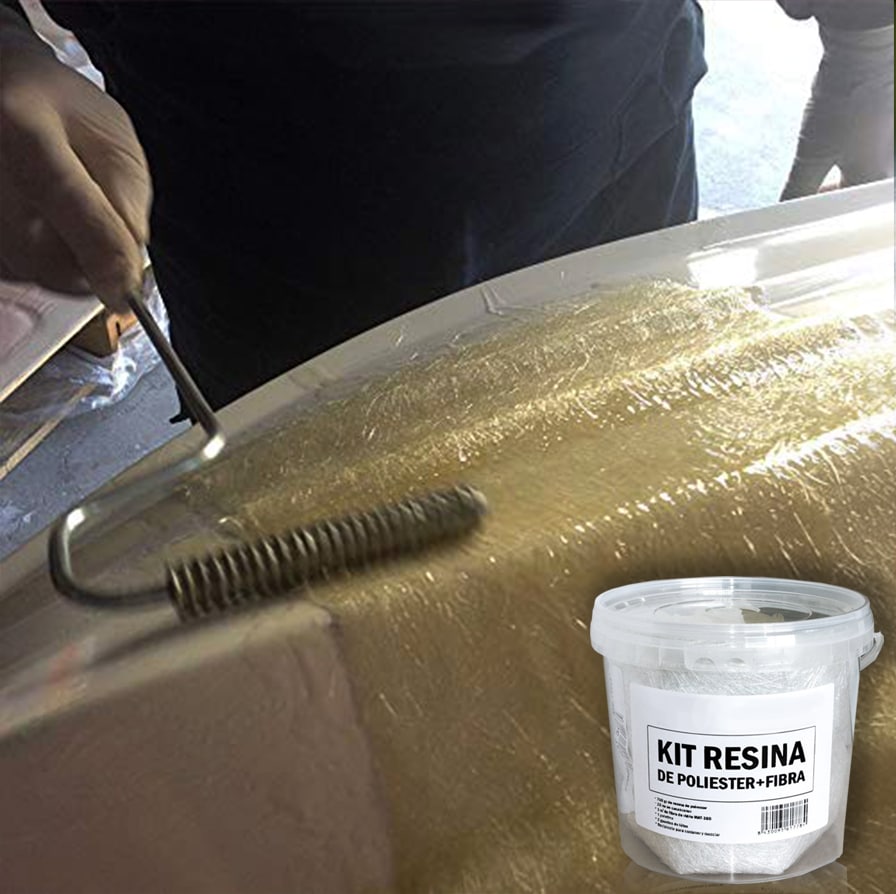
Step 4: Curing and Finishing the Repair
Allow the repair to fully cure before handling or further finishing. Leave the area undisturbed for the full curing time specified by your kit—typically several hours at room temperature. Avoid exposing to water or impact until the bond is entirely set.
Once cured, sand the area smooth and prepare for painting or other finishing if required. Clean tools immediately with acetone to prevent hardened residue.
Tips and Common Mistakes to Avoid
Always mix your resin and hardener accurately, as incorrect ratios may prevent complete curing. Work in a well-ventilated area, and use protective equipment to guard against fumes and skin contact. Never attempt to speed up curing with direct heat, as this may affect strength and finish. For best results, apply only to surfaces within the temperature range specified in your kit.
Achieving a Seamless Finish
Plan each step before mixing your resin and hardener so you work efficiently before the material sets. A smooth finish begins with careful preparation—take your time with surface sanding and mat positioning for the strongest, most invisible repairs.
Frequently Asked Questions
What surfaces are best for polyester resin repairs?
Polyester resin bonds best to fibreglass, metal, wood, porcelain, and rigid plastics commonly found on boats, pools, and vehicles.
Is polyester resin waterproof once it has cured?
Yes, once fully cured, polyester resin forms a completely waterproof layer suitable for underwater or exposed repairs.
What is the correct mixing ratio for two-component polyester resin?
Typically, a 3% hardener to resin ratio is used, but always follow the specific instructions in your chosen kit.
How long does polyester resin take to cure?
Curing time ranges from 2 to 8 hours at room temperature, depending on the kit and environmental conditions.
Can you sand or paint over polyester resin repairs?
Yes, once fully cured, the repair area can be sanded smooth and painted to match the surrounding surface.
Are there safety precautions for applying polyester resin?
Work in a ventilated area, wear gloves and eyewear, and avoid skin contact to handle resin safely.