 Free shipping on orders over £29,85
  Shipping Tracking!


 Google
 Facebook
← Back to How many grams of resin are needed for 8 mm diameter holes?

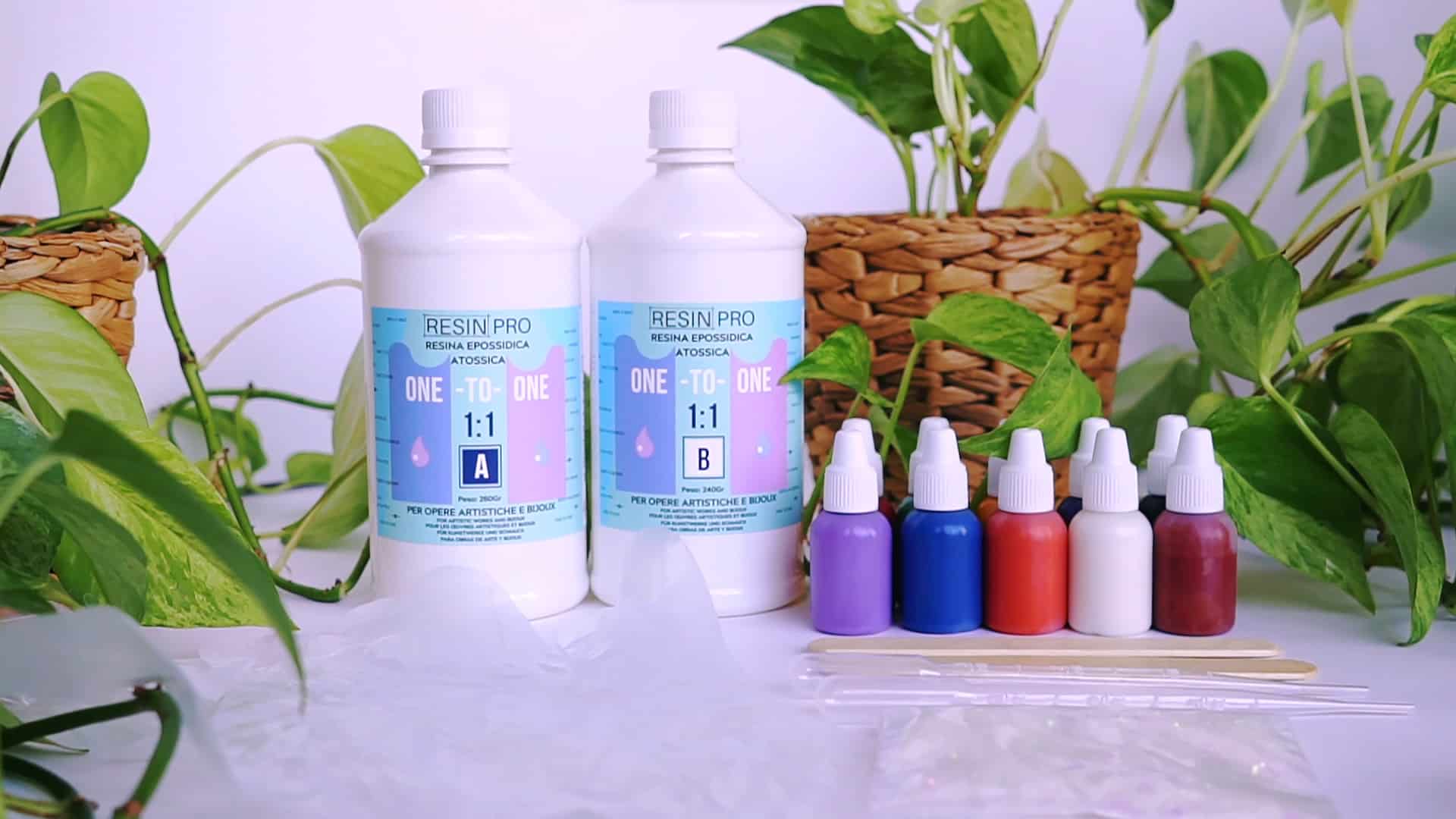
When filling or casting 8 mm diameter holes with epoxy resin, estimating the right amount of product helps avoid waste and ensures a successful result. Here’s how to work it out and choose suitable resin for the job.
Calculating the Resin Volume Needed
To estimate how much resin is needed for an 8 mm hole, use the formula for the volume of a cylinder: π × (radius)2 × depth. For an 8 mm diameter, the radius is 4 mm.
- Example: For a hole depth of 20 mm: Volume = 3.14 × (4 mm)2 × 20 mm = 3.14 × 16 × 20 = 1,004.8 mm³.
- Convert to millilitres: 1,004.8 mm³ ≈ 1.0 ml (1 ml of resin ≈ 1.1 g).
Multiply this by the number of holes you’re filling to get your total resin requirement.

Practical Tips for Resin Application
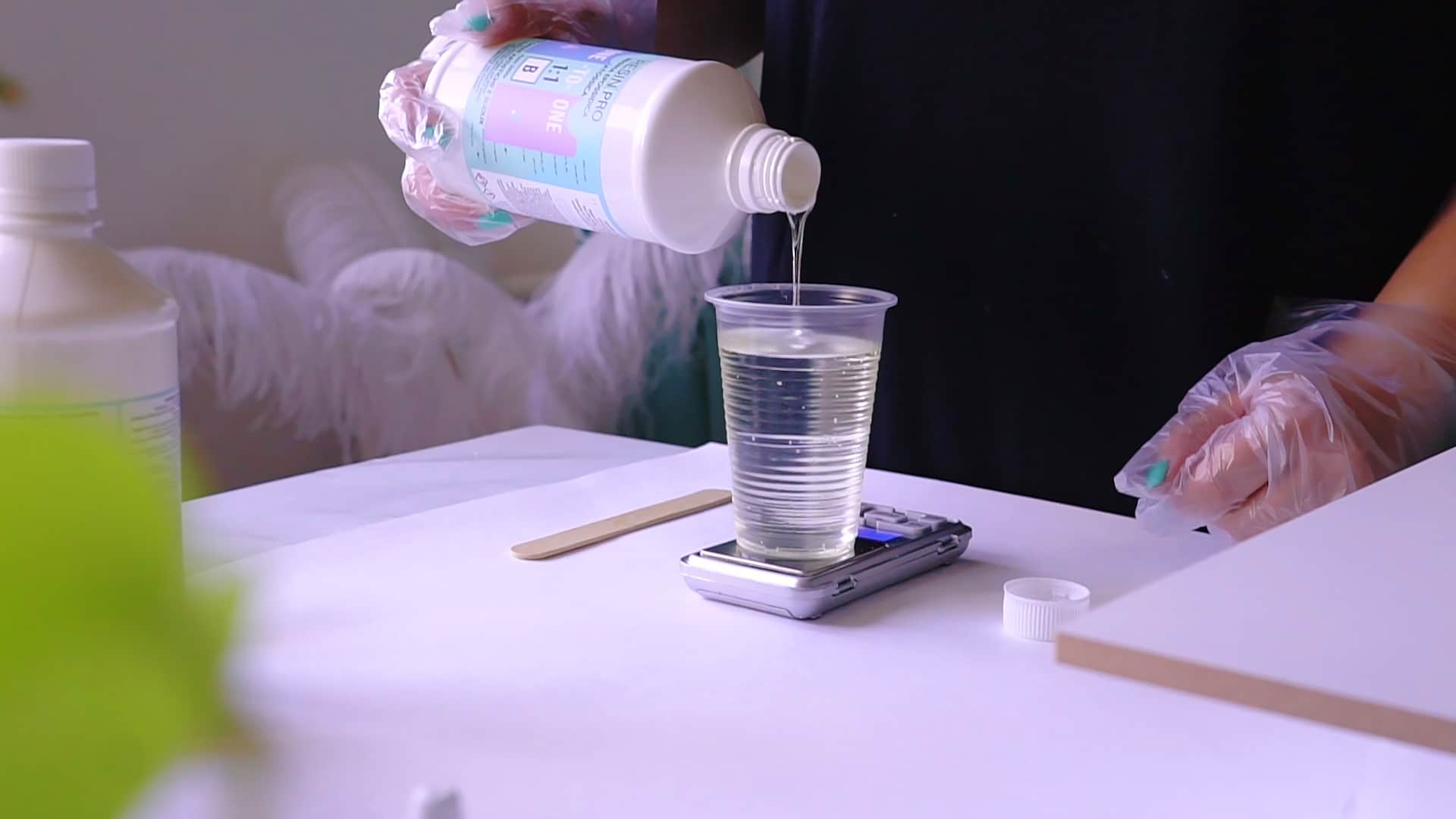
For best results when working with small holes, use a resin that flows easily and allows for precise control. A medium-viscosity option such as One-2-One Epoxy Resin makes measuring simple with its 1:1 mixing ratio and clear finish, ideal for both beginners and experienced makers.
- Allow for a small overage in your measurements to account for any resin lost during mixing and transfer.
- Dispense resin slowly to reduce bubbles and ensure thorough coverage in the hole.
When Precise Resin Dosage Matters
Accurate calculation is particularly important for detailed decorative work, such as jewellery or inlays, where excess resin can spill over. Choosing a resin with a longer working time, like Liquidissima, provides time to check the fill level and achieve a clean finish without rushing.
Related products
Related guides
Taking a methodical approach to resin measurement helps ensure smooth and professional results in projects that involve 8 mm holes. For further guidance on resin dosing by size and shape, visit our main advice page on how to calculate resin requirements.