 Free shipping on orders over £29,85
  Shipping Tracking!


 Google
 Facebook
← Back to Which silicone is best for use with both steel and rubber?
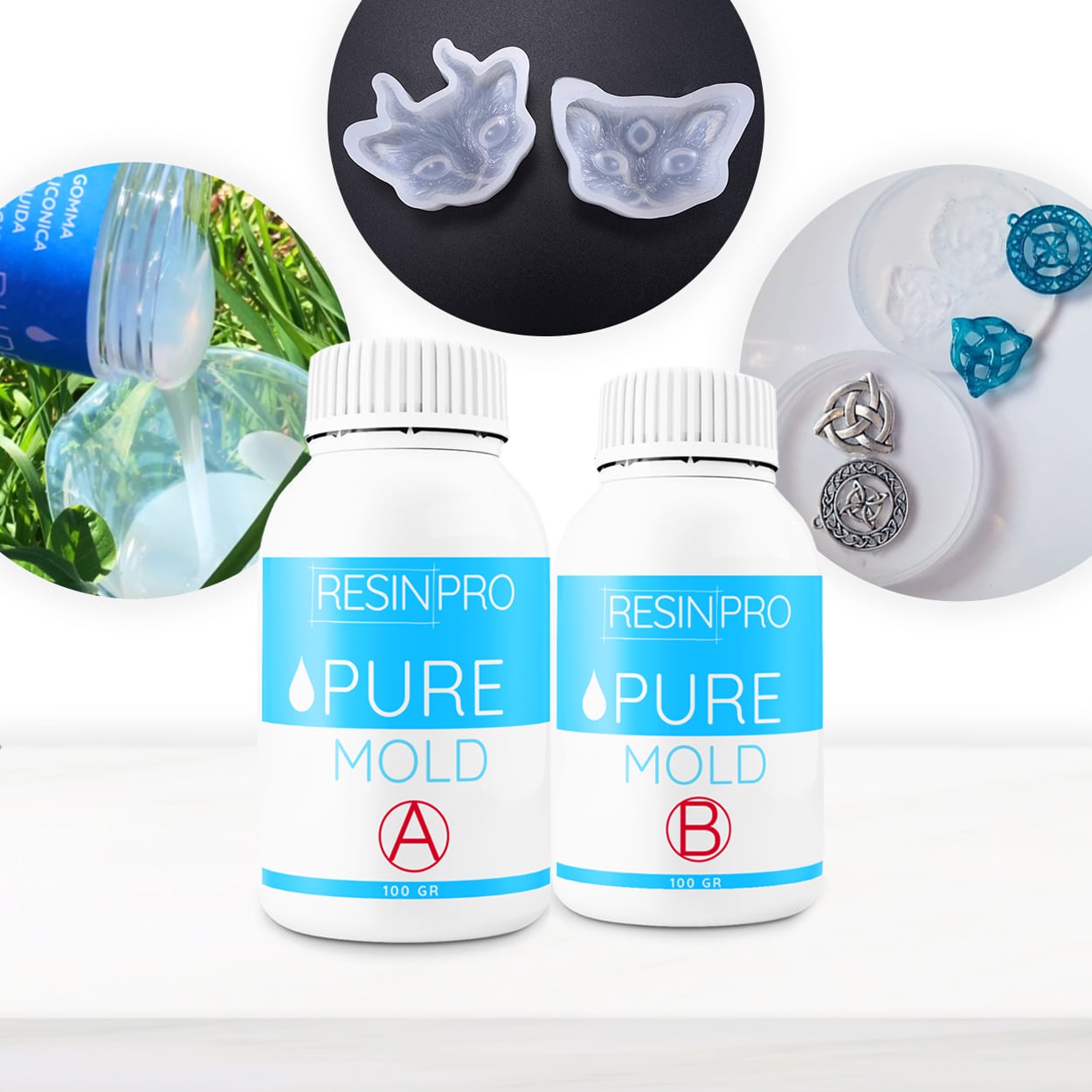
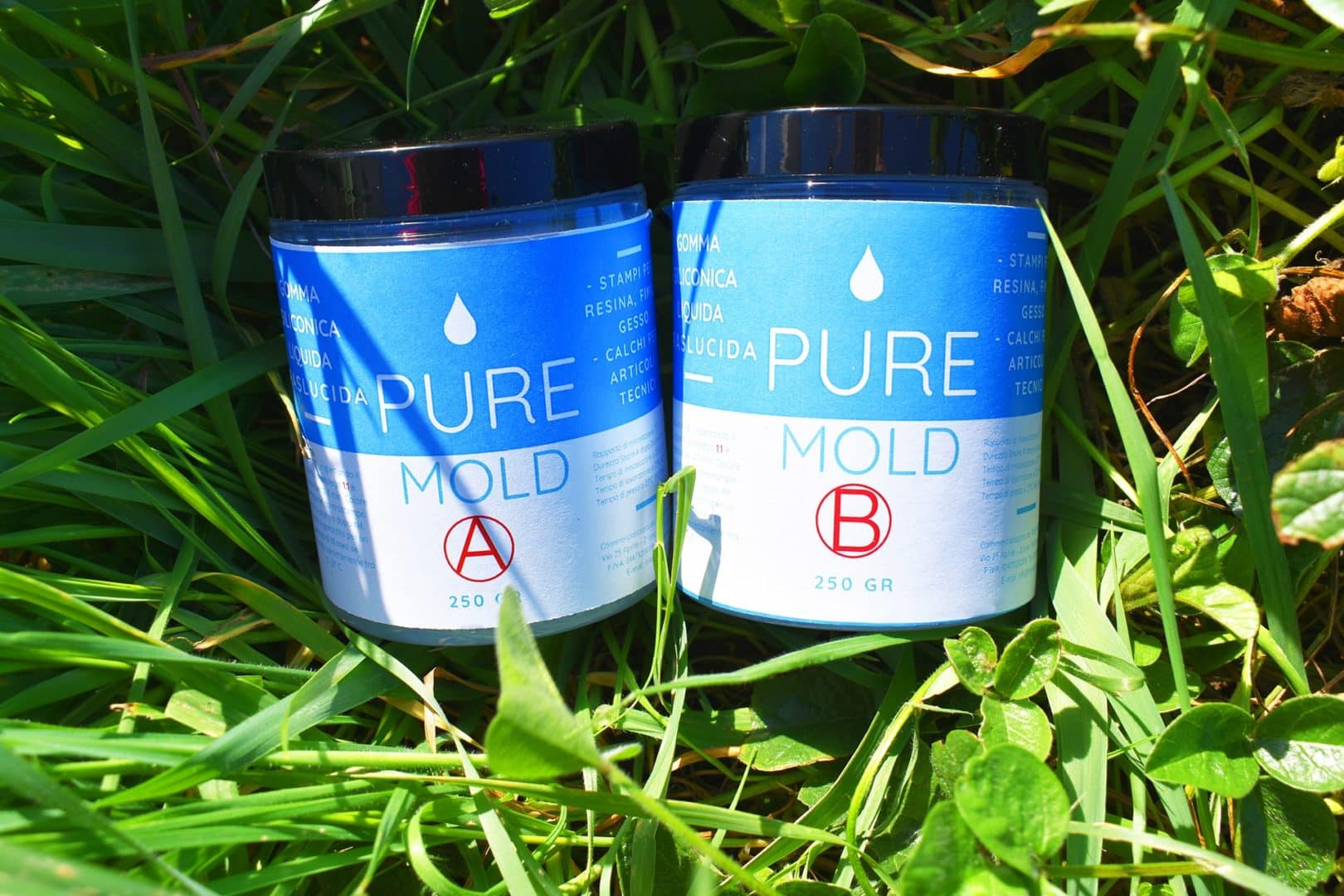
Choosing the right silicone for projects involving both steel and rubber components is key for creating reliable, detailed moulds. The right selection ensures your finished mould can handle varied materials and deliver professional results.
What Type of Silicone Works Best?
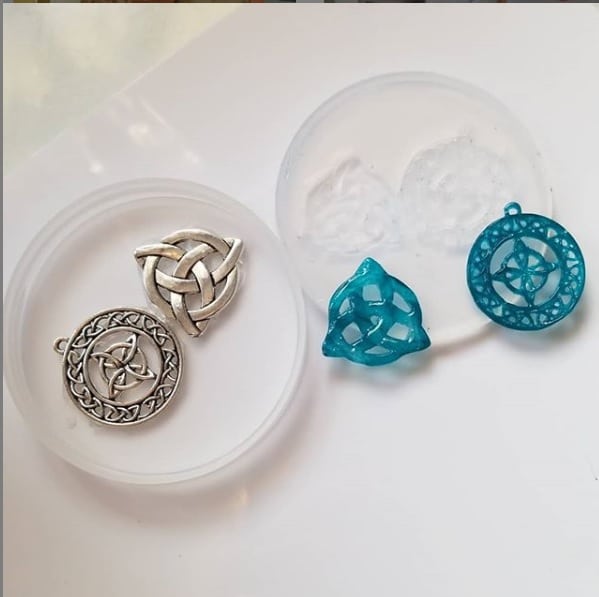
For use with steel and rubber, professionals often turn to platinum-based silicones or bi-component (A+B) silicone rubbers. These formulas offer both mechanical strength and the flexibility to produce detailed results, accommodating hard (steel, rigid resins) and soft (rubber-like) surfaces. Products such as “Pure Mould” translucent silicone and bi-component casting silicones are designed to adapt across a range of applications from artistic pieces to technical moulds.
Key Buying Considerations
- Detail Reproduction: Choose a silicone with a track record for capturing intricate features and undercuts—particularly important if your mould features fine textures or patterns.
- Mechanical Strength: Select a silicone noted for durability and resistance, especially when handling repeated demoulding or use with harder materials like steel inserts.
- Mixing & Curing: Look for options with a simple 1:1 ratio and manageable cure times, as this reduces margin for error and streamlines production.
Practical Tips for Application
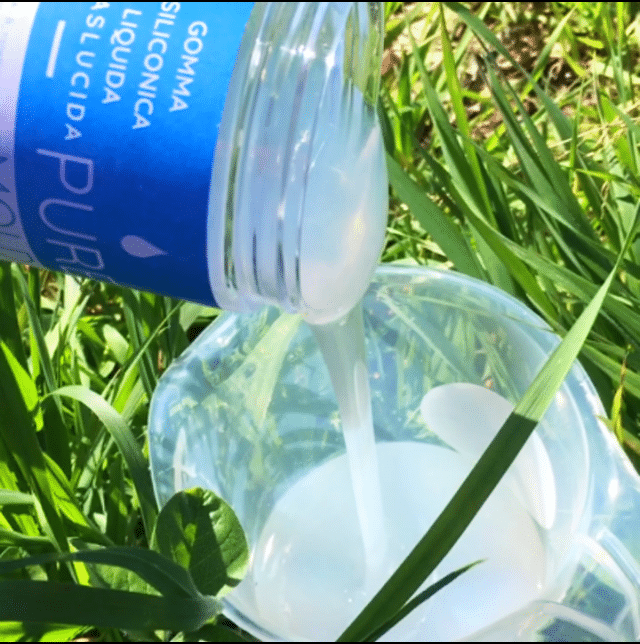
Thoroughly clean all surfaces before pouring your silicone to avoid contamination and promote adhesion where needed. For moulds involving both steel and rubber inserts, ensure the silicone can flow easily into tight spots and around complicated features. Using a bi-component system, always follow the recommended catalyst ratio to achieve optimal curing. For intricate projects, selecting a translucent or clear silicone can help you monitor placement and bubble formation during pouring.
When This Matters
This guidance is especially helpful if you produce moulds for jewellery, model making, technical prototypes, or crafts that require compatibility between rigid and flexible elements. The right silicone allows for repeated, high-fidelity use with a range of casting materials.
Related products
Related guides
Finding a silicone that easily works with steel and rubber unlocks a world of creative and technical possibilities. For more insights and product recommendations, return to our hub guide on selecting the best silicone for diverse materials.