 Free shipping on orders over £29,85
  Shipping Tracking!


 Google
 Facebook
How to coat a bathroom with resin?
Step-by-step guide for seamless, waterproof bathroom coatings
Transforming your bathroom with a resin coating creates a modern, seamless, and waterproof surface that is both practical and visually striking. This guide walks you through each step to achieve a professional-looking resin finish on your bathroom walls, floors, or vanities, ensuring long-term durability and easy maintenance. Whether renovating or updating tired surfaces, following the correct procedure is essential for the best results.
What You’ll Need
- “Epoxyprimer” – Universal Water-Based Two-Component Epoxy Floor Primer – for maximising adhesion on floors and tiled walls
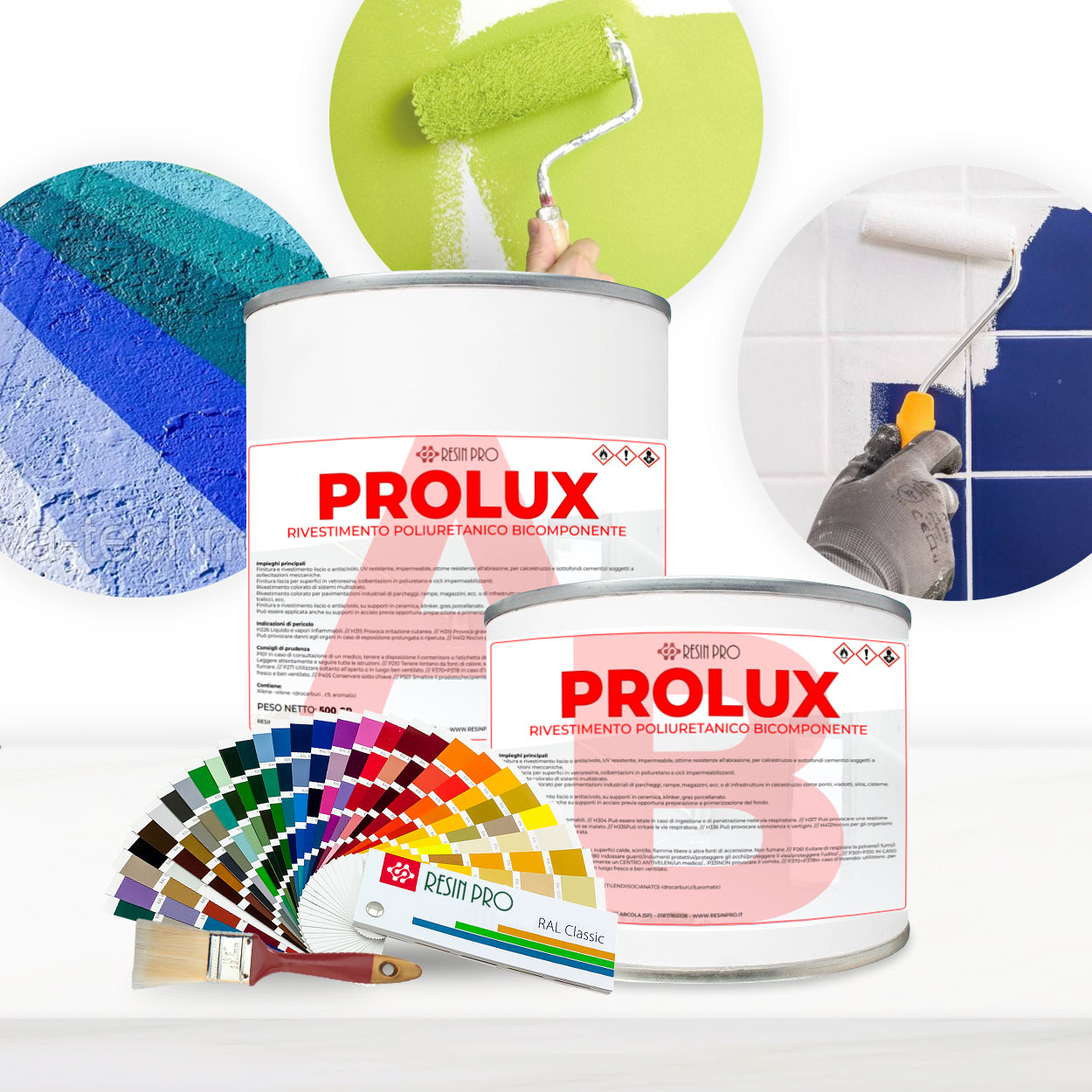
- “Prolux” – PU coating for tiles, concrete, plastic and metal – suitable for driveable surfaces – for a tough, waterproof finish on bathroom floors and walls
- “Stone Effect Collection” – Marble Epoxy Resin Countertop Kit – for creating seamless marble-style bathroom vanities
- Protective gloves and goggles
- Sanding tools, rollers and brushes
- Mixing containers and sticks
- Masking tape and dust sheets
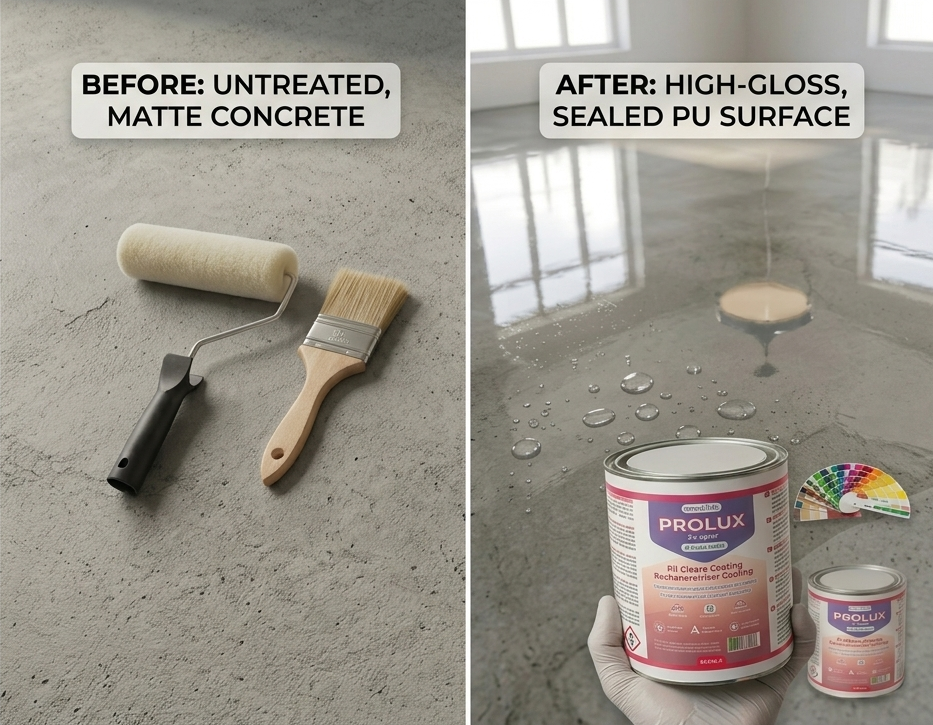
Visual Inspiration: Resin-Coated Bathrooms
Browse stunning examples of resin-coated bathrooms, from seamless wet room floors to striking marble-effect vanities. Each project demonstrates how the right preparation and technique can yield a surface that blends functionality with contemporary design. Let these visuals guide your choices in finishes, colours, and effects for your own bathroom transformation.
Step 1: Prepare and Clean All Surfaces
Start by removing any existing sealants, flaking paint, loose debris, and dust from the surfaces you intend to coat. A thoroughly clean and stable substrate is crucial for resin adhesion. Fill any cracks or holes and sand rough areas to ensure a perfectly level base. Mask the edges, taps, and any areas you do not wish to coat with resin. Cleaning with a degreasing agent is recommended before continuing, especially on tiles or previously treated surfaces.

Step 2: Prime for Lasting Adhesion
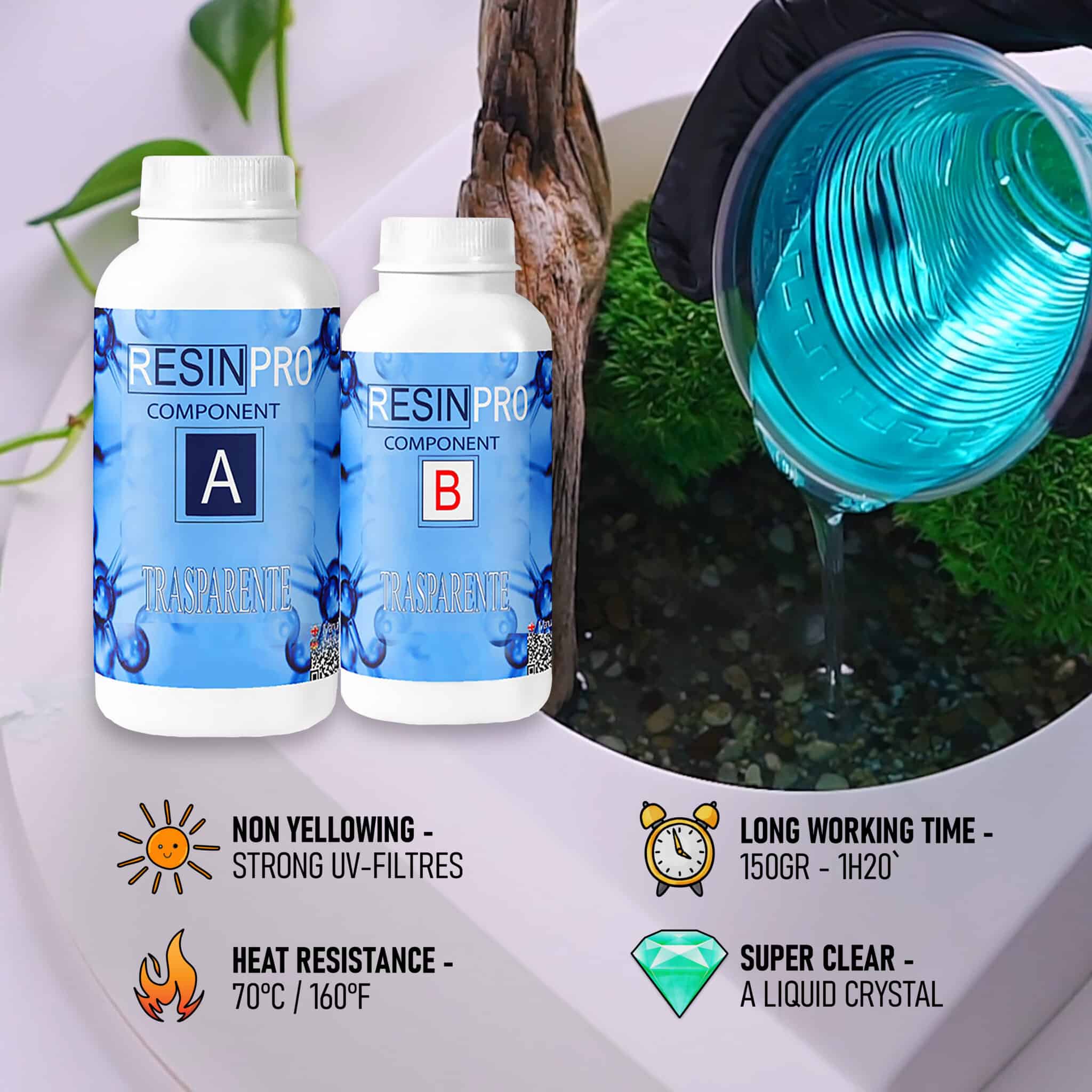
Priming is essential, especially on porous materials like concrete, timber, or tiles, to ensure the resin bonds correctly and resists moisture over time. Use “Epoxyprimer” – Universal Water-Based Two-Component Epoxy Floor Primer for this stage. Carefully mix as per the instructions and apply evenly with a roller or brush. Allow the primer to fully cure—typically 24 to 48 hours—before moving to the coating stage. Skipping this step may result in peeling or reduced waterproofing.
Step 3: Apply the Resin Coating
Once the primer is fully cured, it’s time to apply the resin. For floors and wet area walls, use “Prolux” – PU coating for tiles, concrete, plastic and metal – suitable for driveable surfaces. Measure and mix the two components precisely as directed (typically a 2:1 ratio), using clean containers and mixing tools. Pour the mixed resin onto the surface in manageable sections, spreading with a roller or trowel for an even coat. Work quickly for a smooth, seamless finish and avoid overworking, which can introduce bubbles. Allow each layer to cure fully before considering a second coat for extra durability, especially in high-traffic areas.

Step 4: Add Decorative or Special Effects
If you wish to enhance vanities or feature walls, you can opt for a decorative finish with “Stone Effect Collection” – Marble Epoxy Resin Countertop Kit. These kits include pigments and dyes to create marble or stone patterns directly on bathroom counters or splashbacks. Carefully follow the instructions for mixing colours and applying layers, using included tools to create subtle veins or gradients. Allow each effect layer to cure thoroughly before handling or installing fixtures.
Tips and Troubleshooting
Always plan for adequate ventilation and wear protective gloves and goggles throughout the process. Maintain consistent room temperature and low humidity during application and curing for best results. Avoid rushing curing times, as this can compromise adhesion and finish. Take care not to pour resin too thickly—especially with epoxy resins—as overheating or incomplete curing may occur. For a truly slip-resistant surface, consider adding anti-slip additives to your final coat in wet areas. Seal all joints and edges thoroughly to prevent water ingress. If any issues arise, such as peeling or bubbles, sand affected areas and recoat carefully for a flawless result.

Mastering the Resin Finish: Pro Tips
Superior adhesion starts with meticulous surface prep and the right primer. For challenging substrates like tiles or screed, a compatible water-based primer is essential. Eco-friendly & odourless products such as modern water-based primers both protect users and ensure indoor comfort. Versatile compatibility in your chosen resin system lets you adapt techniques for floors, walls, or countertops. Simple application tools like rollers and trowels make even coverage possible, whilst patience in curing delivers that sought-after, flawless finish.
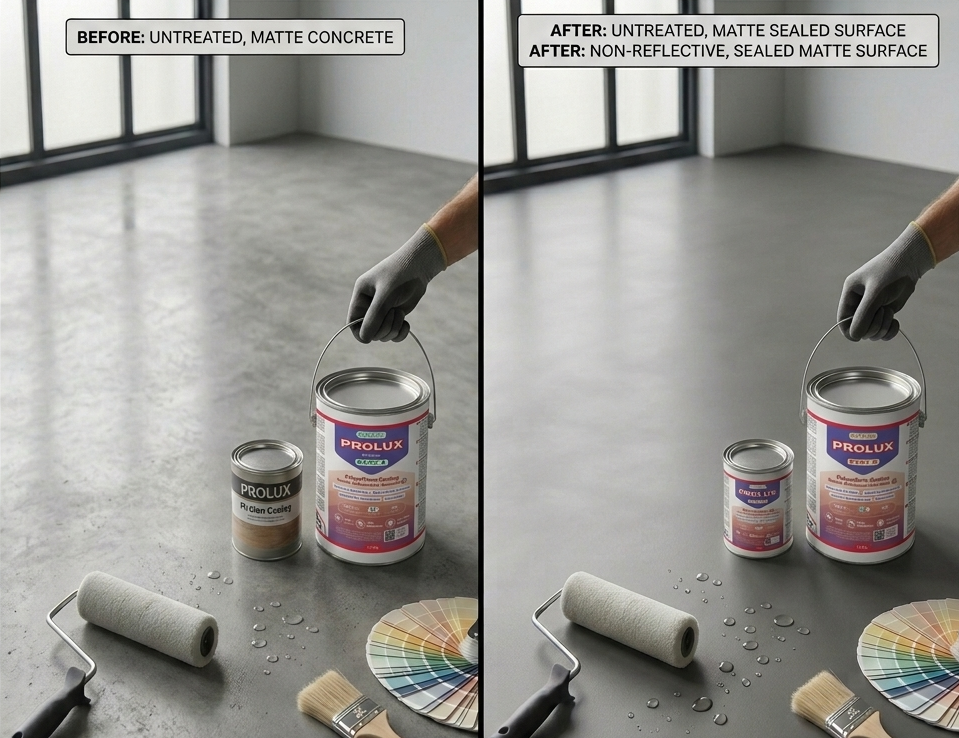
- "Prolux" – PU coating for tiles, concrete, plastic and metal – suitable for driveable surfacesPrice range: £44.85 through £494.85"Prolux" is a tough polyurethane coating suitable for damp, high-traffic areas and multiple surfaces with glossy or satin finishes.
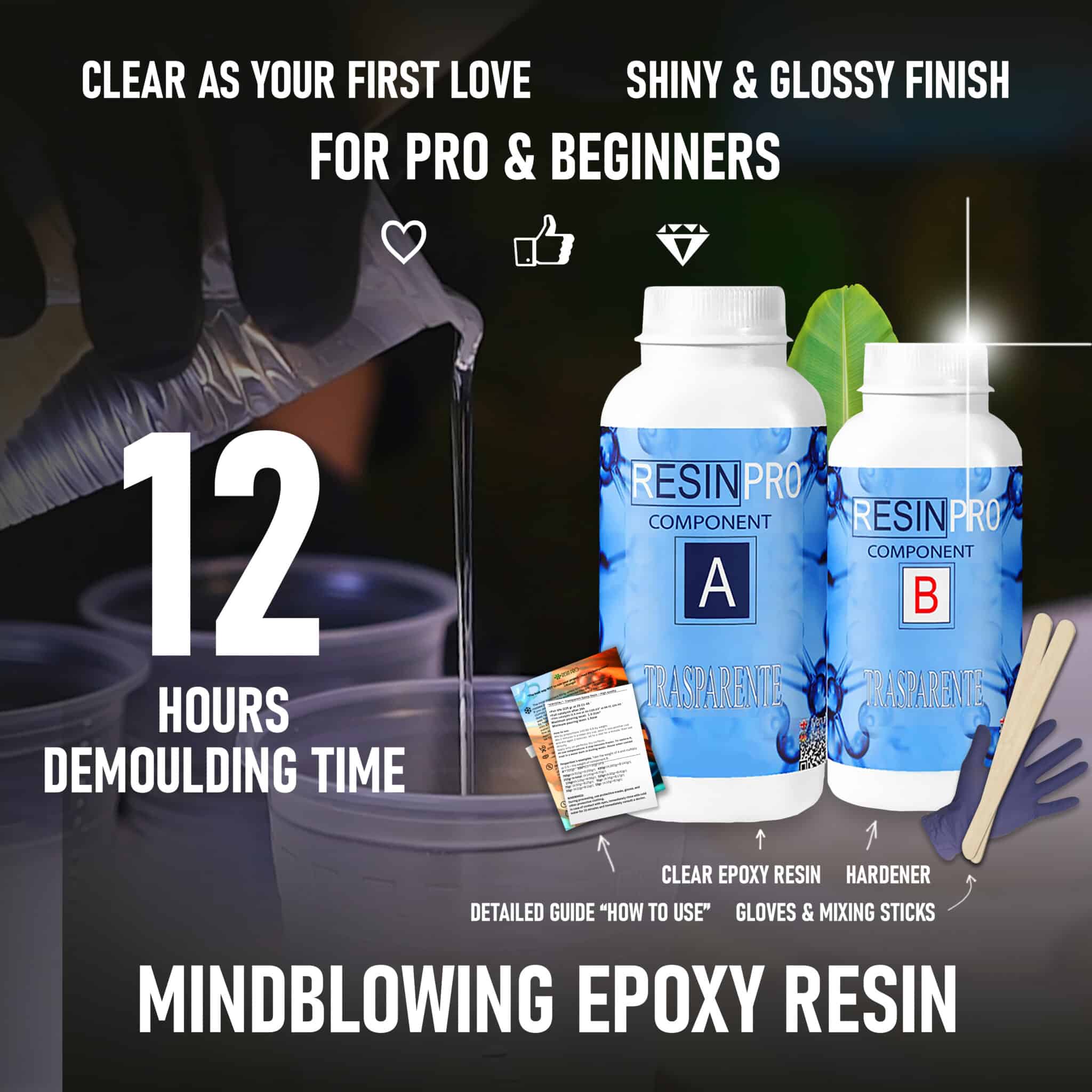
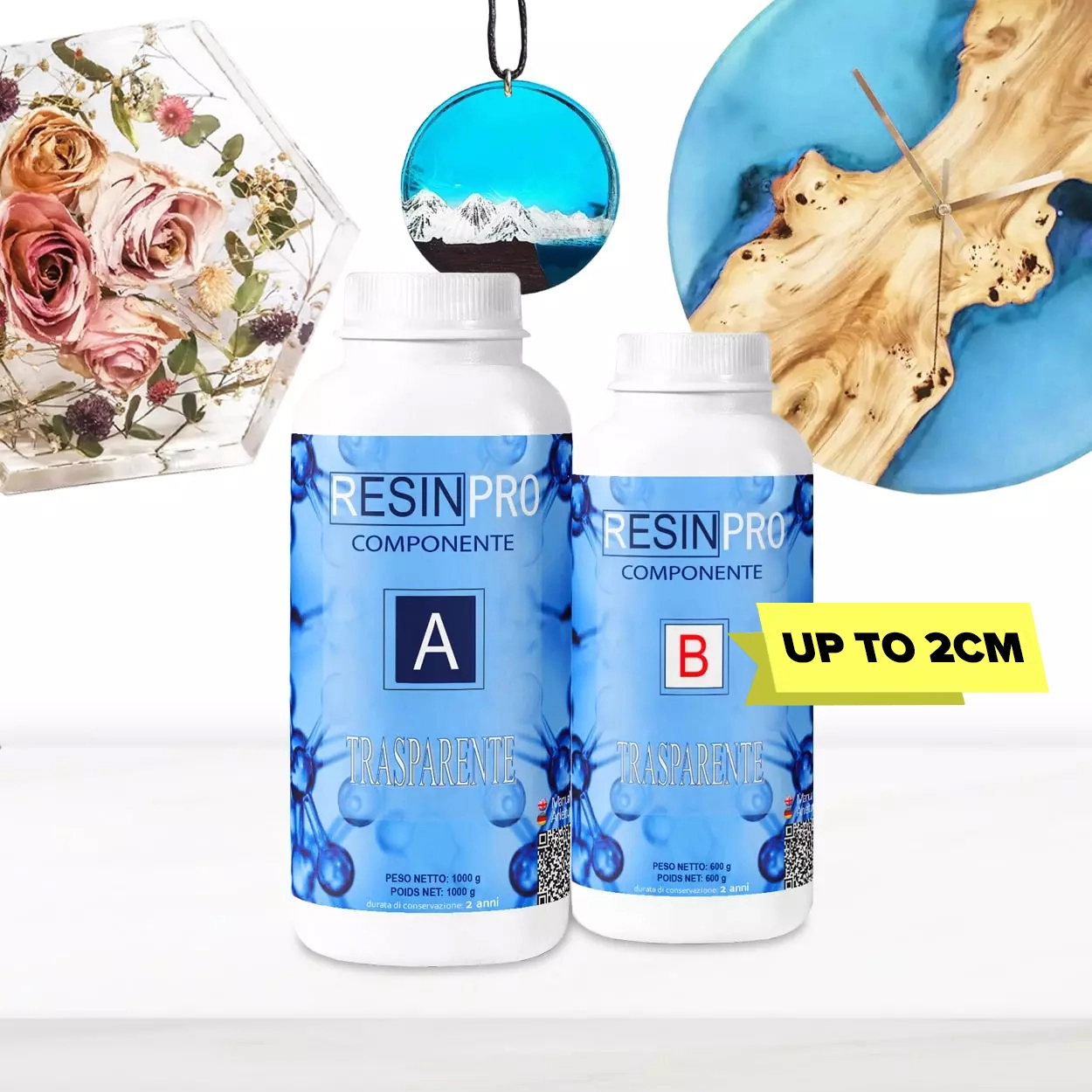
- "Trasparente" – Multipurpose Clear Epoxy Resin for Casting – Up to 2cmPrice range: £8.95 through £397.95"Trasparente" is an ultra-clear epoxy resin designed for detailed casting and DIY projects, providing a scratch-resistant and UV-protected finish.
- "Epoxyprimer" – Universal Water-Based Two-Component Epoxy Floor PrimerPrice range: £156.45 through £286.45Epoxyprimer is a water-based epoxy floor primer designed for reliable adhesion on various stable surfaces.
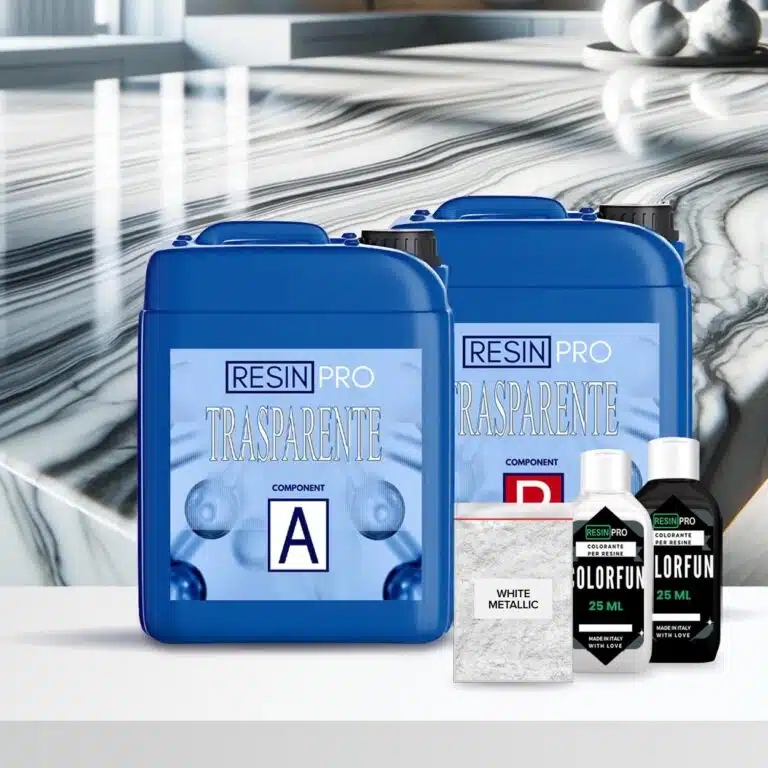 "Stone Effect Collection" – Marble Epoxy Resin Countertop KitPrice range: £57.95 through £272.95"Stone Effect Collection" offers kits suitable for kitchens and bathrooms, providing durable, scratch- and wear-resistant marble and stone effects.
Frequently Asked Questions
Can you apply resin directly onto bathroom tiles?
Resin can be applied to tiles, but priming is essential for proper adhesion and lasting results.
How long does resin need to cure in a bathroom setting?
Allow 24 to 48 hours for primers and each resin layer to fully cure before use or recoating.
Is resin coating safe and slip-proof for bathroom floors?
Resin finishes can be made slip-resistant by adding anti-slip additives to the final coat in wet areas.
What is the correct way to prepare surfaces before applying resin?
All surfaces must be clean, dry, stable, and free from dust or grease before priming and coating.
Does high humidity in the bathroom affect resin coating results?
Yes, high humidity can slow curing and cause cloudiness. Always work in low humidity for the best finish.
Can a homeowner apply resin in a bathroom as a DIY project?
With the right materials and preparation, resin application is suitable for most DIYers following guidance.