 Free shipping on orders over £29,85
  Shipping Tracking!


 Google
 Facebook
How to colour tiles with resin?
Practical steps for vivid, durable tile recolouring at home
Transforming your tiles with resin is a modern solution for creating bespoke, vibrant surfaces in kitchens, bathrooms, or living spaces. Whether you aim to rejuvenate tired tiles or craft a one-of-a-kind feature wall, this guide covers the exact steps to achieve durable, colourful results that last. Master the technique for both decorative and protective finishes using professional resin systems for outstanding effects.
What You’ll Need
- “Epoxyprimer” – Universal Water-Based Two-Component Epoxy Floor Primer — for enhancing adhesion and ensuring the resin bonds reliably to tiles.
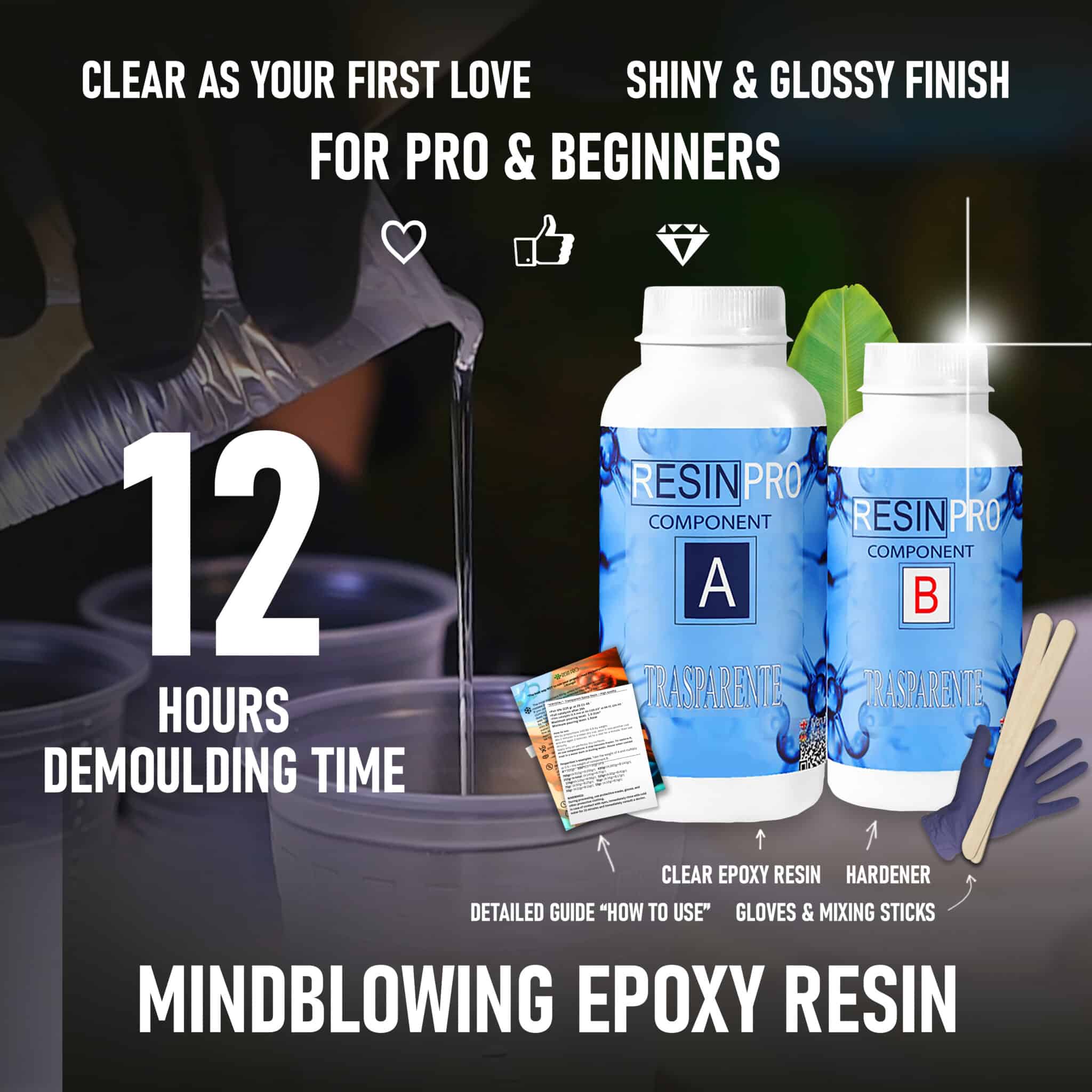
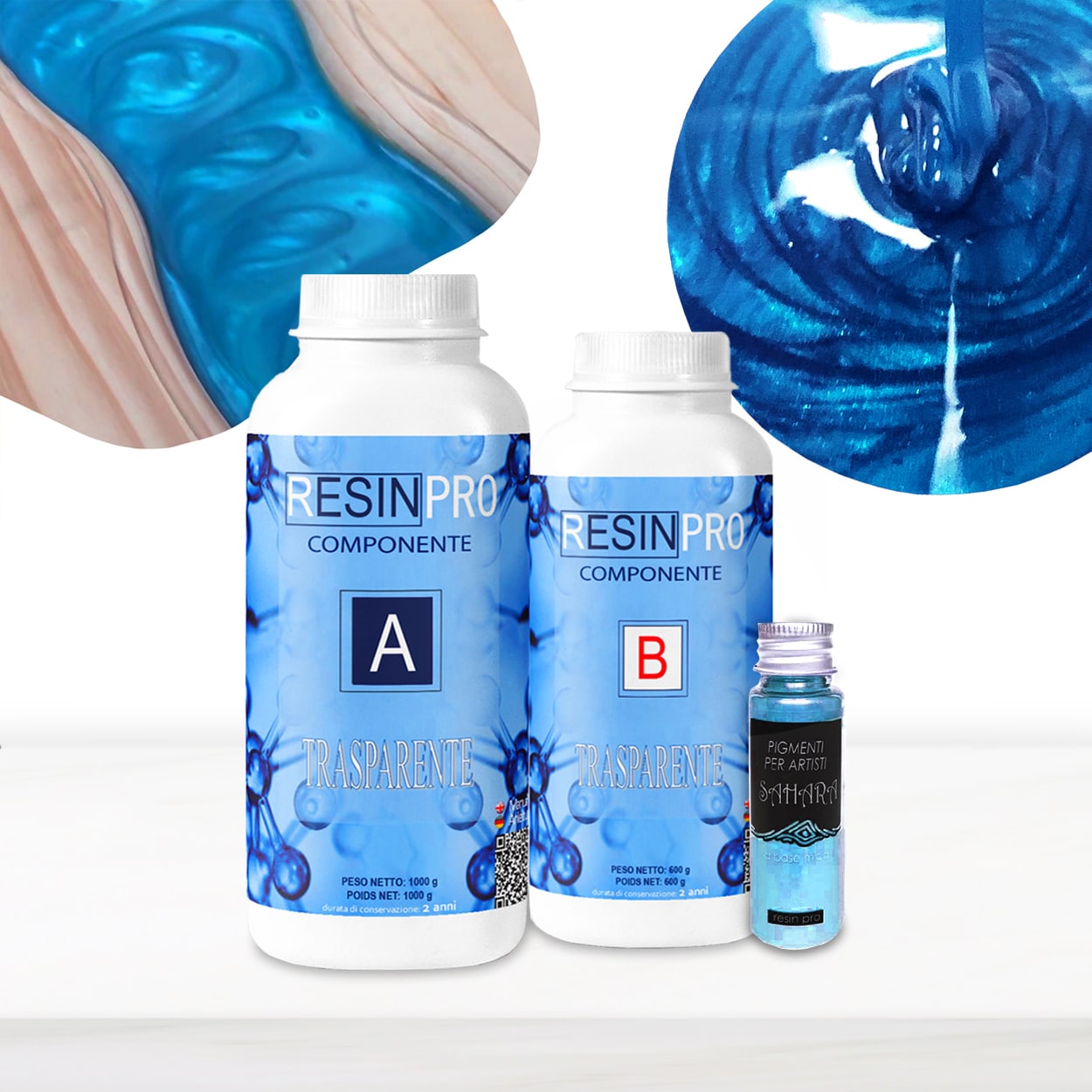
- “Trasparente” – Multipurpose Clear Epoxy Resin for Casting – Up to 2cm or “Trasparente” Epoxy Resin Kit 800g + Mica Powder 10g – 10 Colour Variations — to serve as your colouring resin and provide a glossy, durable finish.
- “Vertical Glass” – Thick Resin Decorative Wall Coating — ideal for walls, backsplashes, and vertical surfaces.
- Mild detergent and a scrubbing pad (for cleaning).
- Paint roller or brush (for primer and resin application).
- Pigments/mica powders suitable for resin tinting.
- Protective gloves, mask, and goggles.
- Sanding paper (fine grit, optional for prep).

Visual Inspiration for Resin-Coloured Tiles
Explore examples of resin-coated tiles in bold colours, metallic effects, and striking custom patterns. See how surface preparation and skilled pigment blending create unique home and commercial interiors. Take notes on different finishes achievable, from gloss to satin, and pick a style that matches your vision.
Step 1: Thoroughly Clean and Prepare the Tiles
Cleanliness is essential before you begin. Remove any grease, dirt, or old residues from the tiles using a mild detergent and scrubbing pad. Pay close attention to grout lines as these can harbour grime that undermines adhesion. Allow the tiles to dry completely. For glossy tiles, gently abrade the surface with fine sandpaper to provide a key for the resin and primer.
Do not overlook corners or edges, as missed contamination can cause lifting or resin fisheyes during curing. Wipe off dust using a damp cloth and allow to dry once more.
Step 2: Prime the Tile Surface for Reliable Bonding
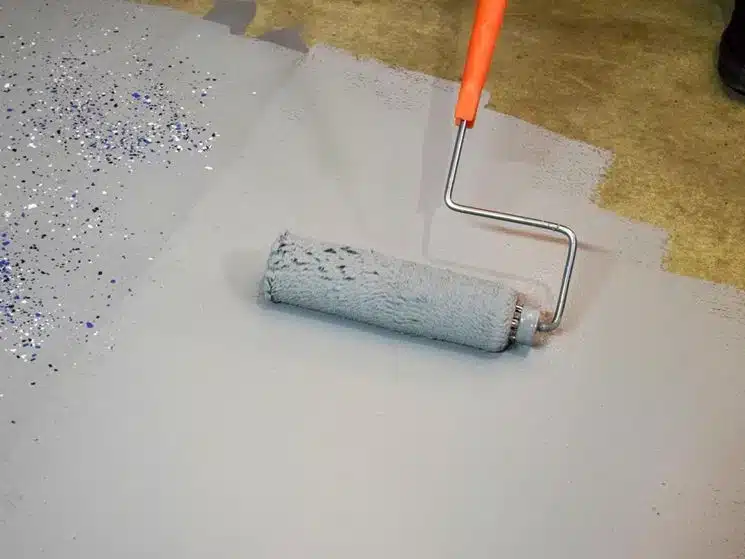
Primer for adhesion is vital when colouring tiles with resin, as standard tile surfaces tend to repel most coatings. Apply “Epoxyprimer” – Universal Water-Based Two-Component Epoxy Floor Primer using a roller or brush for smooth, even coverage. This creates an anchor between the tile and the resin, reducing the risk of peeling or chipping over time.
Allow the primer to cure fully (usually 24–48 hours) before moving to resin application. Ensure good ventilation during this time for safest results.
Step 3: Mix and Tint the Epoxy Resin
Carefully measure out your resin and hardener, following the manufacturer’s ratio for best curing. Stir the two parts together until fully blended.
For pigmenting, plan your pigment blends and test small quantities to achieve the desired shade. Mica powders, such as those included in the “Trasparente” Epoxy Resin Kit 800g + Mica Powder 10g – 10 Colour Variations, or high-quality liquid pigments work well. Mix thoroughly to avoid uneven colour streaks or flecks.

Step 4: Apply Coloured Resin to the Tile Surface
Once mixed and tinted, pour a small amount of resin onto the primed tiles. Work in small sections to maintain control and prevent runs, especially on vertical areas. Use a brush or a roller to spread to the edges and into grout lines, maintaining a consistent layer.
For feature walls or splashbacks, consider “Vertical Glass” – Thick Resin Decorative Wall Coating for easier application on vertical surfaces. This resin is designed to stay in place and can be tinted for artistic finishes. Allow the resin to cure according to instructions before touching or walking on the tiles.

Step 5: Finishing Touches and Ongoing Care
Remove any masking tape before the resin fully hardens to prevent tearing the new finish. Once cured, check for any missed areas or surface bubbles. If necessary, sand lightly and recoat for a smooth, glassy effect. Clean tools with mild solvent and keep the area dust-free during final curing.
Resin-coated tiles are easy to clean with mild soap and a soft cloth, but avoid harsh abrasives to maintain their finish.
Tips, Common Mistakes, and Troubleshooting
Avoid applying resin in humid or cold conditions, as this can delay cure and cause cloudiness. Avoid overheating the resin by pouring in sensible layer thickness—thicker applications may yellow or crack. Always use suitable PPE including gloves and a respirator where needed.
If bubbles form, a quick pass with a heat gun (without lingering) will often clear them. Patch test your colour mixes on spare tiles for confidence, and ensure the area is level and protected from dust until completely cured.
Real-World Resin Tile Transformations
Before and after views showcase how resin application completely renews tile surfaces, covering old grout and updating colour schemes. Notice the difference that preparation, primer, and pigment choice make for longevity and vibrancy.

- "Epoxyprimer" – Universal Water-Based Two-Component Epoxy Floor PrimerPrice range: £148.84 through £272.45"Epoxyprimer" is a water-based epoxy primer designed for effective adhesion on concrete, tiles, screeds, and timber surfaces.
- "Trasparente" – Multipurpose Clear Epoxy Resin for Casting – Up to 2cmPrice range: £8.45 through £948.85"Trasparente" is a clear casting epoxy resin suitable for detailed DIY projects and woodworking finishing up to 2 cm thick.
- "Trasparente" Epoxy Resin Kit 800g + Mica Powder 10g – 10 Colour Variations£19.85"Trasparente" Epoxy Resin Kit offers a clear, multi-purpose resin suitable for use in castings and table making projects.
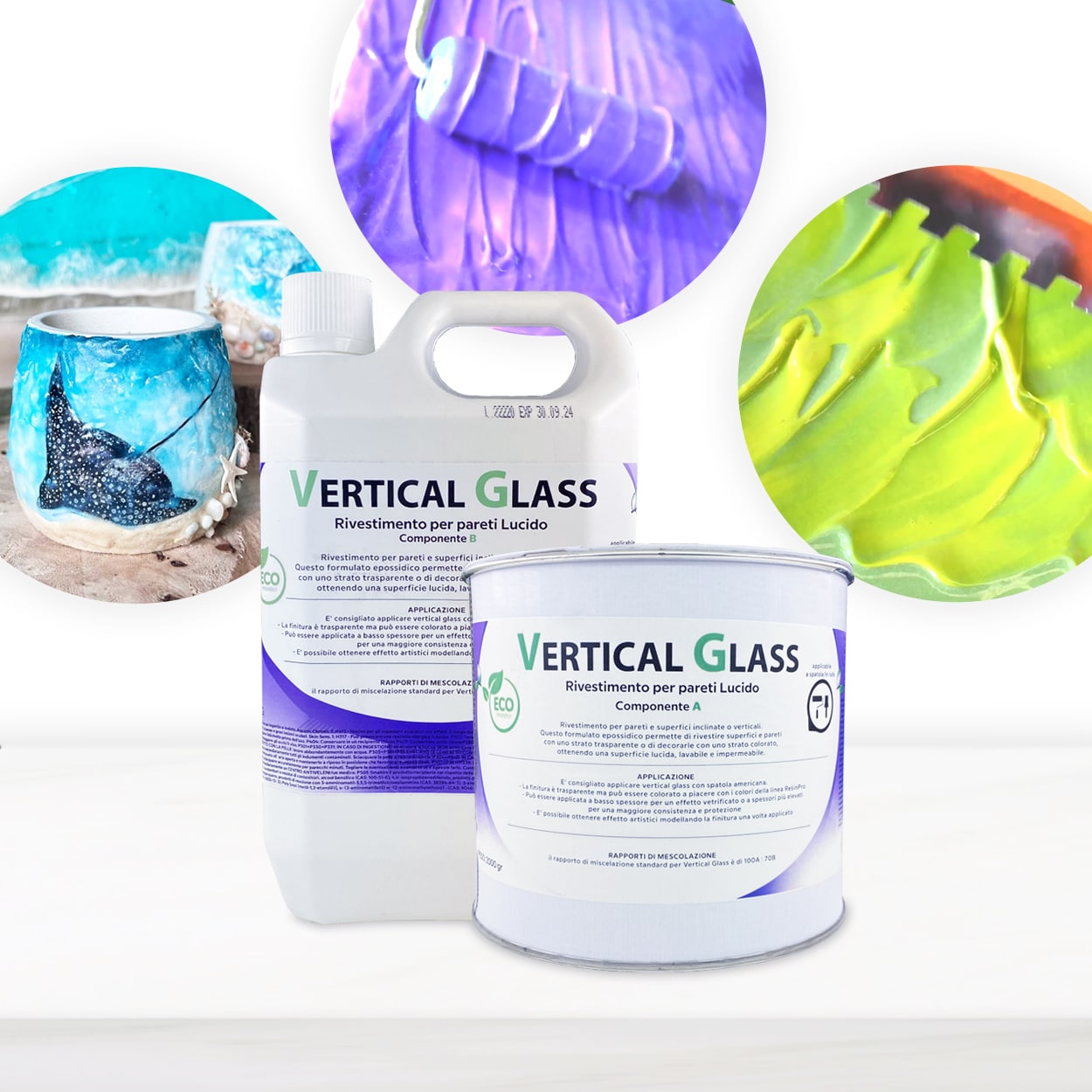 "Vertical Glass" – Thick Resin Decorative Wall CoatingPrice range: £128.85 through £179.85"Vertical Glass" offers a durable, customisable epoxy resin coating for vertical and sloping surfaces, suitable for residential or commercial…
Frequently Asked Questions
Will resin stick to glossy tile surfaces?
Resin will adhere best if the tile surface is lightly abraded and properly primed before application. Use an appropriate primer for reliable results.
Can I colour grout lines as well?
Yes, prepared resin will cover grout lines for a seamless effect if applied carefully after priming and cleaning.
How long before I can use the tiles after resin application?
Allow 24–48 hours for the resin to cure, and up to 7 days before subjecting the surface to heavy use or cleaning.
Will the resin finish yellow or fade over time?
Quality resin systems with UV filters maintain clarity, but prolonged sun exposure can eventually cause slight yellowing.
Are resin-coated tiles easy to clean?
Yes, they are easy to clean with mild soap and water. Avoid harsh abrasives or scouring pads.
What should I do if bubbles or imperfections appear after curing?
Sand affected areas gently and recoat with a fresh, thin layer of resin for a flawless finish.