 Free shipping on orders over £29,85
  Shipping Tracking!


 Google
 Facebook
How to create crystals with epoxy resin?
Step-by-step guide for making beautiful clear resin crystals

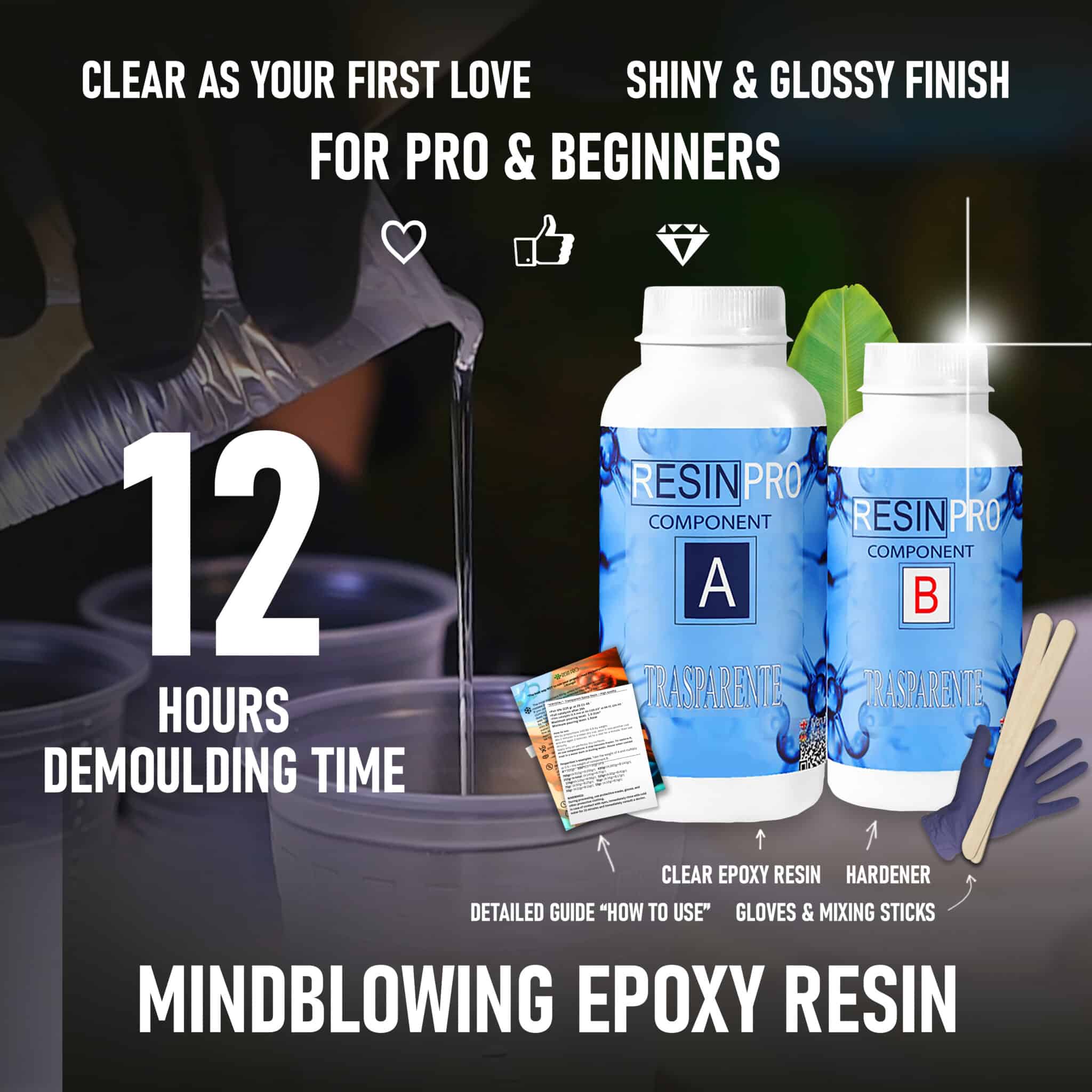
Epoxy resin crystals have become a popular craft choice, offering stunning clarity and endless customisation. Whether you want to mimic the natural sparkle of quartz or design striking geometric shapes, learning how to create resin crystals is the perfect way to realise your creative ideas. This step-by-step guide explains everything you need to know to achieve crystal-clear results and successfully craft your own resin crystals at home.
What You’ll Need
- “Icrystal” – Clear Epoxy Resin – Odourless Formula – Up to 1.5cm: A clear, odourless epoxy resin suitable for creative and surface coating projects requiring a durable finish.
- “Trasparente” – Multipurpose Clear Epoxy Resin for Casting – Up to 2cm: A certified non-toxic, multipurpose clear epoxy resin designed for casting layers up to 2cm with long-lasting clarity.
- “Trasparente” Epoxy Resin Kit 800g + Mica Powder 10g – 10 Colour Variations: An ultra clear resin kit suitable for creating craft, woodworking, and artistic projects with a glossy, self-levelling finish.
- “ICreation” – Fast Epoxy Resin, 6h Demoulding, Transparent Gloss Finish: A fast-curing epoxy resin with a transparent glossy finish designed for jewellery and decorative crafts.
- Silicone crystal mould(s)
- Mixing cups and wooden stir sticks
- Disposable gloves
- Protective surface covering and apron
- Optional: pigment powder or mica for colour effects
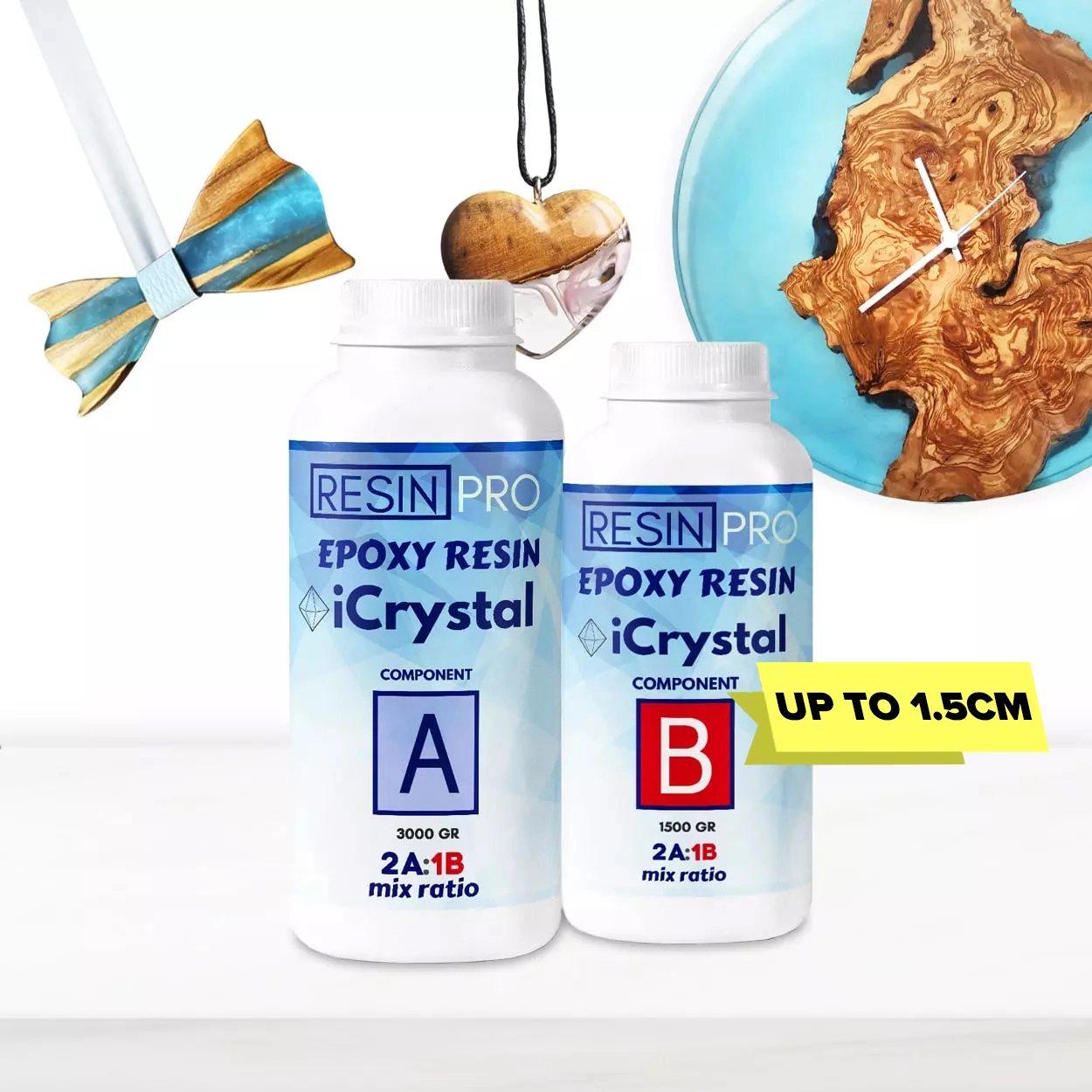
Crystal Resin Gallery and Inspiration
See how epoxy resin can be transformed into delicate, dazzling crystal shapes. Notice the clarity and variety of colours achievable with quality clear resins.
Browse our gallery for creative examples and new ideas for your next crystal resin project.

Step 1: Select and Prepare the Mould
Your choice of mould determines the final shape and clarity of your resin crystals. Choose a mould with a polished interior for maximum clarity. Wash and dry the mould carefully before use to avoid imperfections. Place the mould on a flat, stable surface protected by a disposable covering to catch any spills.
Ensure your workspace is dust-free. Even small particles can mar the clarity of your finished crystal. Having all your tools within reach will streamline the process.
Step 2: Mix the Epoxy Resin Thoroughly
Accurate mixing is crucial for achieving a clear, bubble-free result. Refer to your chosen resin’s instructions for the correct mixing ratio and batch size. For example, “Icrystal” – Clear Epoxy Resin – Odourless Formula – Up to 1.5cm is ideal for small, highly transparent castings, while “Trasparente” – Multipurpose Clear Epoxy Resin for Casting – Up to 2cm can be used for slightly thicker crystal shapes.
Mix resin and hardener thoroughly but gently to minimise bubbles. Use a wooden stir stick and scrape the sides and bottom of the mixing cup continuously. If you are adding pigment or mica, sprinkle it in small amounts and blend completely before pouring.
Step 3: Pour and Cure the Resin
Once you have a fully blended resin, pour it carefully into the mould cavity. Pour slowly and avoid overfilling. For best results, fill the mould with a steady hand to reduce trapped air.
Tap the side of the mould gently or use a cocktail stick to coax any visible bubbles to the surface. Cover the mould to keep dust out as the resin cures. Most clear epoxy resins, such as those from the materials list, require curing at room temperature and protection from direct sunlight during the setting period. Allow full curing time in a dust-free area for optimal clarity.

Step 4: Demould and Finish the Crystal
Curing time will vary depending on the resin product. For rapid results, “ICreation” – Fast Epoxy Resin, 6h Demoulding, Transparent Gloss Finish allows for demoulding in as little as six hours. Standard resins typically require 24 hours or more for a full cure.
Demould carefully to protect sharp edges. If the crystal shape has faceted or pointed tips, flex the mould gently from different directions until the casting pops out. Should edges appear slightly rough, you can sand them lightly or buff with a soft cloth for a smooth, glass-like finish.

Tips and Troubleshooting for Crystal-Clear Results
Work in a well-ventilated environment and use gloves to protect yourself and your workspace. To avoid cloudiness, never mix old or poorly stored resin. If bubbles appear after pouring, pass a hot air gun or torch very quickly over the surface (taking care not to scorch the resin or mould). Always read safety instructions and cure times fully for your selected resin before starting the project.
If your cast comes out with a sticky surface, the most common cause is an incorrect mixing ratio or under-mixing. Small surface imperfections can often be rectified with a gentle polish or a second, thin resin coat.
Perfect Your Crystal Technique
Quality resin, careful mixing, and patient curing all play a role in flawless crystal results. Try different mould shapes, and experiment with mica powders for unique shimmering effects in your next creation.
Don’t forget to share your finished pieces with the ResinPro community for ideas and support.

- "Icrystal" – Clear Epoxy Resin – Odourless Formula – Up to 1.5cmPrice range: £11.65 through £954.85"Icrystal" is a transparent epoxy resin designed for clear layering and scratch resistant surface finishes.
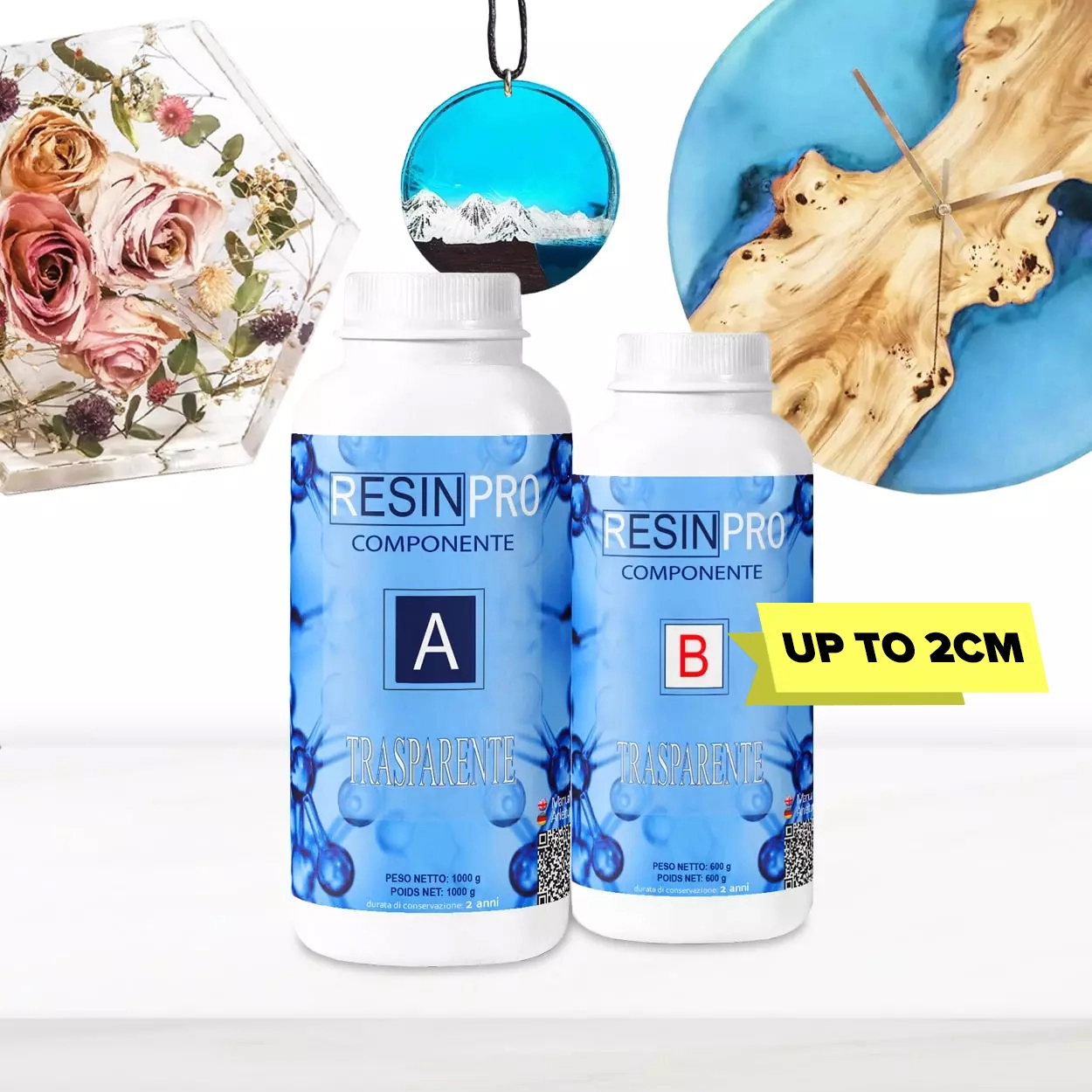 "Trasparente" – Multipurpose Clear Epoxy Resin for Casting – Up to 2cmPrice range: £8.45 through £948.85"Trasparente" multipurpose clear epoxy resin is suitable for up to 2cm casting layers with a glossy, ultra-clear finish for various DIY and…
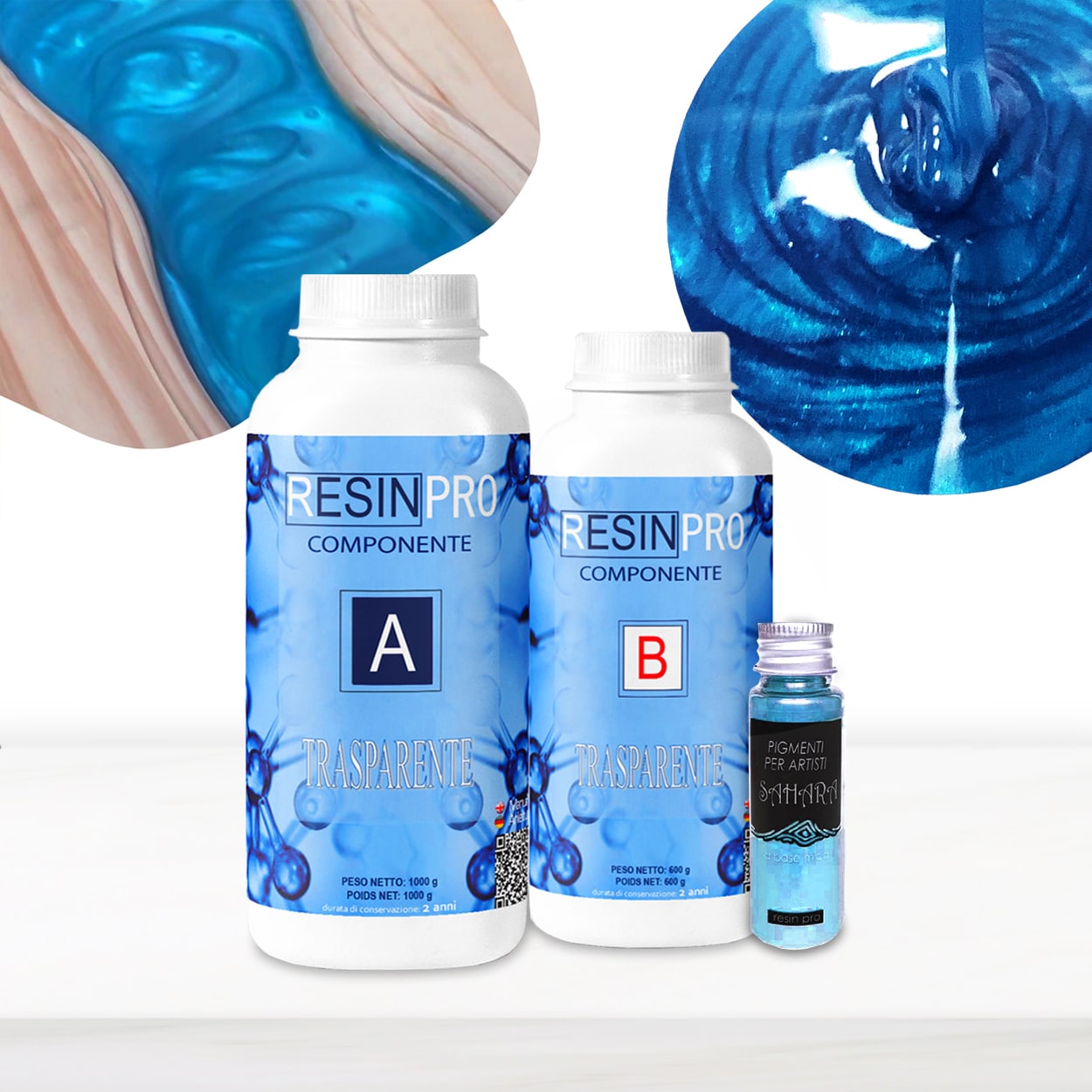 "Trasparente" Epoxy Resin Kit 800g + Mica Powder 10g – 10 Colour Variations£19.85"Trasparente" is an ultra clear multipurpose epoxy resin kit designed for DIY and craft projects with a highly transparent, glossy finish.
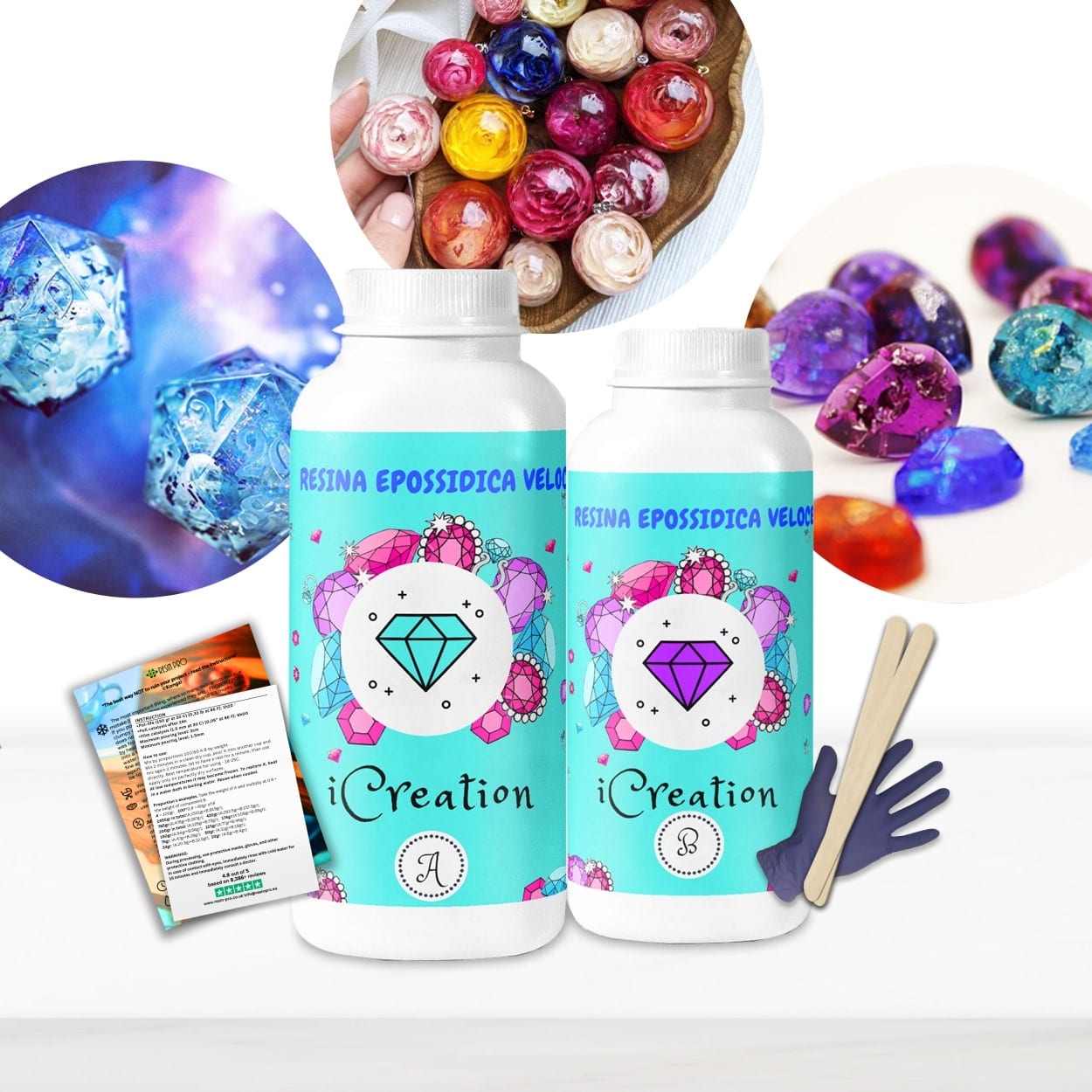 "ICreation" – Fast Epoxy Resin, 6h Demoulding, Transparent Gloss FinishPrice range: £19.40 through £52.85ICREATION fast epoxy resin offers a crystal-clear, self-levelling surface with a 6-hour demoulding time for quality resin crafts.
Frequently Asked Questions
What moulds are best for making resin crystals?
Choose silicone moulds with a polished interior for the clearest, sharpest crystal shapes and easy release.
How can I prevent bubbles when casting resin crystals?
Mix slowly, pour gently, and allow bubbles to rise. Use a quick pass with a hot air gun if needed.
How long does epoxy resin take to cure for crystal projects?
Curing time varies: standard resins need 24 hours or more, while quick-cure options can demould in 6 to 12 hours.
Can I add pigment or mica to resin crystals?
Yes, adding small amounts of pigment or mica allows you to customise colour while preserving sparkling effects.
How do I achieve a glossy finish on resin crystals?
Use a self-levelling clear resin and cure in a clean environment. Buffing the cooled piece adds extra shine if desired.
What causes sticky surfaces on resin crystals?
Sticky resin is usually due to mixing errors or under-curing. Double-check ratios and allow for full cure time.