Free shipping on orders over £29,85
  Shipping Tracking!


 Google
 Facebook
How to anchor rebar with epoxy resins?
Step-by-step process for reliable rebar anchoring in construction


Anchoring rebar into concrete, stone, or masonry using epoxy resins ensures a strong, long-lasting bond essential for reliable repair, reinforcement, and construction work. This guide will take you through the safe, effective steps for embedding rebar with epoxy adhesives, including crucial preparation and curing tips for success.
What You’ll Need
- “FixExpress” – Two-Component Epoxy Glue 500g: A fast-setting, high-strength epoxy ideal for rapid repairs and metal-to-concrete bonding.
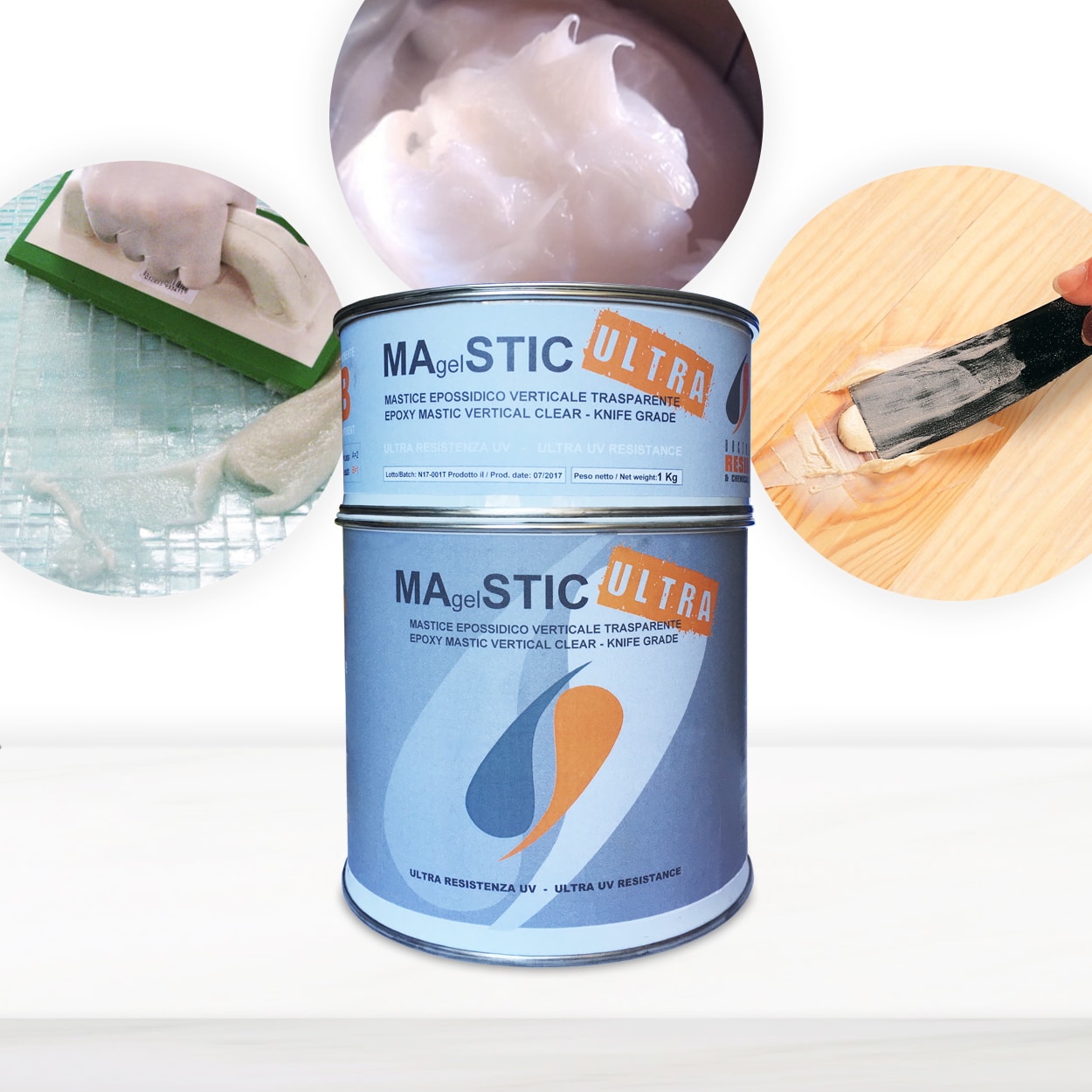
- “Magelstick” – Epoxy Mastic for Stone, Metal, and Cement Bonding and Grouting: Suitable for professional installation and grouting, especially in exposed or vertical applications.
- “Carbon Resin” – Epoxy Resin for Carbon Fiber & Fiberglass Coating: For anchoring tasks involving composites or when additional mechanical strength is required.
- Clean wire brush, compressed air or vacuum, and mixing tools
- Protective gloves and goggles
- Drill (appropriate for concrete or masonry) and correct-sized drill bits
- Measuring and marking tools

Anchoring Tools and Bonding Essentials
Using the right epoxy and surface preparation tools dramatically improves anchoring performance. Choose your resin based on climate, working position, and substrate compatibility. Epoxy mastics are perfect for outdoor and vertical work, while fast-set adhesives save time in routine fixes.
Precision and cleanliness are the keys to achieving maximum bond strength for rebar installation.
Step 1: Plan the insertion depth and spacing
Plan the insertion depth and spacing of your rebar according to structural requirements or technical guidance for your project. Proper embedment depth is key for ultimate bond strength. Mark both hole position and required embedment length to avoid guesswork during installation.
Check for existing reinforcement and ensure your planned holes will not compromise the structure. Take care to adhere to relevant building standards where necessary.
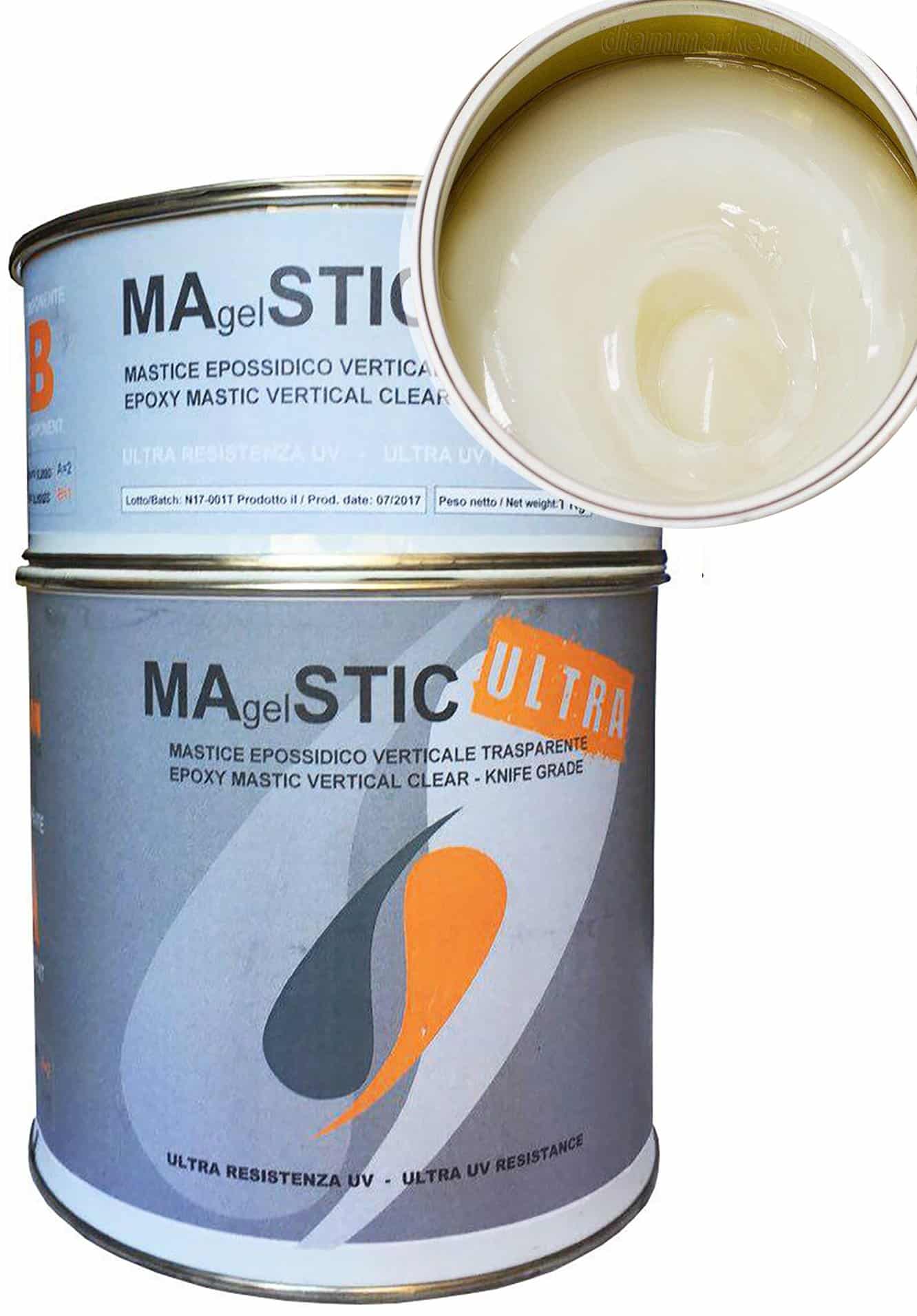
"Magelstick" – Epoxy Mastic for Stone, Metal, and Cement Bonding and Grouting
Professional-grade epoxy putty for bonding and grouting natural and artificial stone, metal, and cement.
Step 2: Clean the hole and rebar thoroughly
Clean the hole and rebar thoroughly to remove dust, residual concrete, loose particles, oils, or rust, as contaminants greatly reduce bond performance. Use a wire brush for both the drilled hole and surface of the rebar, followed by blowing out debris with compressed air or vacuuming.
Repeat cleaning if necessary. Any dust or residue left inside may prevent full epoxy penetration and weaken the bond.
Step 3: Mix the epoxy resin according to instructions
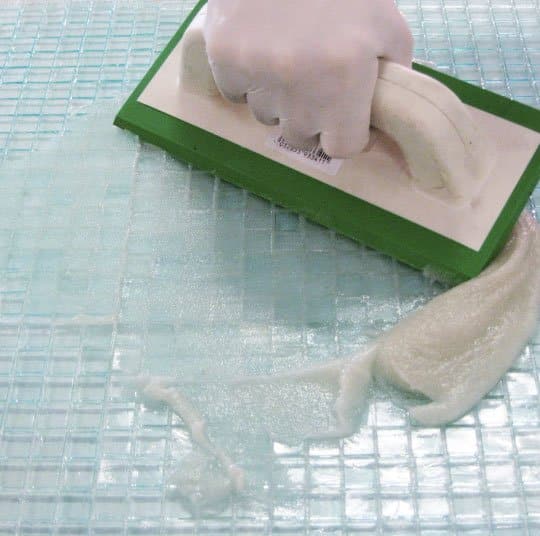
Mix the epoxy resin according to instructions, observing the manufacturer’s specified ratios for an optimal result. For smaller fast-setting tasks, “FixExpress” – Two-Component Epoxy Glue 500g allows for rapid application with a simple 1:1 mixing ratio. For intricate or vertical work, “Magelstick” – Epoxy Mastic offers thixotropic, no-sag consistency ideal for gap filling.
Mix only the amount you can use within the working time, and always wear gloves and eye protection. Blend thoroughly until colour and texture are uniform.
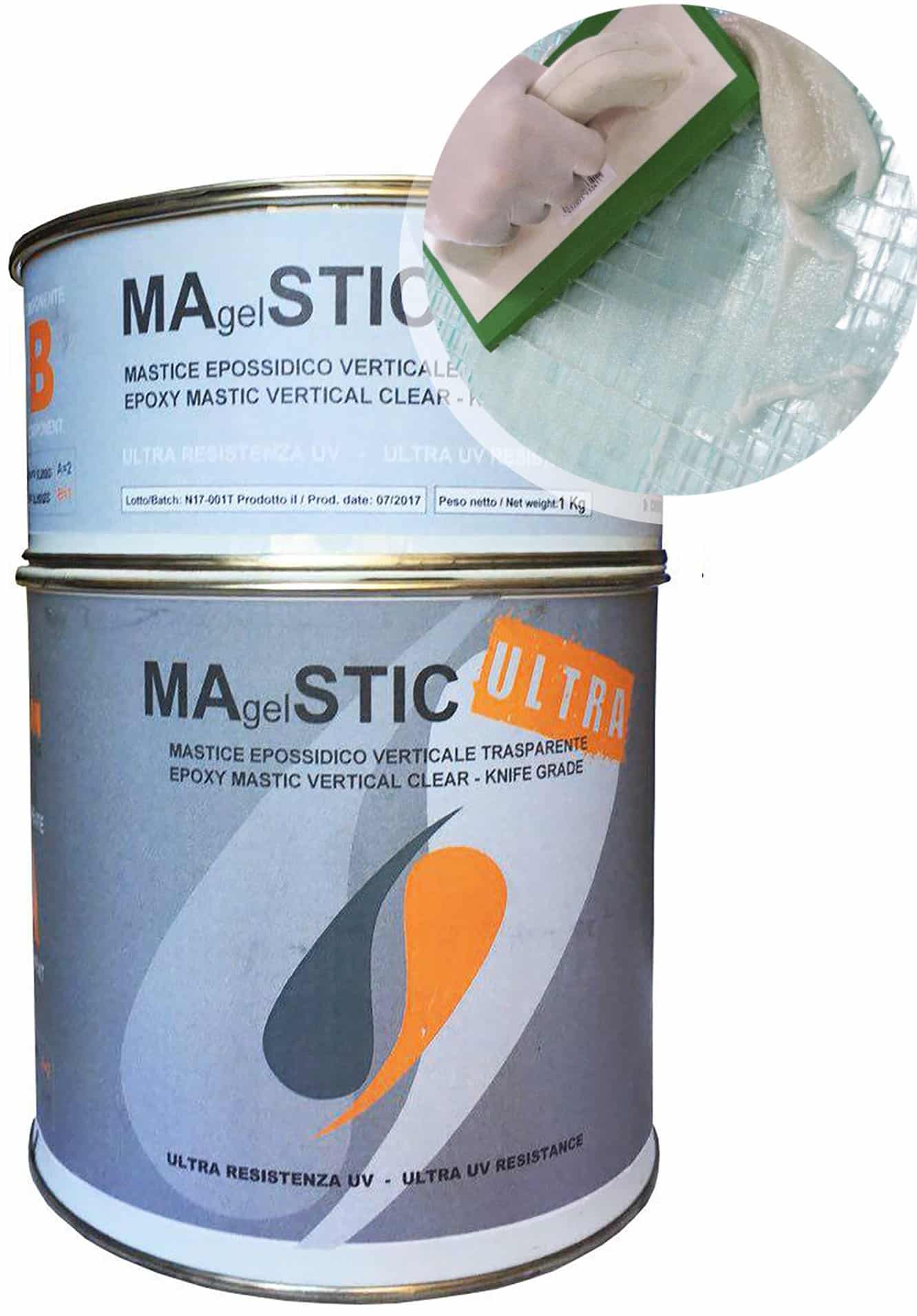
"Magelstick" – Epoxy Mastic for Stone, Metal, and Cement Bonding and Grouting
Professional-grade epoxy putty for bonding and grouting natural and artificial stone, metal, and cement.
Step 4: Insert rebar and secure firmly
Insert rebar and secure firmly immediately after filling the hole with mixed epoxy. Fill about two-thirds of the cavity, then push the rebar in with a twisting motion to ensure complete wetting of the metal and elimination of trapped air. Excess adhesive may flow out—wipe it clean before it sets.
If working with composites or fibre reinforcement, “Carbon Resin” – Epoxy Resin for Carbon Fiber & Fiberglass Coating is suitable for ensuring strong adhesion where fabrics are involved. Align and support the rebar so it remains in position throughout the curing period.
Step 5: Allow full curing before applying loads
Allow full curing before applying loads to the anchored rebar. Refer to product guidelines for exact curing times; for “FixExpress” epoxy, initial setting occurs in about 5 minutes, but maximum strength is reached after the recommended cure period. “Magelstick” requires a longer set, particularly in cool conditions.
Do not stress or move the rebar prematurely, as this can compromise the bond’s strength and durability. Full load bearing should only occur after complete curing.
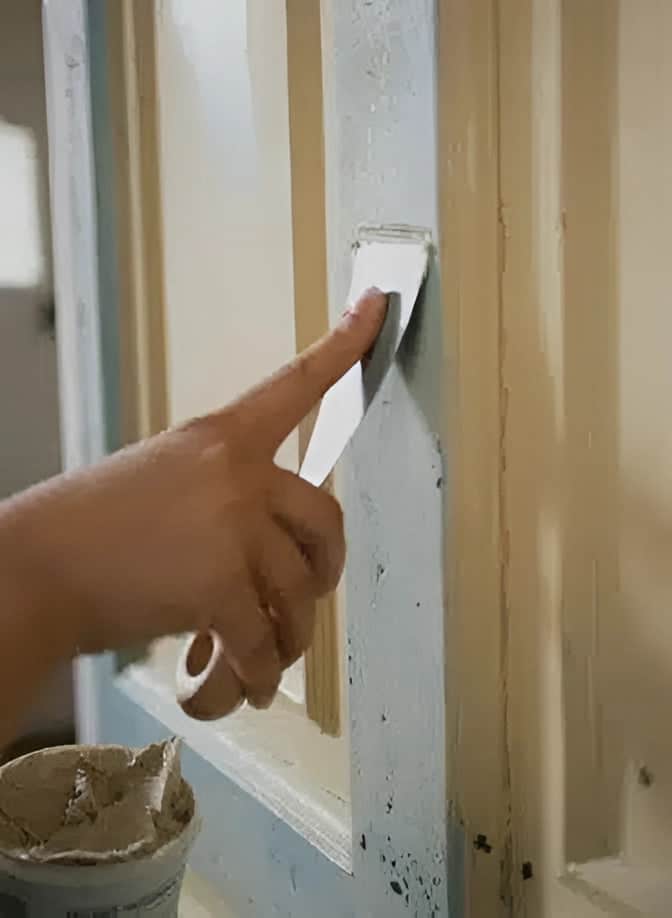
"Magelstick" – Epoxy Mastic for Stone, Metal, and Cement Bonding and Grouting
Professional-grade epoxy putty for bonding and grouting natural and artificial stone, metal, and cement.
Tips, Common Mistakes, and Troubleshooting
Achieving a lasting anchor depends on meticulous surface preparation and proper mixing. One of the most common mistakes is failing to adequately clean the hole or rebar, resulting in poor adhesion. Always follow instructions precisely, especially with mixing ratios and working times.
For vertical or overhead anchoring, select a thixotropic epoxy such as “Magelstick” to prevent slumping. If you notice air pockets or poor filling, ensure the hole isn’t too tight and use a twisting motion to install the rebar. Protect all surfaces from moisture and disturbance during the cure period. Should you notice incomplete curing, check ambient temperature and component ratios.
Ensuring Long-Lasting Rebar Anchors
Meticulous application and curing will yield reliable, durable rebar fixation. Always shield fresh installations from shock, loading, and moisture until fully cured. When in doubt, refer to technical sheets or seek guidance on best practice.
Remember: Properly anchored rebar reinforces not just your project, but the longevity of the entire structure.
- "FixExpress" – Two-Component Epoxy Glue 500g£25.45"FixExpress" two-component epoxy glue delivers rapid bonding and strong adhesion in 5 minutes, suitable for various repair needs.
- "Magelstick" – Epoxy Mastic for Stone, Metal, and Cement Bonding and GroutingPrice range: £43.85 through £166.45"Magelstick" Epoxy Mastic is designed for professional bonding and grouting of stone, metal, and cement, suitable for interior and exterior use.
 "Carbon Resin" – Epoxy Resin for Carbon Fiber & Fiberglass CoatingPrice range: £18.85 through £35.85Epoxy resin for carbon fibre and fibreglass designed for composites and technical fabrics with good impregnation and a glossy finish.
Frequently Asked Questions
What is the minimum curing time for epoxy-anchored rebar?
Curing time varies by product and ambient temperature. Rapid curing glues like "FixExpress" set in about 5 minutes, but full mechanical strength may require several hours. Always check the specific guidelines for your chosen epoxy and avoid stressing the anchor until fully cured.
Can I use these epoxy resins for overhead or vertical rebar anchoring?
Yes, but it’s best to select a thixotropic or mastic epoxy such as "Magelstick", which resists sagging and stays in place during application, making it suitable for vertical or overhead settings. Standard, more fluid epoxies may drip or flow out of the hole in these scenarios.
Should the hole and rebar be dry or can they be damp?
Both should be dry and free of residual moisture. Damp conditions risk weakening the adhesive bond. Clean and dry all surfaces before application for optimal results.
What’s the best way to ensure complete filling around the rebar?
Fill the hole partially with epoxy, then insert the rebar using a twisting motion to eliminate air pockets and ensure uniform coverage. For large holes, consider applying epoxy to both the hole and rebar before assembly.
How important is mixing ratio with epoxy resins?
Accurate mixing is crucial. Too much or too little hardener leads to incomplete curing or weakened bonds. Always measure and blend as instructed for the specific epoxy product you’re using.
What safety precautions should I take when anchoring rebar with epoxy resins?
Wear gloves and eye protection to prevent skin and eye contact with uncured epoxy. Use proper ventilation or a mask, especially in confined spaces. Read safety data for all products in advance.
Can I anchor rebar in cold weather with these epoxies?
Some epoxies, such as "Magelstick", require a minimum temperature for proper curing—typically above 10°C. Work within recommended temperature ranges to assure full setting and bond strength. For rapid set in cool conditions, use products specifically formulated for fast curing.
Does the epoxy bond only to the rebar, or does it reinforce the hole as well?
Epoxy not only bonds to the rebar but also forms a strong interface with the hole surface, distributing loads and providing enhanced reinforcement within the concrete or masonry substrate.
"Magelstick" – Epoxy Mastic for Stone, Metal, and Cement Bonding and Grouting
Professional-grade epoxy putty for bonding and grouting natural and artificial stone, metal, and cement.