 Free shipping on orders over £29,85
  Shipping Tracking!


 Google
 Facebook
How to Make Epoxy Resin
A step-by-step guide to mixing and using epoxy resin safely
Epoxy resin crafts are fast becoming a favourite pastime for artists and DIY enthusiasts alike. Learning how to make epoxy resin allows you to create beautiful jewellery, art pieces, and glossy coatings. This guide demystifies the process, providing safe, straightforward steps suited to both beginners and those eager to improve their resin techniques.
What You’ll Need
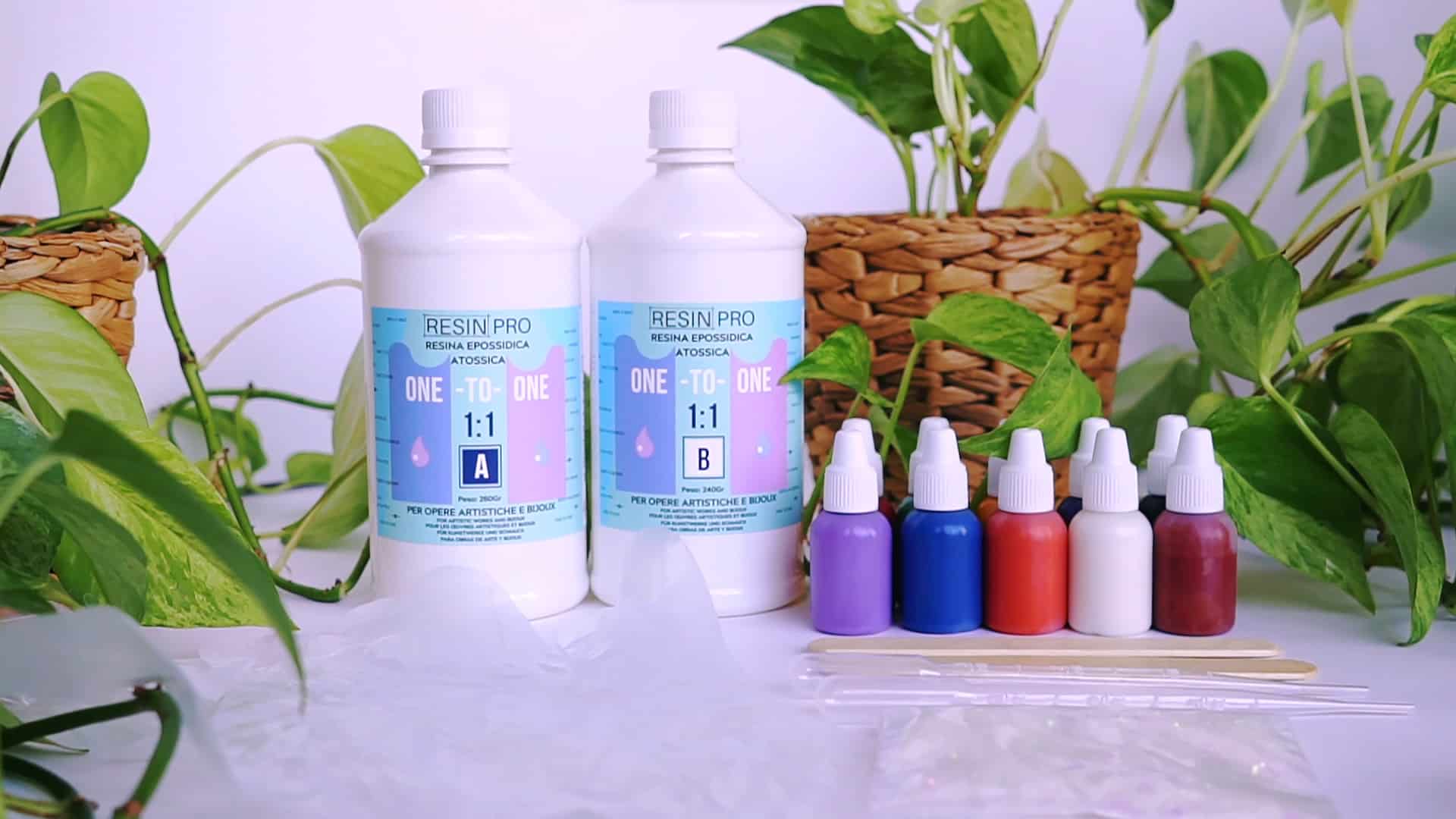
- “One-2-One” – Epoxy Resin for Handcraft, 1:1 Mixing Ratio – An easy-to-use resin ideal for handcrafts, beginner-friendly with a simple 1:1 volume mix.
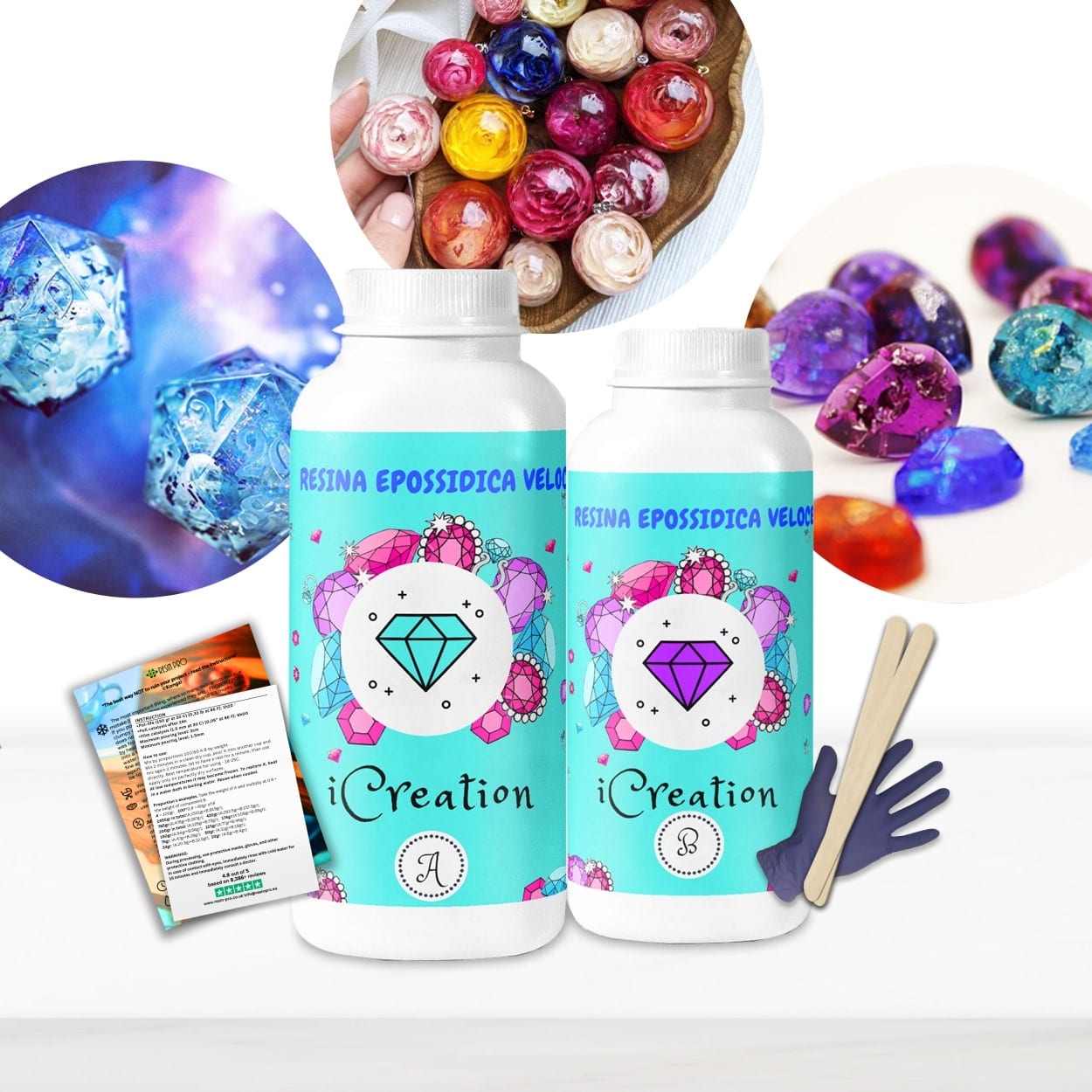
- “ICreation” – Fast Epoxy Resin, 6h Demoulding, Transparent Gloss Finish – Prefer speed? This resin cures quickly, enabling faster project completion.
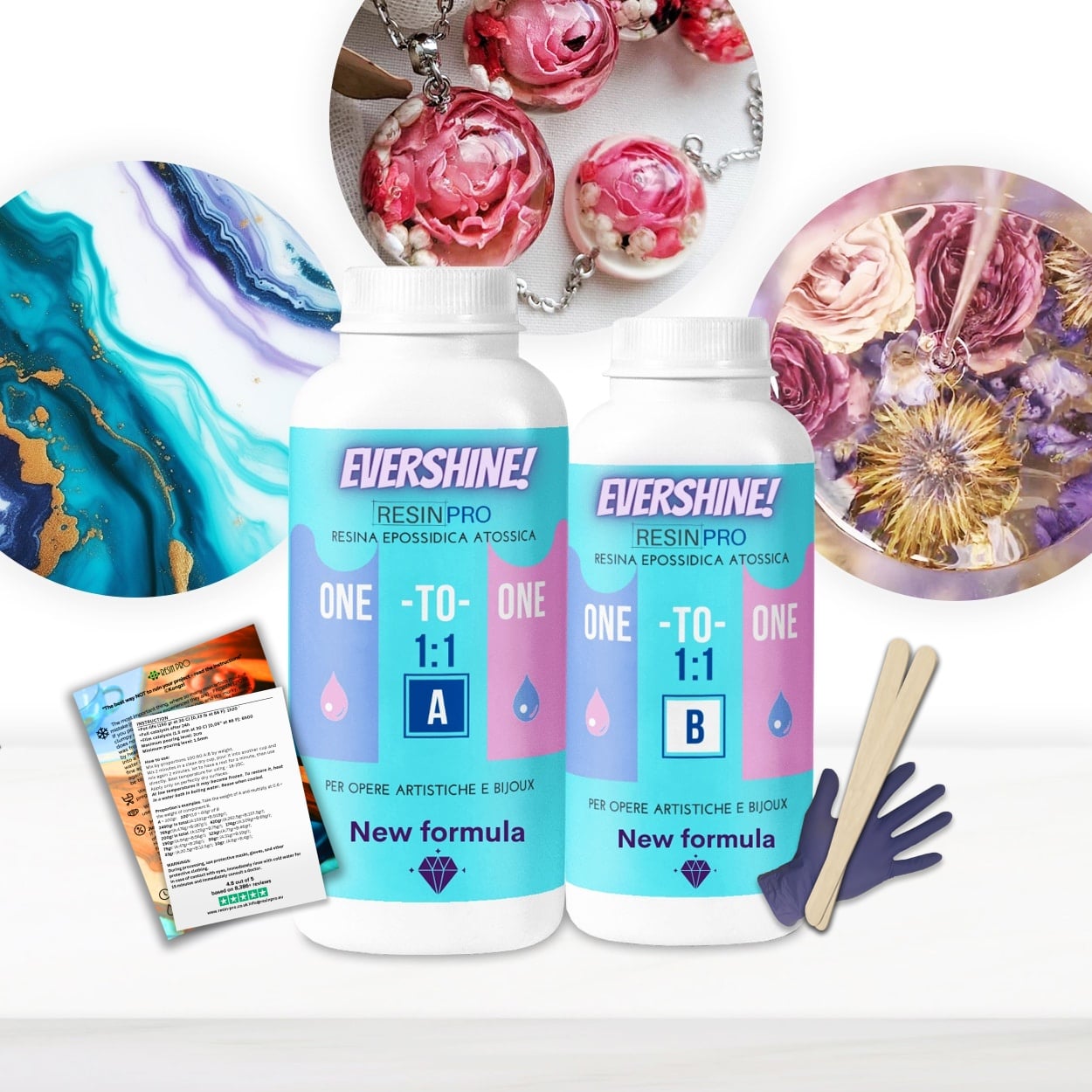
- “Evershine Collection” – Artisan Jewellery Epoxy Resin Kit with 100+ Accessories – A comprehensive starter kit with resin, accessories, pigments, and more.
- “Colourfun Set” – Liquid Epoxy Resin Colourant Set for Solid Colour Effects – For creative effects, use these concentrated liquid pigments to tint your resin.
- Nitrile gloves and a dust mask for safety
- Silicone moulds or a suitable casting surface
- Mixing cups, sticks, and disposable aprons or table covers
Inspiring Epoxy Resin Creations
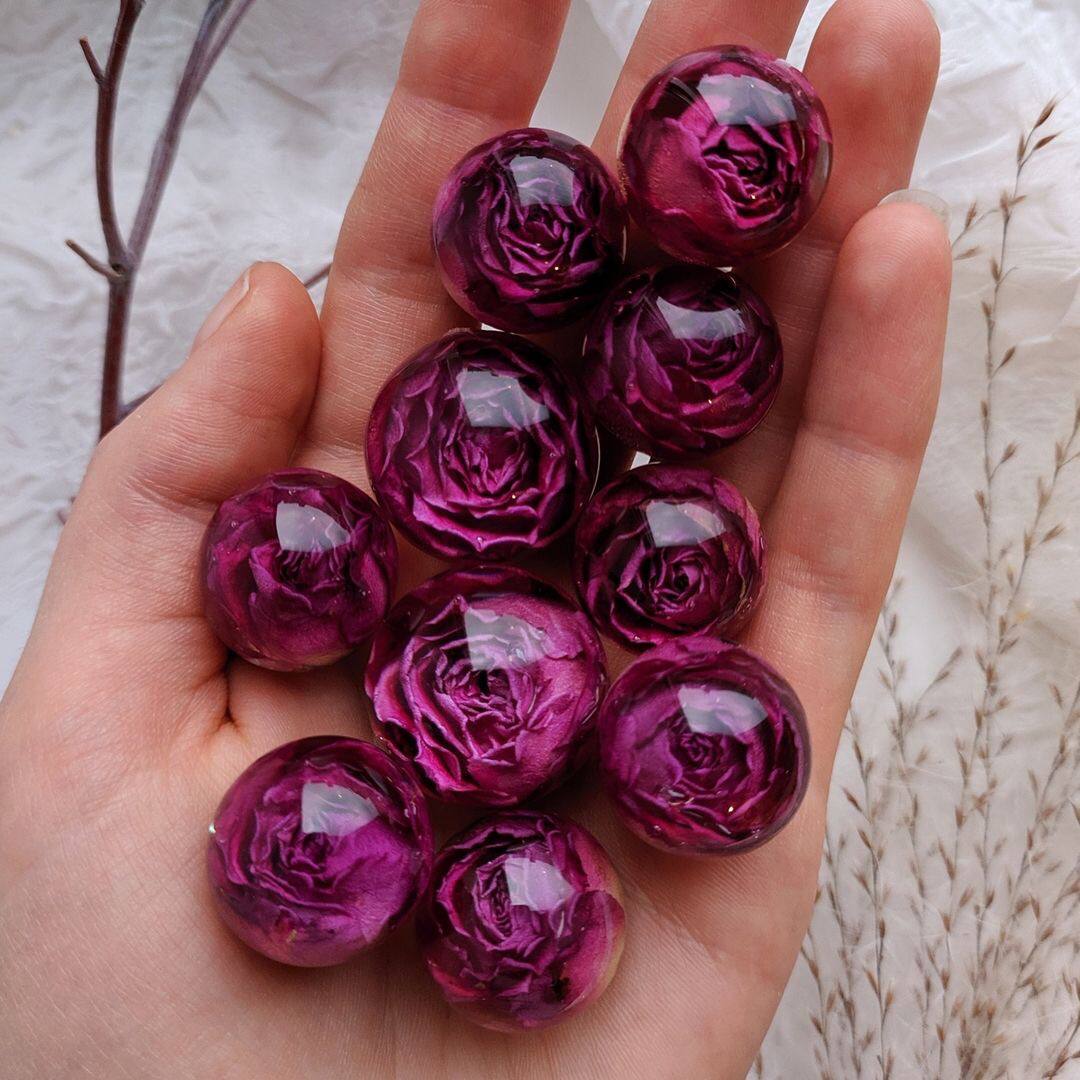
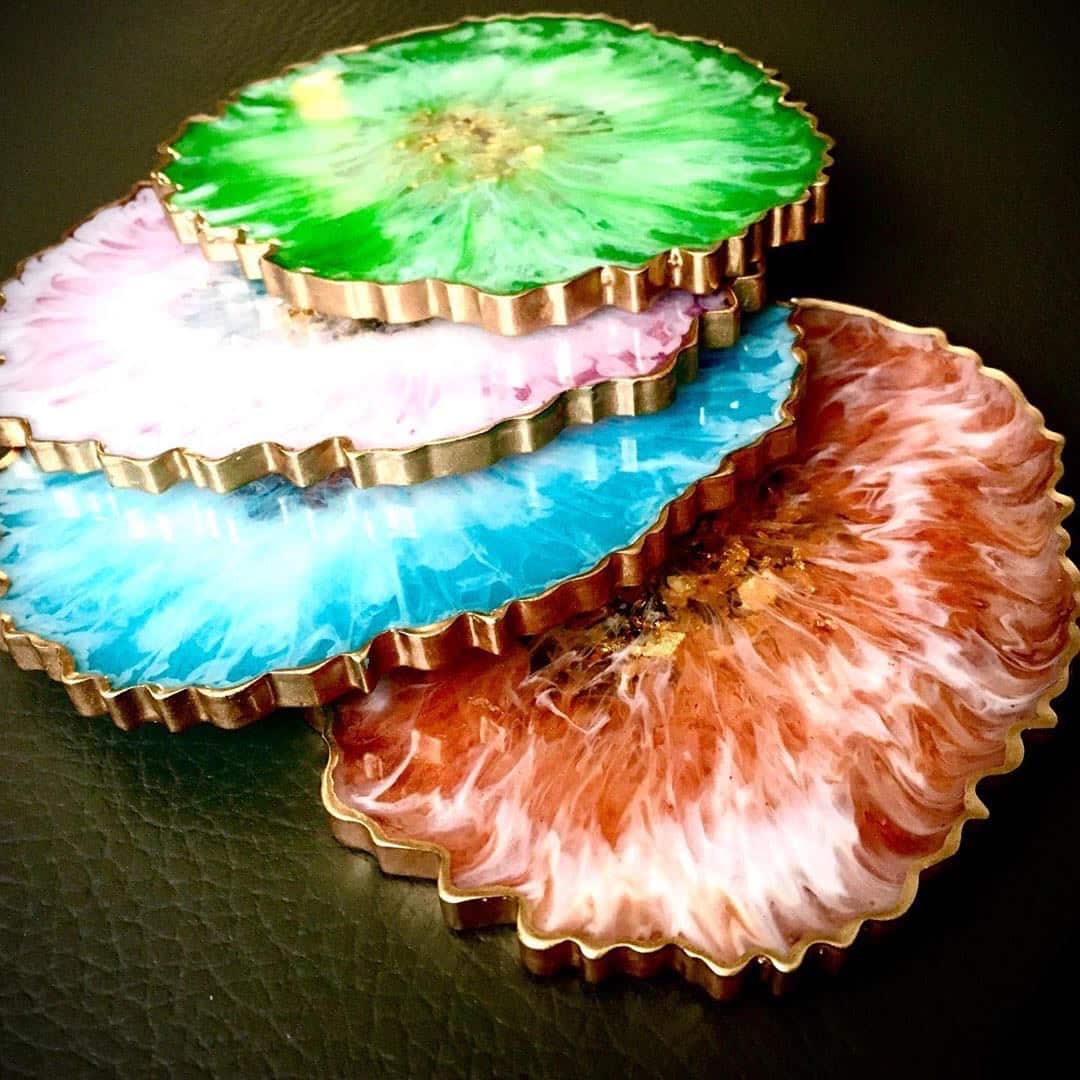
See how professionals and beginners alike transform their resin projects with easy-to-use systems. Spark ideas for your own artwork, jewellery, and more by exploring finished pieces using transparent, glossy, and vibrantly coloured epoxy.

Step 1: Prepare Your Workspace and Safety Gear
Organisation and safety are crucial before any resin project. Set up in a clean, dust-free, and well-ventilated area—resin can release odours and particles during mixing and cure. Cover your workspace to protect from drips, and lay out all your tools within reach. Don nitrile gloves and a dust mask to avoid skin contact and inhaling any fumes.
Always read the manufacturer’s instructions for the resin system you’re using, as mixing ratios and working times may differ.
Step 2: Measure and Mix the Resin and Hardener
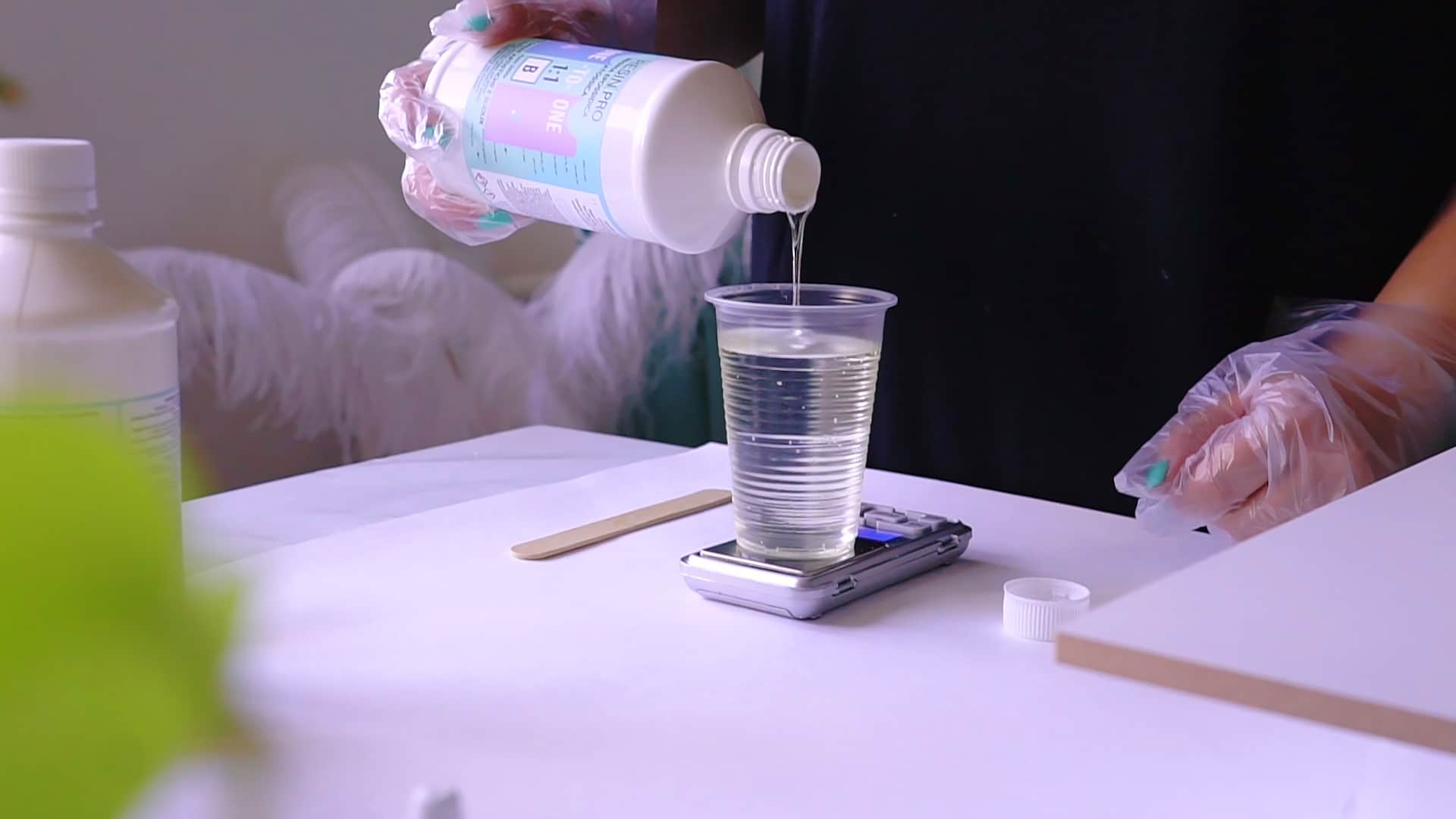
Accurate measuring ensures your resin cures properly. Check if your product is mixed by weight or volume—some, like the “One-2-One” – Epoxy Resin for Handcraft, 1:1 Mixing Ratio, use a simple 1:1 ratio. Others, like “ICreation” – Fast Epoxy Resin, 6h Demoulding, Transparent Gloss Finish, may require a 2:1 ratio.
Pour the resin and hardener into a clean mixing cup. Ensure accurate mixing ratios; even small mistakes will prevent proper curing. Mix slowly and thoroughly with a wooden or silicone stick, scraping the sides and bottom for at least two to three minutes until the mixture turns clear and uniform. Working too fast can introduce unwanted bubbles.
Step 3: Add Colourants or Embellishments
If you wish to add visual effects, stir in pigments such as those in the “Colourfun Set” – Liquid Epoxy Resin Colourant Set for Solid Colour Effects. Begin with a small amount and blend thoroughly, increasing pigment load for bolder tones. Be cautious—excess pigment can alter curing times or clarity.
You can also add dried flowers, glitter, or other safe inclusions. Avoid moisture and certain materials (like paper) that might react with resin.
Step 4: Pour the Resin into Your Mould or Surface
Once mixed and coloured to your liking, pour the resin slowly into your prepared mould or directly over your artwork surface. This gradual pour reduces trapped bubbles and ensures a smooth, even layer.
For projects like jewellery, consider using a comprehensive kit such as the “Evershine Collection” – Artisan Jewellery Epoxy Resin Kit with 100+ Accessories, which provides silicone moulds and creative components.
Gently pop any surface bubbles with a toothpick or lightly waft a heat gun or flame across the resin, taking care not to scorch or overheat.
Step 5: Cure and Finish Your Resin Piece
Work in a well-ventilated area while your piece cures. Curing times vary: a fast-cure option like “ICreation” – Fast Epoxy Resin, 6h Demoulding, Transparent Gloss Finish can be demoulded in about 6 hours, while others may need 12–24 hours.
Avoid moving or touching the project until it’s set. Be patient during curing—interference can ruin the finish. Once fully cured, unmould carefully. Sand edges or polish for an even sleeker look if desired.
Tips, Common Mistakes, and Troubleshooting
- Measure precisely—incorrect ratios cause sticky, uncured resin.
- Mix slowly to avoid bubbles; let the resin rest briefly to let bubbles surface.
- Avoid humidity and moisture in both workspace and inclusions—water can disrupt curing.
- If using coloured pastes or powders, add pigment gradually for controlled effects.
- If bubbles persist, gently heat the mould or surface immediately after pouring.
Creative Ways to Personalise Your Resin Art
Add a unique touch to every creation. Embed dried flowers, glitter, or letter moulds for standout gifts or statement decor. The right kit or pigment opens up endless possibilities in resin crafting.
- "One-2-One" – Epoxy Resin for Handcraft, 1:1 Mixing RatioPrice range: £14.85 through £56.85"One-2-One" epoxy resin is a medium viscosity, non-toxic resin with an easy 1:1 mixing ratio. Suitable for handcraft projects and decorative coatings.
- "ICreation" – Fast Epoxy Resin, 6h Demoulding, Transparent Gloss FinishPrice range: £19.40 through £52.85ICreation fast epoxy resin provides a transparent, glossy finish with quick 6-hour demoulding, fitting the How to Make Epoxy Resin theme.
 "Evershine Collection" – Artisan Jewellery Epoxy Resin Kit with 100+ Accessories£20.85A complete jewellery workshop set featuring 500g crystal-clear epoxy resin and over 100 accessories, designed for resin crafters and beginners.
 "Colourfun Set" – Liquid Epoxy Resin Colourant Set for Solid Colour EffectsPrice range: £13.45 through £48.15The Colourfun Set offers intense translucent colours for transparent epoxy resin projects such as sea water effects and river tables.
Frequently Asked Questions
Why is an accurate mixing ratio important for epoxy resin?
Accurate ratios ensure your resin cures fully. Incorrect measurements lead to tacky or soft results that may never harden properly.
How long do I have to work with epoxy resin before it starts to set?
Most epoxies provide 15–45 minutes working time, but this varies by product. Always check your manufacturer’s datasheet before starting.
When is my resin project safe to demould?
Some fast-cure resins allow demoulding after 6 hours, but most need 12–24 hours. Only unmould when the resin feels solid and is cool to the touch.
How can I remove bubbles from my resin?
Pop bubbles by gently passing a heat gun or flame above the surface. Alternatively, use a toothpick for targeted bubble removal.
What is the best way to colour epoxy resin?
Use compatible liquid or paste pigments sparingly. Mix thoroughly for even colour; excessive pigment can disrupt curing or clarity.
Does moisture affect the outcome of epoxy resin?
Yes, resin reacts with water or humidity, causing cloudiness or poor cure. Keep all tools, inclusions, and workspaces dry.