 Free shipping on orders over £29,85
  Shipping Tracking!


 Google
 Facebook
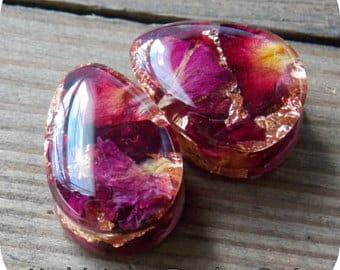
Achieving perfectly smooth edges on cut resin is all about patience and the right finishing techniques. Whether you’re crafting jewellery, art pieces, or table decor, every detail matters for a professional result.
Methodical Sanding for Glossy Edges
After making your cut, it’s vital to refine the resin’s edge gradually. Begin with a coarse sandpaper (such as 400 grit) to level any roughness. Progress to finer grits — 600, 1000, and then 2000 grit — to remove scratches and prepare the surface for polishing.
- Use water alongside wet/dry sandpaper to reduce dust and keep the resin cool.
- Rinse and check your progress regularly to avoid over-sanding.
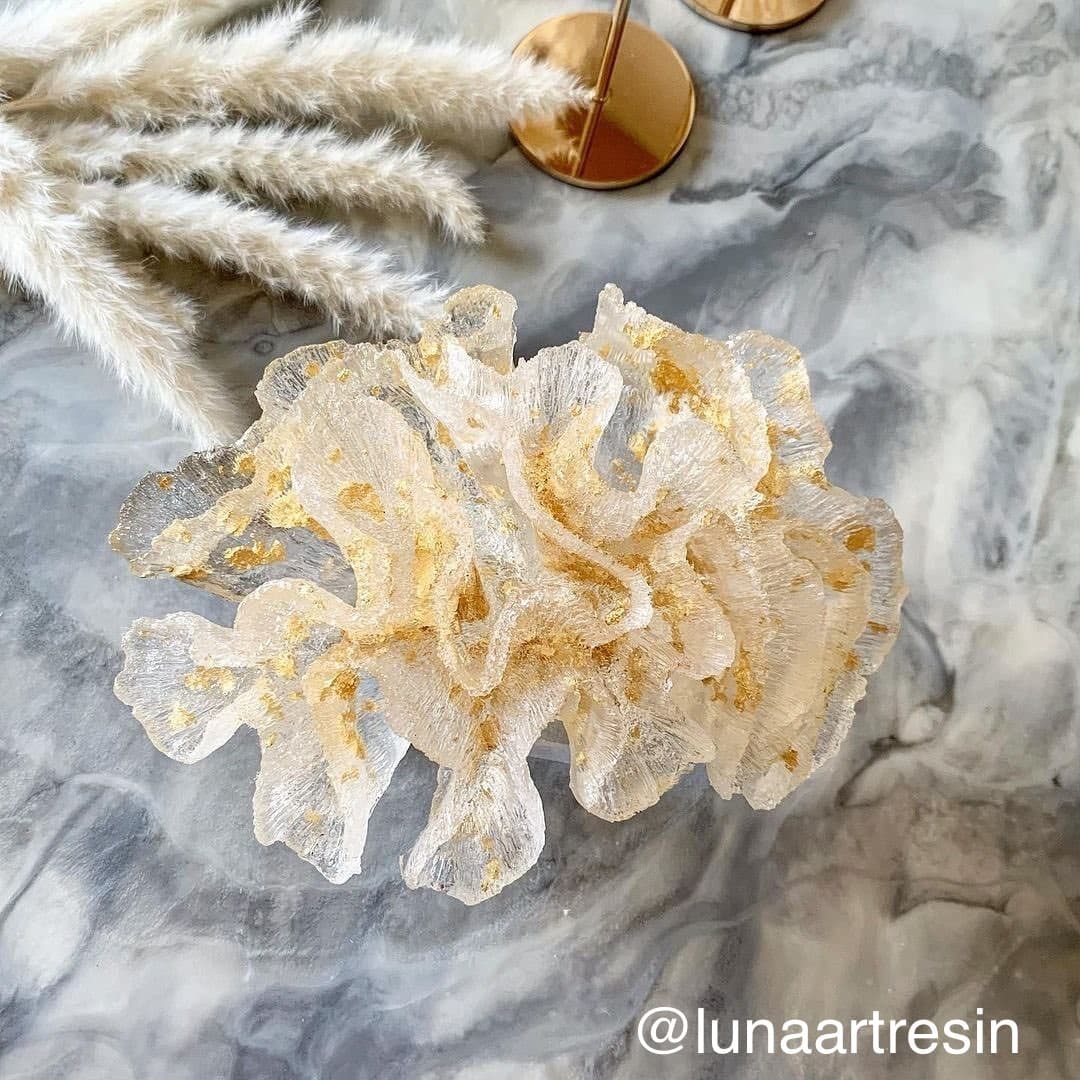
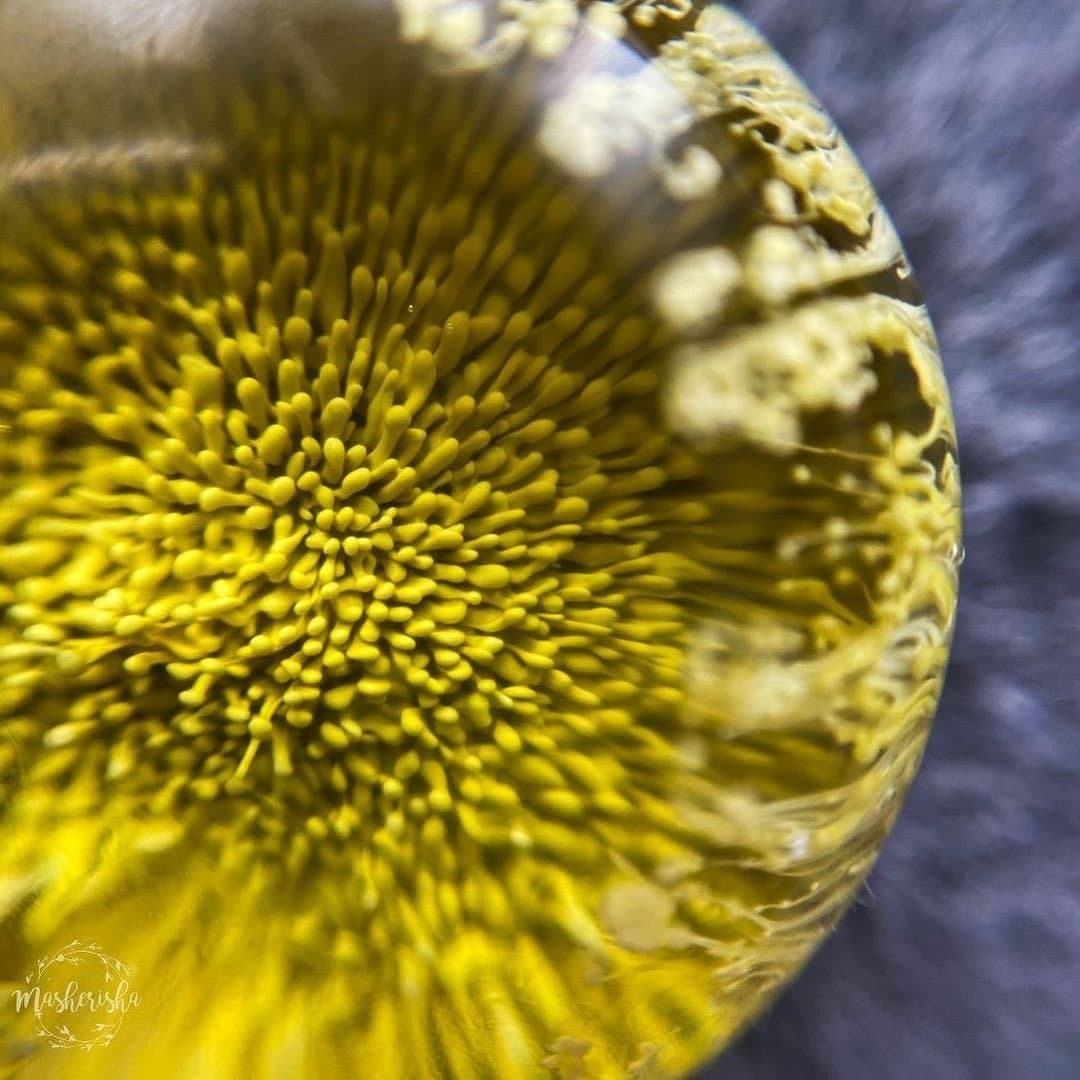
Polishing for a Clear, High-Gloss Finish
Once the edge feels smooth to the touch, switch to a suitable resin polish or a fine automotive polishing compound. Apply a small amount to a soft cloth or polishing pad, buffing the edge with gentle, circular movements. For best results, a specialised resin such as Liquidissima can help produce a clearer finish, as it’s formulated for minimal imperfections.
Tips: Preventing Chips During Cutting
For smooth edges, take your time with the initial cut. Use a fine-toothed saw or rotary tool, and secure the resin piece firmly to prevent vibration. Rushing increases the risk of chipping or unwanted cracks. Slow, steady pressure and sharp blades yield the cleanest results.

When Smooth Edges Matter Most
Flawless resin edges can elevate the look and safety of jewellery, decorative crafts, or even custom furnishings. If you plan to sell or display your work, smooth, polished edges help your projects stand out and prevent discomfort during use.
Related products
Related guides
Mastering these techniques ensures your resin creations have polished, professional edges. For more on shaping, trimming, and finishing resin, see our full guide on how to cut resin.