 Free shipping on orders over £29,85
  Shipping Tracking!


 Google
 Facebook
How to decorate a resin floor
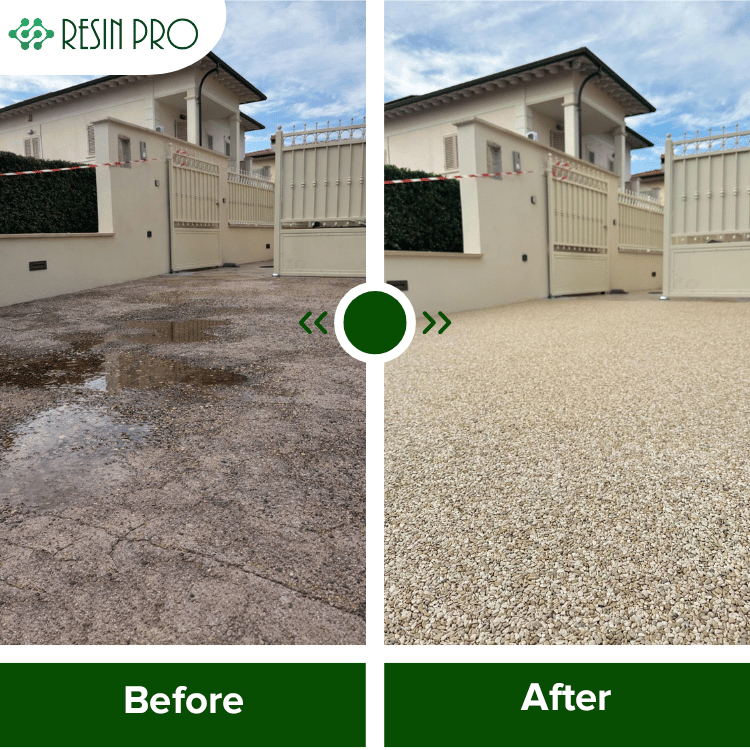
Discover the essentials of decorating a resin floor to transform outdoor spaces with both functionality and beauty. Whether you’re reviving a tired patio, updating a driveway, or adding decorative pathways, this guide will walk you through the key steps and considerations for a successful resin-bound floor installation.
Step-by-step guide for a stylish and durable resin floor

What You’ll Need
- “Flowstone” – Complete Permeable Floor Kit with Pebbles and Resin – A comprehensive kit for assembling decorative, permeable surfaces.
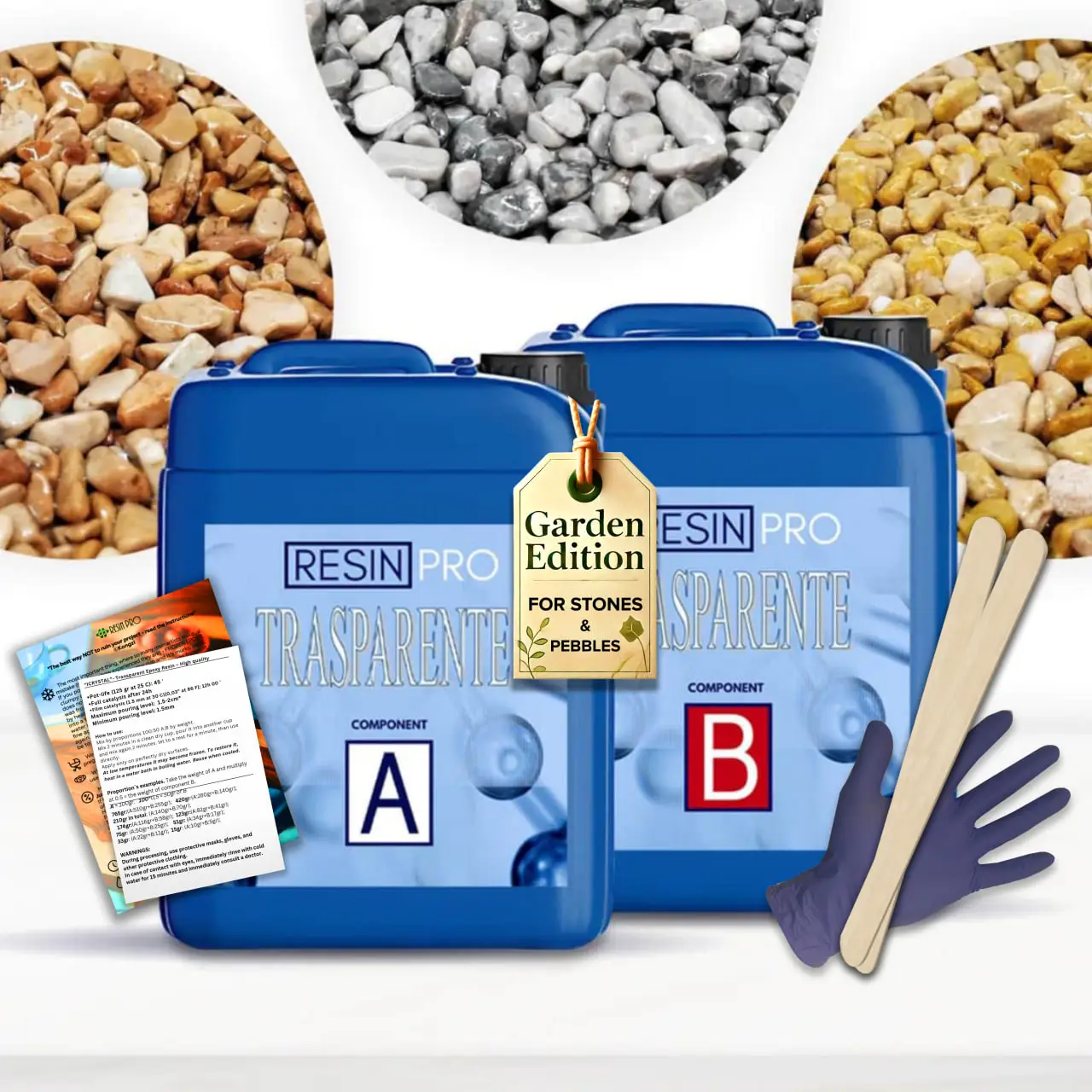
- “Trasparente” – Epoxy Binder for Coloured Pebbles and Grits – Ideal for bonding coloured or dark aggregate stones.
- “Polirock” – Polyurethane Binder for White Stones, 2kg Two-Component Kit – For clear, durable binding of white or light-coloured stones.
- Washed Pebbles for Permeable Floors 25kg – Outdoor Resin-Bound Surfaces – Pre-washed natural pebbles designed for outdoor resin floors.
- Protective gloves and safety goggles
- Mixing buckets and a trowel
- Plastic sheeting for masking edges
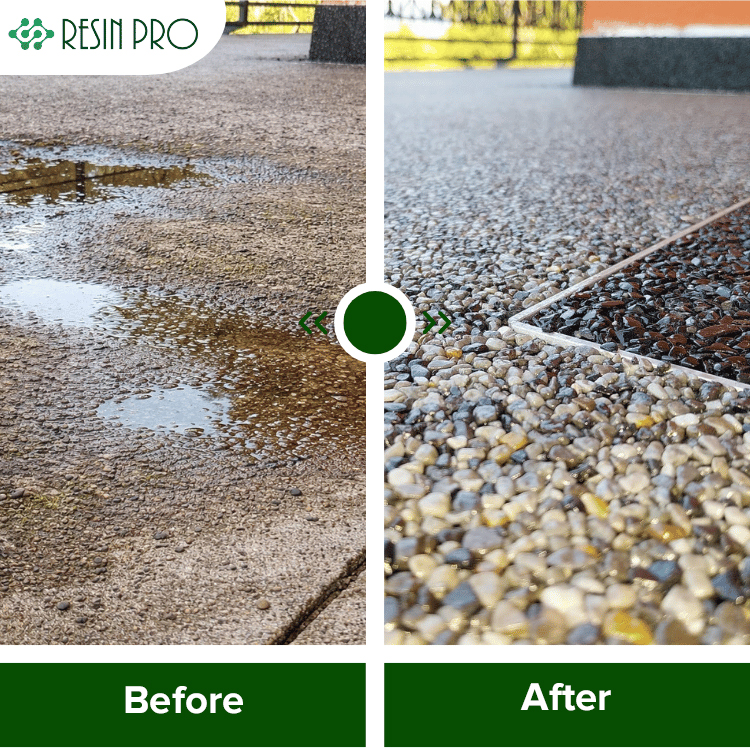
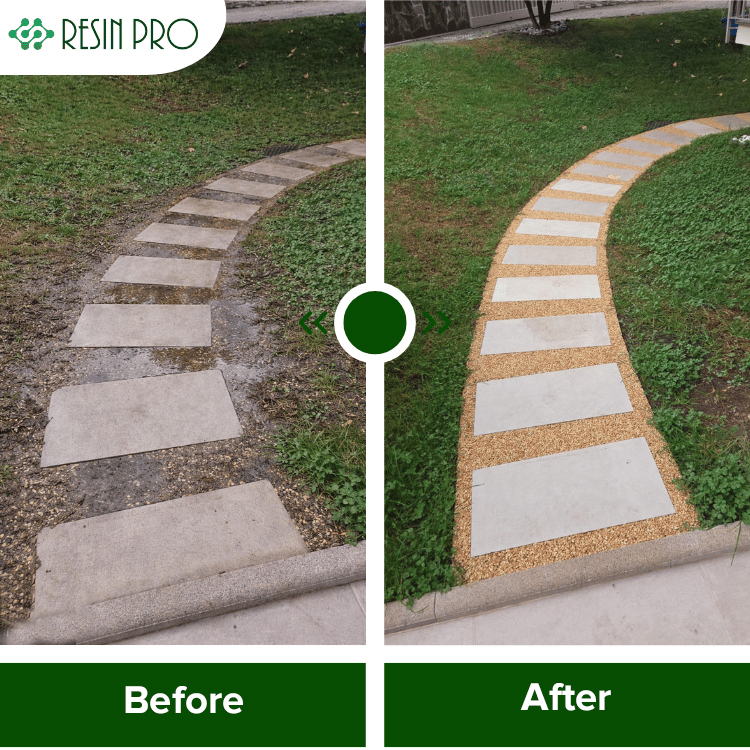
Visual Inspiration for Resin Floor Decoration
Browse vibrant examples of resin-bound flooring in contemporary gardens and driveways. See how combining different Washed Pebbles for Permeable Floors with crystal-clear binders can bring unique colour, texture, and practicality to outdoor spaces.
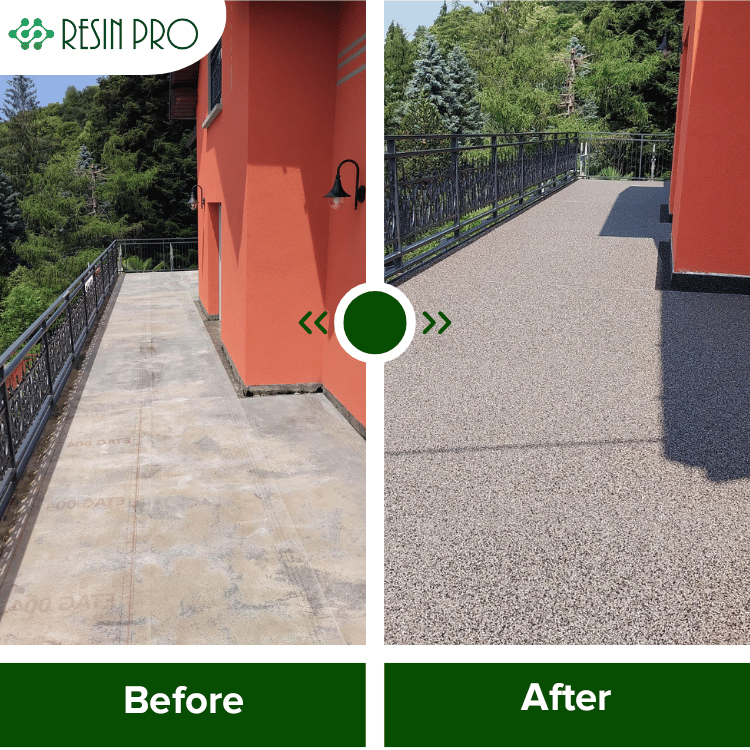
Step 1: Assess and Prepare the Sub-Base
Start by inspecting the underlying surface where you intend to install the resin-bound floor. A solid, stable, and clean base is vital for the longevity and aesthetics of your decorative floor. For pedestrian areas, a well-compacted type 1 MOT base or existing concrete slab is recommended; for driveways subject to vehicles, a reinforced concrete base is ideal. Sweep away debris and remove any loose particles to ensure a strong bond with the resin system.
Assess the sub-base before starting to avoid uneven areas and ensure the best long-term performance. Any undulations should be repaired, and the surface must be free from standing water or oil residues.
Step 2: Mix the Resin and Aggregates
Put on your gloves and goggles before handling resins and aggregates for safety. In a large bucket or cement mixer, thoroughly combine your chosen resin binder with the appropriate pebbles or decorative aggregates – either a complete kit like “Flowstone” or individual components.
Use the “Polirock” Polyurethane Binder for white stones, which prevents yellowing and keeps the floor clear and bright. For coloured or dark stones, the “Trasparente” Epoxy Binder provides a crystal-clear, UV-resistant bond.
Mix resin and pebbles thoroughly to guarantee each stone is encapsulated for a cohesive, joint-free finish. Follow all manufacturer’s ratios to prevent poor setting or appearance issues.
Step 3: Apply the Mixture Evenly
Pour the prepared aggregate-resin mixture onto your sub-base. Using a trowel, spread the mixture evenly to your desired thickness (typically around 2cm). Work in small sections to ensure you maintain a wet edge, avoiding unwanted joints and inconsistencies in the surface.
Firm, even pressure helps achieve a continuous and seamless floor. Edge the area carefully with a finishing trowel, ensuring neat boundaries against garden borders, paths, or decorative patterns.
Apply evenly for a smooth finish, taking care not to overwork the material, which can cause marking or surface imperfections.

Step 4: Allow to Cure and Finishing Touches
Once the resin-bound floor is applied, it’s essential to let it cure undisturbed. Protect the area from rainfall, foot, and vehicle traffic during this period (typically 24–48 hours, but always check the product’s curing time). Proper curing ensures maximum strength, longevity, and water permeability.
Allow full curing before use – premature traffic can compromise permeability, adhesion, and finish. After curing, remove masking materials and clean any surface dust before enjoying your new decorative floor.
Expert Tips and Common Mistakes to Avoid
- Choose the right binder for your stone: Polyurethane binders are best for white or light-coloured stones; opt for epoxy with coloured stones.
- Never lay resin-bound floors in wet or extremely humid conditions, as moisture can affect curing and cause cloudiness.
- For complex patterns, use masking to maintain crisp edges and separate colours or aggregate types.
- Maintain permeability with regular cleaning: Sweep or hose the finished surface to prevent blockages in the drainage structure.
- Always follow the manufacturer’s guidelines for mixing ratios and application techniques to achieve a durable, beautiful result.
Techniques for Lasting Results
Proper weather conditions and a well-prepared base are crucial for a resin floor that endures UK climates. Focus on gradual mixing, consistent thickness, and protection during the critical curing stage to ensure every project is both attractive and permeable.
- "Flowstone" – Complete Permeable Floor Kit with Pebbles and ResinPrice range: £42.85 through £3,389.85"Flowstone" offers a durable, permeable pebble and resin kit suitable for driveways and patios with easy application and colour-specific resin…
- "Trasparente" – Epoxy Binder for Coloured Pebbles and GritsPrice range: £31.85 through £948.85"Trasparente" is a transparent epoxy binder designed for coloured pebbles and grits, suited to projects following the theme How to decorate a resin…
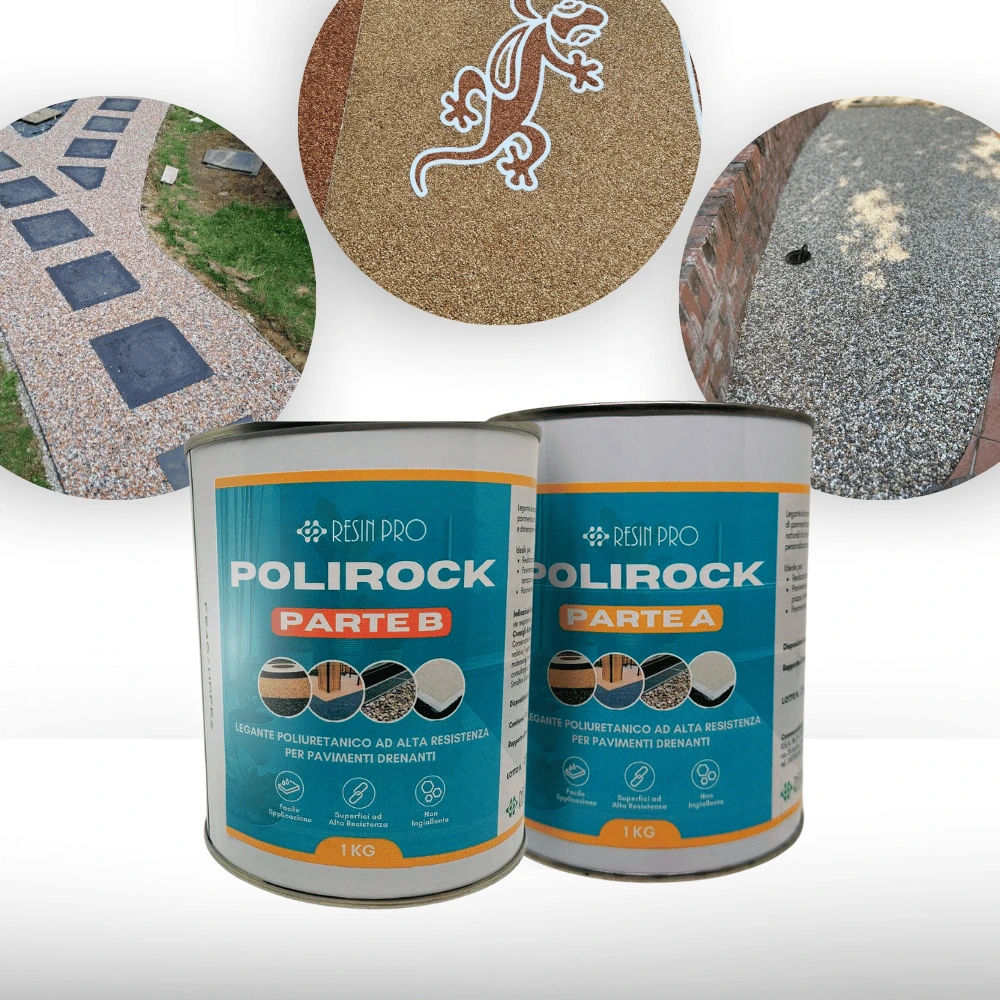 "Polirock" – Polyurethane Binder for White Stones, 2kg Two-Component Kit£58.85"Polirock" polyurethane binder is suited to creating decorative, permeable resin floor surfaces with clear, anti-slip finishes.
- Washed Pebbles for Permeable Floors 25kg – Outdoor Resin-Bound Surfaces£26.85Washed Pebbles for Permeable Floors 25kg provide pre-washed stone aggregates suitable for permeable outdoor surfaces as described under the theme How…
Frequently Asked Questions
Can you lay a resin floor yourself?
Yes, resin-bound floors can be installed by DIYers if instructions are followed carefully, especially for smaller patios and paths.
How can I maintain a permeable resin floor?
Regular sweeping and occasional gentle hosing prevent debris build-up and ensure continued water drainage through the surface.
Which binder is best for different pebbles?
Use polyurethane binders for white/light stones and epoxy binders for coloured or darker aggregates to preserve aesthetics.
What are typical curing times for resin floors?
Most resin floors cure within 24–48 hours, but always check your resin system instructions for accurate timing based on conditions.
Can I install resin floors in damp or cold weather?
Avoid installing resin in very wet, humid, or freezing temperatures as this impacts adhesion and the final finish.
Can I create decorative patterns with resin-bound floors?
Yes, different aggregates and careful masking allow unique shapes, colour bands, and textures in your resin flooring.