 Free shipping on orders over £29,85
  Shipping Tracking!


 Google
 Facebook
← Back to How to put insects under resin?
Achieving a flawless finish on resin pieces that encapsulate insects can showcase both the specimen and your craftsmanship. Careful polishing ensures maximum clarity while preserving the delicate nature of the embedded insect.
Sanding Techniques for Resin Edges and Surfaces
Begin by gently sanding any rough edges of your resin piece using fine-grit abrasive paper (start with 800 grit and progress to 2000 grit if needed). Always sand wet or under running water to minimise heat and avoid dust. Use gentle, even strokes, and avoid excessive sanding near the area of the embedded insect to prevent accidental damage.
Polishing to Boost Clarity
To achieve a glass-like finish, polish the sanded surface using a resin-friendly polishing compound and a soft cloth or felt pad. Work in small, circular motions and check regularly for smoothness and transparency. Avoid harsh chemicals or solvent-based products, as these may damage the resin or affect the appearance of the specimen.
Best Practices for Preserving the Specimen
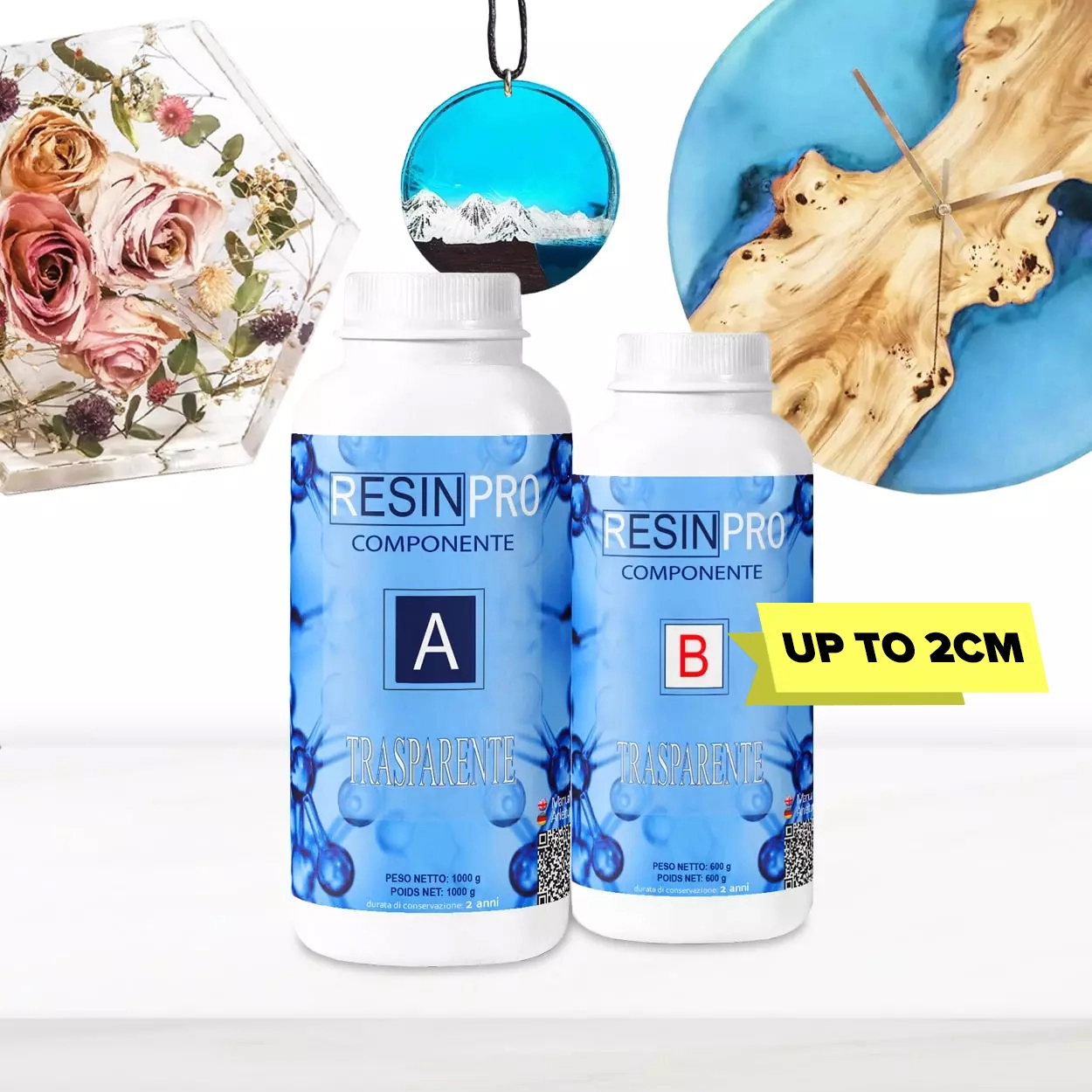
When finishing a piece, ensure the resin fully protects the insect from sanding residue. Rinse thoroughly after each sanding or polishing stage. Products like the “Trasparente” Multipurpose Clear Epoxy Resin maintain excellent clarity and UV resistance, helping your preserved pieces remain brilliant over time.
When This Matters
Proper finishing is essential for display pieces, jewellery, or educational specimens where detail and clarity highlight the natural form of the insect.
Related products
Related guides
Finishing your resin-embedded insect piece with care not only preserves the beauty of the specimen but also enhances the overall effect. For more guidance and products suited to resin art, explore our full guide on how to put insects under resin.