 Free shipping on orders over £29,85
  Shipping Tracking!


 Google
 Facebook
← Back to How to Use Resins on Floors?
Bubbles or blisters in resin floors can appear during or after installation, affecting the look and integrity of the surface. Addressing these issues promptly leads to a smooth, durable floor finish.
Understanding Why Bubbles and Blisters Occur
Bubbles and blisters often form due to trapped air, outgassing from the substrate, or improper mixing. They are especially common on porous surfaces like concrete, where moisture or air is released upwards as the resin cures. Prevention starts with using a compatible primer, such as Epoxyprimer, to seal the substrate before pouring resin.
How to Repair Affected Areas
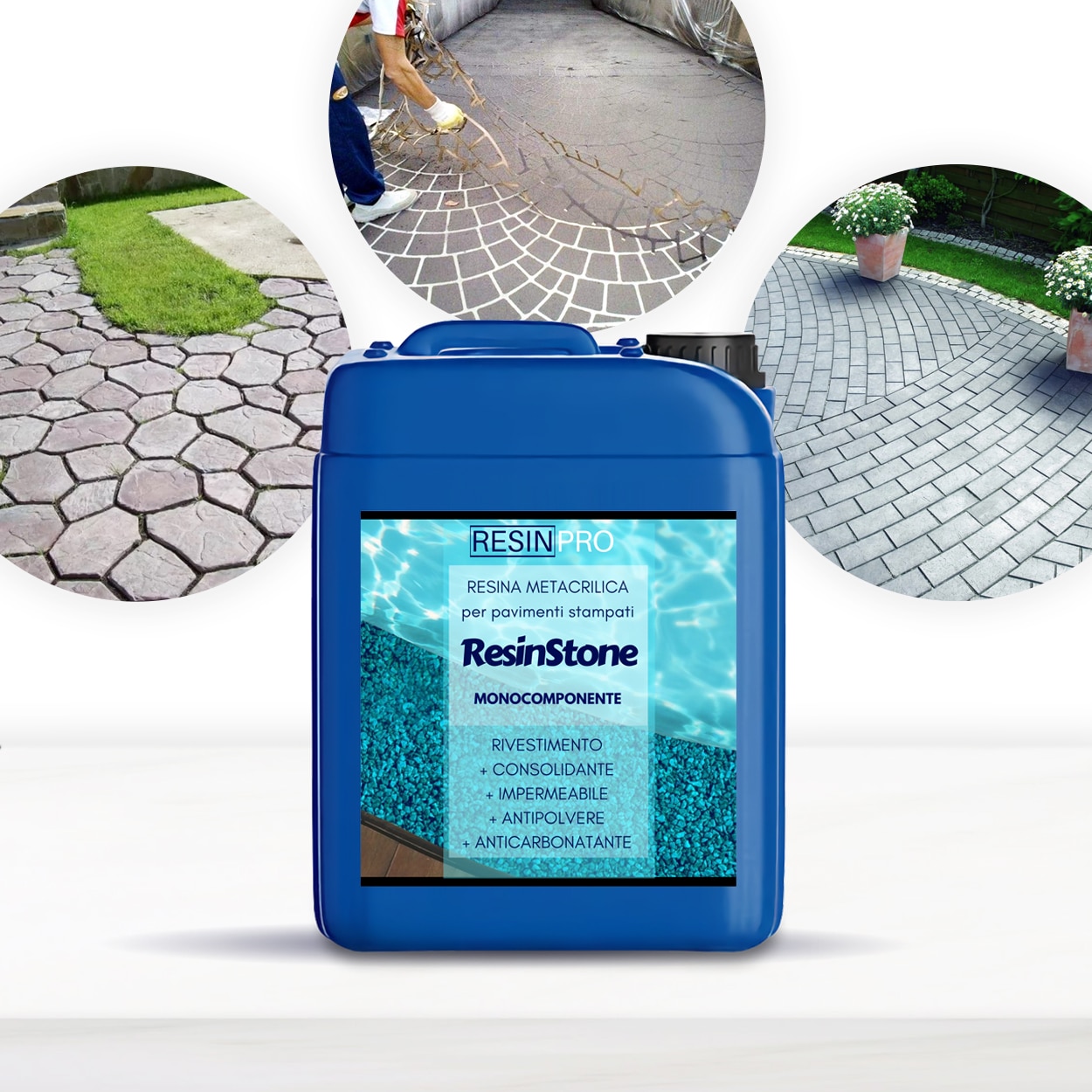
For freshly applied resin, working quickly with a spiked roller helps remove bubbles by piercing them while the resin is still wet. For cured resin with visible blisters, sand the affected area until flat and clean away the dust. You can then apply a fresh layer of compatible resin, such as Resinstone for concrete floors, to restore a consistent surface.
Practical Tips for a Smooth Finish
- Always ensure the resin and surface are at recommended temperatures to reduce the risk of bubbles.
- Seal porous substrates with a water-based primer before applying resin layers.
- If using a roller, work evenly and avoid overworking the resin, which can introduce additional air.
When This Matters
Fixing bubbles or blisters is crucial for driveways, garages, or any high-traffic floor where long-term durability and a neat appearance are essential.
Related products
Related guides
Addressing bubbles and blisters effectively not only improves appearance but also extends the lifespan of your resin floor. For more flooring tips and solutions, explore our full guide on how to use resins on floors.