 Free shipping on orders over £29,85
  Shipping Tracking!


 Google
 Facebook
How to apply resin for flooring?
Step-by-step guide for strong and attractive resin floors
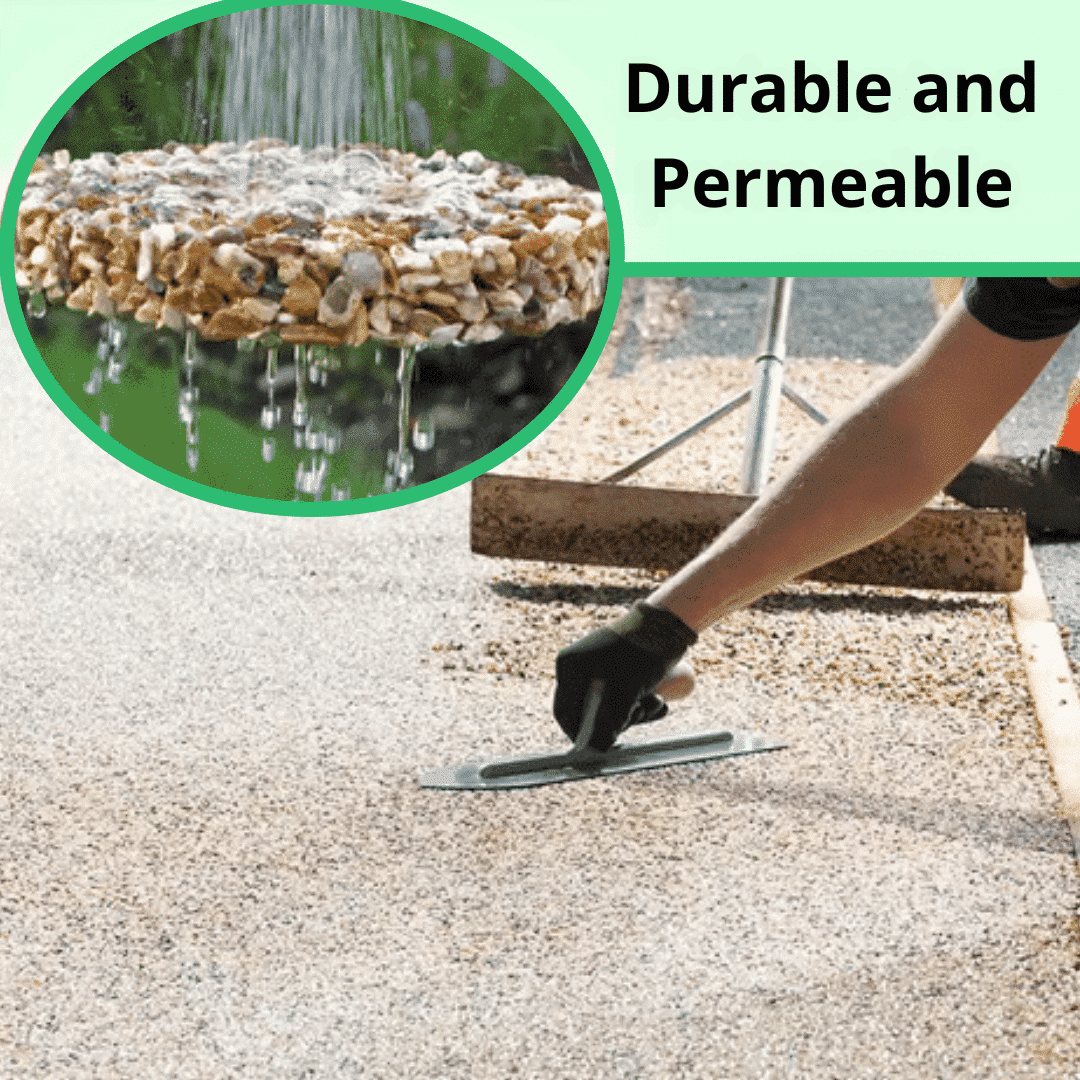
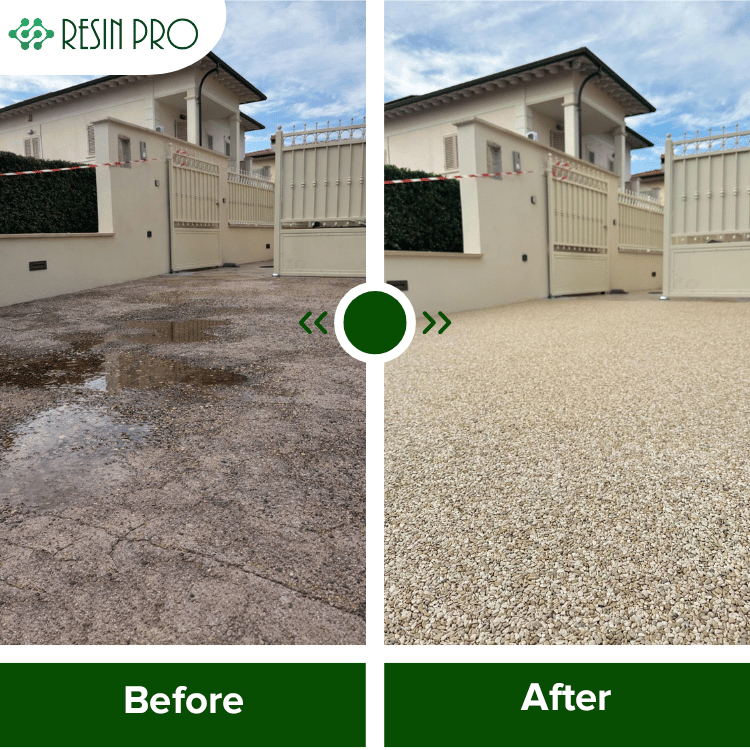
Properly applied resin can transform any floor, delivering a resilient, decorative, and easy-to-clean surface suitable for both indoor and outdoor use. This guide walks you through the essential steps for prepping, priming, mixing, and laying resin-based flooring so you can achieve a long-lasting, professional finish—whether you’re aiming for a smooth concrete look, a permeable pebble surface, or enhanced durability in garages and patios.
What You’ll Need
- “Flowstone” – Complete Permeable Floor Kit with Pebbles and Resin: Complete kit for durable, draining decorative flooring outdoors.
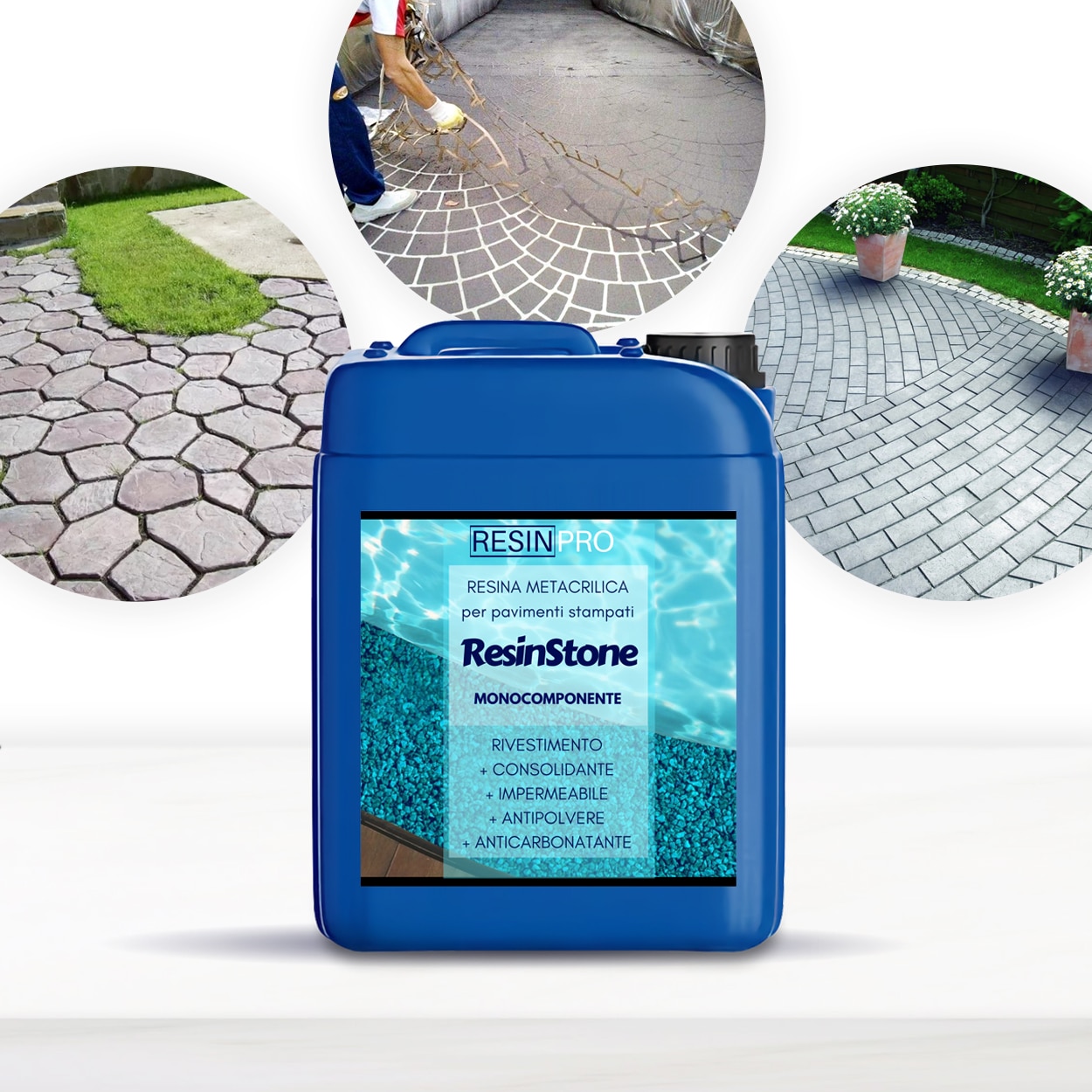
- “Resinstone” – One-Component Methacrylic Resin for Concrete Floors and Driveways: For sealing/protecting outdoor concrete floors and driveways.
- “Epoxyprimer” – Universal Water-Based Two-Component Epoxy Floor Primer: Ensures firm adhesion between your substrate and resin coating.
- “Trasparente” – Epoxy Binder for Coloured Pebbles and Grits: For transparent, UV-stable binding of coloured pebble aggregate surfaces.
- Protective gloves and clothing
- Masking tape and drop sheets (for edges/protection)
- Mixing tools (spatula, drill mixer, bucket, or cement mixer for large areas)
- Application tools (roller, brush, or trowel)
- Vacuum, broom, or mop for cleaning substrate
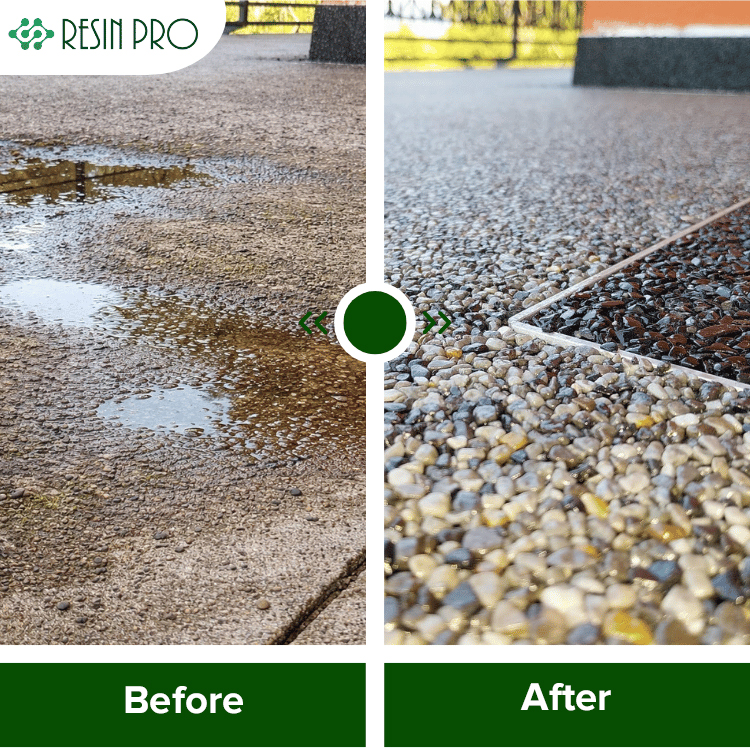
Visualise Each Stage of the Resin Flooring Process
Browse our gallery for real-world examples of resin flooring—from substrate preparation and priming to the finished, hard-wearing floors. See step-by-step transformations that illustrate the entire process, helping you prepare for your own project. If you’re inspired, view our Pebble Floors gallery for more decorative possibilities.
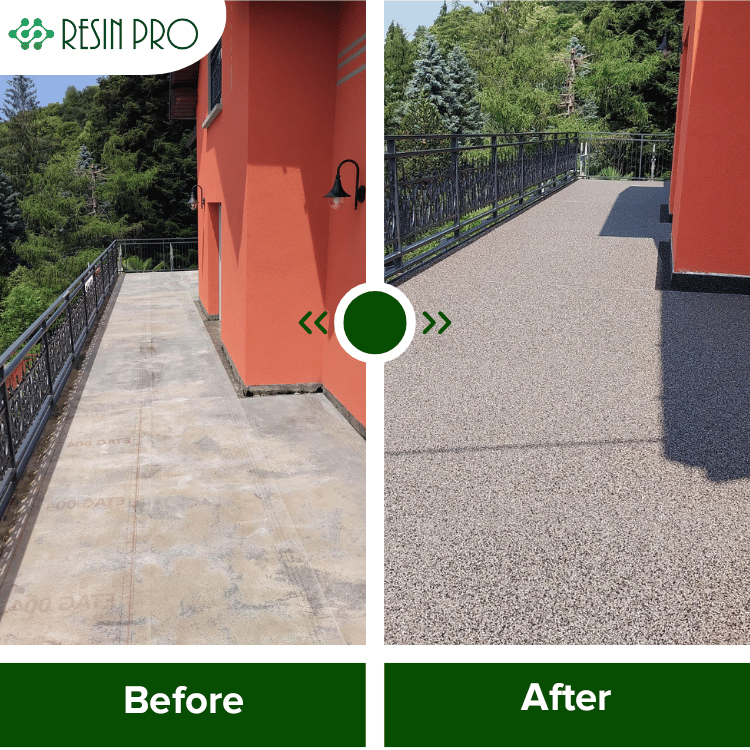
Step 1: Prepare the Surface
Begin by ensuring the floor is dry, clean, and free from any contaminants such as oil, grease, dirt, dust, or loose materials. Cracks or holes should be patched and allowed to cure. Any old coatings, paint, or laitance should be removed by mechanical grinding or thorough sanding. Prepare the surface thoroughly to maximise adhesion and avoid future performance issues. For porous substrates, a vacuum and damp mop can help remove deep-seated dust.
Check the surface for moisture—it should not be damp when starting the resin application. Mask off skirting, wall edges, and obstacles with tape to achieve crisp, clean boundaries. Arrange ventilation for interior projects to facilitate curing, and always use suitable PPE during prep and application.
Step 2: Prime for Strong Adhesion
Priming is vital for most concrete, screed, ceramic, or timber floors to seal the surface and create a strong bond. Mix and apply primer according to the manufacturer instructions, ensuring even, generous coverage without puddles. “Epoxyprimer” – Universal Water-Based Two-Component Epoxy Floor Primer is suitable for these surfaces and is both eco-friendly and odourless. Use a roller or brush for uniform application and allow sufficient curing time—typically 24–48 hours—before proceeding.
On absorbent surfaces like plain concrete where sealing and protection are the priority, “Resinstone” – One-Component Methacrylic Resin for Concrete Floors and Driveways can be applied directly. This penetrates deeply and dries in under 12 hours, ready for further surfacing or finishing.
Allow primers to cure fully to avoid trapping moisture beneath the resin layer, which can cause blistering or delamination.
Step 3: Mixing Resin and Aggregates
Once the primer is cured, measure and mix your resin system according to the guidelines specific to the product. For decorative and permeable pebble finishes, thoroughly mix the chosen resin binder with the correct grade of dried pebbles or grits. “Trasparente” – Epoxy Binder for Coloured Pebbles and Grits is designed for coloured aggregates and offers a clear, UV-stable finish. For white or light aggregates, opt for polyurethane binders if available in your kit to prevent yellowing.
Use dedicated mixing buckets or a cement mixer for large areas, ensuring complete, bubble-free incorporation of resin and stone. “Flowstone” – Complete Permeable Floor Kit with Pebbles and Resin provides all required materials and detailed ratios. Mix resin and aggregates precisely to prevent weak spots, colour variations, or porosity.

Step 4: Apply the Resin Flooring
With your mixed material ready, spread the composite over the surface using a trowel or squeegee to the specified thickness (usually 12–18mm for permeable systems). Compact and level the mixture firmly for structural stability and visual uniformity. For smooth resin coatings (such as clear or coloured epoxy), pour, spread, and de-bubble with a spiked roller immediately after placement. Work steadily, keeping a wet edge and avoiding overlaps or voids.
Ensure you apply the resin floor in suitable conditions—ideally at temperatures between 15–25°C and in dry, low-humidity weather, both indoors and outdoors. Apply in optimal temperature and humidity for best curing and finish quality. Avoid rapid surface drying or excess airflow that may cause surface imperfections or air entrapment.
Step 5: Curing and Finishing Touches
Once application is complete, keep the area free of foot and vehicle traffic for the recommended curing period. Light pedestrian use is typically possible within 12–24 hours, but full mechanical resistance develops over 36–48 hours depending on product and conditions. Remove masking tape before the resin fully hardens to ensure sharp lines.
For optimal longevity, regular cleaning and prompt spill removal will help maintain the surface. Avoid using harsh chemicals or abrasive tools for routine maintenance, and check the manufacturer’s care recommendations for long-term protection.
Tips and Troubleshooting for Resin Flooring
Careful preparation and attention to conditions are critical for success. Always follow mixing ratios to avoid tacky or brittle results. Inconsistent application thickness can lead to weak areas or pooling. Watch for temperature and humidity swings during curing which may affect resin properties. If bubbles appear in the surface, use a spiked roller immediately; after full cure, gently sand, clean, and recoat as needed.
For large or heavily-used floors, mechanical mixing and prompt laydown help prevent the resin setting too rapidly. Test a small area if working over unfamiliar substrates, and always use the correct primer for your base material.
While resin floors are robust, damage from sharp impacts or chemical spills should be addressed quickly. Keep a small amount of resin for future spot repairs if possible.
Finished Floors and Common Results
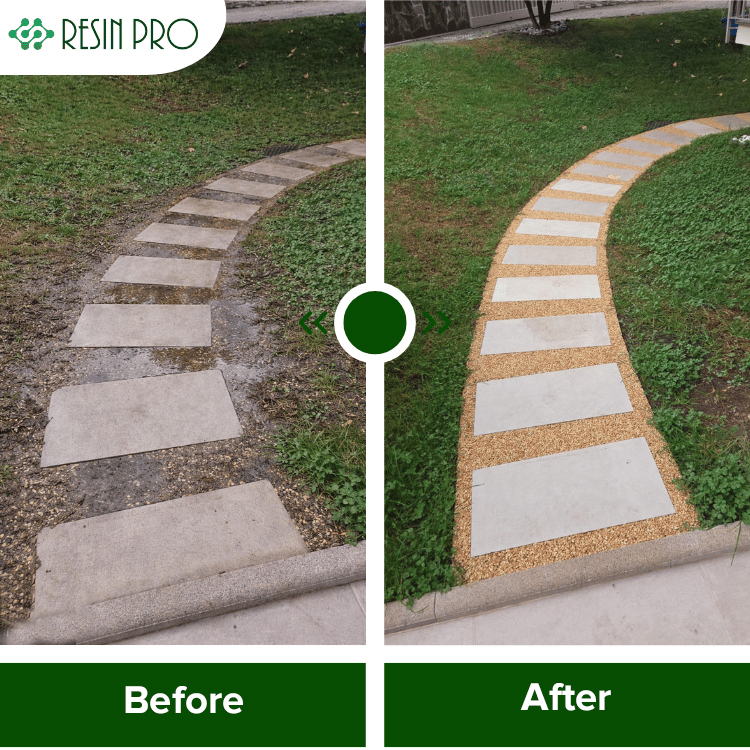
Compare the look of successfully applied resin floors in different spaces, highlighting permeable pebble driveways, sealed concrete paths, and decorative indoor surfaces. Notice typical finishes and problem-free results achieved by following our guide. For more inspiration, view our Multipurpose Epoxy Resins in real applications.
- "Flowstone" – Complete Permeable Floor Kit with Pebbles and ResinPrice range: £49.95 through £3,915.45"Flowstone" kit provides durable, permeable pebble and resin flooring with step-by-step guidance, suitable for flooring applications in the UK…
- "Resinstone" – One-Component Methacrylic Resin for Concrete Floors and DrivewaysPrice range: £36.71 through £336.48"Resinstone" is a one-component methacrylic resin designed for sealing and protecting concrete floors and driveways, offering durable and versatile…
 "Epoxyprimer" – Universal Water-Based Two-Component Epoxy Floor PrimerPrice range: £156.45 through £286.45"Epoxyprimer" is a water-based epoxy resin floor primer suitable for various surfaces, designed for reliable adhesion in flooring projects.
 "Trasparente" – Epoxy Binder for Coloured Pebbles and GritsPrice range: £33.45 through £397.95"Trasparente" is a transparent epoxy binder designed for coloured pebbles and grits, suitable for clear, UV-stable flooring applications.
Frequently Asked Questions
What surfaces can I apply resin flooring to?
Resin flooring is suitable for concrete, ceramic tiles, screeds, wood, and prepared stone bases. Always ensure the surface is clean and structurally sound.
How long before I can use my resin floor?
Most floors support light foot traffic after 12–24 hours. Wait 36–48 hours for heavier use or vehicle load, depending on temperature and resin type.
Do I need a primer before applying resin flooring?
Yes, for most epoxy and decorative systems, a suitable primer ensures proper adhesion, durability, and prevents issues like bubbles or delamination.
Can I use resin flooring outdoors?
Yes, with the correct product selection. Choose UV-resistant, weatherproof systems like permeable resin-pebble kits for outdoor areas.
How can I prevent yellowing of resin on floors?
Use UV-stable resins or polyurethane binders, especially for exposed or light-coloured aggregate areas, to maintain long-term appearance.
Can I install resin flooring myself?
Yes, many modern resin kits are designed for DIYers, with clear instructions and user-friendly application. Larger projects may benefit from professional equipment.
What’s the quickest way to fix bubbles in a resin floor?
Use a spiked roller while the resin is wet to remove bubbles. Fully cured surfaces may need sanding and a fresh coating.