 Free shipping on orders over £29,85
  Shipping Tracking!


 Google
 Facebook
How to fix the floor resin?
Comprehensive guide to repairing and protecting resin floors

Resin flooring is valued for its durability and seamless look, but damage, like chips, cracks, or delamination, can occur over time. This guide will walk you through the key steps to professionally fix floor resin, restoring both the appearance and structural integrity of your surface. Whether you are dealing with a concrete, timber, or decorative aggregate floor, you will find clear instructions for long-lasting results. No specialist experience is needed, just careful technique and the right materials.
What You’ll Need
- “Epoxyprimer” – Universal Water-Based Two-Component Epoxy Floor Primer – For surface preparation and improved resin adhesion
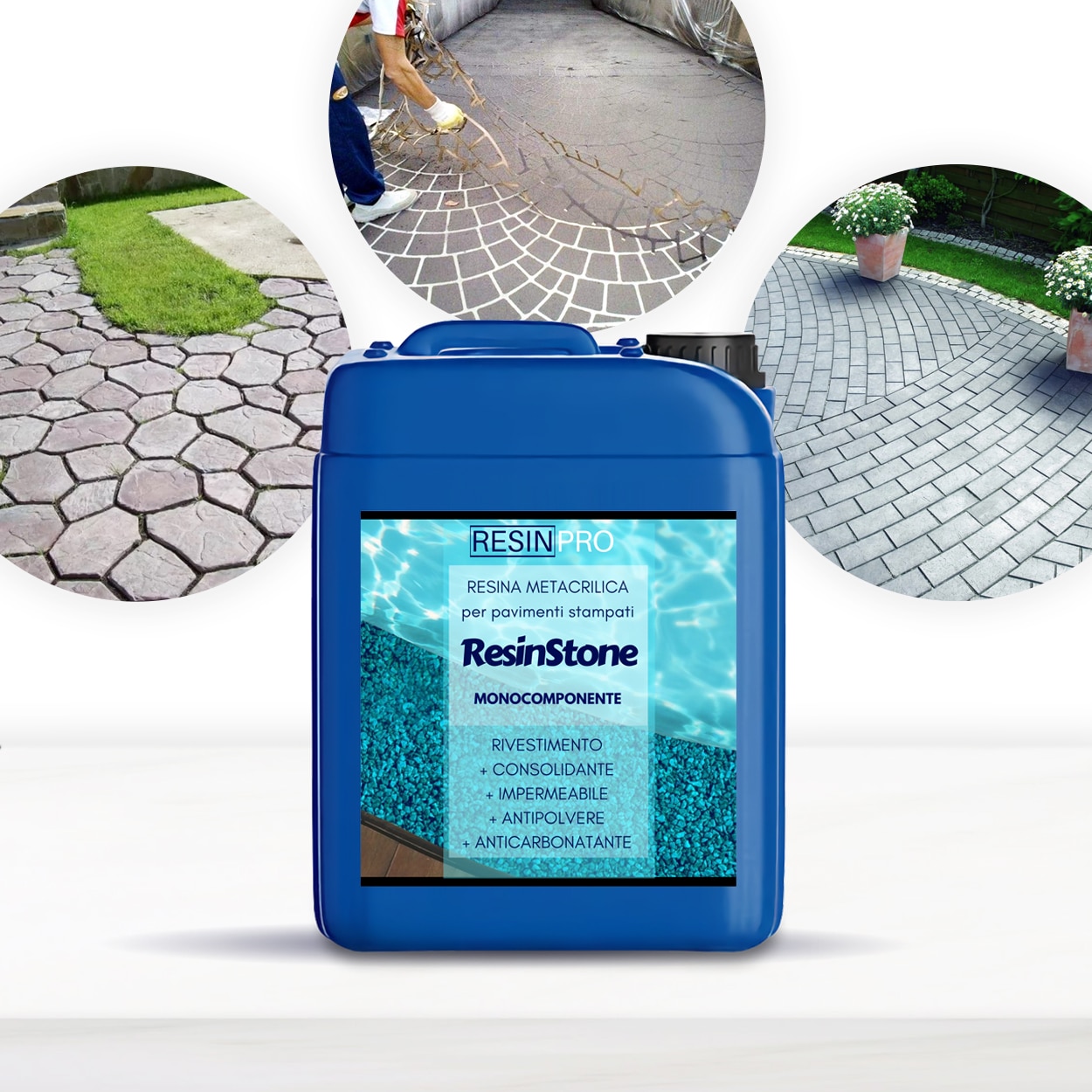
- “Resinstone” – One-Component Methacrylic Resin for Concrete Floors and Driveways – For sealing/protecting concrete or driveway repairs
- “Trasparente” – Epoxy Binder for Coloured Pebbles and Grits – For decorative pebble or aggregate floor areas
- “Flowstone” – Complete Permeable Floor Kit with Pebbles and Resin – For larger resurfacing of permeable outdoor floors
- Protective gloves and goggles
- Rollers and brushes (for application)
- Mixing containers and stir sticks
- Sanding paper or machine (various grits)
- Vacuum cleaner or broom

See Surface Preparation in Action
Before applying any resin, ensure your floor is thoroughly cleaned and sanded. A well-prepared surface maximises adhesion and the lifespan of your floor repair. Pay special attention to corners and high-wear areas, as these commonly harbour hidden debris or residue. Preparation is the foundation of lasting results.
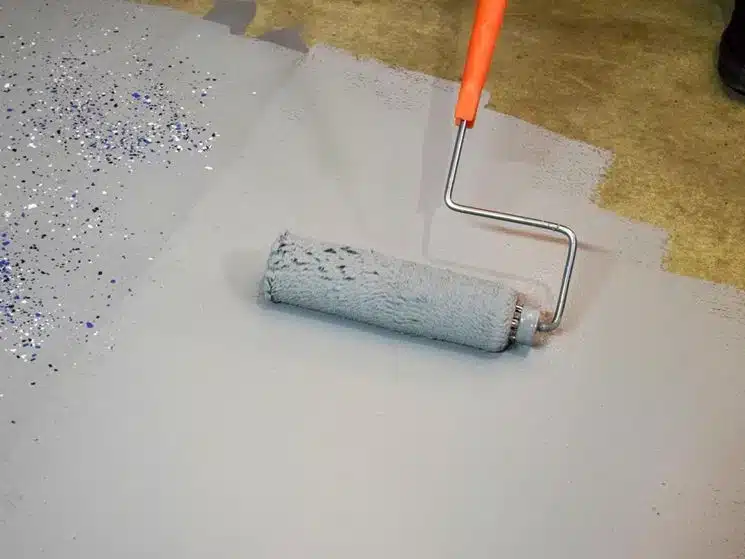
Step 1: Prepare and Assess the Floor
Thoroughly clean and assess the damaged area you wish to repair. Remove loose resin, dust, dirt, grease, and any existing wax or coatings. Use a vacuum cleaner for fine debris and a degreasing cleaner where necessary. Sanding the perimeter of the repair area helps the new resin adhere.
Inspect for deeper cracks or substrate instability. Larger voids or failing underlayers will require additional surface stabilising before any resin is applied. Ensure the floor is completely dry before proceeding, as moisture trapped beneath resin can cause future failures.
Step 2: Prime the Repair Area
Application of a specialist primer is essential for reliable adhesion and uniform bonding. For most indoor flooring (concrete, wood, tiles, screed), “Epoxyprimer” – Universal Water-Based Two-Component Epoxy Floor Primer offers odourless, eco-friendly priming. Mix the primer as directed and apply with a roller or brush in a thin, even coat. Allow 24–48 hours curing time before continuing. Priming prevents peeling and lifting of the repaired finish.
If you are repairing external concrete or driveways, ensure the surface remains solid and clean before moving to the resin application step.
Step 3: Apply Resin to the Damaged Area
Choose a floor resin appropriate for your specific floor type and the extent of the repair. For standard concrete surfaces, “Resinstone” – One-Component Methacrylic Resin for Concrete Floors and Driveways provides a durable, quick-drying solution. Mix and apply according to the instructions, working methodically and ensuring even coverage.
Decorative pebble or aggregate finishes require a clear binder. Use “Trasparente” – Epoxy Binder for Coloured Pebbles and Grits for coloured or dark aggregates to ensure a bubble-free, UV-stable result. Mix the binder thoroughly with the pebbles before applying it to the repair zone. For large-scale repairs and resurfacing, “Flowstone” – Complete Permeable Floor Kit with Pebbles and Resin simplifies the process with all components pre-measured.
Work the resin evenly, feathering the edges to blend the new repair with the existing surface.

Step 4: Allow for Proper Curing and Inspection
Allow proper curing time as recommended by your resin manufacturer. Most repairs will be touch-dry within 10–12 hours, but avoid heavy traffic or further coatings until fully cured (typically 24–48 hours, product and conditions dependent).
Once cured, inspect the area for smoothness and full coverage. Sand lightly if needed to remove any ridges or excess material, and clean off dust before returning the area to service.
Tips and Common Mistakes
Common pitfalls when fixing resin floors include skipping surface preparation, applying resin to damp or contaminated substrates, and rushing the curing process. Avoid working in extreme temperatures or humidity, which can affect adhesion and finish quality. Always match the resin system to your floor materials for the longest-lasting result. Wear protective equipment and ventilate indoor areas where possible.
Finishing Touches and Troubleshooting
For a truly seamless repair, work resin evenly to avoid visible join lines between old and new areas. If you notice dullness or poor adhesion after curing, these are often linked to inadequate substrate preparation. Do not hesitate to repeat sanding or priming where needed for improved finish and durability.

- "Epoxyprimer" – Universal Water-Based Two-Component Epoxy Floor PrimerPrice range: £156.45 through £286.45"Epoxyprimer" is a water-based two-component floor primer suited for adhesion on various surfaces, fitting the theme of fixing floor resin.
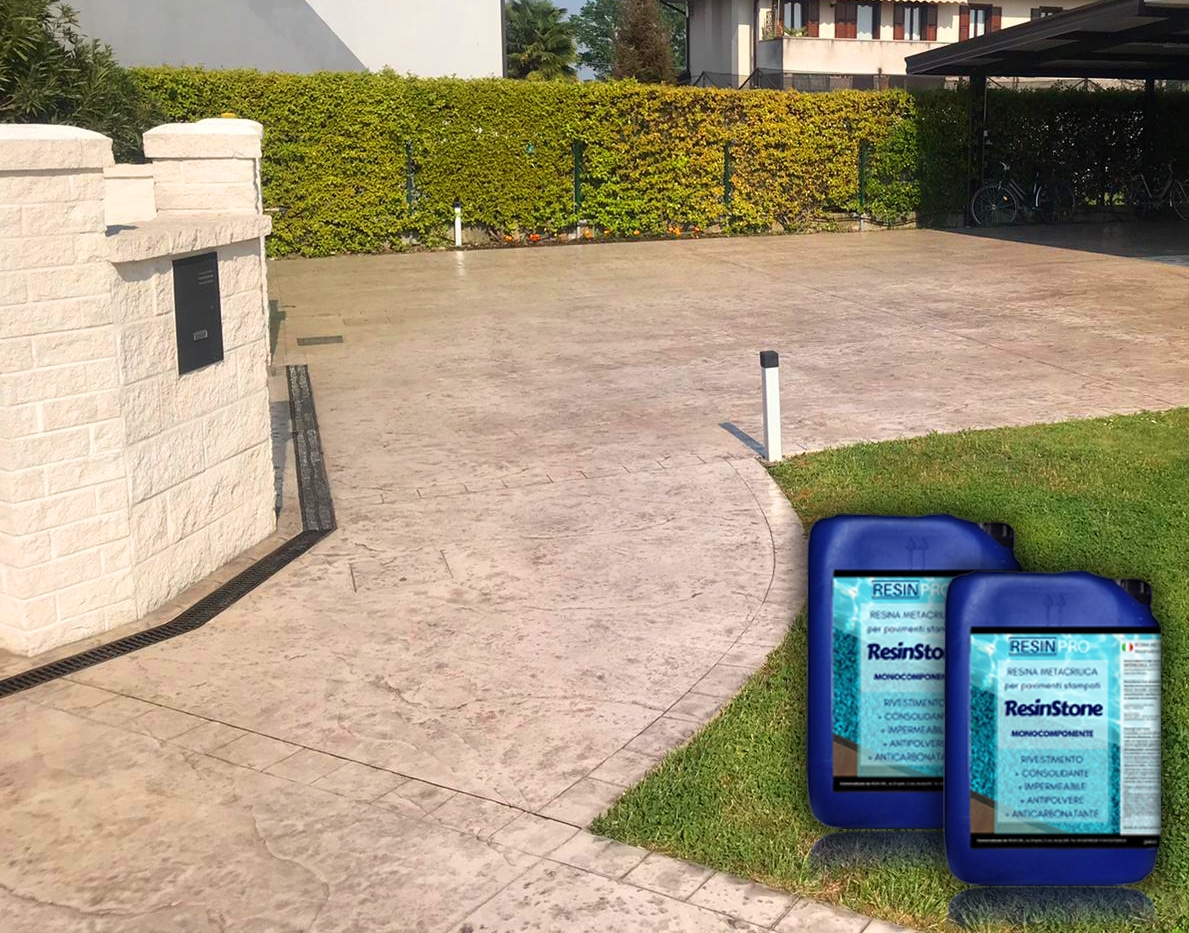
- "Resinstone" – One-Component Methacrylic Resin for Concrete Floors and DrivewaysPrice range: £36.71 through £336.48"Resinstone" provides sealing and protection for concrete floors and driveways with durable, breathable, and quick drying resin.
 "Trasparente" – Epoxy Binder for Coloured Pebbles and GritsPrice range: £33.45 through £397.95A transparent epoxy binder designed for coloured pebbles and grits, suitable for decorative and permeable flooring applications.
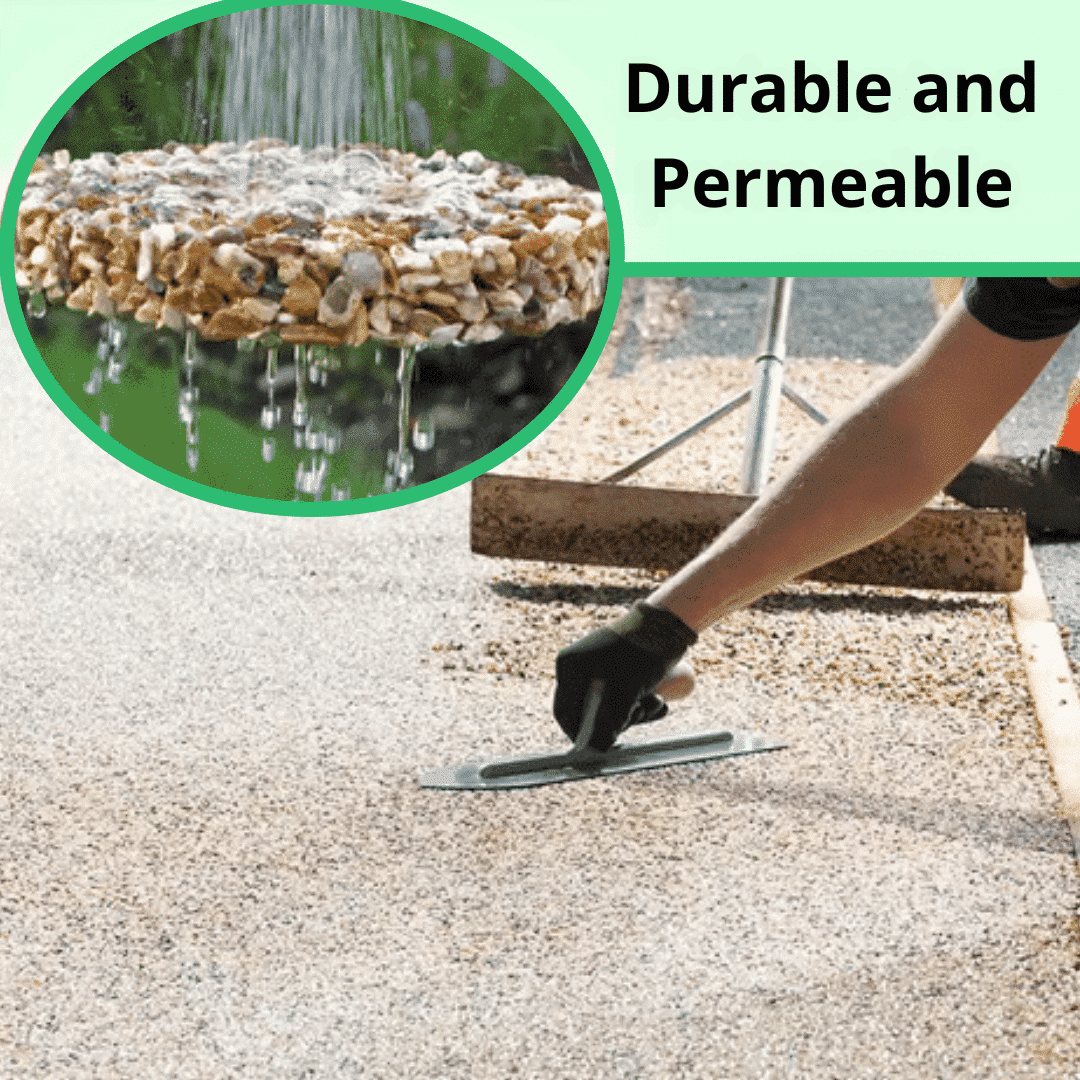 "Flowstone" – Complete Permeable Floor Kit with Pebbles and ResinPrice range: £49.95 through £3,915.45"Flowstone" kit provides a durable, permeable pebble flooring solution with customisable colours, suitable for driveways and patios in the UK climate.
Frequently Asked Questions
How should I prepare my floor before applying new resin?
Clean thoroughly, sand as needed, and ensure the surface is dry and free of contaminants before applying primer or resin.
Which primer is best for fixing resin floors?
Use a primer suited to your substrate, such as an epoxy primer for concrete, timber, or tile, to guarantee proper bonding.
How long should I wait before walking on the repaired area?
Most resin repairs are touch-dry in 10–12 hours and fully set in 24–48 hours, but always follow product-specific guidance.
Can I fix resin floors during wet or cold weather?
Avoid applying resin in high humidity, very low, or high temperatures, as these conditions can affect adhesion and curing.
Will the repair blend completely with my existing resin floor?
Careful colour and finish matching plus feathered edge application help blend repairs, but slight differences may remain.
What is the best product to seal a repaired resin floor?
Choose a resin or topcoat compatible with your substrate and previous coatings for the optimal seal and protection.