 Free shipping on orders over £29,85
  Shipping Tracking!


 Google
 Facebook
How to glue resin pieces together
Expert techniques for seamless bonding of resin components


Want to securely join resin pieces for craft, repair, or jewellery projects? Bonding resin effectively requires the right technique for lasting results. This step-by-step guide reveals how to glue resin pieces together smoothly—whether you are mending a broken resin shape, assembling handmade jewellery, or working with decorative objects. Follow these instructions for professional looking, reliable bonds every time.
What You’ll Need
- “FixExpress” – Two-Component Epoxy Glue 500g – for strong, quick bonding of most resin types and mixed materials
- “Klebfix” – Two-Component Fast Epoxy Glue 2K, 25g Syringe – a precise applicator for small projects and clear bonds
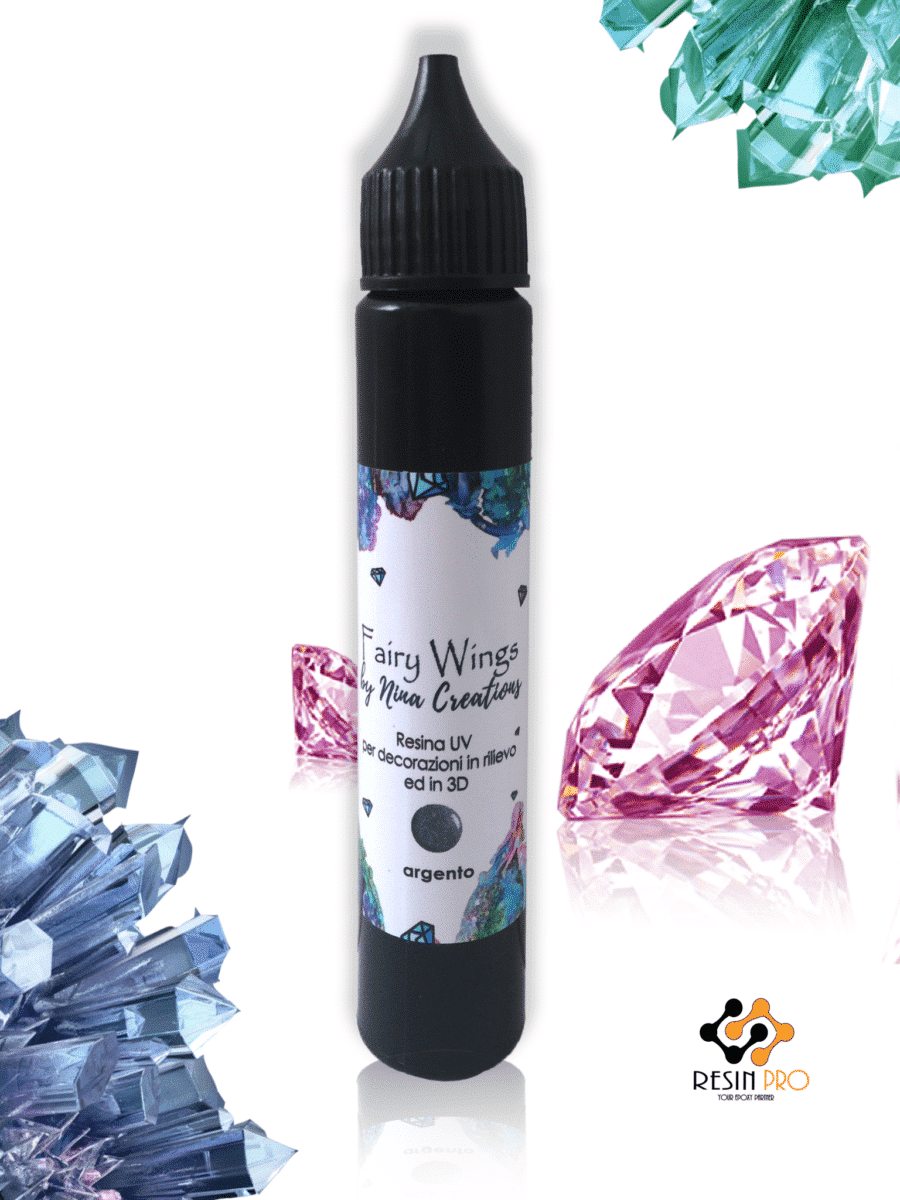
- “Fairy Wings” – UV Resin for Volumetric Reliefs, Dual Colour, 30ml – perfect for detailed, layered or decorative craft work with UV light
- “UV–Creation” – Fast Acrylic Resin, 3 Minute UV Cure – suited to rapid assembly of clear and glossy resin jewellery
- Lint-free cloths
- Isopropyl alcohol or mild soap
- Fine-grit sandpaper or a sanding block
- Clamps, tape, or weights (for holding parts in place)
- Disposable gloves
- UV lamp (if using UV-curing resins)

See Resin Bonding in Action
Watch a step-by-step demonstration of bonding resin pieces and discover how proper surface preparation and the right glue achieve seamless, strong results.
Step 1: Prepare and Clean the Surfaces
Start by making sure all the resin pieces to be glued are clean, dry, and free of dust, grease, or fingerprints. Wipe surfaces with a lint-free cloth lightly dampened with isopropyl alcohol, or wash gently with mild soap and water and allow to dry fully. Any contamination can weaken the final bond, so this step should not be skipped.
For best results, lightly roughen the joining surfaces with fine sandpaper. This gives the adhesive something to grip and can dramatically improve the bond between slick resin pieces. Remove sanding residue with another clean cloth before proceeding.

Step 2: Choose and Mix the Correct Adhesive
Identify the type of resin you’re gluing and the nature of your project. For durable repairs or joining load-bearing pieces, a two-component epoxy such as “FixExpress” – Two-Component Epoxy Glue 500g is an excellent choice. The easy 1:1 mix ratio and rapid setting properties make it ideal for both quick household fixes and creative projects.
If maximum clarity and minimal mess is your goal, especially for small or jewellery pieces, “Klebfix” – Two-Component Fast Epoxy Glue 2K, 25g Syringe offers a convenient double chamber syringe for precise mixing and dosing.
Simply dispense equal amounts of both components onto a disposable surface and mix thoroughly according to the package instructions. Work quickly, as most epoxy glues have a short working time before setting begins.
Step 3: Apply and Assemble the Resin Pieces
Spread a thin, even layer of the mixed adhesive onto one of the joining surfaces. Avoid over-applying—excess glue may squeeze out and mar your finish. Carefully align the pieces and press them together gently.
For decorative or artistic applications, such as attaching 3D elements or building up layers, a UV-curing resin like “UV–Creation” – Fast Acrylic Resin, 3 Minute UV Cure provides instant set-up. After applying a small amount, secure the parts and cure under a UV lamp for 2–3 minutes as directed.
Gently wipe away any excess glue before it hardens. Use gloved hands or a small wood stick for clean finishing.
Step 4: Cure, Secure, and Finish
Hold the joined resin pieces securely using clamps, craft tape, or small weights to avoid shifting during curing. Most two-part epoxies, like those above, achieve handling strength within 5 minutes but full curing may take an hour. Refer to the adhesive’s instructions for precise timings.
With UV resin methods, curing is finished after the recommended lamp exposure. For maximum bond strength, allow additional time before using or stressing your completed object—even if it feels dry to touch.
Gently sand away any small glue marks with fine-grit sandpaper once the adhesive has fully cured for a professional finish.
Tips, Common Mistakes, and Troubleshooting
- Choose the right glue for your resin type: Not all adhesives bond to all resins. Check compatibility before gluing.
- Clean and roughen the bonded surfaces: Oils and dust reduce strength; always prepare surfaces well.
- Apply glue sparingly and align carefully: Excess adhesive creates mess and can cloud clear resin joints.
- Cure properly for maximum strength: Rushing this stage may result in weak bonds.
- Check compatibility before using adhesives: Some resins (like polyester) may need specialised adhesives.
Finishing and Detailing Inspiration
Explore creative ways to blend, tint, and finish resin joints using coloured resins or detailed reliefs. Find further project inspiration in our UV Resins and Accessories range for your next project.

- "FixExpress" – Two-Component Epoxy Glue 500g£25.45Two-component epoxy glue designed for rapid repairs and strong adhesion on various materials with a fast setting time.
- "Klebfix" – Two-Component Fast Epoxy Glue 2K, 25g Syringe£22.85"Klebfix" is a two-component epoxy glue offering professional-strength bonding for repairs involving various materials.
- "Fairy Wings" – UV Resin for Volumetric Reliefs, Dual Colour, 30mlOriginal price was: £15.15.£2.85Current price is: £2.85."Fairy Wings" UV Resin offers a ready-to-use dual colour acrylic gel for detailed reliefs, suited to artistic crafting projects.
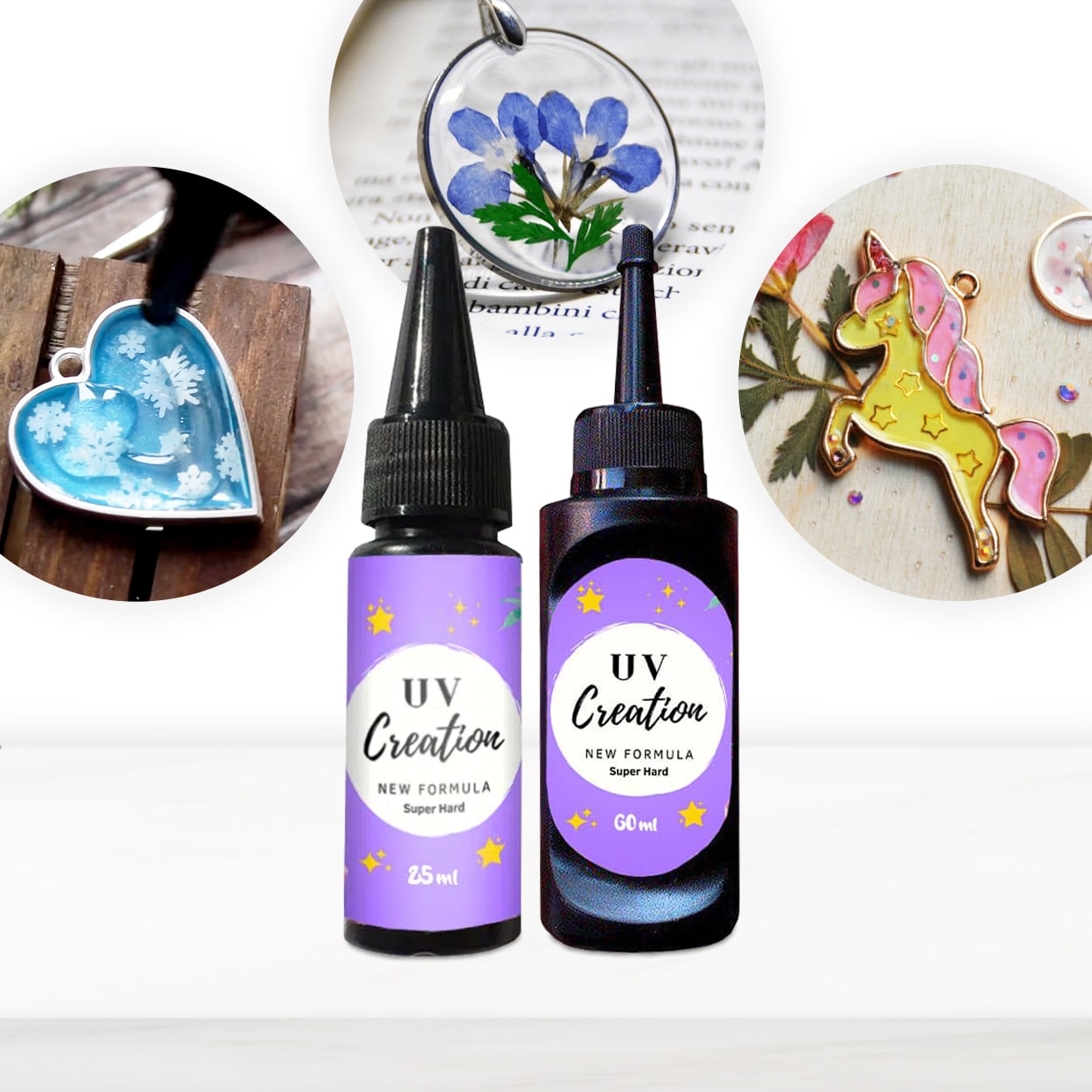 "UV–Creation" – Fast Acrylic Resin, 3 Minute UV CurePrice range: £7.85 through £59.85"UV–Creation" Fast Acrylic Resin cures quickly under UV light, offering a clear, glossy finish suitable for jewellery making in the theme of How to…
Frequently Asked Questions
Which adhesive should I use to glue resin pieces together?
A two-part epoxy glue is usually best for general resin bonding due to its strength and versatility. UV resins can be suitable for small, decorative parts.
How should I clean resin parts before gluing them?
Wipe each piece with isopropyl alcohol or mild soap and water to remove oils and dust, then dry thoroughly before gluing.
Do I need to clamp resin parts when gluing and for how long?
Clamping ensures proper contact while the glue sets. Most epoxies need 5–10 minutes of firm pressure; check the adhesive's instructions.
Can UV resin be used to glue resin to polymer clay?
Yes, UV-cured acrylic resin is ideal for strong bonds between resin and polymer clay, especially for thin, decorative details.
How can I remove excess glue from resin once applied?
Wipe away squeezes before curing. Once cured, gently sand off extra glue with fine sandpaper for a neat finish.
Is it possible to paint or tint the bonded joint of resin pieces?
Yes, many epoxy and UV resins can be tinted with compatible dyes. Paintable after full cure.
What are common mistakes when gluing resin components?
Not cleaning surfaces, over-applying glue, failing to clamp, or rushing the cure time can all result in poor bonds.