 Free shipping on orders over £29,85
  Shipping Tracking!


 Google
 Facebook
how to glue two resin objects together
Step-by-step guide for strong, clean resin joints


Joining two resin objects demands accuracy, careful preparation, and the right adhesive to achieve an invisible and strong bond. This guide shows you each step required to securely glue resin pieces together—ideal for crafters, makers, and repairers working with cast parts, jewellery, or resin decor. Whether your priority is durability or a clear seamless finish, follow these precise instructions for reliable results every time.
What You’ll Need
- “Klebfix” – Two-Component Fast Epoxy Glue 2K, 25g Syringe – for quick, strong bonds on plastics and resins
- “FixExpress” – Two-Component Epoxy Glue 500g – suited for larger jobs and fast, reliable adhesion
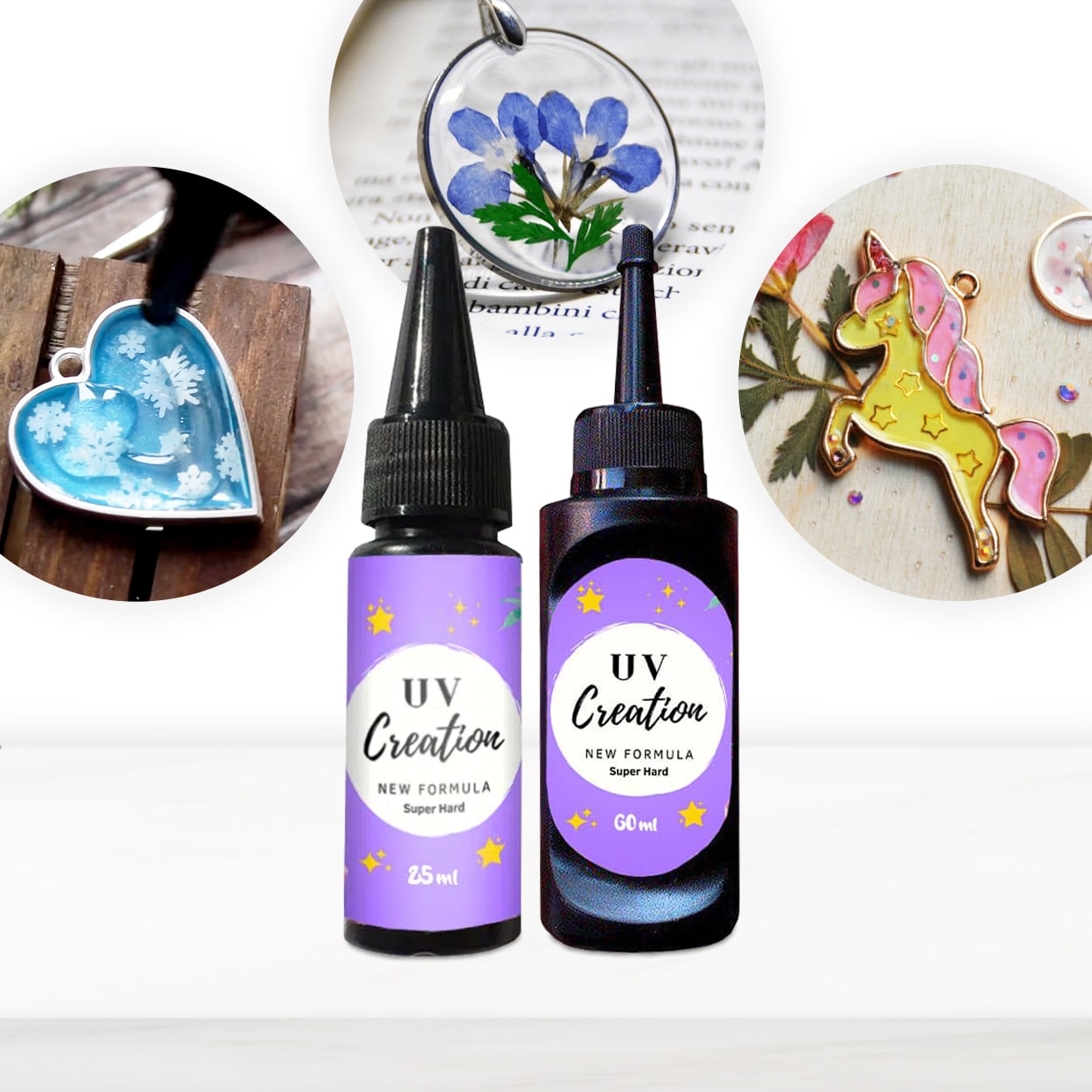
- “UV–Creation” – Fast Acrylic Resin, 3 Minute UV Cure – ideal for jewellery joins or ultra-clear joints
- “Fairy Wings” – UV Resin for Volumetric Reliefs, Dual Colour, 30ml – for fine decorative accents and detailed bonding
- Sandpaper (fine grit), lint-free cloths, isopropyl alcohol
- Clamps or weights for holding the pieces together
- Gloves and adequate ventilation

Essential Tools and Surface Prep in Action
Proper surface cleaning and preparation are fundamental for resin adhesion. A lint-free wipe and correct sanding technique will boost the glue’s performance and help prevent failures. Assemble all tools before starting for a seamless workflow.
Step 1: Prepare the Surfaces
Clean both resin surfaces thoroughly to remove dust, fingerprints, and any release agents left from moulding. Wipe each piece with isopropyl alcohol using a lint-free cloth, ensuring no residue remains. Dirt or oils can prevent proper bonding and lead to weak joints.
Next, roughen the bonding areas for better adhesion. Gently sand the regions to be joined with fine grit sandpaper—just enough to create a matte finish. This increases surface area and gives the adhesive the best grip. After sanding, clean again with alcohol to remove every trace of dust.

Step 2: Select and Prepare Your Adhesive
Choose your glue based on the joint, working time, and clarity required. Two-component epoxies are reliable for strength and gap-filling—mix only as much as you can apply within the adhesive’s open time. For delicate or ultra-clear bonds (such as resin jewellery), ready-to-use UV-curing resins offer seamless joins in minutes. Work in a well-ventilated area and wear gloves to prevent skin contact.
For maximum bond strength in repair or crafting tasks, “Klebfix” – Two-Component Fast Epoxy Glue 2K, 25g Syringe delivers professional-grade adhesion and fast setting. If you are working with larger parts or need extra glue, “FixExpress” – Two-Component Epoxy Glue 500g provides a rapid and robust solution. For jewellery joins or clear accents, “UV–Creation” – Fast Acrylic Resin, 3 Minute UV Cure is the ideal choice—simply apply and cure under UV light.
Step 3: Apply Adhesive and Join the Pieces
Mix and apply your adhesive precisely according to manufacturer guidelines. For two-part epoxies, dispense equal amounts and blend thoroughly until the mixture is uniform. For UV-curing types, apply directly from the bottle. Use a toothpick or small spatula for careful placement, minimising overflow or mess.
Align the resin pieces carefully so the edges meet as closely as possible. Press together gently, spreading the glue evenly and avoiding air pockets. Any excess should be wiped away immediately before setting begins. UV adhesives require you to position the parts correctly before exposing the joint to UV light for the recommended duration.
Step 4: Secure and Allow Full Cure
Once joined, clamp the pieces and allow full curing as specified by your adhesive. Light pressure ensures a tight bond without shifting. For epoxies, avoid disturbing the project until the adhesive has set—often within 5–10 minutes for handling, but up to 24 hours for total strength. For UV-cured joints, keep the pieces immobile and exposed to light until completely hard.
Do not attempt to use, sand, or stress-test the bonded parts before the adhesive has fully cured. Rushing this stage can compromise joint integrity.
Step 5: Inspect and Finish the Bond
After curing, test, trim, and finish as needed. Remove any leftover adhesive with a sharp knife or fine sandpaper, taking care not to mark clear surfaces. If transparency is important, lightly polish with a microfibre cloth to achieve a seamless join. Now your resin objects are securely joined and ready to use or display.
Tips and Common Mistakes
Plan your assembly before mixing adhesives, as working time can be short. Never skip the surface cleaning and sanding steps—smooth, shiny resin is notoriously difficult to bond without roughening. Overloading with adhesive can cause unattractive squeeze-out; less is usually more. For UV glues, make sure your lamp is powerful enough and all areas get exposure. If a joint fails, check for residues or missed sanding as the root cause.
Visual Guide: Gluing Resin Objects Step by Step
See the gluing process from prep to cure: Align parts, apply the adhesive, clamp securely, and achieve beautifully finished joins on your resin creations. Careful technique produces professional, long-lasting results for art, crafts, and repairs.

- "Klebfix" – Two-Component Fast Epoxy Glue 2K, 25g Syringe£22.85The Klebfix 2K Fast Epoxy Glue provides professional-strength bonding for various materials. It is suitable for fast repairs under the theme of how…
- "FixExpress" – Two-Component Epoxy Glue 500g£25.45"FixExpress" is a two-component epoxy glue designed for fast repairs and strong bonds on many materials, suitable for gluing resin objects.
- "UV–Creation" – Fast Acrylic Resin, 3 Minute UV CurePrice range: £7.85 through £59.85"UV–Creation" is a fast-curing UV acrylic resin, suited for jewellery and crafts under the theme how to glue two resin objects together.
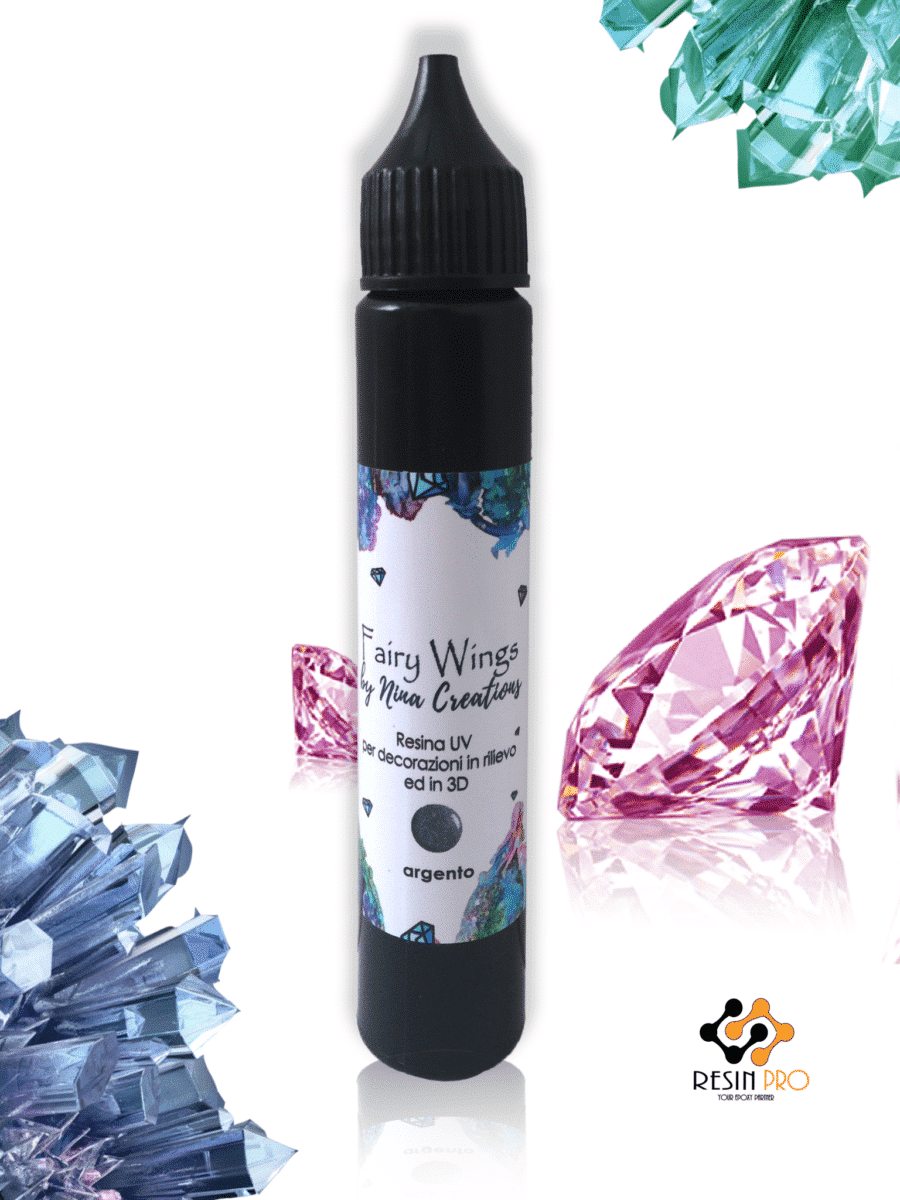 "Fairy Wings" – UV Resin for Volumetric Reliefs, Dual Colour, 30mlOriginal price was: £15.15.£2.85Current price is: £2.85."Fairy Wings" UV Resin provides a ready-to-use formula for detailed 3D patterns with quick curing, suitable for crafting and artistic projects.
Frequently Asked Questions
Which adhesive is best for gluing resin objects?
Two-component epoxy glues offer the strongest and most reliable bond for most resin projects. UV-curing resins are ideal for jewellery and ultra-clear joints.
Do I need to sand the resin before gluing?
Yes, gently sanding the glue areas helps the adhesive bond by increasing surface roughness. Always clean dust away after sanding.
How long should epoxy cure for a resin join?
Initial handling is often possible after 5 to 10 minutes, but full strength usually requires 24 hours. Curing times may vary by product.
How do I achieve an invisible resin bond?
Use a clear adhesive and apply it precisely to avoid bubbles. Clamp evenly and clean away excess for a seamless look.
How do I remove excess adhesive from a cured joint?
Carefully scrape hardened excess with a knife or fine sandpaper, then polish as needed. Take care to avoid scratching clear areas.
When should I use UV resin rather than epoxy glue?
Use UV resin for quick, precise bonds where visual clarity is key, such as jewellery. Epoxies are better for larger joins and structural needs.
Why does my resin joint sometimes fail?
Failures usually result from inadequate cleaning, skipping sanding, or disturbing the joint before complete curing. Follow each prep step closely.