 Free shipping on orders over £29,85
  Shipping Tracking!


 Google
 Facebook
How to Harden Epoxy Adhesive
Achieve a strong, durable epoxy bond every time


Mastering the technique of hardening epoxy adhesive ensures your projects achieve maximum strength and a long-lasting bond. Whether you are repairing, crafting, or building, following the correct procedures for preparing, mixing, and curing epoxy is crucial for both quick fixes and professional results. This guide walks you through the essential steps for reliable epoxy hardening at home or in your workshop.
What You’ll Need
- “Klebfix” – Two-Component Fast Epoxy Glue 2K, 25g Syringe: Ideal for rapid, strong bonds on a range of surfaces.
- “FixExpress” – Two-Component Epoxy Glue 500g: Best when you need to work with larger or multiple repairs under time pressure.
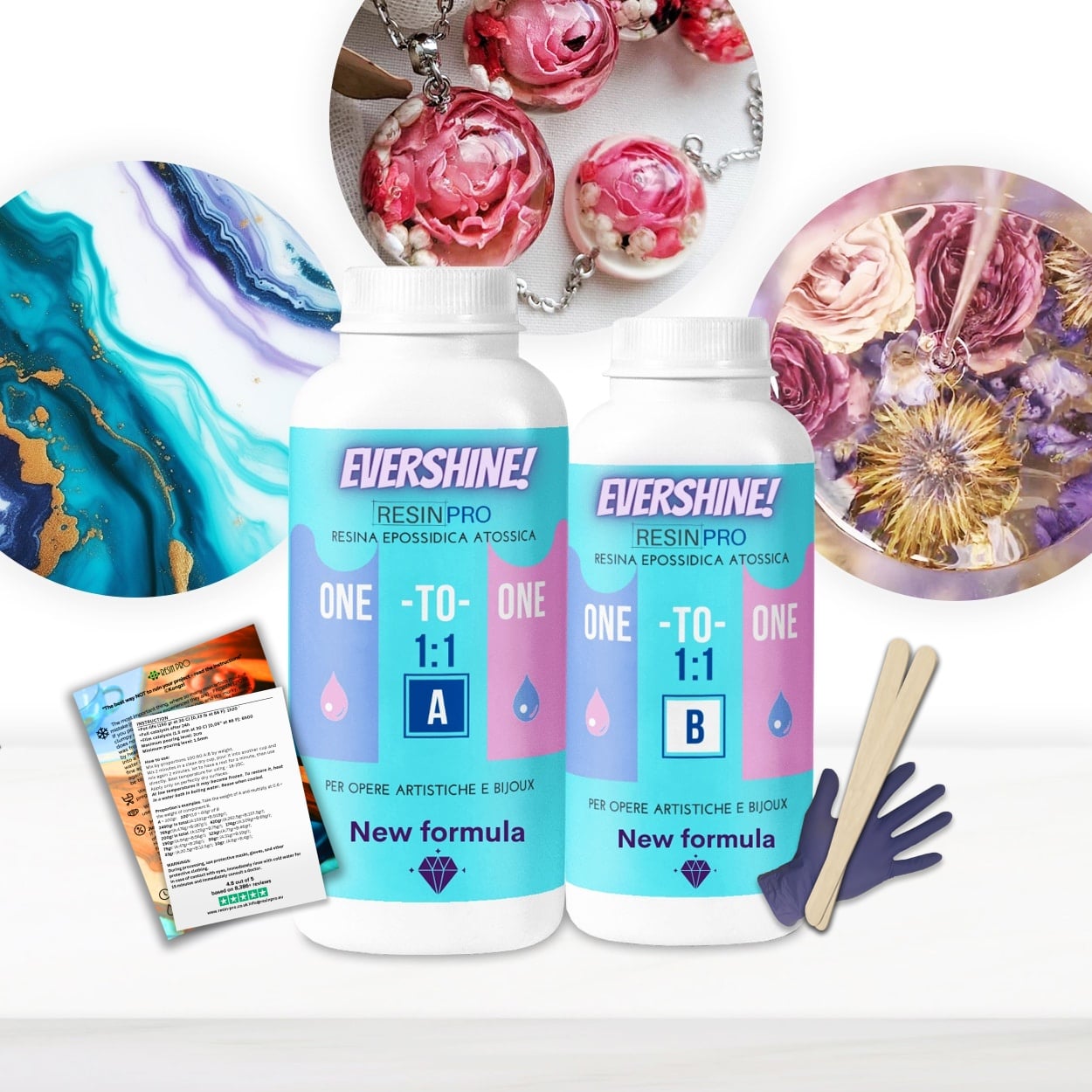
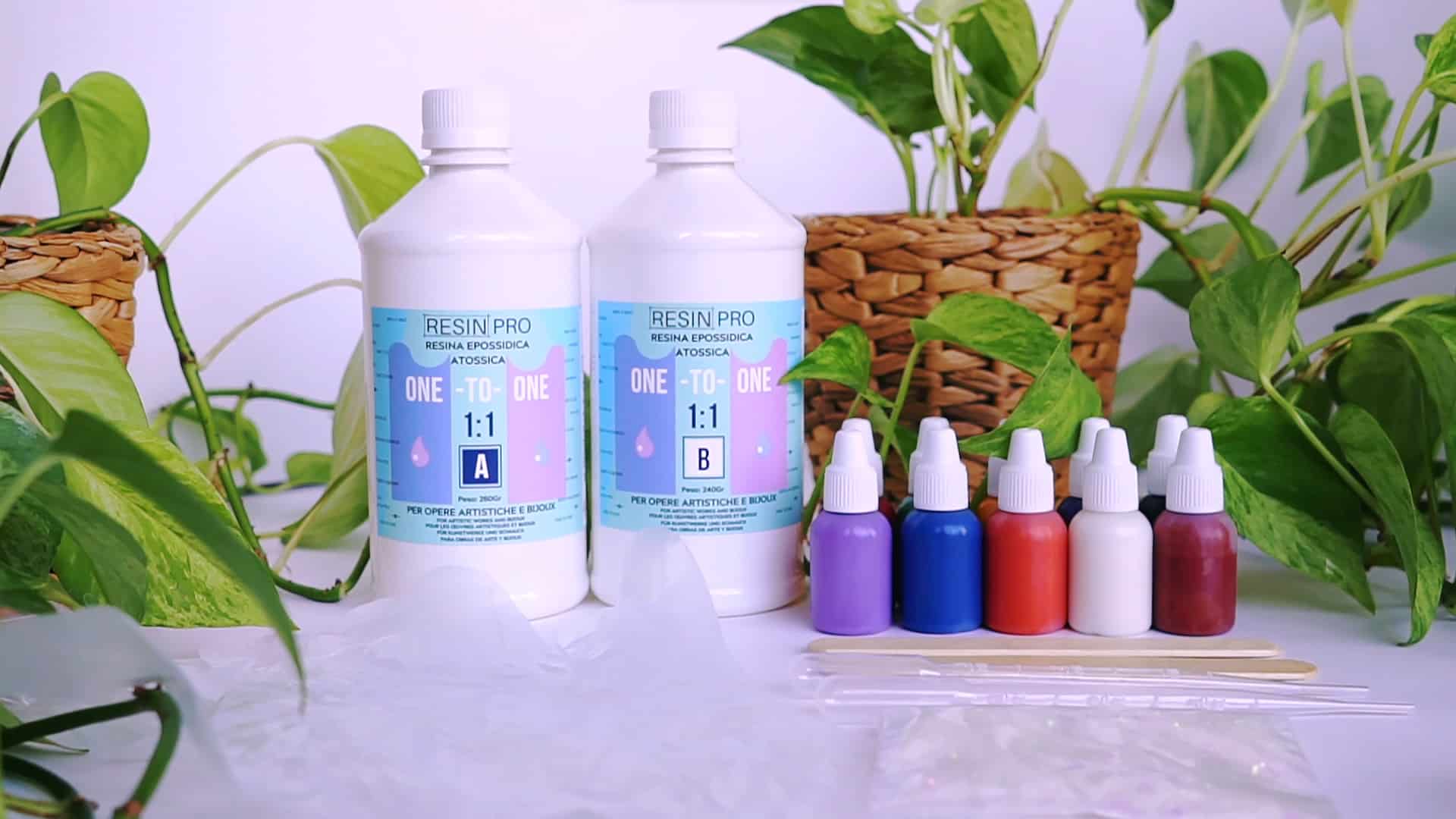
- “One-2-One” – Epoxy Resin for Handcraft, 1:1 Mixing Ratio: Suitable for hobby or decorative uses where clarity and ease of mixing are priorities.
- “Mixer Nozzle” – For Mixing Epoxy Glue, 50ml, Araldite 2000 Series Compatible: Ensures proper mixing of two-part epoxy from compatible cartridges.
- Clean mixing containers and spatula
- Protective gloves and safety glasses
- Paper towels or clean cloths

Essential Tools and Safety
Gloves and goggles shield your skin and eyes from accidental splashes when working with epoxy adhesives. Prepare your workspace with disposable coverings and keep fresh paper towels nearby for spills and clean up.

Step 1: Prepare the Surfaces
Start by thoroughly cleaning the materials you intend to bond. Remove all dust, grease, and old adhesive with an appropriate solvent or mild soap and water. Dry surfaces completely before proceeding, as any moisture or grease residue can compromise bond strength and curing. Roughening smooth surfaces slightly with fine-grit sandpaper will also support optimal adhesion.
Avoid excess moisture on surfaces—it’s one of the most common causes of incomplete hardening and weak bonds.
Step 2: Measure and Mix the Epoxy
Epoxy adhesives are typically supplied as two separate components—a resin and a hardener—that must be combined in a precise ratio. Always check the manufacturer’s guidelines for the correct mixing quantities by weight or volume. For example, products like “Klebfix” – Two-Component Fast Epoxy Glue 2K, 25g Syringe and “FixExpress” – Two-Component Epoxy Glue 500g both require a 1:1 mixing ratio for optimal results.
For cartridge-based systems, using a “Mixer Nozzle” – For Mixing Epoxy Glue, 50ml can ensure you’re blending the resin and hardener consistently throughout. Mix slowly and thoroughly to incorporate all material, scraping the sides and bottom of your container as you go. Thorough mixing ensures complete curing.
Step 3: Apply and Shape the Epoxy
Once mixed, quickly apply the epoxy to the prepared surfaces using a spatula, brush, or directly from the cartridge. Be mindful of the product’s working time—most fast-setting epoxies begin to harden within five minutes, so immediate application after mixing is crucial for best results. Position your parts precisely before the adhesive cures.
If you are working on intricate or craft items—such as with “One-2-One” – Epoxy Resin for Handcraft, 1:1 Mixing Ratio—pour gently into moulds or onto surfaces to avoid introducing bubbles. Use tools to remove any air pockets and shape as needed.
Step 4: Allow to Cure Properly
Leave the adhesive undisturbed to achieve full cure and maximum bond strength. Each product will specify its curing time—some fast-setting varieties reach handling strength within five minutes, with full strength after several hours or overnight. Ensure the temperature remains stable; curing is typically faster in warm conditions and slower if it’s cool.
Temperature matters for epoxy hardening; a room temperature of 20–25°C is ideal for most products. Do not touch, move, or stress the bond before the adhesive has hardened.
Tips and Common Mistakes
Always measure your epoxy precisely to maintain the recommended mixing ratio. Using too much or too little hardener will result in uncured or soft adhesive.
Don’t rush your mixing—a few extra seconds blending both parts fully can make the difference between reliable hardening and a failed bond. Avoid contaminating your batch with dirty tools or containers, as impurities can affect curing. Remember to wear gloves and protect your workspace from spills.
For thick coats or gap-filling, ensure your chosen epoxy is suitable for the application and thickness required. Patience during the cure phase is essential for optimal strength and clarity.
Troubleshooting Poor Hardening
Incomplete hardening is often caused by incorrect mixing ratios, insufficient stirring, or low temperatures. Double-check your measurements for each batch, and ensure the workspace is warm enough. For persistent issues, try a test mix before major repairs.

- "Klebfix" – Two-Component Fast Epoxy Glue 2K, 25g Syringe£22.85"Klebfix" is a two-component epoxy glue designed for professional and demanding repairs offering fast 5-minute setting and suitability for multiple…
- "FixExpress" – Two-Component Epoxy Glue 500g£25.45A two-component epoxy glue offering rapid repairs and strong adhesion on various materials, suitable for hardening adhesives quickly.
- "One-2-One" – Epoxy Resin for Handcraft, 1:1 Mixing RatioPrice range: £14.85 through £56.85"One-2-One" epoxy resin features an easy 1:1 mixing ratio and a crystal clear, glossy finish suitable for jewellery and decorative projects.
 "Mixer Nozzle" – For Mixing Epoxy Glue, 50ml, Araldite 2000 Series Compatible£1.45"Mixer Nozzle" designed for Araldite 2000 series, suitable for 50ml cartridges with a bayonet type.
Frequently Asked Questions
How long does epoxy adhesive take to harden?
Most fast-setting epoxies achieve initial strength in about 5 minutes, but complete hardening often requires several hours or an overnight cure.
Can I speed up epoxy cure with heat?
Slightly increasing room temperature may accelerate curing, but direct heating should be avoided as it can cause uneven hardening or bubbles.
Why is my epoxy adhesive not hardening?
Common reasons include incorrect mixing ratio, inadequate stirring, impurities on surfaces, or working in temperatures that are too low.
Should I use volume or weight for mixing?
Follow the product instructions: many require a 1:1 ratio by weight or volume. Read the label for specific guidance.
Can I apply epoxy to wet surfaces?
Most epoxies require dry surfaces for optimal bonding, but some specialist products will cure under damp conditions. Always check the product guidelines.
Can I mix small batches of epoxy adhesive?
Yes, but always keep the mixing ratio accurate, even with small quantities, to ensure proper hardening and performance.