 Free shipping on orders over £29,85
  Shipping Tracking!


 Google
 Facebook
How to keep resin from hardening?
Maintain proper resin fluidity with simple care steps
Unwanted resin hardening can turn a promising project into a costly mistake. Whether you’re a seasoned resin artist or an enthusiastic beginner, understanding how to extend resin’s workable life is key to flawless results and minimal waste. This guide covers simple, expert-backed strategies to help you keep your resin in a usable state for as long as possible.
What You’ll Need
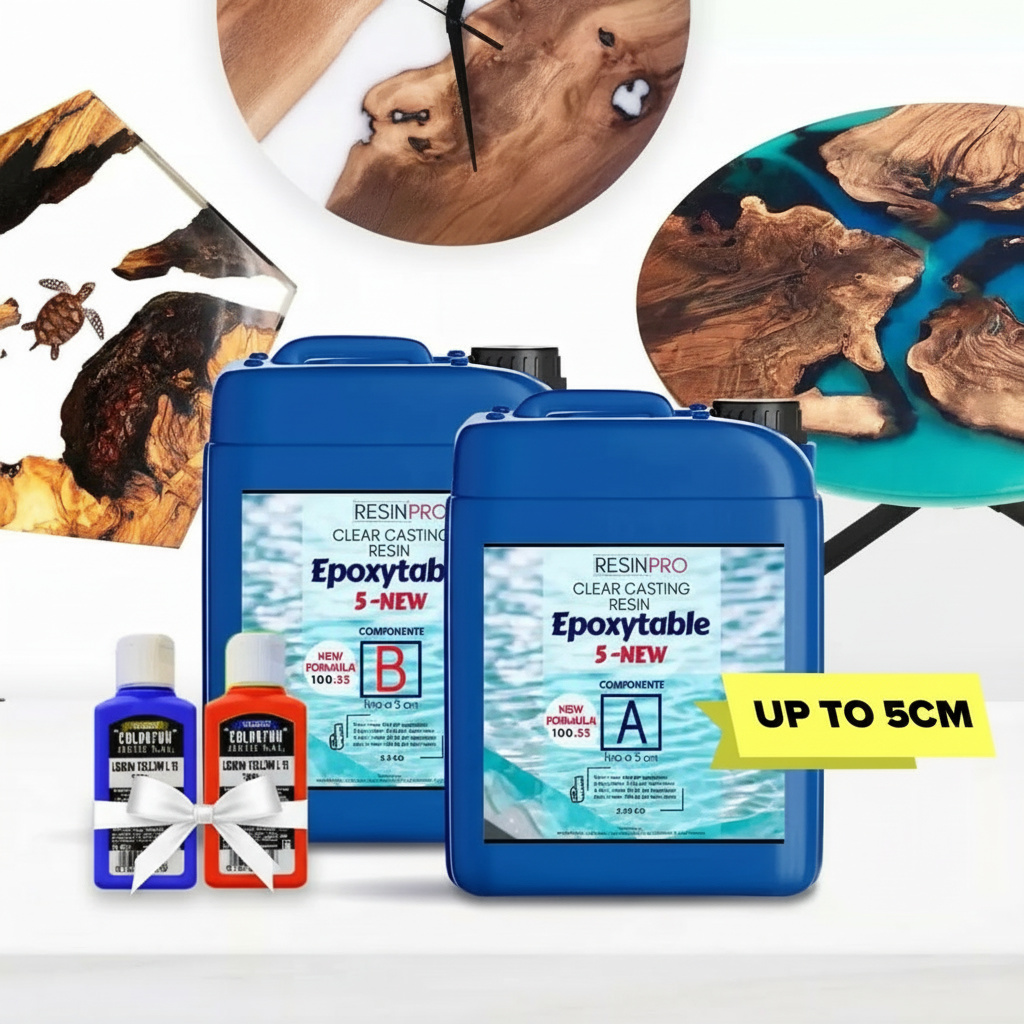
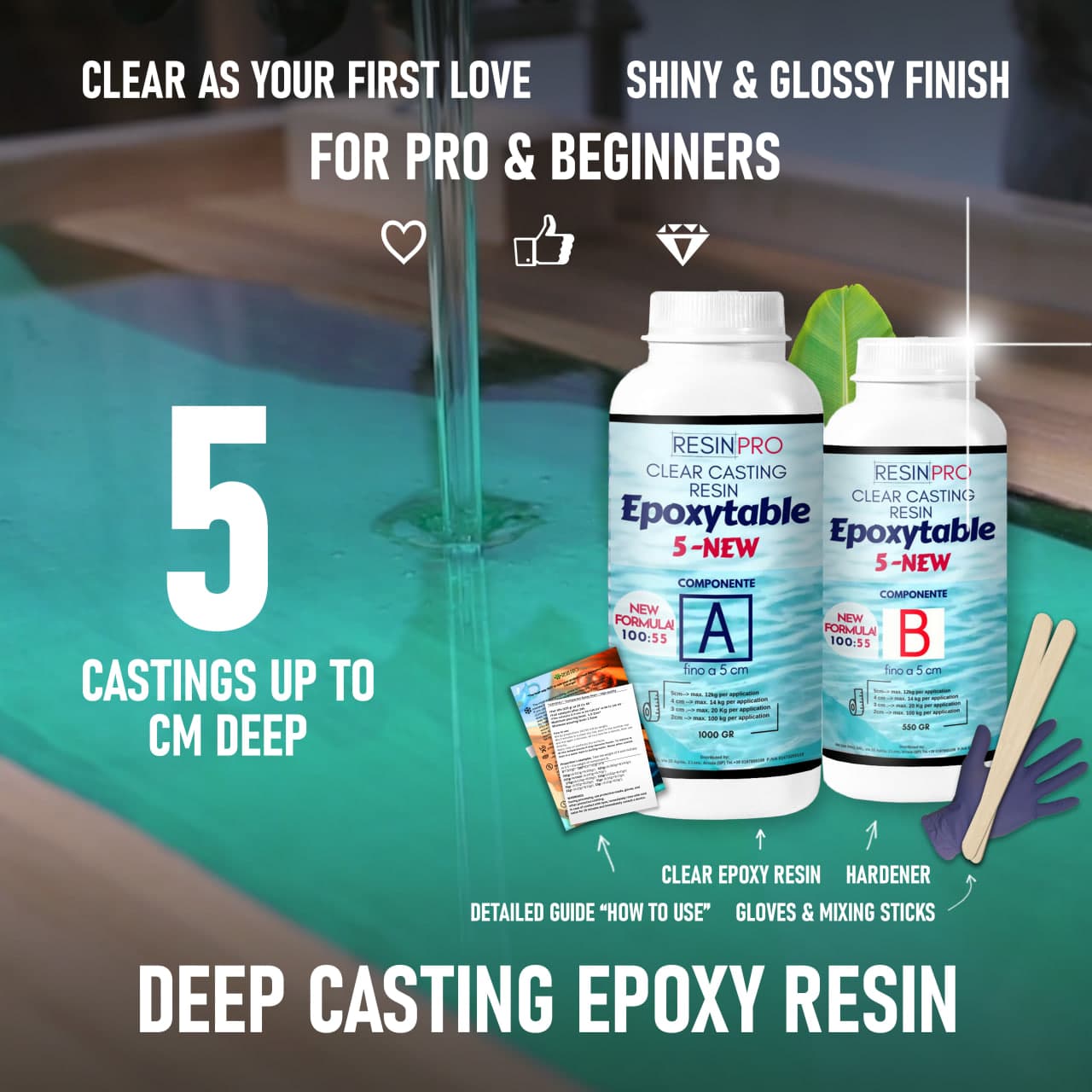
- “EpoxyTable 5-Five” – Deep Pour Epoxy Resin for Tables and Large Projects – Up to 5cm: For deep pours and large tabletops
- “Epoxytable 10-Ten” – Deep Pour Epoxy Resin for Tables, Up to 10cm Casting: Handles extreme casting depths
- “NatuResin” – Mineral Resin & Water System for Creative Casting and Crafts: Water-based, eco-friendly resin for crafts
- “One-2-One” – Epoxy Resin for Handcraft, 1:1 Mixing Ratio: Ideal for crafts and jewellery with a simple mixing ratio
- Measuring scales or mixing cups
- Mixing sticks and clean containers
- Disposable gloves and protective equipment

Visualising Proper Resin Storage and Mixing
Visualise an organised workspace with neatly stored bottles in a cool cupboard, measuring tools set out, and mixing containers at hand. This scene supports successful resin projects by ensuring your materials stay fluid until use and your process is smooth from start to finish.

Step 1: Store Resin and Hardener Correctly
Store components in a cool, dry place, away from direct sunlight and temperature fluctuations. Excessive heat or freezing temperatures can cause chemical changes, leading your resin to cure prematurely or become unusable. Always ensure containers are tightly sealed to prevent moisture and air exposure, which can affect product stability.
Good storage practice is the first line of defence in maximising your resin’s shelf life and preventing hardening before you’re ready to use it. Properly maintained products, such as those mentioned above, are designed for longevity but still require care in storage.
Step 2: Mix Only What You Need
When working with two-part systems like epoxy, only mix what you plan to use immediately. Resin and hardener begin to react as soon as they are combined, so any surplus will harden regardless of whether you use it. If your project demands multiple pours, prepare your resin batch by batch to maintain fluidity and avoid waste.
With single-component options such as “NatuResin” – Mineral Resin & Water System for Creative Casting and Crafts, activation occurs with water, so keep the products separate until you’re ready to start your project for best results.
Step 3: Measure and Mix Accurately
Carelessness in measuring can lead to excessive hardening, a sticky finish, or wasted material. Measure and mix according to product instructions, using a digital scale or marked mixing cups for precision. For example, the “One-2-One” – Epoxy Resin for Handcraft, 1:1 Mixing Ratio is mixed by equal volumes, making it easier to mix only as much as you need and avoid mistakes that result in unwanted hardening.
Stir slowly and thoroughly, scraping container sides and bottom, until you achieve a consistent blend. Inadequate mixing results in soft spots and uneven curing, but overmixing, especially at high speed, can introduce excessive air and heat.

Step 4: Control Working Temperature
The ambient temperature and the temperature of your resin components have a direct effect on curing speed. Work at the recommended temperatures specific to your chosen resin. Higher temperatures accelerate hardening, while lower temperatures extend working time but can cause other issues, such as cloudiness.
If using products designed for thick pours like “EpoxyTable 5-Five” – Deep Pour Epoxy Resin for Tables and Large Projects – Up to 5cm or “Epoxytable 10-Ten” – Deep Pour Epoxy Resin for Tables, Up to 10cm Casting, always pour in lifts as directed and let them partially cure between layers to avoid uncontrolled rapid hardening (exotherm).

Step 5: Clean Up Quickly and Thoroughly
Prevent tool-related contamination by cleaning all mixing tools thoroughly with suitable solvents or simple soap and water, especially for water-based systems. Residual cured resin on containers, sticks or gloves can compromise your next batch, causing premature thickening or hardening where you least expect it.
By maintaining a clean workspace and being deliberate with each stage of preparation and mixing, you create consistent results and reduce the likelihood of product waste due to accidental hardening.
Common Mistakes and Quick Solutions
Some of the most frequent pitfalls include eye-balling measurements, mixing entire resin kits at once, using expired materials, or working in very warm rooms. Address these by always following the manufacturer guidance, storing products with care, and calibrating your workspace temperature. Troubleshooting as soon as issues arise can often salvage your resin—for example, if material begins to thicken, try slightly lowering your room temperature next time to extend working time.
Spotting and Fixing Resin Hardening Issues Early
Resin that thickens or hardens too quickly often shows signs like rising temperatures in the batch, cloudiness or a gritty feel. If you spot these early, you can adjust batch size or temperature for future attempts, or use affected resin for small castings where clarity is less critical.
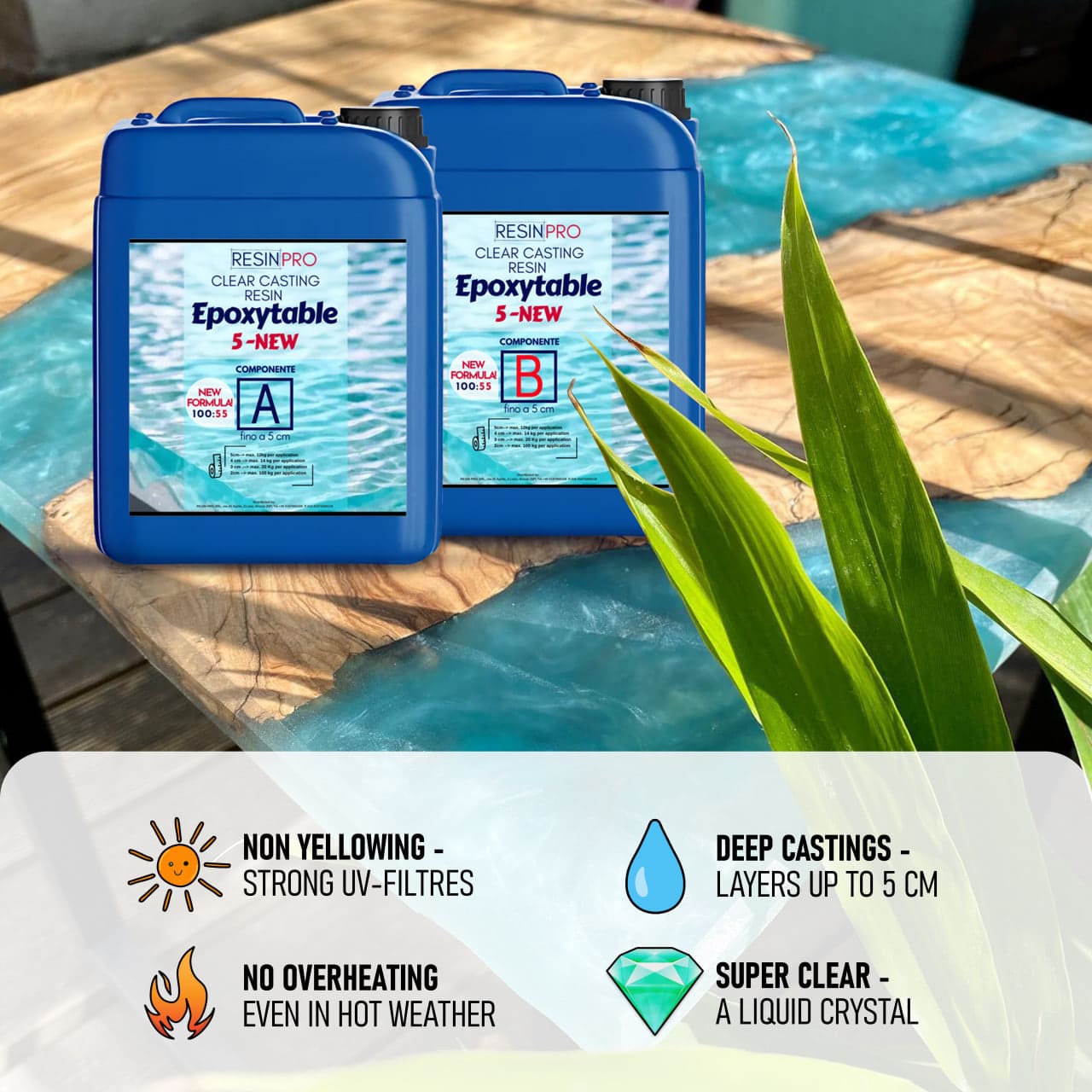
- "EpoxyTable 5-Five" – Deep Pour Epoxy Resin for Tables and Large Projects – Up to 5cmPrice range: £16.85 through £1,099.85"EpoxyTable 5-Five" is designed for deep pours up to 5cm, suitable for clear, bubble-free tabletops with UV resistance and scratchproof surfaces.
- “Epoxytable 10-Ten” – Deep Pour Epoxy Resin for Tables, Up to 10cm CastingPrice range: £33.85 through £334.85“Epoxytable 10-Ten” is designed for deep pouring up to 10cm, suitable for creating tables and artistic projects with detailed instruction included.
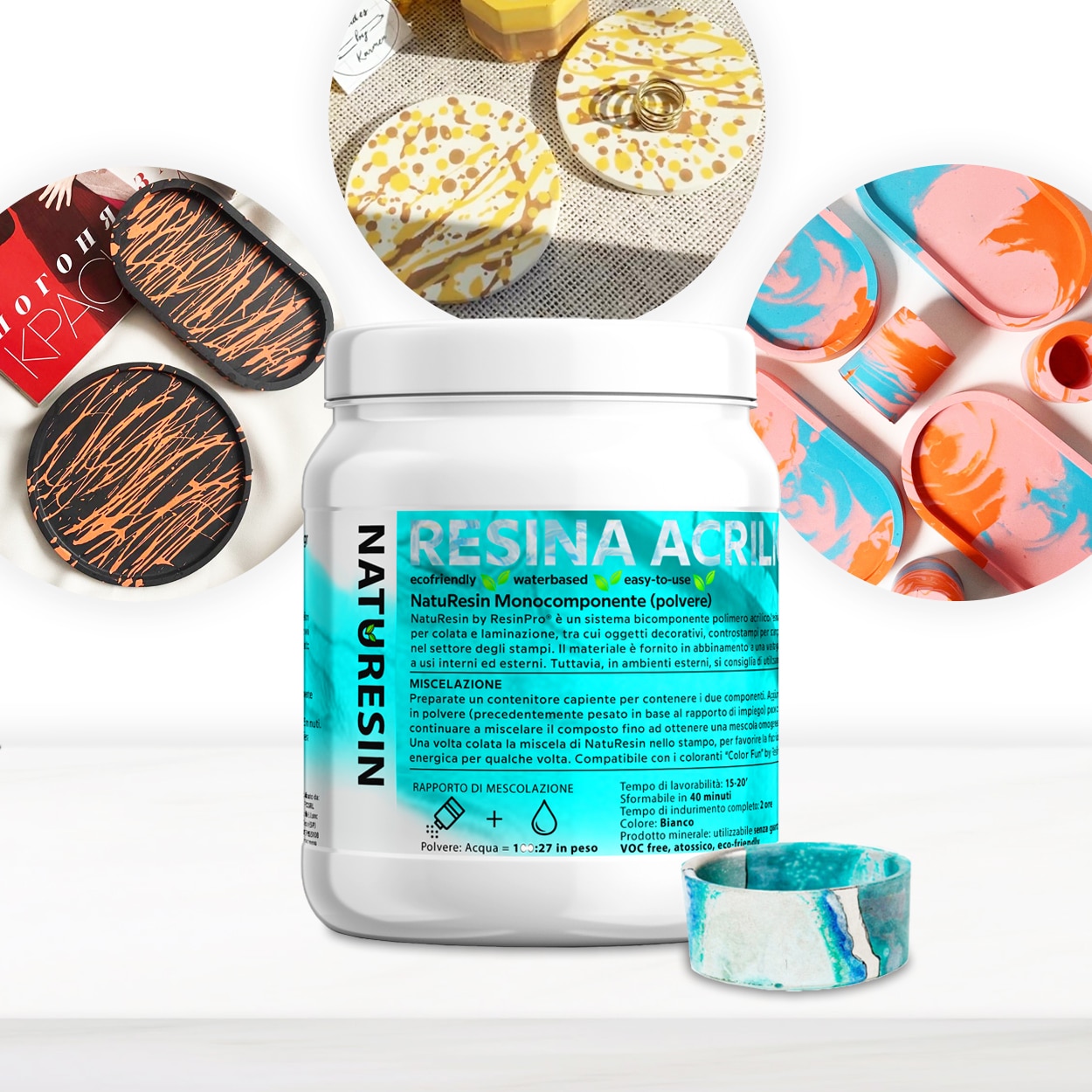 “NatuResin” – Mineral Resin & Water System for Creative Casting and CraftsPrice range: £17.85 through £99.85“NatuResin” is a water-activated mineral resin designed for crafting safe and eco-friendly decorative items.
 "One-2-One" – Epoxy Resin for Handcraft, 1:1 Mixing RatioPrice range: £14.85 through £56.85"One-2-One" epoxy resin features an easy 1:1 mixing ratio and a crystal-clear, glossy finish, suitable for handcraft projects.
Frequently Asked Questions
How do I prevent my resin from hardening during large tabletop pours?
Always mix in smaller batches, pour in layers, and keep temperatures within the recommended range to avoid rapid hardening.
Is there a way to save unused mixed resin from hardening?
Once mixed, resin will begin to cure; only mix what you need. Unused mixed resin cannot be stored for later use.
Why did my resin harden inside the bottle before use?
Improper storage, such as exposure to air or moisture, or storing in hot areas, can cause premature curing even without mixing.
What temperature is best to keep resin from hardening too quickly?
Aim for 18–22°C for most systems. Higher warmth speeds up curing, while cold temperatures slow it down too much.
Does NatuResin harden once mixed, and how can I delay this?
Yes, NatuResin is water-activated and will cure after mixing. Mix only what you need for your project to control timing.
How can I avoid resin overheating or 'exotherm' during curing?
Pour in recommended thicknesses and let each layer partially set before adding more to avoid excessive temperature rise.
Can old, partly hardened resin be made usable again?
Once resin has started to cure and harden, it cannot be reverted to a liquid state and should not be used for quality projects.