 Free shipping on orders over £29,85
  Shipping Tracking!


 Google
 Facebook
How to make a photo frame with epoxy resin?
Create durable, glossy frames with an easy resin technique
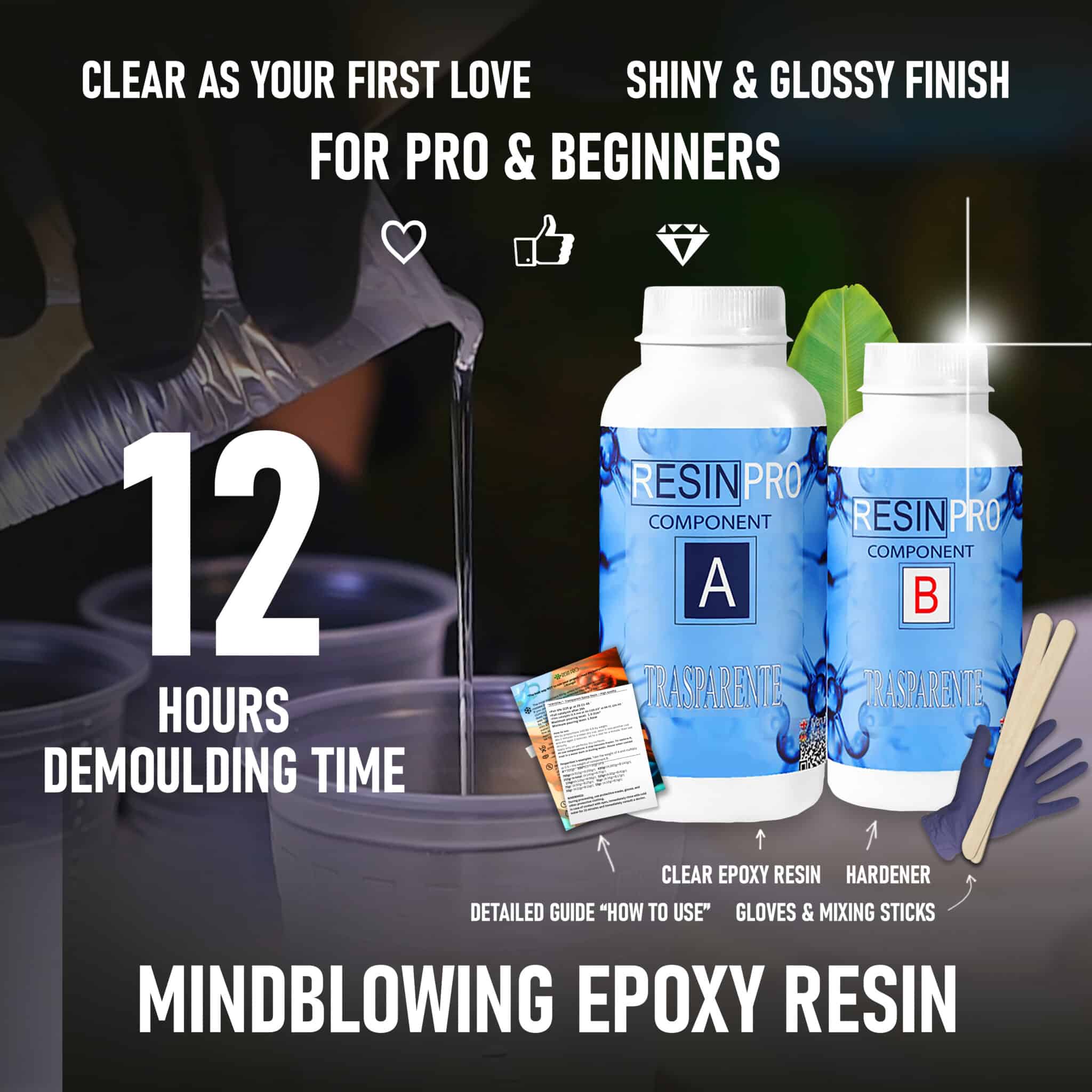

Crafting your own photo frame with epoxy resin adds a modern, glass-like finish to treasured pictures and unique gifts. This guide walks you through every stage — from preparing your materials to safely mixing, pouring, and curing resin — so you can confidently create durable and eye-catching resin photo frames at home.
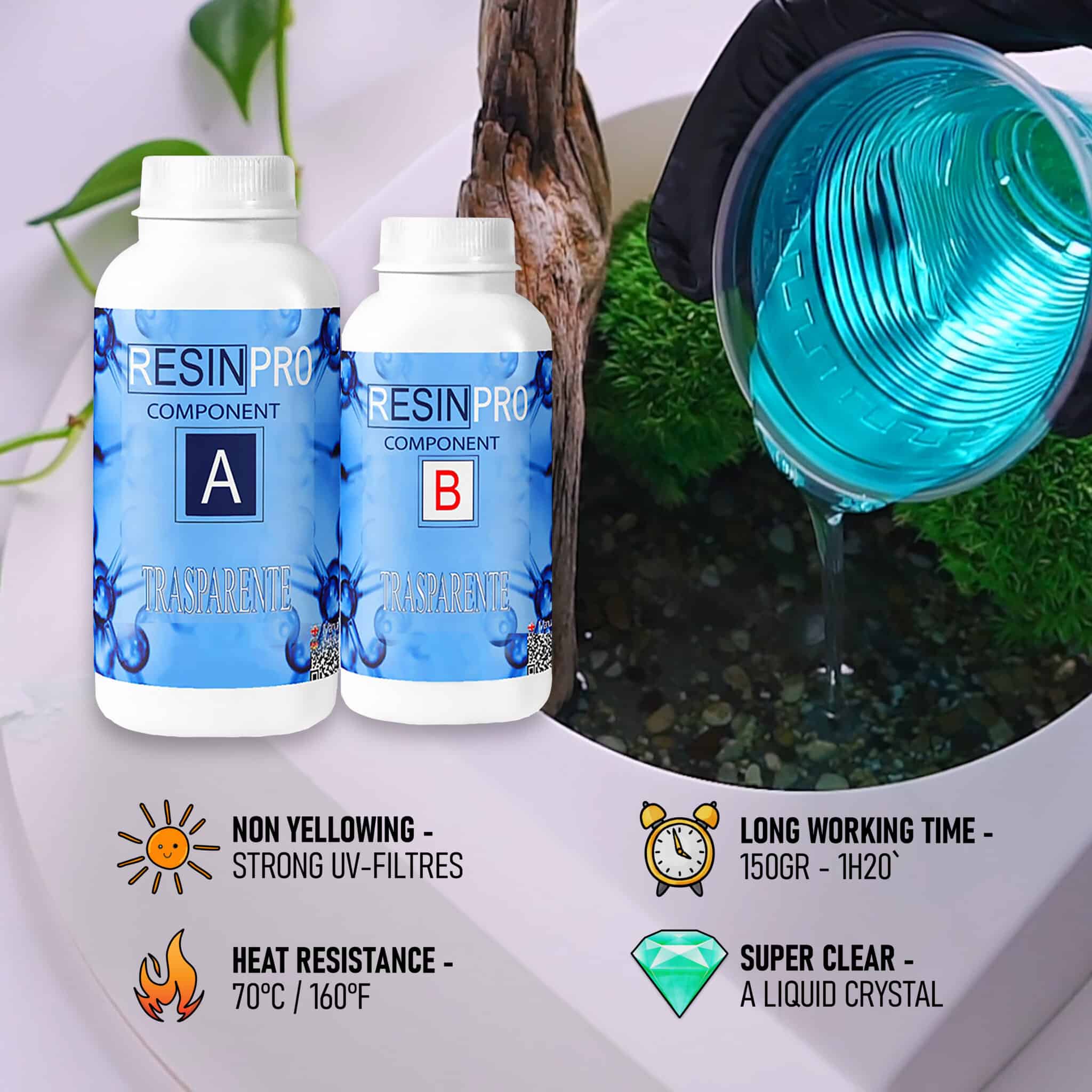
What You’ll Need
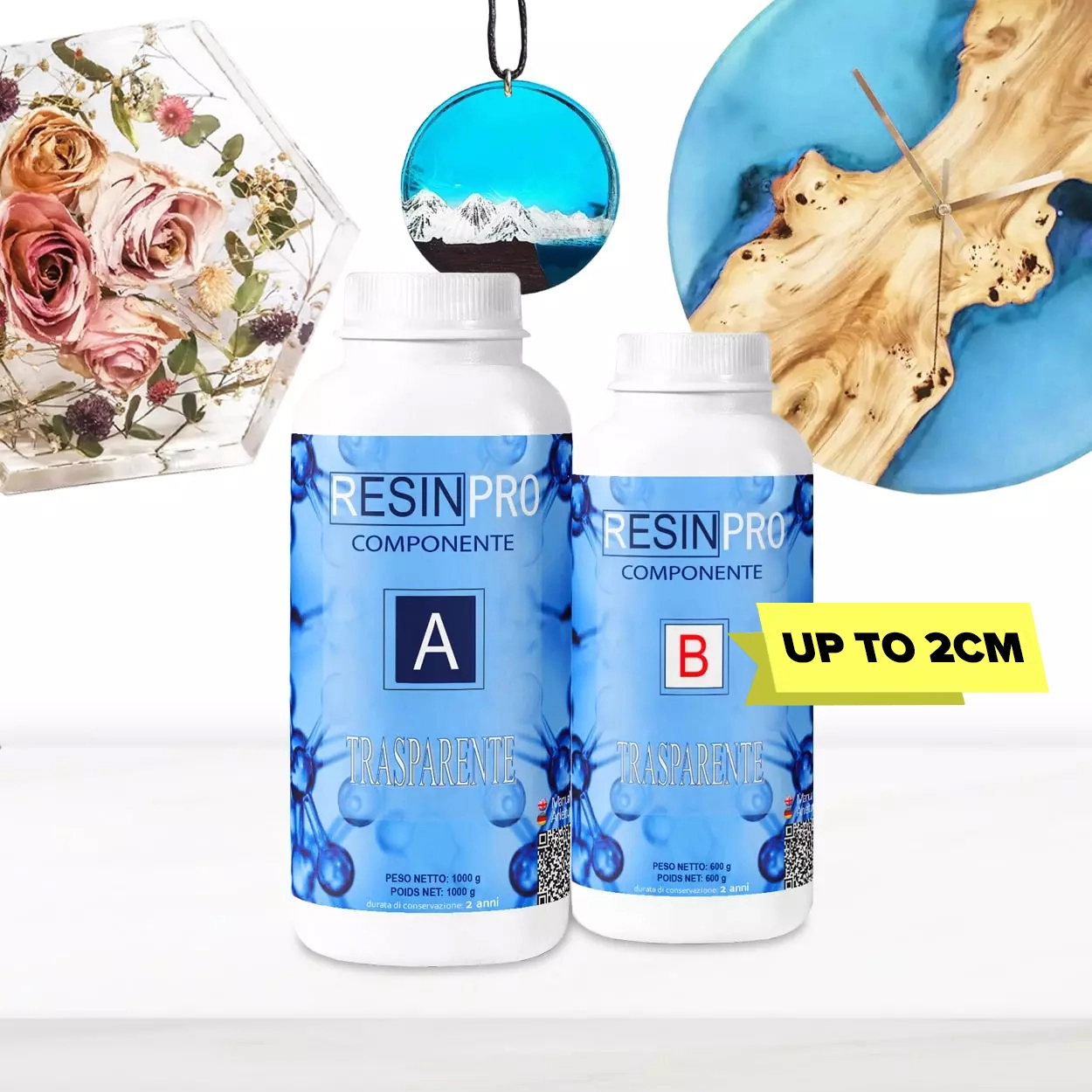
- “Trasparente” – Multipurpose Clear Epoxy Resin for Casting – Up to 2cm — ideal for clear casting up to 2cm
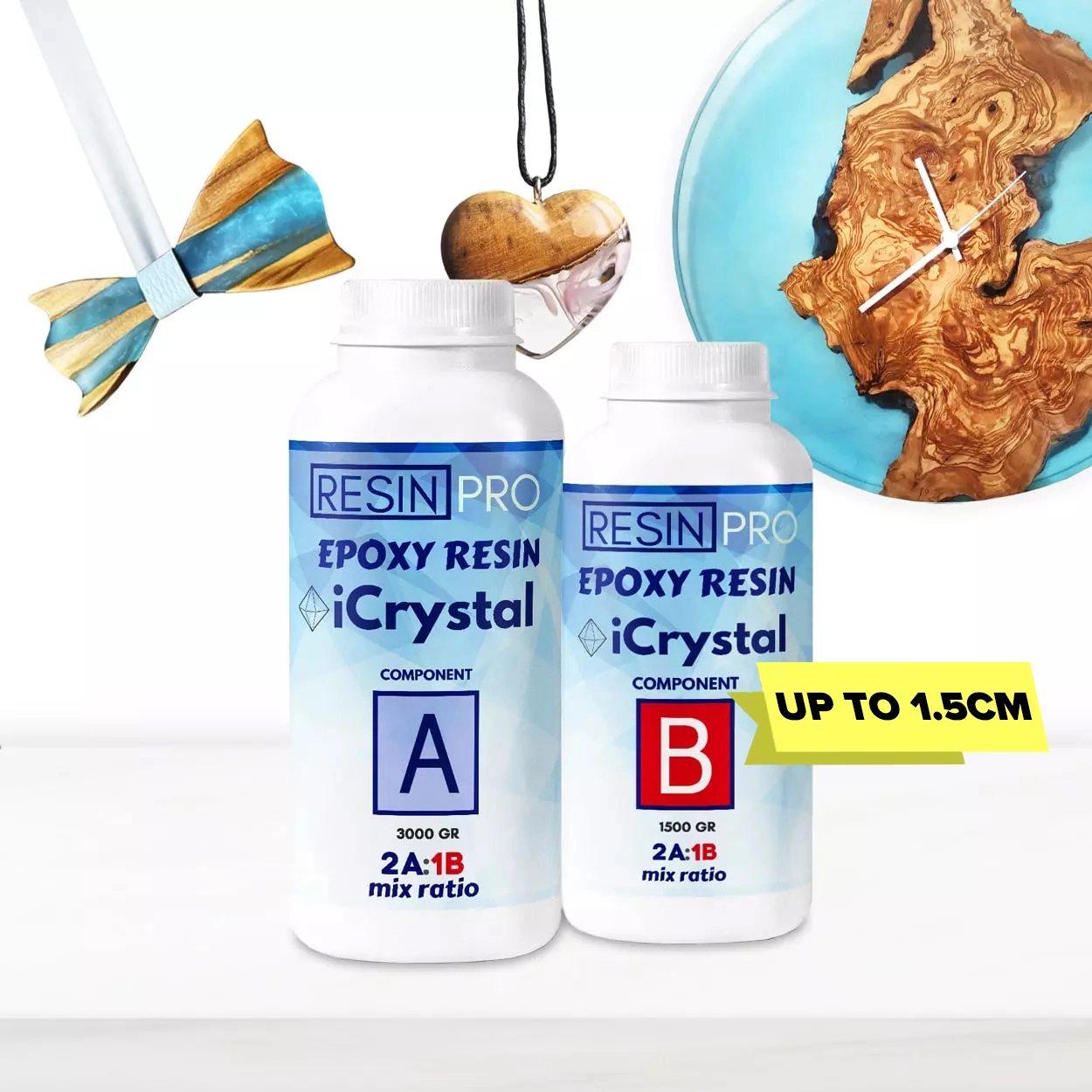
- “Icrystal” – Clear Epoxy Resin – Odourless Formula – Up to 1.5cm — suitable for thinner, odourless applications
- “One-2-One” – Epoxy Resin for Handcraft, 1:1 Mixing Ratio — good for beginners and decorative projects
- “Art Pro” – Clear Epoxy Resin for Artists and Surface Coating — excellent for thin, high-gloss topcoats
- Silicone mould for frames or a DIY template
- Mixing cups and stirrers
- Nitrile gloves and a dust mask
- Level surface for curing
- Protected working area (plastic sheet or disposable covering)
- Pigments or decorations (optional)
- Photograph or printout (ensure it’s sealed if not resin-safe)
Essential Tools and Workspace Setup
Before you begin, assemble all your tools and choose a clean, level area. Wear gloves, work in good ventilation, and protect your surfaces. This preparation helps ensure a high-quality, professional-looking result and avoids accidental spills or contamination during resin work.
Step 1: Prepare Your Workspace and Materials
Choose a well-ventilated workspace and wear gloves for safety, as epoxy resins can irritate skin and produce mild fumes during mixing. Cover your working area with a plastic sheet or disposable protection to catch any drips, and place your silicone mould on a flat, level surface to ensure an even frame. Gather all tools and ensure your photograph is cut to size and properly sealed, so resin does not penetrate paper fibres.


Step 2: Mix Your Resin Carefully
Read the resin manufacturer’s instructions thoroughly before starting, as mixing ratios are crucial for a bubble-free, clear result. Accurate mixing is essential for clarity and strength; use separate measuring cups for each component. For standard photo frame thickness up to 2cm, “Trasparente” – Multipurpose Clear Epoxy Resin for Casting – Up to 2cm is a reliable choice. Stir resin and hardener slowly with a wooden spatula, scraping the edges and base of the container to fully incorporate.
Step 3: Pour and Position Your Artwork
Slowly pour the well-mixed epoxy into the silicone mould, filling part way if you plan to embed your photo or decorations. Place your sealed photograph into the desired position within the frame. Add any decorative elements — such as pressed flowers, glitters, or colour pigments — before topping up with resin as needed. Avoid overfilling your mould to prevent spillages, and use a toothpick to pop any surface bubbles. A light mist of isopropyl alcohol can also help clear bubbles from the surface.

Step 4: Cure and Demould the Frame
Allow your photo frame to cure undisturbed for the recommended time (usually 12–24 hours, depending on the resin and room temperature). Cover the mould with a clean box if possible to keep dust away. Handle and demould gently to avoid damage — once fully hardened, flex the silicone mould to release your finished photo frame. If the edges are sharp, lightly sand them for a smooth finish. For an added glass-like shine, coat the surface with a thin layer of “Art Pro” – Clear Epoxy Resin for Artists and Surface Coating.
Tips and Common Mistakes to Avoid
Always measure both resin and hardener precisely, as incorrect ratios can cause soft, sticky, or cloudy results. Work in a dust-free environment to keep particles out of the finished surface. Do not attempt to speed up curing with heaters or hairdryers, as this can introduce bubbles and distort shapes. If new to resin work, start with a small test project using an easy-mix option like “One-2-One” – Epoxy Resin for Handcraft, 1:1 Mixing Ratio to build confidence.

Finishing Touches and Display Ideas
Personalise your epoxy resin photo frame by embedding dried flowers or shimmering metallic flakes. Polish the edges after unmoulding for an extra glossy look. Display your frame using an easel, wall mount, or as a standout centrepiece for gifting to loved ones.

- "Trasparente" – Multipurpose Clear Epoxy Resin for Casting – Up to 2cmPrice range: £8.95 through £397.95The "Trasparente" clear epoxy resin offers a self-levelling, glossy finish suitable for various DIY and woodworking projects in this theme.
- "Icrystal" – Clear Epoxy Resin – Odourless Formula – Up to 1.5cmPrice range: £12.45 through £341.45"Icrystal" clear epoxy resin offers good transparency and is easy to use, suitable for crafting and surface finishes.
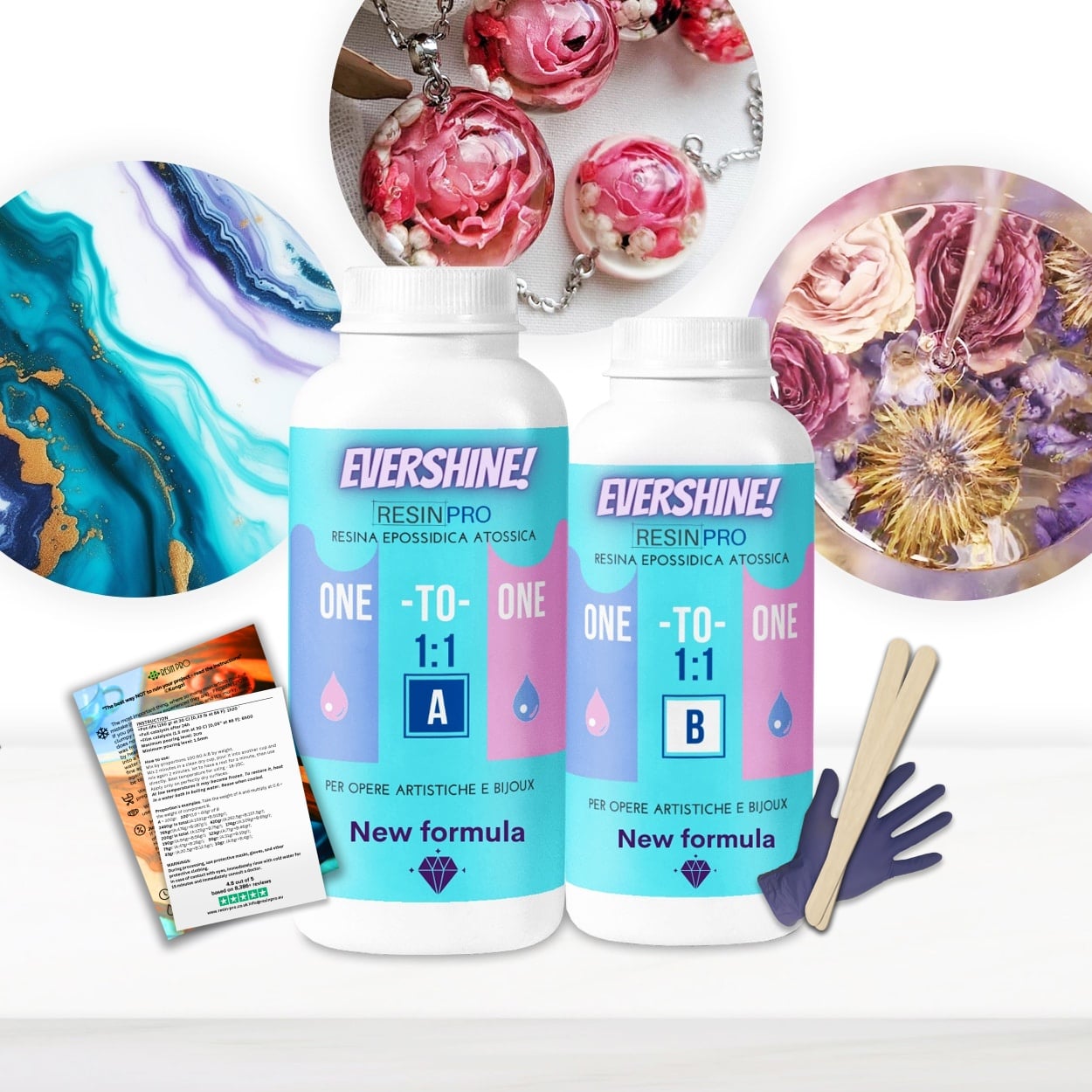 "One-2-One" – Epoxy Resin for Handcraft, 1:1 Mixing RatioPrice range: £15.95 through £59.95"One-2-One" epoxy resin offers a medium viscosity and easy 1:1 mixing suitable for various craft projects in a clear, gloss finish.
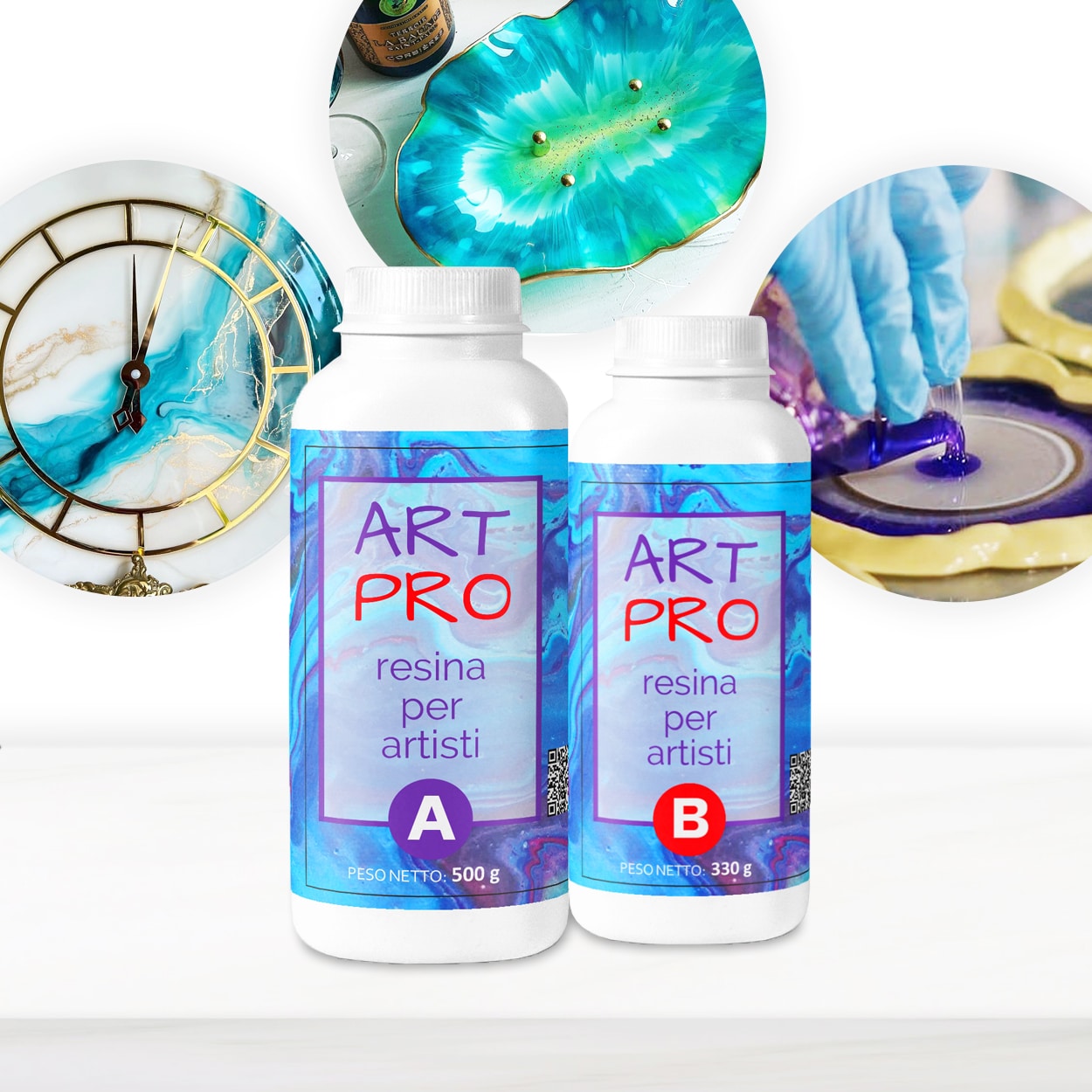 "Art Pro" – Clear Epoxy Resin for Artists and Surface CoatingPrice range: £19.95 through £267.95"Art Pro" clear epoxy resin offers a durable, high-gloss finish suitable for artists and crafters working with decorative surfaces.
Frequently Asked Questions
Which resin is best for making epoxy resin photo frames?
Select a clear, multipurpose casting resin suitable for layers up to 1.5–2cm, such as "Trasparente" for most frame projects.
How do I prevent epoxy resin photo frames from yellowing?
Choose resins with integrated UV filters and keep frames out of prolonged direct sunlight to maintain optical clarity.
How can I avoid bubbles in my resin photo frame?
Mix slowly, pour gently, and use a toothpick or isopropyl alcohol mist to pop any bubbles before curing.
Can I add colour or decorations to my epoxy photo frame?
Yes, mix in suitable resin pigments or add dried flowers or glitter to customise your frame before curing.
Is it safe to use epoxy resin for photo frames at home?
Yes if you follow safety instructions: wear gloves, ensure good ventilation, and keep away from food preparation areas.
What if my photo frame stays sticky after curing?
Sticky surfaces result from mis-measured or under-mixed resin. Allow more time, or consider recoating with a correct mix.
Do I need to seal my photograph before pouring resin?
Yes. Seal paper photos with a clear spray or laminate to prevent resin from causing ink smudges or fibre absorption.