 Free shipping on orders over £29,85
  Shipping Tracking!


 Google
 Facebook
How to make a raised resin floor?
Step-by-step guide to building new resin floors
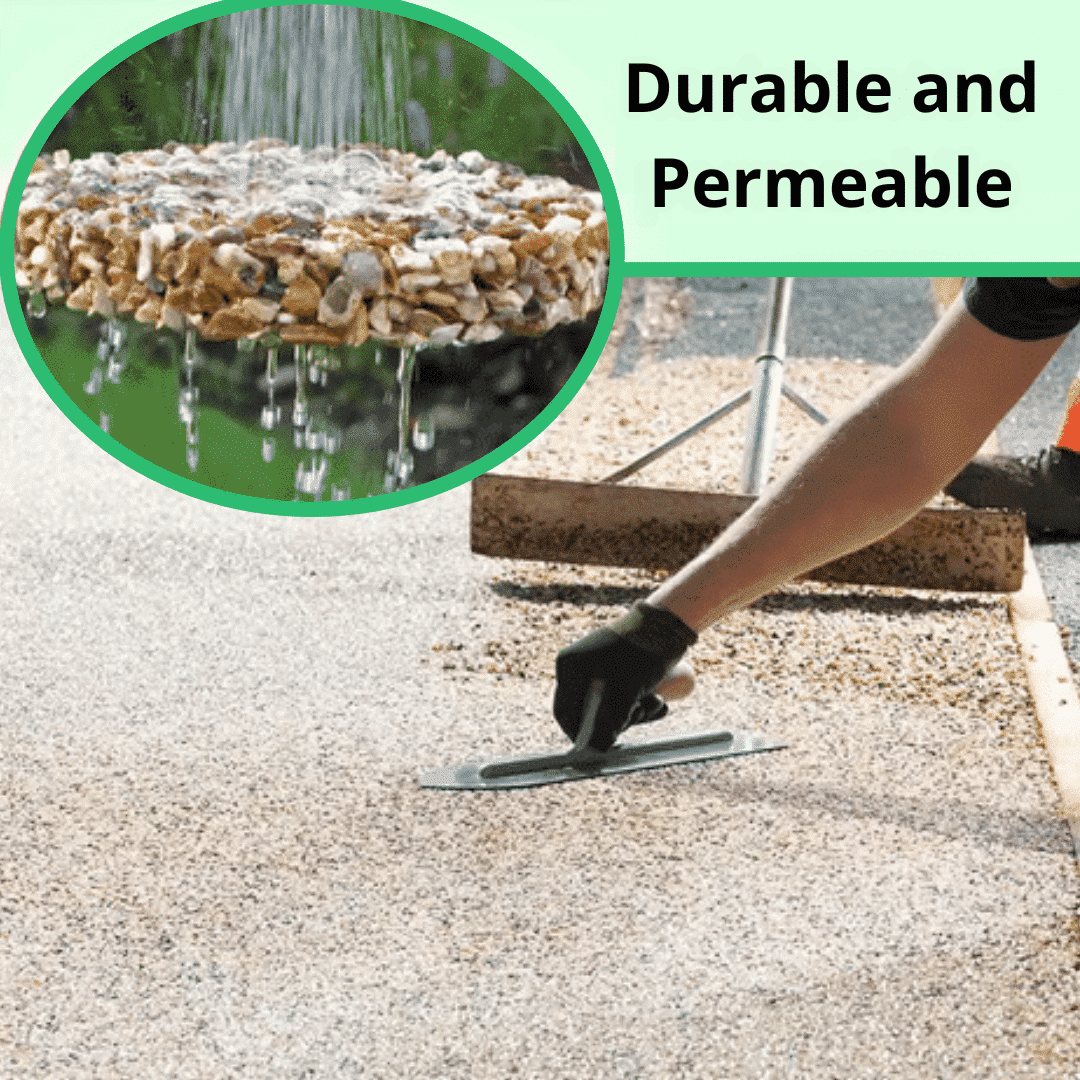
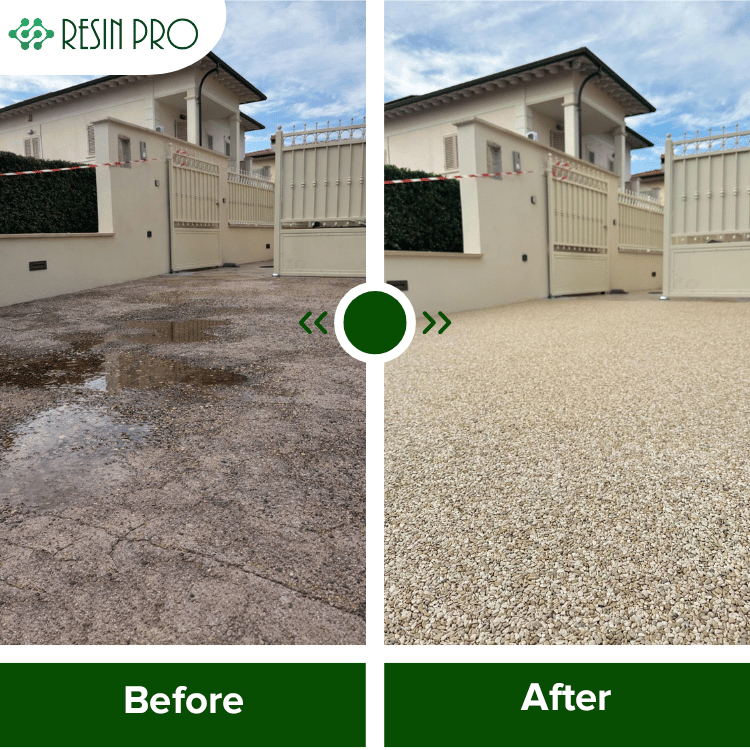
Creating a raised resin floor delivers a hardwearing, water-resistant, and seamless finish ideal for both indoor and outdoor environments. Whether you want to revitalise a worn surface or build a contemporary decorative floor, this guide walks you through each key phase—preparation, priming, resin mixing, and laying—for exceptional, professional-looking results that last.
What You’ll Need
- “Flowstone” – Complete Permeable Floor Kit with Pebbles and Resin: A comprehensive solution for decorative, permeable raised flooring outdoors.
- “Trasparente” – Epoxy Binder for Coloured Pebbles and Grits: Ideal for mixing coloured or dark pebbles to achieve a UV-stable, clear resin finish.
- “Resinstone” – One-Component Methacrylic Resin for Concrete Floors and Driveways: For sealing or stabilising the concrete substrate beneath your resin system.
- “Epoxyprimer” – Universal Water-Based Two-Component Epoxy Floor Primer: Ensures strong, lasting adhesion between base and resin layer.
- Appropriate aggregates/pebbles (as specified in your kit)
- Mixing bucket, trowel or float, gloves, protective eyewear
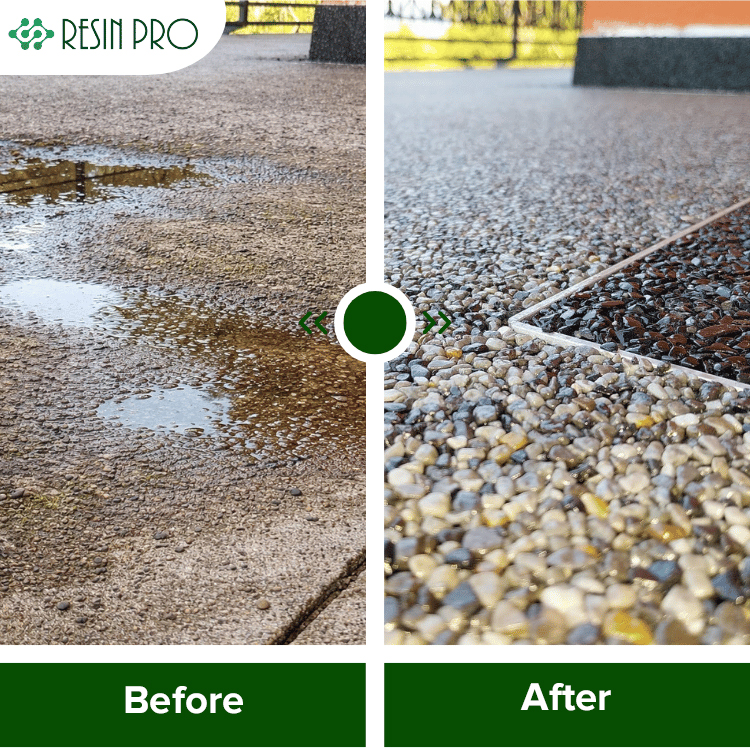
Visualising Floor Preparation and Priming
View images of clean, stable substrates and expertly primed surfaces. These illustrate why meticulous prep and priming are crucial for a seamless resin floor, whether indoors or out.
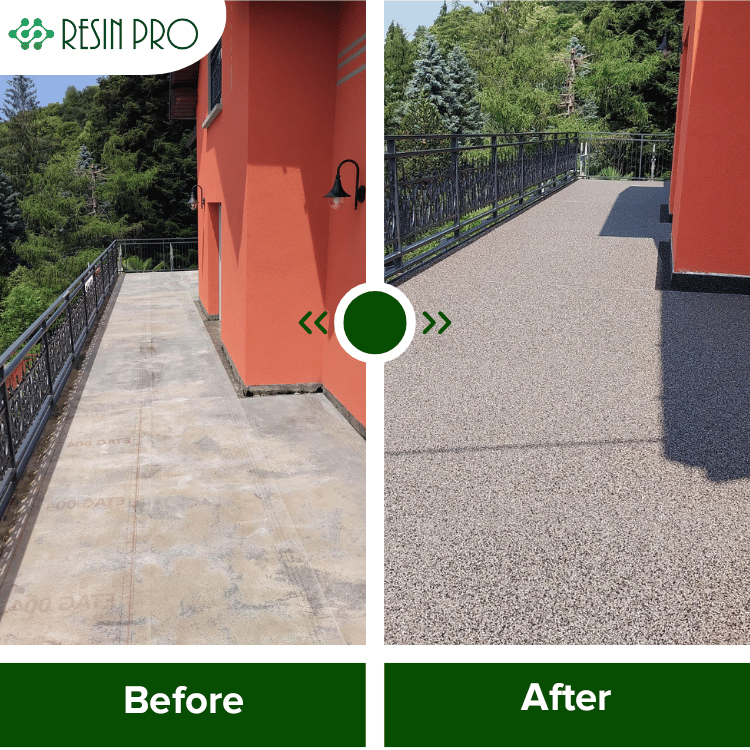
Step 1: Prepare the Substrate
Ensure a clean, dry, and stable substrate before you begin. For best results, sweep away loose debris and remove oils, grease, or flaking material. Any repairs to cracks or holes should completely cure before resin application. Both concrete and screeded surfaces are suitable bases, but if laying atop tiles or timber, confirm all surfaces are firmly fixed and level. Dampness or unstable foundations can lead to resin defects, so always check substrate moisture and readiness.
If extra protection or sealing is required, you can use “Resinstone” – One-Component Methacrylic Resin for Concrete Floors and Driveways to ensure your concrete is dry and resistant to moisture ingress.
Step 2: Prime the Surface
Priming creates a robust bond between your substrate and the resin layer above. Apply a dedicated primer evenly across the entire surface using a roller or brush, working it into every corner for full coverage. Prime the surface for reliable adhesion, allowing the primer to dry fully as specified (typically 24 to 48 hours). Avoid rushing this stage, as incomplete curing can result in delamination or peeling later.
For a wide range of substrates—concrete, timber, tiles, or screeds—“Epoxyprimer” – Universal Water-Based Two-Component Epoxy Floor Primer is an excellent choice to guarantee compatibility and lasting adhesion.
Step 3: Mix and Apply the Resin and Aggregate
Read the manufacturer’s instructions carefully for resin-to-aggregate ratios, mixing order, and open times. Pour the correct measured quantities of resin and hardener into a clean bucket, then add aggregates gradually, stirring continuously for an even, fully coated blend. Mix and apply your resin and aggregate blend quickly to avoid premature curing in the bucket.
Spread the mixture over the primed surface using a trowel or float, working methodically for an even finish and desired thickness. For permeable outdoor floors or driveways, an all-in-one kit such as “Flowstone” – Complete Permeable Floor Kit with Pebbles and Resin removes the guesswork on ratios and aggregate choices. Opt for “Trasparente” – Epoxy Binder for Coloured Pebbles and Grits when laying decorative, coloured stone surfaces requiring UV resistance. Take care to work within your resin’s pot life, ensuring a seamless, uniform layer before the mix begins to set.

Step 4: Curing and Finishing Touches
Allow the newly laid floor to cure under optimal conditions, avoiding temperature extremes and excess humidity. Most systems require at least 12–24 hours for initial set, with full chemical resistance achieved in up to 48 hours. Check curing conditions and avoid foot traffic too soon to prevent marking or unevenness. Once fully cured, sweep off any loose stones or surface dust for a clean, finished look. If applying outdoors, verify that rain is not expected during curing.
After your resin floor has set, inspect the surface for any soft spots or areas needing minor rework, adding additional resin mix as needed to touch up imperfections.

Tips, Common Mistakes, and Troubleshooting
Test substrate moisture and always address leaks or damp patches before starting. Uneven mixing can cause weak, patchy surfaces—stir thoroughly and add aggregates incrementally. Never shortcut primer drying times, as residual moisture can cause bubbling. For large areas, mix in small batches to prevent premature resin setting. Keep all tools and application areas clean to avoid contamination and ensure a flawless finish.
Reach out for product advice or technical support if you’re unsure about substrate suitability or curing conditions, especially in outdoor or challenging environments.
Application and Finishing Touches
See real-life examples of resin and aggregate being mixed and trowelled. Notice the even distribution and attractive, permeable finish that defines professional raised resin floors.
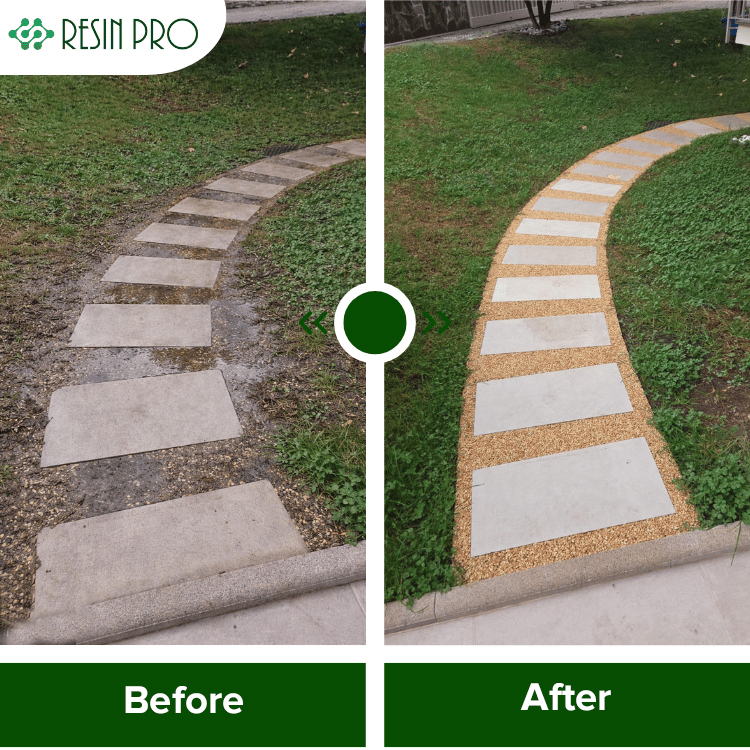
- "Flowstone" – Complete Permeable Floor Kit with Pebbles and ResinPrice range: £49.95 through £3,915.45Flowstone offers a durable, permeable pebble and resin floor kit for outdoor spaces, with guidance for resin choice depending on aggregate colour.
- "Trasparente" – Epoxy Binder for Coloured Pebbles and GritsPrice range: £33.45 through £397.95"Trasparente" epoxy binder is designed for coloured pebbles and grits, providing a clear, UV-resistant finish for permeable flooring projects.
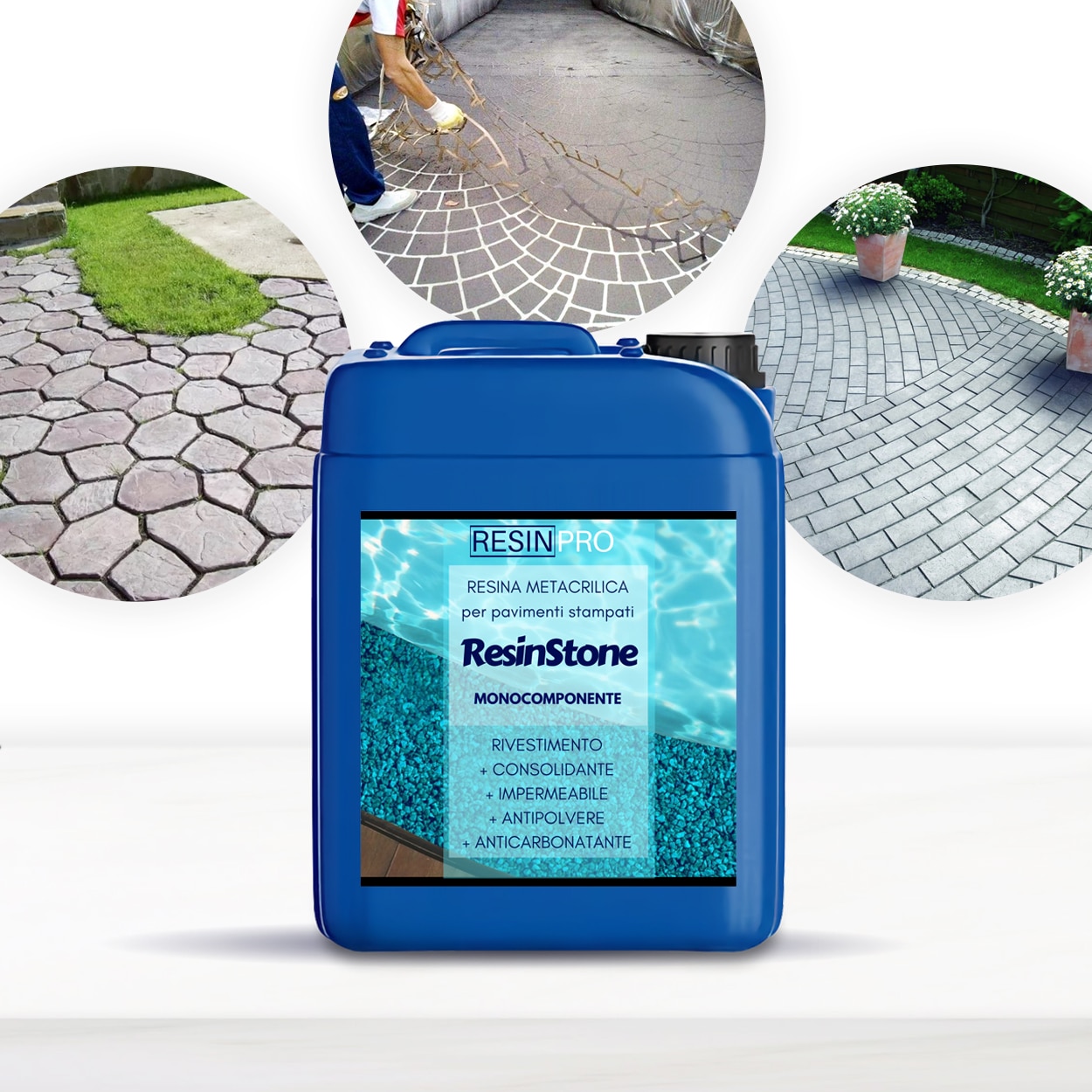 "Resinstone" – One-Component Methacrylic Resin for Concrete Floors and DrivewaysPrice range: £36.71 through £336.48"Resinstone" is a one-component methacrylic resin designed for durable protection and sealing of concrete floors and driveways.
 "Epoxyprimer" – Universal Water-Based Two-Component Epoxy Floor PrimerPrice range: £156.45 through £286.45"Epoxyprimer" is a water-based two-component epoxy floor primer suitable for various substrates in raised resin floor preparations.
Frequently Asked Questions
Can I make a raised resin floor myself?
Yes, with the correct preparation and products, most DIYers can successfully lay raised resin floors by following a systematic approach.
How long does a resin floor take to dry?
Curing typically takes 24–48 hours for full strength, but light foot traffic may be allowed after 10–12 hours depending on conditions.
Do I need to prime before applying a resin floor?
Priming is highly recommended for reliable adhesion, especially on concrete, screed, tiles, or timber substrates.
Can epoxy resins be used indoors and outdoors?
Yes, most systems are suitable for both, but outdoor use should prioritise UV-resistant products for lasting performance.
What if my substrate is uneven?
Level off major irregularities before starting, as resin will not hide large dips or humps—it requires a sound, even base.
Can raised resin floors be used for driveways?
Yes, many raised resin systems are engineered for driveways and heavy traffic, provided the appropriate resin-aggregate combination is chosen.
Are there substrate surfaces not suitable?
Avoid very smooth plastics, highly polished tiles, or unstable surfaces, as resin may not bond well, leading to failures.