 Free shipping on orders over £29,85
  Shipping Tracking!


 Google
 Facebook
How to make a resin floor at home
Step-by-step guide for durable, decorative home resin floors

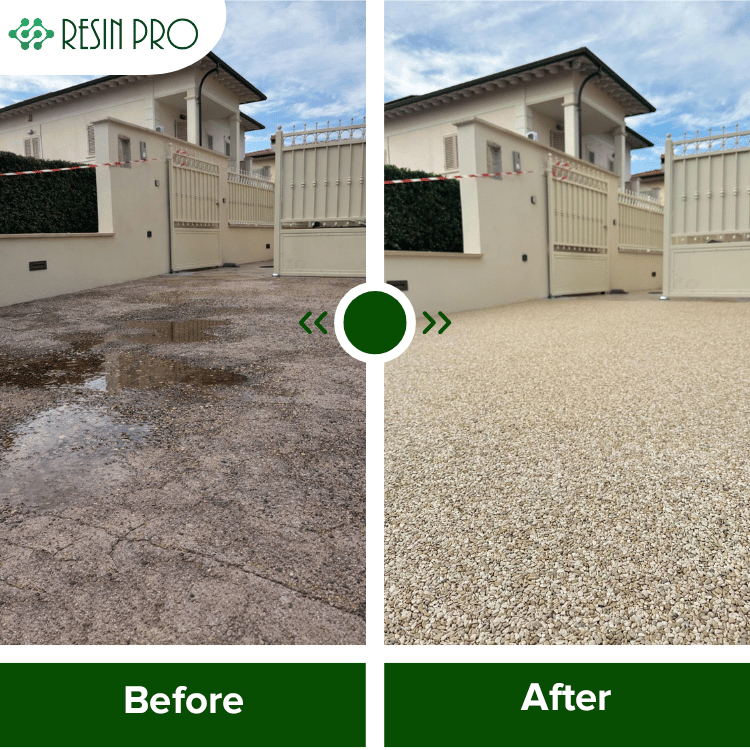
If you are looking to enhance your indoor or outdoor space with a contemporary, hardwearing, and stylish finish, making your own resin floor at home is both achievable and rewarding. Whether renovating a driveway, footpath, utility room, or garage, resin flooring offers durability, customisable design, and a seamless look that is ideal for modern living.
What You’ll Need
- “Epoxyprimer” – Universal Water-Based Two-Component Epoxy Floor Primer: Prepares concrete, screed, timber, or tiled bases for resin application.
- “Flowstone” – Complete Permeable Floor Kit with Pebbles and Resin: Contains all materials for decorative draining outdoor resin floors.
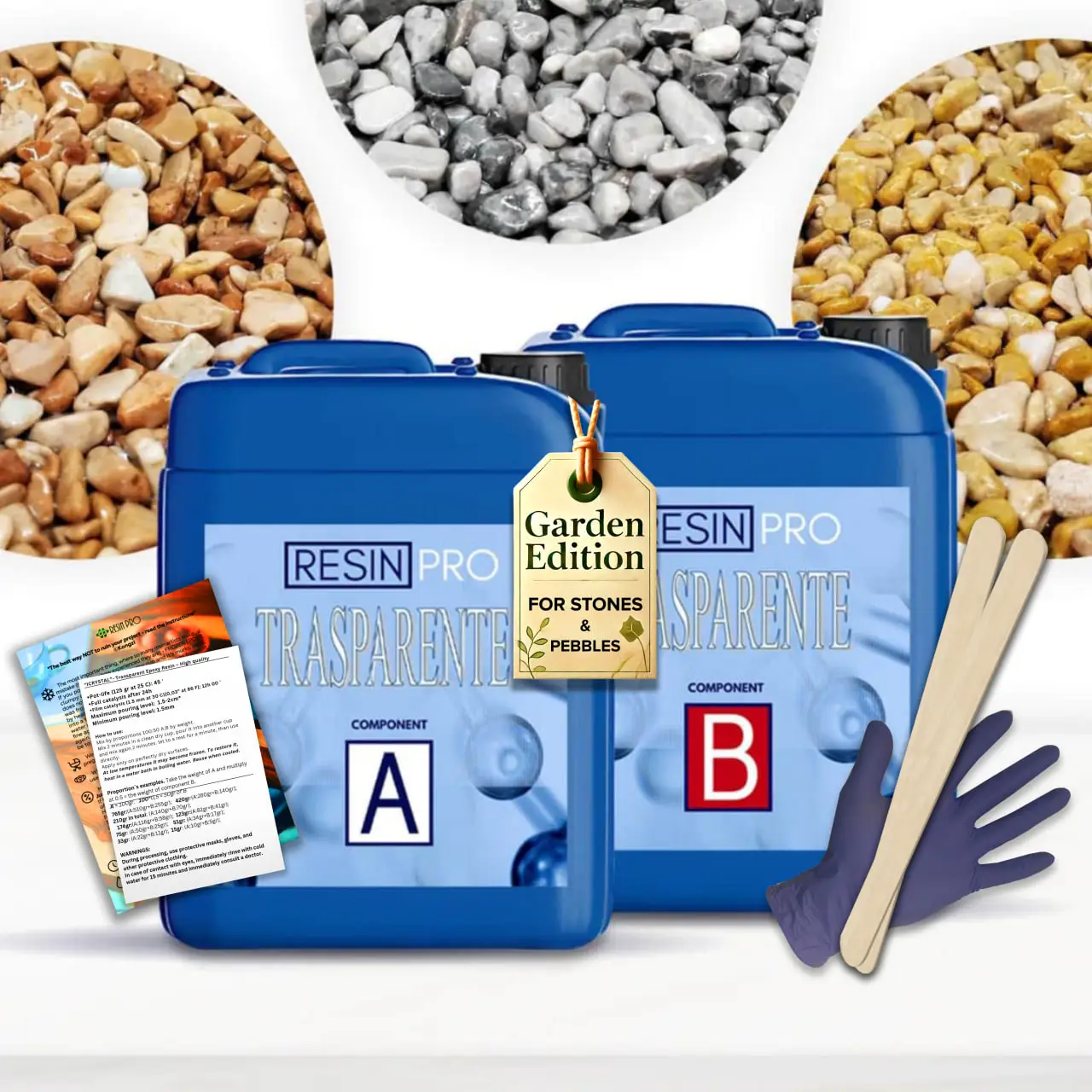
- “Trasparente” – Epoxy Binder for Coloured Pebbles and Grits: For mixing with coloured or dark aggregates for creative designs.
- “Glitter” – Rainbow Holographic Glitter: Optional, for a sparkling effect in feature areas or accent strips.
- Mixing tools, roller/brush, protective gloves, measuring equipment, and a trowel.
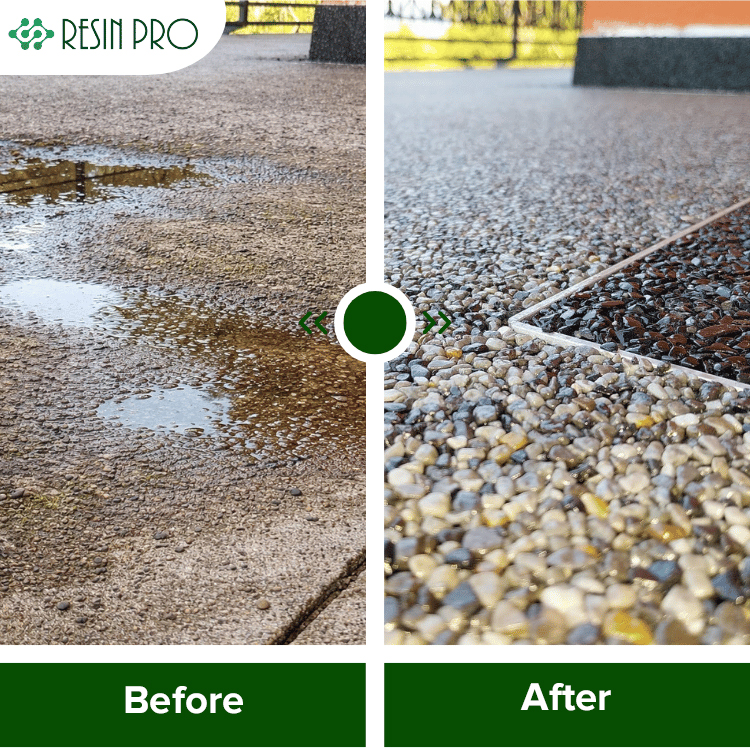
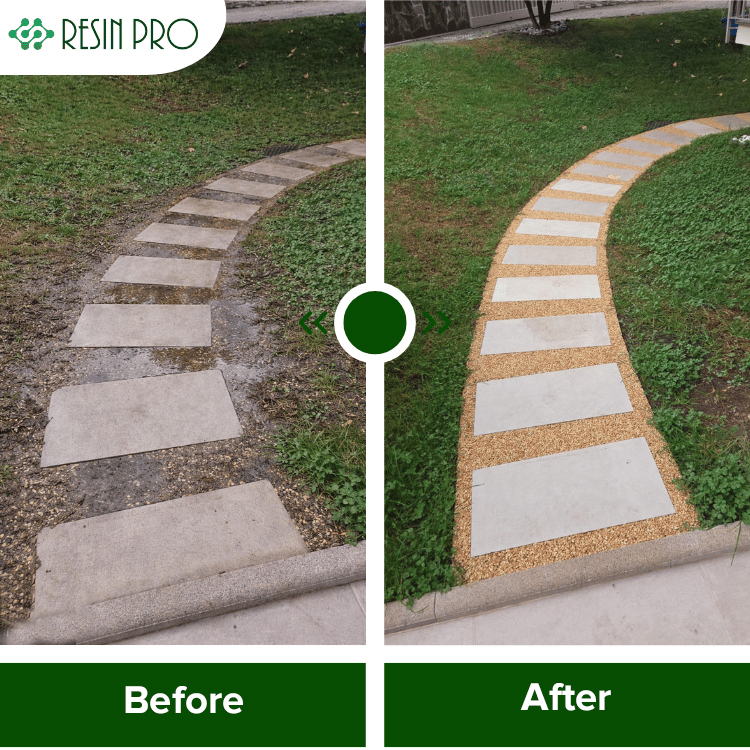
Visual Inspiration: Resin Floor Transformations
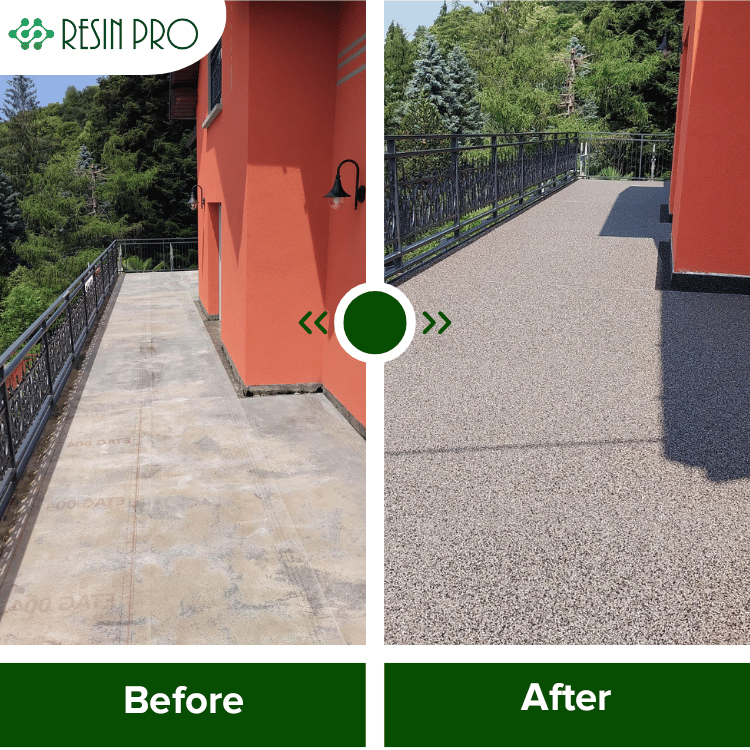
See examples of resin floor installations, including decorative pebble finishes and seamless epoxy surfaces that elevate both outdoor and indoor spaces in homes across the UK.
Step 1: Prepare the Surface
Thorough substrate preparation is the foundation for a successful resin floor. Start by cleaning the area, ensuring it is dry, free from dust, oil, or grease, and structurally sound. Any cracks should be filled and levelled, and loose material removed. For best results, use a vacuum or broom followed by a damp mop if inside.
For indoor jobs or over concrete/tiled bases, applying a high-quality primer such as “Epoxyprimer” – Universal Water-Based Two-Component Epoxy Floor Primer ensures excellent adhesion and long-term performance. Allow the primer to fully cure—typically 24–48 hours—before progressing to the next stage.
Ensure the substrate is clean and solid before application to avoid delamination or bubbles in your resin floor.
Step 2: Mixing the Resin and Aggregate
Measure out your chosen aggregate and matching resin system according to the surface area and finish required. Whether using the “Flowstone” – Complete Permeable Floor Kit with Pebbles and Resin or mixing your own blend with “Trasparente” – Epoxy Binder for Coloured Pebbles and Grits and coloured stones, always follow the resin-to-aggregate ratios provided in the kit instructions. Typically, mechanical mixing with a cement mixer or paddle on a drill delivers the most uniform results.
If you wish to add decorative touches, now is the time to blend in options like “Glitter” – Rainbow Holographic Glitter for creative highlights or feature banding.
Follow proper resin and aggregate ratios and mix until all stones are evenly coated with no dry patches.
Step 3: Laying and Levelling the Resin Floor
Pour the resin-stone mixture onto your primed surface, spreading with a trowel to a consistent thickness, usually between 12–18mm for outdoor pebble floors. Work systematically in sections, ensuring tight edges and even coverage for a smooth, seamless finish. Compaction with a roller or trowel helps reduce air pockets and achieves a levelled appearance.
If creating patterns or zones, install edge trims before pouring, and keep decorative additions such as glitter confined to feature strips as desired.
Be careful not to overwork the resin mixture as this can cause dragging or discolouration in the finish.

Step 4: Curing and Aftercare
Once laid, allow your resin floor to cure undisturbed—typically walkable after 10–24 hours depending on formulation, ambient temperature, and ventilation. Avoid letting the surface become wet during the first day. After full cure, lighter use is safe, but allow several days before parking vehicles (for outdoor driveways) or heavy loads.
For permeable/agricultural resin floors, test drainage by gently pouring water at the edge and observing the absorption.
Allow sufficient curing time before use to guarantee optimum hardness and lasting performance.
Tips, Common Mistakes, and Troubleshooting
Work in conditions between 10–25°C with moderate humidity to ensure reliable curing. Always measure ratios accurately and mix thoroughly to avoid incomplete curing and weak patches. If working with coloured aggregates, use recommended non-yellowing resins to preserve vibrant colour.
Common mistakes include insufficient substrate preparation, using inappropriate base materials, and poor weather timing. For indoor projects, work in well-ventilated conditions and clean up any spills promptly with suitable cleaning agents before the resin cures.
Application Process: Key Moments in DIY Resin Flooring
View step-by-step highlights of proper substrate preparation, aggregate mixing, pouring, and finishing to help visualise the process and avoid the most common pitfalls.
- "Flowstone" – Complete Permeable Floor Kit with Pebbles and ResinPrice range: £42.85 through £3,389.85The Flowstone kit offers a permeable pebble and resin floor solution with guidance for easy application suitable for home outdoor areas.
- "Trasparente" – Epoxy Binder for Coloured Pebbles and GritsPrice range: £31.85 through £948.85"Trasparente" transparent epoxy binder is designed to form clear, bubble-free finishes on coloured pebbles and grits for flooring projects.
 "Epoxyprimer" – Universal Water-Based Two-Component Epoxy Floor PrimerPrice range: £148.84 through £272.45"Epoxyprimer" is a water-based two-component primer designed for reliable adhesion and durable epoxy floor coatings.
 “Glitter” – Rainbow Holographic GlitterPrice range: £2.45 through £5.65Rainbow holographic glitter suitable for decorative items and accessories within a resin flooring theme.
Frequently Asked Questions
Is a primer necessary before applying a resin floor?
Yes, priming ensures better adhesion, reduces the risk of bubbles, and increases floor durability.
How long does it take for a resin floor to cure?
Most resin floors are walkable after 10–24 hours and achieve full strength in a few days.
Can I use resin flooring outdoors?
Yes, permeable resin floors are ideal for driveways, patios, and paths where good drainage is needed.
What is the best temperature for resin floor application?
Optimal application is between 10°C and 25°C with low humidity to ensure proper curing and finish.
Can I add glitter or colour to my resin floor?
Yes, decorative touches like glitter can be mixed into the resin or placed in feature areas for effect.
How should I clean and maintain a resin floor?
Sweep or mop regularly. Use mild detergents. Avoid harsh chemicals to preserve the finish.