 Free shipping on orders over £29,85
  Shipping Tracking!


 Google
 Facebook
how to make a resin floor
Creating a resin floor outdoors is an excellent choice for achieving seamless, attractive, and long-lasting ground surfaces. Whether for driveways, patios, or footpaths, a resin-bound floor offers superb drainage, resistance to weather, and countless customisation options. This guide covers the full method for making a resin floor using a stone and resin system, with practical tips for avoiding common issues and achieving a professional result.
Step-by-step methods for durable, water-draining resin floors

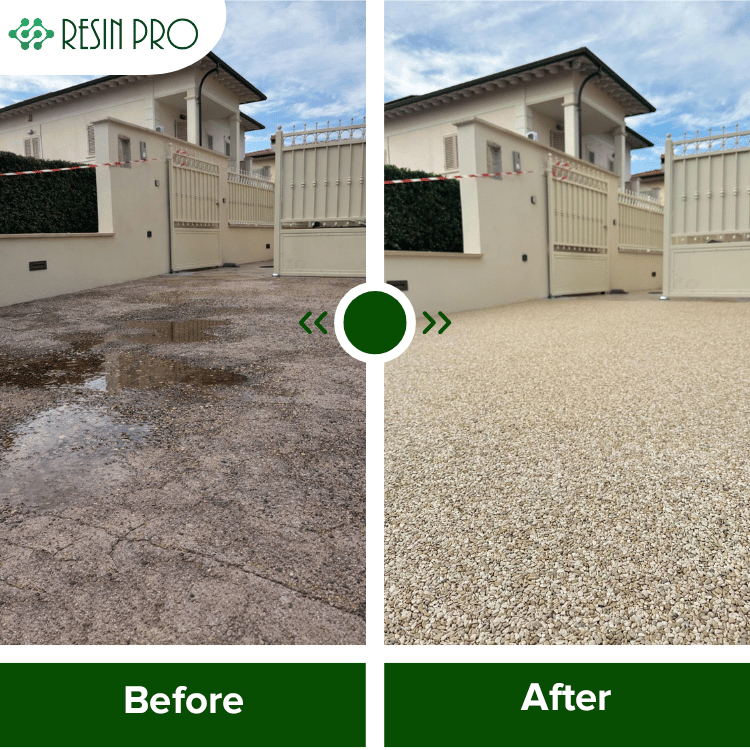
What You’ll Need
- “Flowstone” – Complete Permeable Floor Kit with Pebbles and Resin – Ideal for most outdoor projects, supplying everything required.
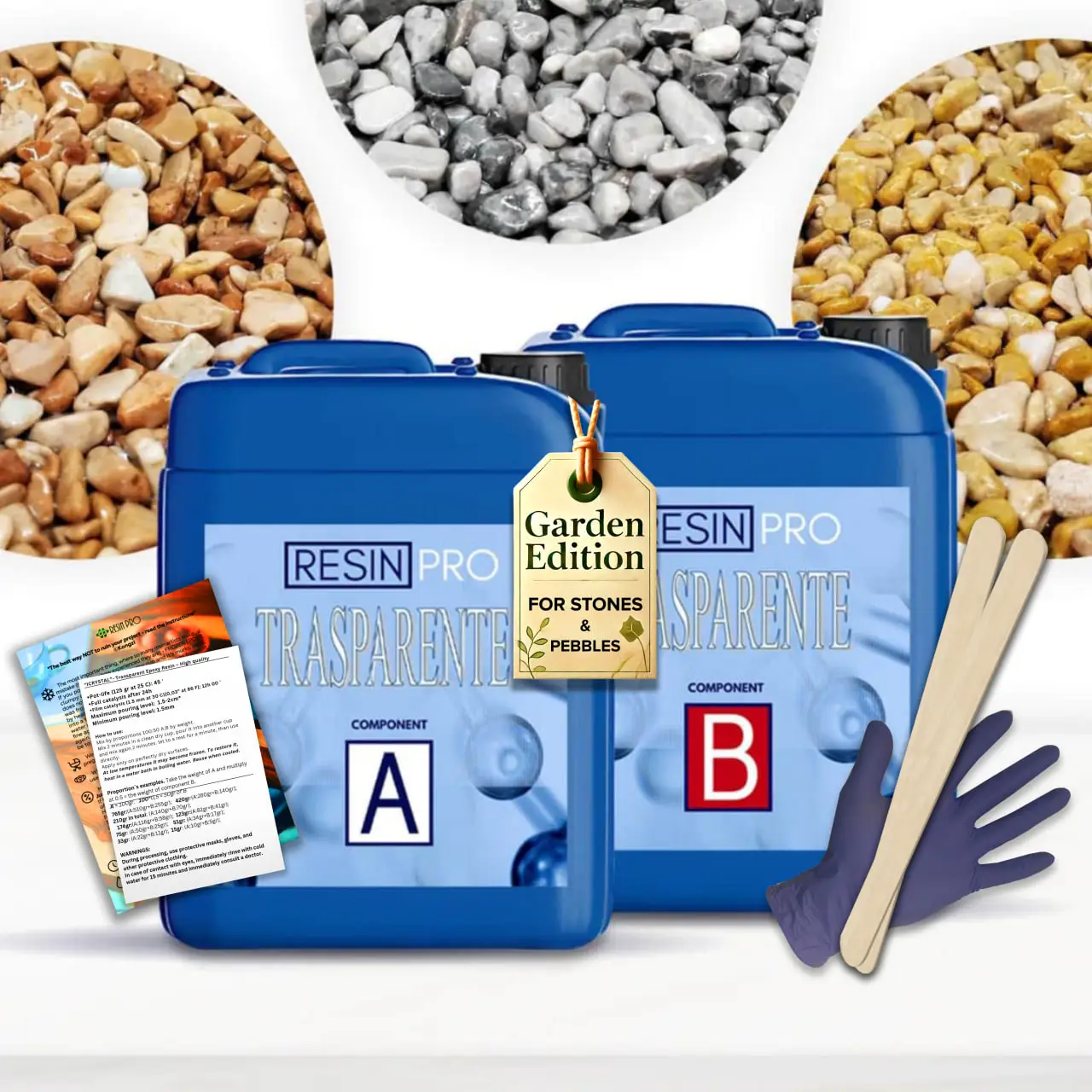
- “Trasparente” – Epoxy Binder for Coloured Pebbles and Grits – Best for coloured or dark aggregates, ensuring UV-stable clarity.
- “Polirock” – Polyurethane Binder for White Stones, 2kg Two-Component Kit – For binding white or light-toned stones without yellowing.
- Suitable natural aggregates (washed and dried, free from dust or organic matter)
- Mixing tools (paddle mixer or rotary drum mixer)
- Trowel or float for levelling
- Protective gloves and eye protection
- Clean buckets or containers for measuring
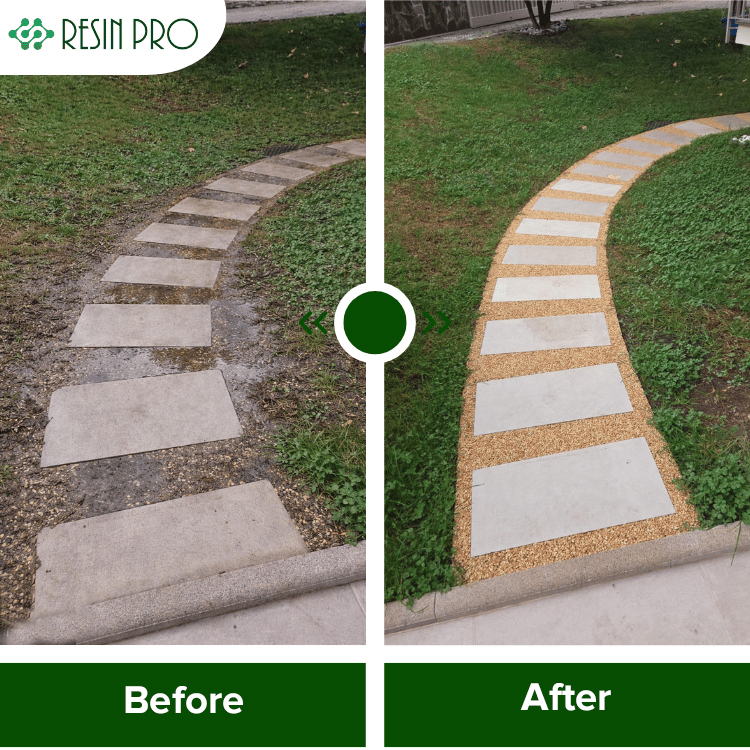
Explore completed outdoor resin floors, showcasing custom stone colours, seamless finishes, and real-world applications built to withstand the UK climate. Our gallery highlights the transformative effect resin stone systems can have on driveways and patios of every size.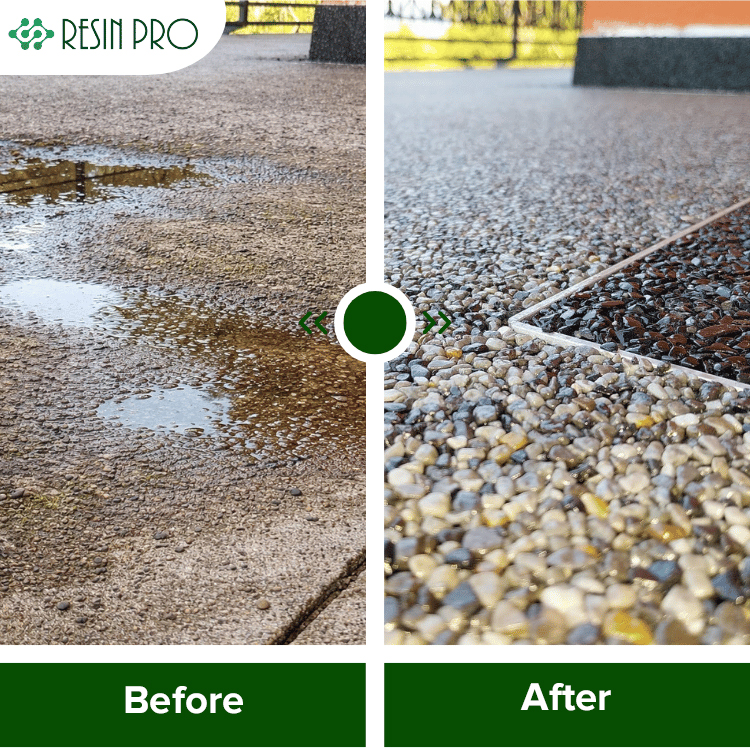
See Resin Floors in Action
Step 1: Prepare the Substrate
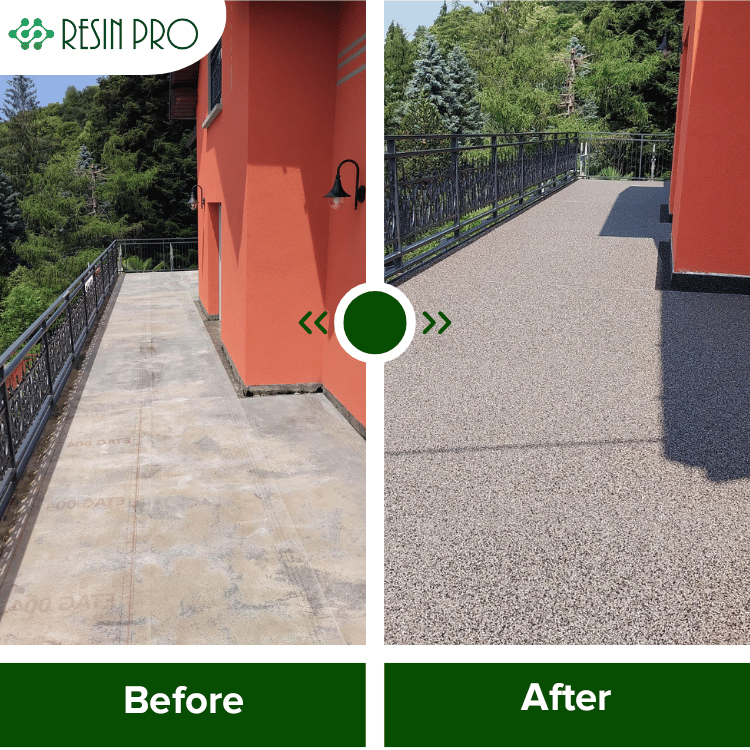
A solid base is crucial for a successful resin floor. Remove all loose material, weeds, grease, and dust from the surface you wish to cover. For driveways and heavily used paths, ensure the substrate is structurally sound, flat, and well-compacted. A concrete or tarmac base is ideal, but compacted MOT type 1 works too for footpaths and patios. Allow the prepared surface to fully dry before starting– excess moisture can affect resin curing. Avoid applying resin-bound surfaces when rain is expected or in temperatures below 8°C.
Step 2: Mix the Stones and Resin Binder
Accurate mixing ensures both durability and visual appeal. Measure the selected aggregate and resin binder as per the manufacturer’s instructions. For example, with coloured stones, the “Trasparente” – Epoxy Binder for Coloured Pebbles and Grits offers a crystal-clear bond for a decorative finish. For white aggregates, use the “Polirock” – Polyurethane Binder for White Stones to prevent yellowing.
In a clean mixer, add the aggregate followed by the mixed resin components. Mix stones and resin thoroughly until every grain is fully coated. Scrape the sides of your container to ensure no pockets of unmixed resin remain. Insufficient mixing may lead to weak spots or reduced drainage.
Step 3: Apply and Finish the Resin Floor
Pour the resin-stone mixture onto the prepared area and spread evenly using a trowel or float. Apply the mixture evenly in layers between 1.5 to 2.5 cm thick, depending on expected foot or vehicle traffic. Work methodically to ensure a continuous, joint-free appearance. Pay attention to edge detail and use masking tape or battens to create sharp lines where needed.
Compress and smooth the surface with your float, occasionally cleaning it with solvent (as directed by the manufacturer) to prevent sticking. For larger projects, a team approach will ensure the mixture doesn’t begin to cure in the bucket before use.

Step 4: Curing and Aftercare
Allow the new resin floor to cure undisturbed for the full period stated by your product’s datasheet (typically 24–48 hours for initial hardening). Shield the area from rain, footfall, or debris during this time. Avoid premature use; heavy-weight traffic too soon can damage the finish. Once cured, use a gentle broom or blower to keep the surface clear of leaves and dirt, preserving permeability. Periodic rinsing with plain water will help maintain its fresh look.
Tips and Troubleshooting for Resin Floors
Careful preparation leads to the best outcome. Work in small sections and clean tools immediately after use to prevent the resin from hardening on them. Always use the correct binder for your chosen stone colour to avoid yellowing or a cloudy finish. If weather conditions change or the floor appears patchy, stop application and assess moisture levels or mixing consistency. If in doubt, refer to your kit’s step-by-step guide, or contact our technical support for advice.
Regularly sweep or rinse your resin surface to keep the drainage channels clear. Address any stains quickly using plain water or mild detergent—never harsh solvents. Inspect annually for cracks or loose areas, especially in high-traffic zones, to ensure ongoing durability.Maintaining a Resin-Bound Floor
- "Flowstone" – Complete Permeable Floor Kit with Pebbles and ResinPrice range: £42.85 through £3,389.85The Flowstone kit provides a step-by-step guide for an easy application of durable, permeable pebbles and resin flooring suitable for outdoor…
- "Trasparente" – Epoxy Binder for Coloured Pebbles and GritsPrice range: £31.85 through £948.85Transparent epoxy binder designed for coloured pebbles and grits, providing a clear, bubble-free finish with UV stability for resin floors.
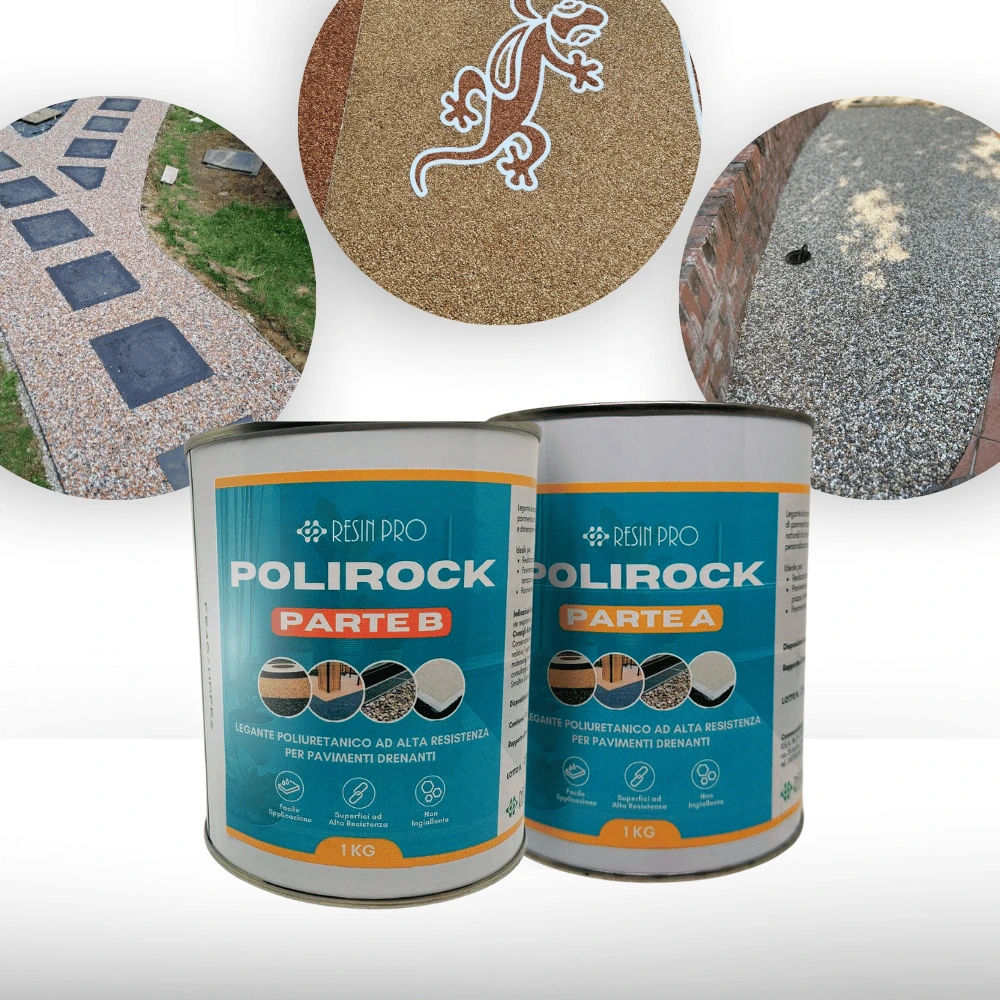 "Polirock" – Polyurethane Binder for White Stones, 2kg Two-Component Kit£58.85Two-component polyurethane binder suitable for creating durable, clear, outdoor decorative stone surfaces.
Yes, resin stone systems are ideal for outdoor driveways and footpaths where durability and drainage are required. Use a polyurethane binder for white stones to avoid yellowing and an epoxy binder for coloured or dark aggregates. With the correct binder for your aggregate, your floor resists yellowing and remains visually appealing for years. Maintenance involves sweeping or rinsing routinely and checking annually for any loose stones or cracks. Most outdoor resin floors cure enough for foot traffic in 24–48 hours, but full strength may require up to 7 days. Rain during application can cause surface defects and poor bonding, so always check the forecast and work in dry weather.Frequently Asked Questions
Is a resin floor suitable for driveways and paths?
Which resin binder should I use for white or coloured stones?
Will my outdoor resin floor turn yellow?
How do I maintain my resin floor?
How long does a resin floor take to cure?
What if it rains during resin installation?