 Free shipping on orders over £29,85
  Shipping Tracking!


 Google
 Facebook
How to make masks with resin?
Step-by-step guide for crafting custom resin masks safely

Creating masks with resin allows artists, cosplayers, and crafters to produce professional-quality, custom designs with durable finishes and impressive detail. Whether you are aiming for theatrical props, cosplay, or decorative art, following the right process ensures your results are both striking and safe to wear. This guide walks you through every step of mask creation using resin, from preparing your workspace to finishing the final piece.
What You’ll Need
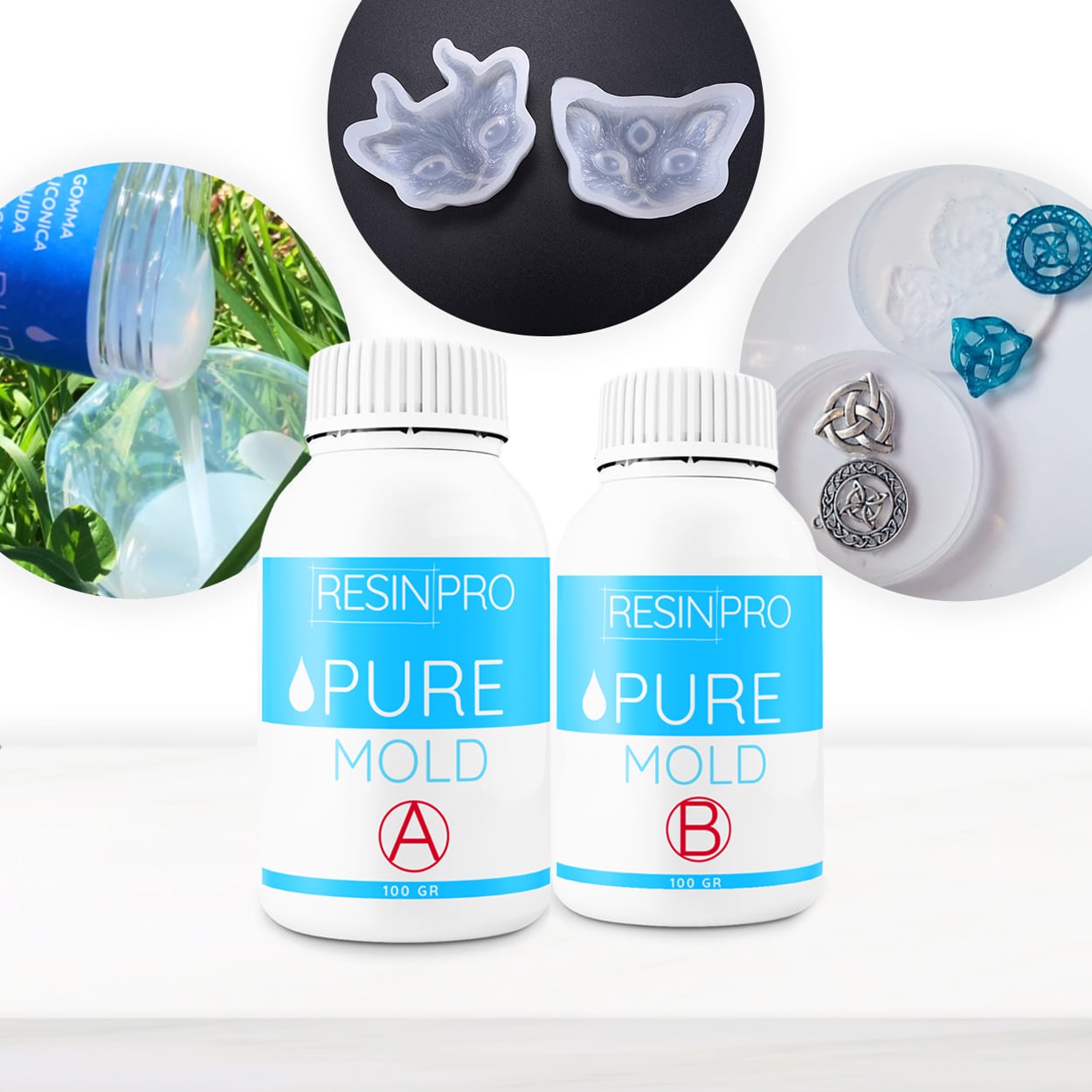
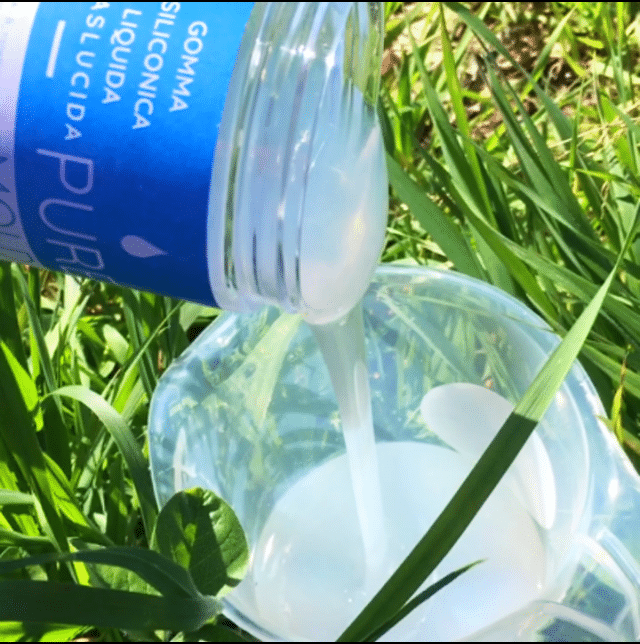
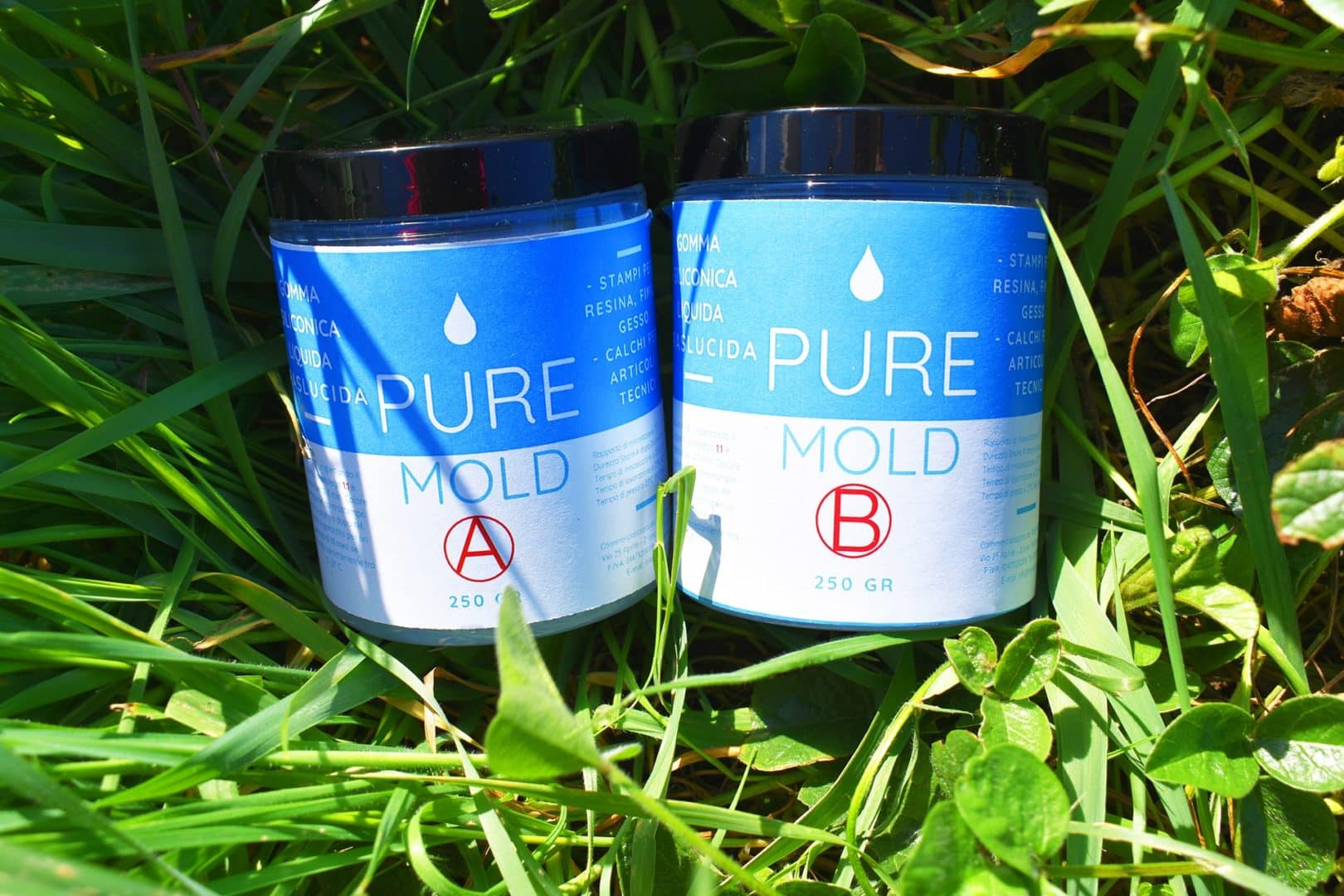
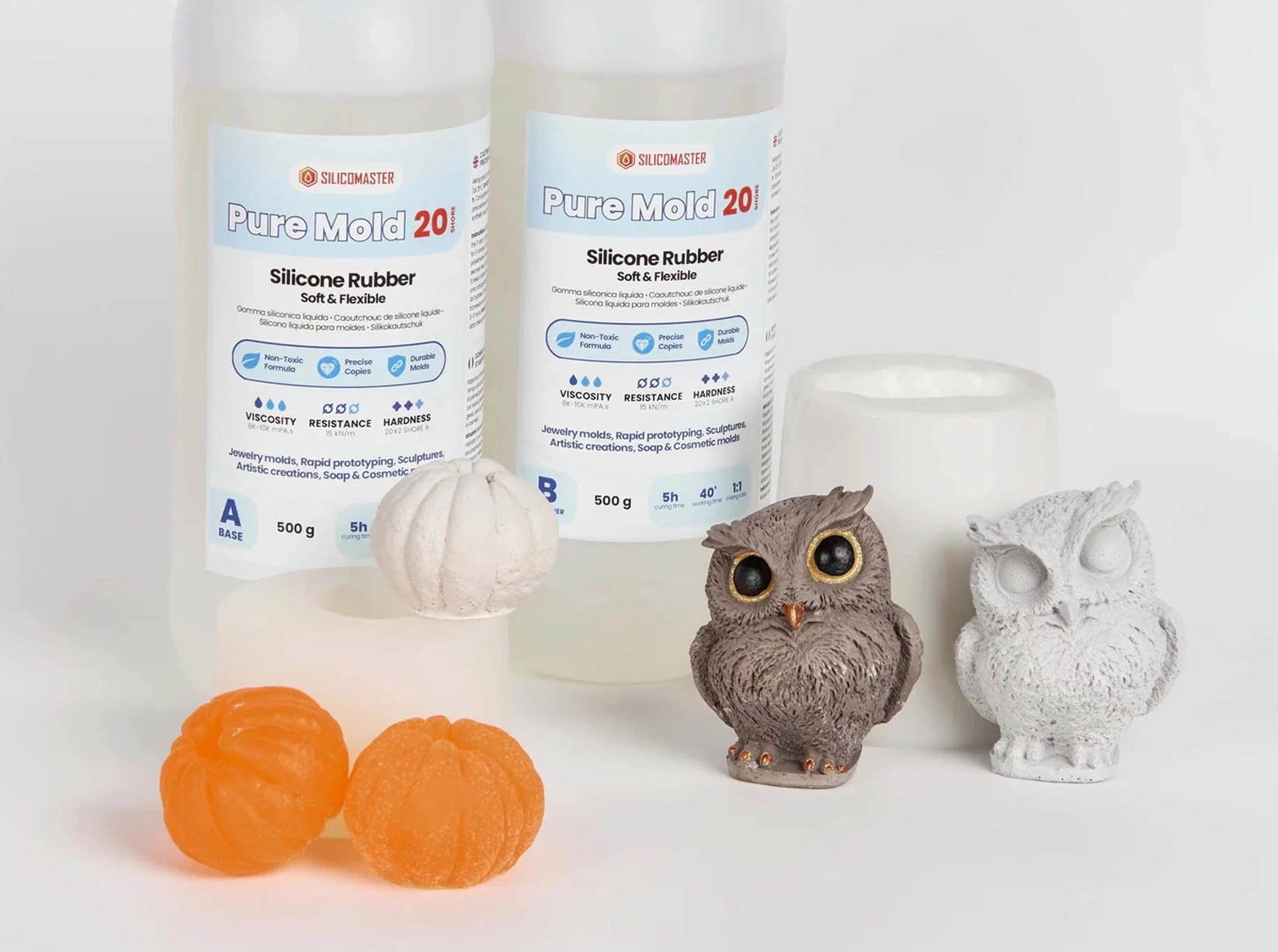
- “Pure Mould” – Translucent Liquid Silicone Rubber for Mould Making: A translucent, platinum based liquid silicone rubber designed for creating detailed moulds with compatibility for resins, plaster and cement.
- “Climax” Mask with “ABEK” Filters for Resins – Certified Protective Respirator: A certified protective respirator designed for use during epoxy resin and chemical projects.
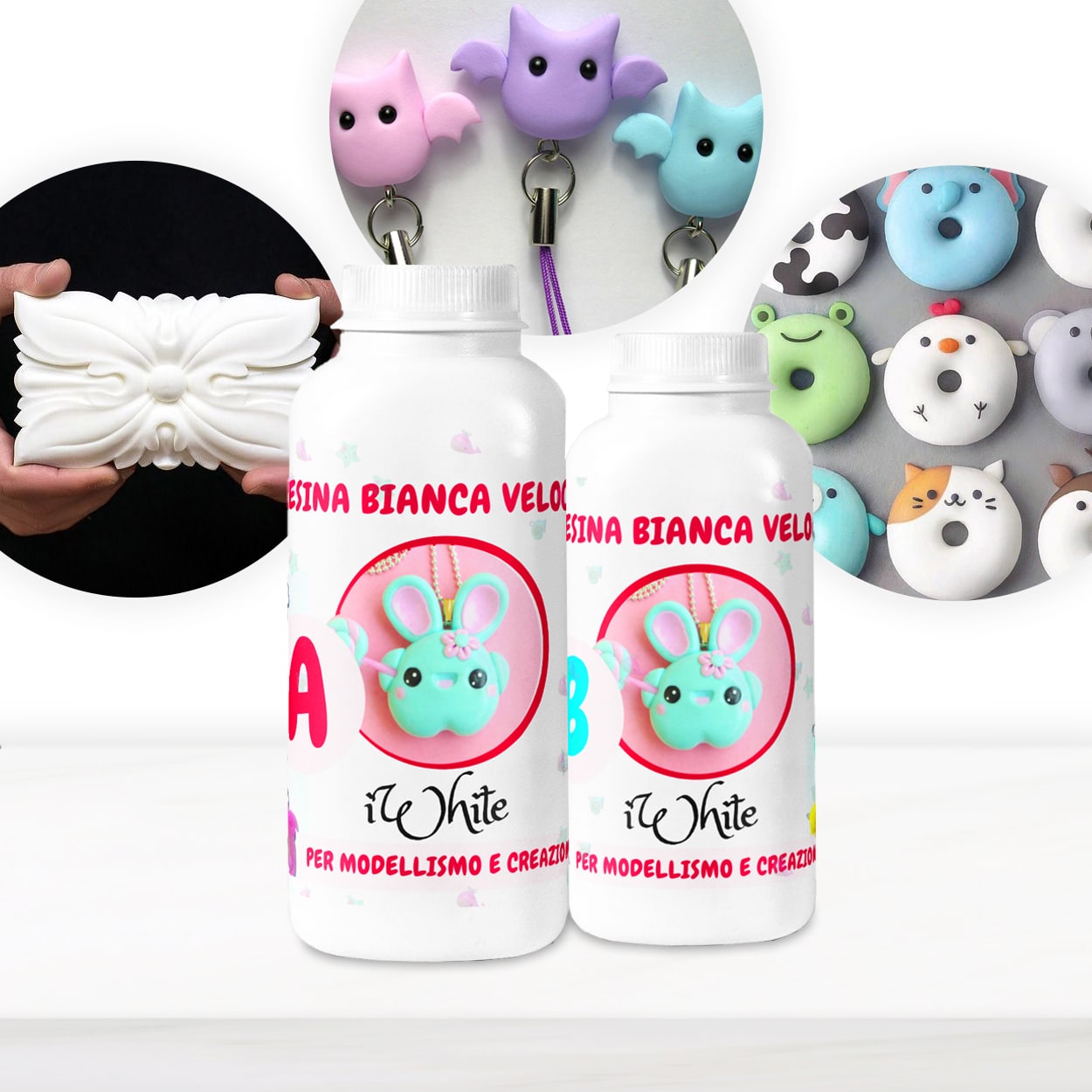
- “IWhite” – Polyurethane Casting Resin – White, Fast-Curing Two-Part System: A fast-curing polyurethane resin suited for rapid prototyping and detailed casting projects.
- “Abek Climax” – Mask Filters for 755/756/732-A1 – Epoxy Resin Use, Set of 2: Filters designed for specific mask models to provide filtration against organic gases and vapours during resin work.
- Mixing containers, stirring sticks
- Gloves, apron, and other appropriate PPE
- Release agent (if required)
- Paints or finishes, if decorating
Essential Tools and Materials for Successful Resin Mask Making
Gather all necessary mould-making and casting materials before you begin. Preparation ensures a smoother, safer workflow, and allows you to focus on crafting rather than searching for items mid-process. Invest in quality silicone rubbers, precise resins, and certified protective equipment to support excellent results and improved safety for every project.
Step 1: Design and Create the Mould
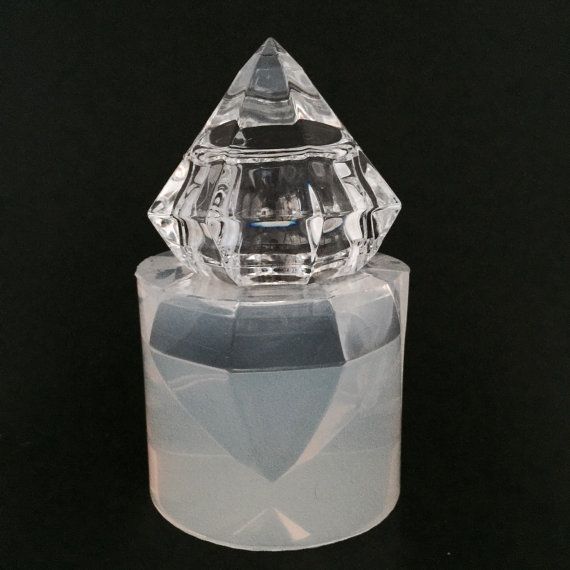
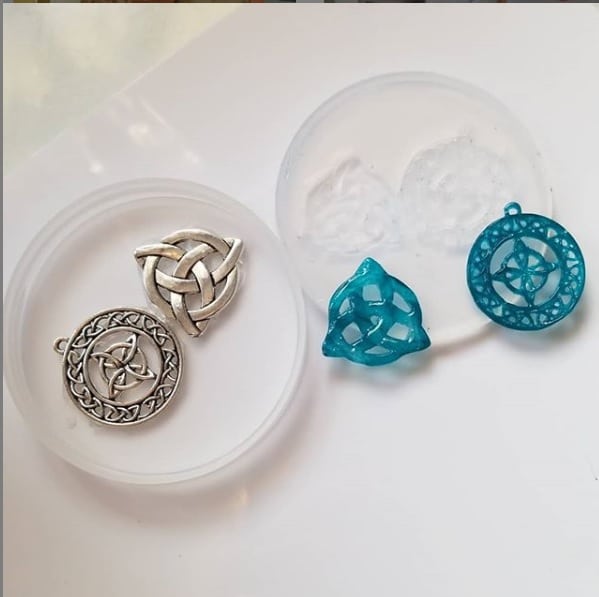
Begin by determining the desired size, shape, and style of your mask. Sculpt your original model from clay or another easily shaped medium. Once satisfied, you will need to create a negative mould that can hold resin accurately and securely. Using a high-resolution and detail-retaining silicone mould is key to capturing every feature of your design.
For complex or multi-part masks, ensure all design elements can be cast and released without distortion. Consider where seams and vents will be placed to aid in both mould-making and demoulding. Carefully mix and pour the silicone around your sculpt, following the manufacturer’s instructions for a proper set and optimal clarity. The “Pure Mould” – Translucent Liquid Silicone Rubber for Mould Making is ideal for this stage, offering clarity and flexibility for precise and reusable mask moulds.
Step 2: Prepare Your Workspace and Ensure Protection
Mask making with resin requires a clean, organised, and well-ventilated environment. Protect all surfaces and ensure you have dedicated mixing zones separated from where you handle finished objects. Always work in a well-ventilated area and use proper personal protective equipment at all times. This includes gloves, an apron, and especially respiratory protection.
Before starting with resin, fit your face mask to ensure a tight seal, and check filters. The “Climax” Mask with “ABEK” Filters for Resins – Certified Protective Respirator is recommended to help protect you from organic and inorganic vapours present during casting. Make sure your filters are suitable and properly fitted, replacing them as indicated for your level of use (see also the “Abek Climax” – Mask Filters for 755/756/732-A1 – Epoxy Resin Use, Set of 2 if necessary).
Step 3: Mix and Pour the Resin
Carefully read your resin’s technical sheet and prepare only as much as you need, respecting the correct ratios for both components if you are using a two-part system. To create a mask with minimal air bubbles and the best detail, pour into one corner or edge of the mould and let the resin rise to fill the cavity.
Use a resin specifically designed for casting, such as the “IWhite” – Polyurethane Casting Resin – White, Fast-Curing Two-Part System. Its low viscosity helps faithfully capture surface detail and reduces the risk of trapped bubbles. Gently tapping the mould can further encourage bubbles to rise and avoid defects.
Follow the recommended curing time precisely, ensuring the mask is left entirely undisturbed as it sets. Temperature and humidity can affect results, so maintain a consistent workspace climate for the best finish.


Step 4: Demould and Finish Your Mask
Once fully cured, you can gently remove the mask from the mould. Take your time during demoulding to avoid cracks or surface tearing—careful peeling and support of delicate sections is important.
Inspect the mask for any imperfections. If desired, sand rough areas gently or trim excess material with precision tools. If you plan to decorate your mask, be sure to allow it to cure completely before painting or applying additional finishes. Polyurethane resin castings are suitable for painting with acrylics if you want custom colour or detail on your finished piece.
Tips, Common Pitfalls, and Troubleshooting
Use high-quality, detailed moulds to ensure crisp mask features and avoid deformation. Wear appropriate personal protective equipment throughout the process, especially when mixing and pouring resins.
Strictly follow all mix ratios and curing times for both the silicone rubber and the resin. Inaccurate measurements or rushing the cure can lead to soft, sticky, or brittle masks. Avoid using unapproved materials—only select resins and silicones known to be safe for mask creation and skin contact if the mask will be worn. Lastly, always allow ample time for both mould and casting to cure before use or decoration, to prevent warping or incomplete hardening.
Crafting Confidence: Finish With Quality and Safety in Mind
High standards in finishing and safety pay off with every mask you create. Take pride in your technique and follow each safety measure meticulously. The effort you invest in careful preparation and patient finishing not only yields visually impressive masks but also fosters confidence for future, more ambitious projects.
- "Pure Mould" – Translucent Liquid Silicone Rubber for Mould MakingPrice range: £23.95 through £166.95"Pure Mould" is a translucent, fast casting liquid silicone rubber suitable for mould making compatible with many materials.
- "Climax" Mask with "ABEK" Filters for Resins – Certified Protective RespiratorOriginal price was: £41.95.£31.45Current price is: £31.45.The "Climax" mask with ABEK filters provides protection against vapours for resin projects, suitable for professionals and hobbyists.
- “IWhite” – Polyurethane Casting Resin – White, Fast-Curing Two-Part SystemPrice range: £24.00 through £36.95IWHITE White Polyurethane Casting Resin offers fast curing and fine detail capture suitable for rapid prototyping and detailed moulding projects.
 "Abek Climax" – Mask Filters for 755/756/732-A1 – Epoxy Resin Use, Set of 2£16.45Mask filters designed for use with epoxy resin and specific mask models, suitable for various resin art projects.
Frequently Asked Questions
What safety steps should I follow when making resin masks?
Always wear gloves and a certified respirator, work in a ventilated area, and avoid skin or eye contact with uncured resin materials.
Which resin is best for making detailed masks?
Polyurethane casting resin is ideal for intricate details and fast curing, ensuring accurate and repeatable results.
How do I remove the cured mask from the mould without damage?
Gently flex and peel the mould rather than pulling forcefully. Using a release agent can also make the process easier.
How do I paint or finish a resin mask?
After full cure, lightly sand the surface then paint with acrylics or apply desired finishes. Ensure the mask is clean and dry first.
What kind of mould should I use for resin masks?
Use high-quality silicone moulds designed for detail retention and reusability, as they allow sharp features and smooth demoulding.
How do I prevent bubbles in my resin cast mask?
Mix resin slowly to avoid trapping air, pour gently, and tap the mould lightly to help bubbles rise and escape.