 Free shipping on orders over £29,85
  Shipping Tracking!


 Google
 Facebook
← Back to How do you make a resin mask?
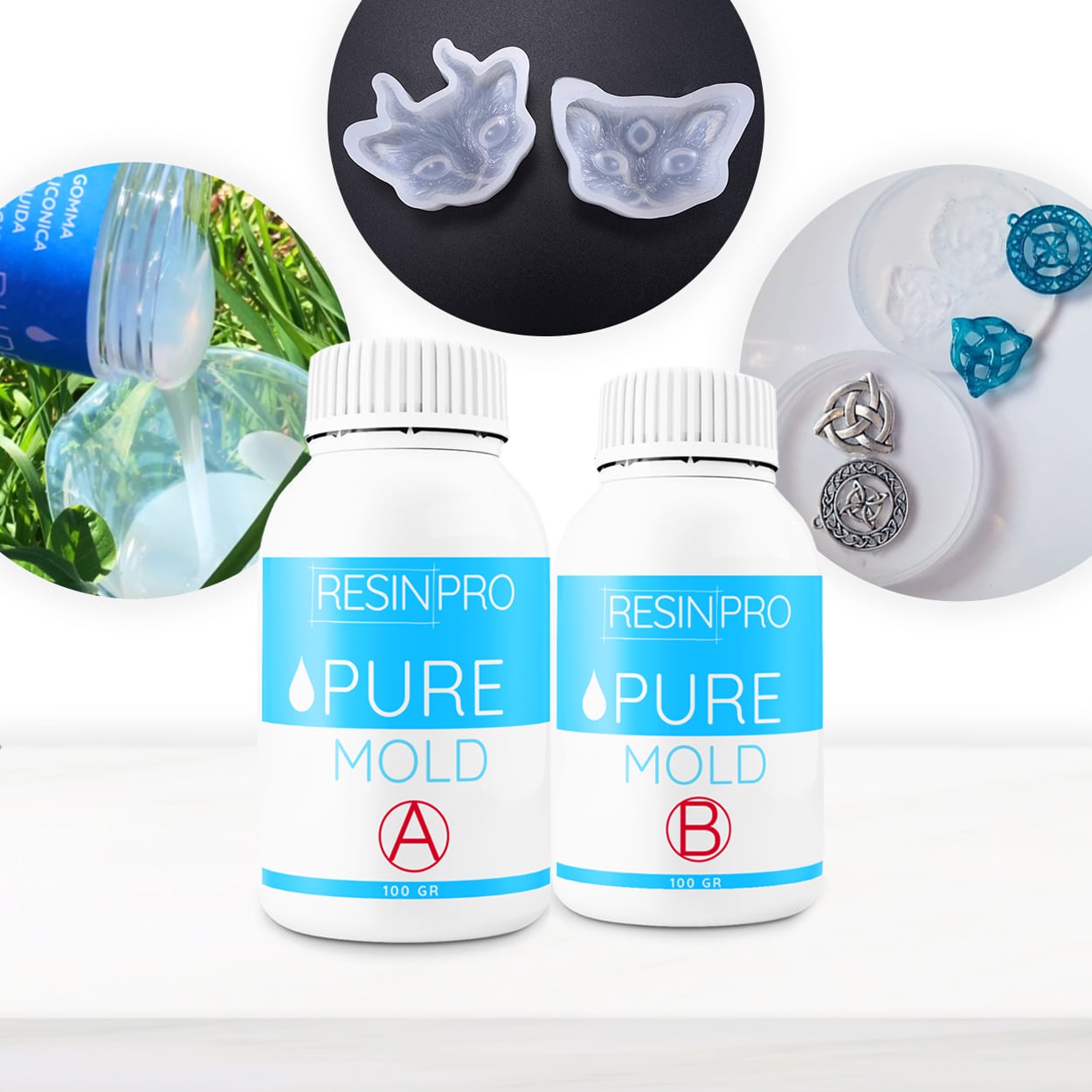
Achieving lifelike, crisp details in your resin mask starts with selecting the right mould material. Not all products are equal—some are made to highlight every feature.
What to Look for in a Mould Material
To accurately capture sculpted features, you need a mould compound that is both flexible and robust. Silicone rubber stands out due to its ability to reproduce fine surface textures and its resistance to tearing, enabling detailed work and multiple casts. Make sure to check for an easy mixing ratio and fast curing properties to streamline your process. A translucent formula, such as the Pure Mould silicone rubber, makes it easier to verify coverage and spot air bubbles before the resin is poured.
Practical Steps for Detailed Moulds
- Preparation: Ensure the original model is clean and free of loose debris.
- Mixing: Follow the recommended ratio—many professional silicones use a simple 1:1 mix to avoid errors.
- Pouring: Pour gently and in one spot, letting the silicone flow and envelop the model for optimal detail transfer.
- Curing: Select a product with a reasonable curing time, ideally a few hours, to maintain sharp mould edges without rushing the process.
When This Matters Most
If your mask design includes high-relief elements like wrinkles or ornamental details, investing in high-quality mould material is crucial. Professionals and hobbyists alike benefit from a silicone that maintains its properties through multiple uses and doesn’t deform, ensuring each cast is as precise as the first.
Related products
Related guides
Choosing the right materials is the foundation of making exceptional resin masks. To learn more about the complete mask-making process, return to our main guide on how to make a resin mask.