 Free shipping on orders over £29,85
  Shipping Tracking!


 Google
 Facebook
How to paint floors with resin?
Step-by-step guide for stunning, protected resin floor finishes
Transforming your floors with resin can create a seamless, hard-wearing, and beautifully glossy finish that not only elevates interior spaces but also adds protection suitable for garages, studios, workshops, and even outdoor patios. This guide walks you through every stage of painting floors with resin, from planning and surface preparation right through to mixing, application, and curing—ensuring professional-level results whether you are a first-time DIYer or an experienced renovator.
What You’ll Need
- “Epoxyprimer” – Universal Water-Based Two-Component Epoxy Floor Primer: A water-based primer for concrete, tiles, screeds, and timber (essential for promoting resin adhesion).
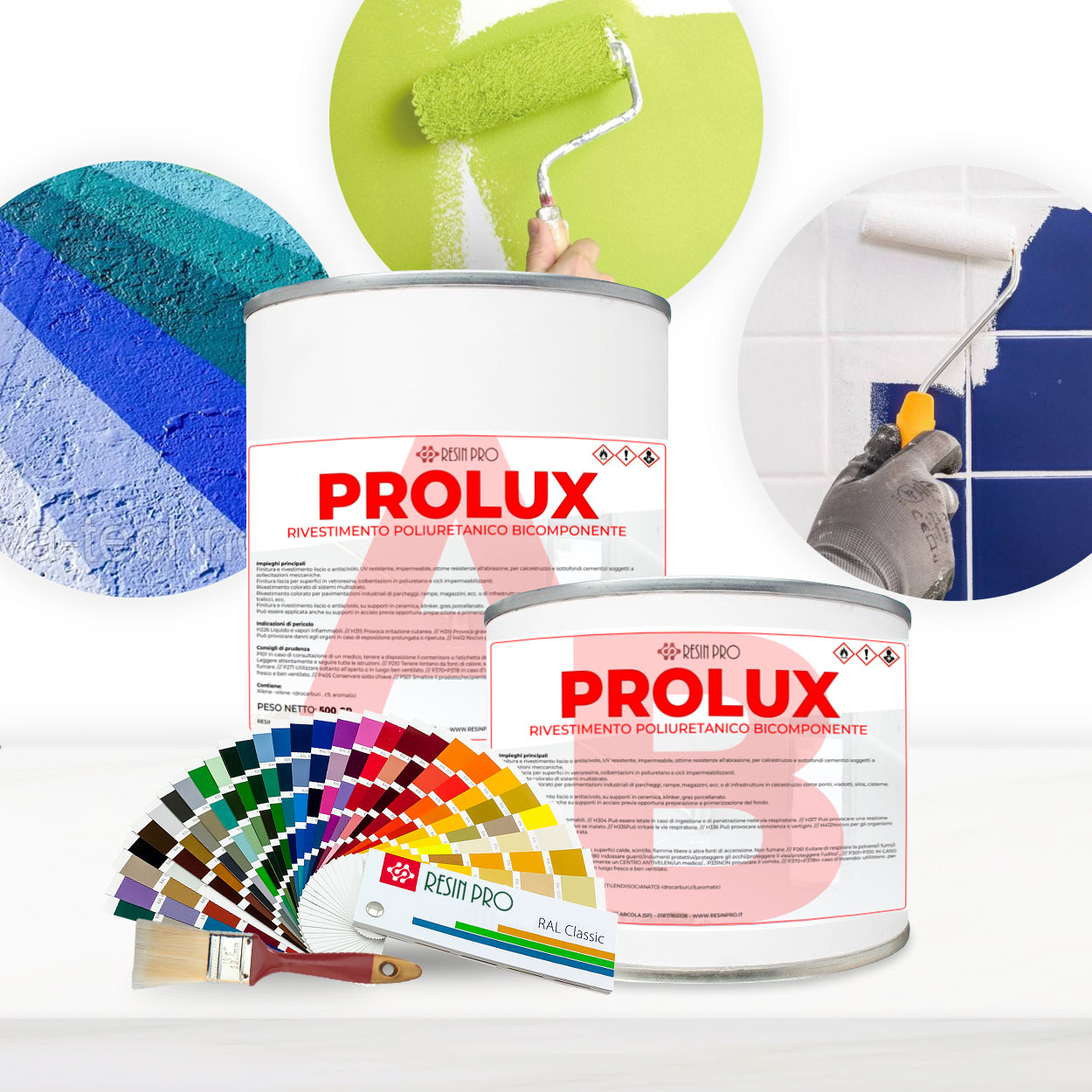
- “Prolux” – PU coating for tiles, concrete, plastic and metal – suitable for driveable surfaces: A polyurethane coating offering robust finish and protection, especially for high-traffic floors.
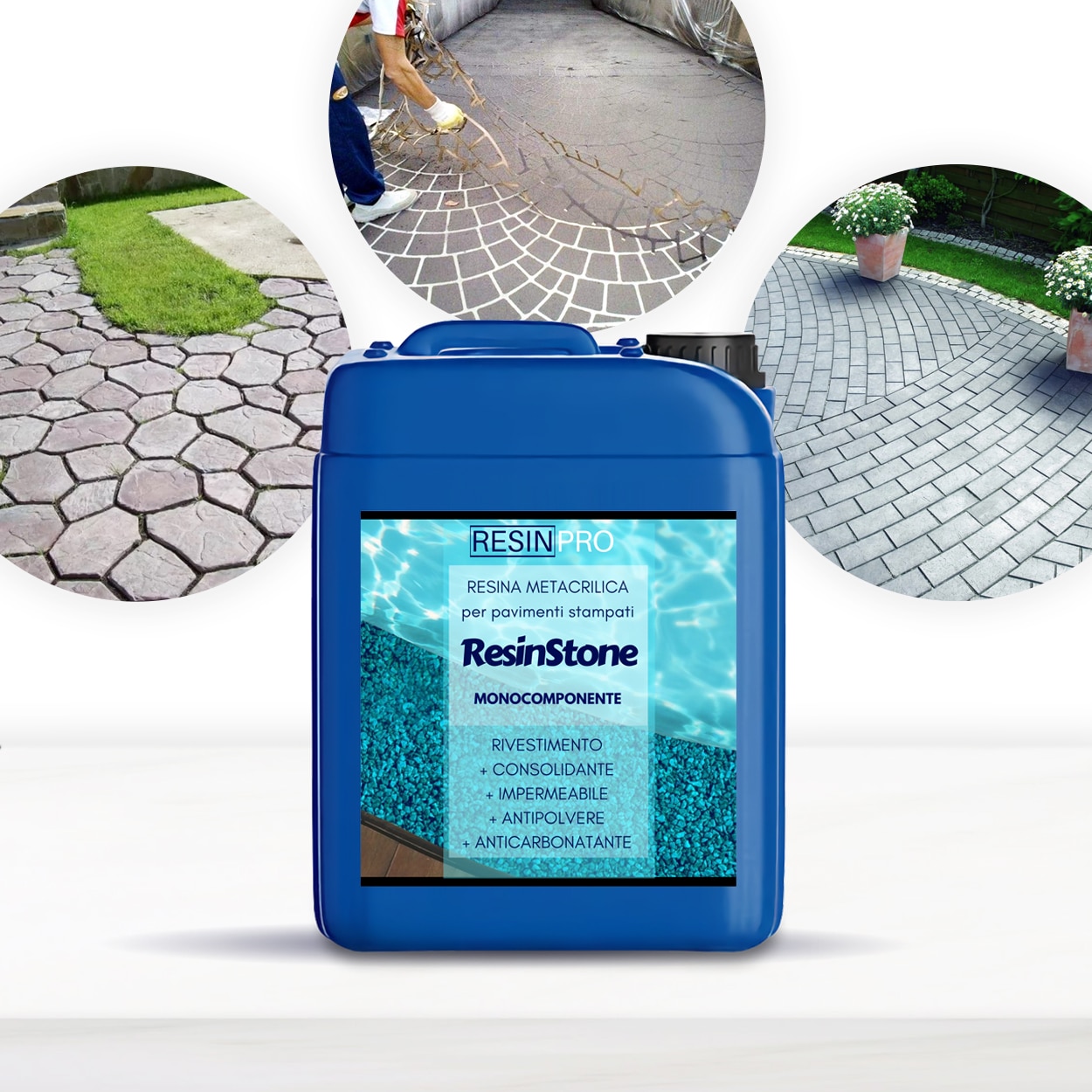
- “Resinstone” – One-Component Methacrylic Resin for Concrete Floors and Driveways: Ideal for sealing and protecting concrete flooring and outdoor driveways.
- “Flowstone” – Complete Permeable Floor Kit with Pebbles and Resin: Kit solution for permeable resin-bound pebble surfaces.
- Protective gloves, goggles, overalls, and appropriate respiratory protection
- Rollers, brushes, squeegee, and mixing tools
- Masking tape or edging tape
- Cleaning materials (vacuum, degreaser, mop, cloths)

Visual Inspiration: Resin Floor Transformations
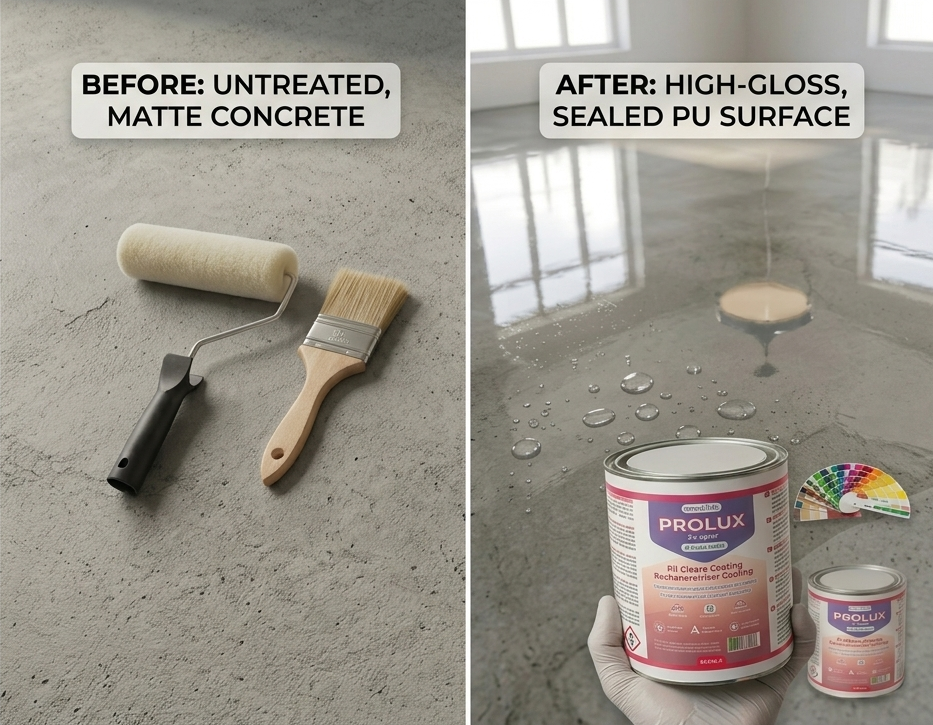
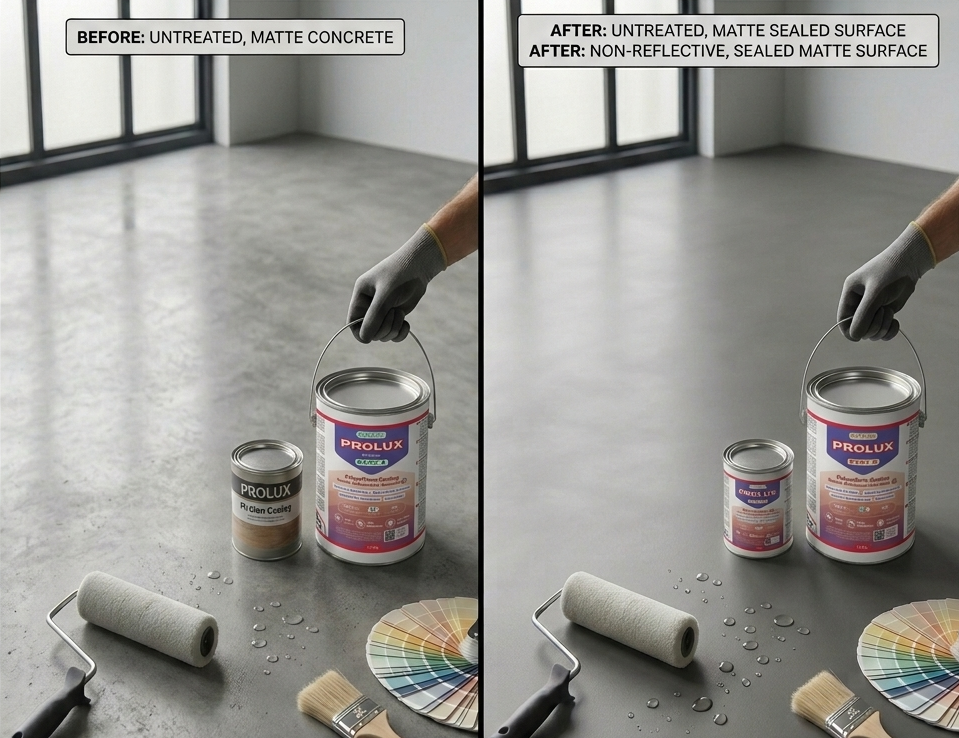
See before-and-after examples of resin-coated floors in modern interiors, garages and outdoor patios. Notice the seamless appearance and reflection quality, as well as the ways resin can revitalise even the most tired concrete or tiled surface. From minimalist grey finishes to sparkling decorative granules, resin flooring offers customisable design options suitable for homes and businesses.
Step 1: Assess and Prepare the Floor Surface
Carefully assess your floor surface for defects, chips, old coatings, grease, or cracks. Resin coatings require a stable and absorbent substrate for optimal bonding. Primarily, concrete, screed, tiles, and timber can all be suitable bases, but each demands careful inspection.
Cleaning and preparing is vital: Remove any dust, dirt, oil, or prior grease with suitable detergents or degreasers. Fill cracks or holes using compatible repair mortars. For smooth tiles or glossy concrete, mechanical abrasion (such as sanding or light grinding) helps the resin adhere better. Mask off edges, skirting boards, and fixtures you wish to protect.
If you are working with an absorbent surface like concrete, start with a high-quality primer such as “Epoxyprimer” – Universal Water-Based Two-Component Epoxy Floor Primer to maximise adhesion and prevent bubbling or discolouration in the finished resin layer.
Step 2: Mix and Prime with Resin (Where Needed)
Prepare primer or resin for your floor by reading all product instructions. Two-component primers and coatings must be combined in precise ratios and fully mixed to ensure uniform curing. Mix resin slowly and precisely, ensuring no unmixed residue remains in corners or edges of the vessel. Let the mixture stand for a minute after mixing to release air bubbles.
Spread the primer using a low-pile roller, brush, or spatula for consistent, thin coverage. This step lays the essential foundation for robust bonding with the main resin layer. Allow the product’s recommended curing time before moving on—usually 24–48 hours for water-based primers, or less for fast-dry solutions.
Step 3: Apply the Main Resin Coating
Once your floor is primed (or prepared for direct resin application, as with some outdoor systems), it’s time for the main coating. Select your resin system according to substrate and performance needs: PU coatings like “Prolux” – PU coating for tiles, concrete, plastic and metal – suitable for driveable surfaces are ideal for high-traffic or outdoor floors, while “Resinstone” – One-Component Methacrylic Resin for Concrete Floors and Driveways is perfect for concrete paths or driveways.
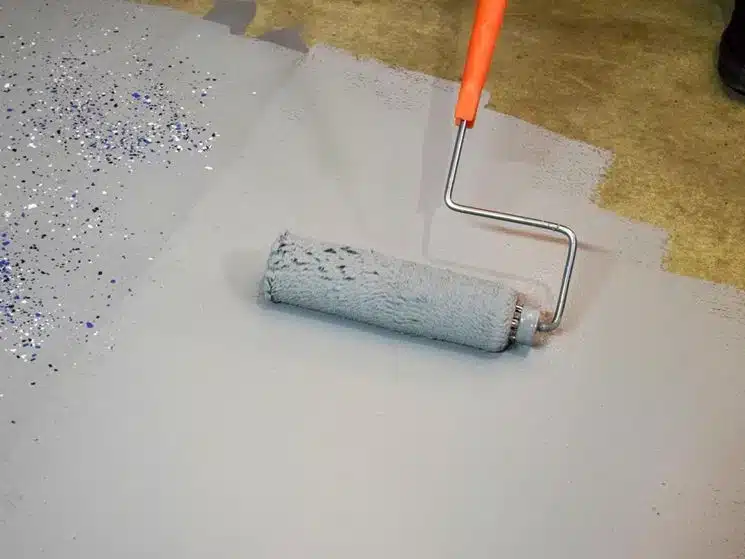
Mix and pour resin quickly, working in small sections. Use a roller or squeegee to spread the resin evenly across the floor, working outwards from the main entryway to avoid stepping on the finished surface. Work quickly but precisely; resin will begin curing promptly.
For decorative and permeable pebble floors, mix resin with pebbles as directed (see the “Flowstone” – Complete Permeable Floor Kit with Pebbles and Resin instructions) and trowel into place for an even, robust layer that allows for drainage in outdoor settings.
Step 4: Allow Resin to Cure and Finish Your Floor
Allow each layer to fully cure. Timing will vary—primer may require up to 48 hours, while many resin coatings are walkable within 24–48 hours and complete their full chemical cure over 5–7 days. Avoid any heavy foot traffic, water, or further construction during this period.
After the final coat, inspect the floor for any missed spots, bubbles, or debris. For anti-slip needs, optional grit can be added during the final roll-coat phase. Remove masking tape carefully while resin is still slightly soft to ensure clean lines. Only return furniture or use for vehicles once fully cured as per manufacturer’s guidelines.
Tips, Common Mistakes, and Troubleshooting
Ventilation and PPE are essential. Work in a well-ventilated area and always wear protective gloves, goggles, and, if necessary, respiratory equipment.
Avoid applying resin in humid or cold conditions, which can affect cure times and the finished look. Only mix what you can apply immediately, as resin hardens quickly once combined.
Test resin and colour mixes on a small, inconspicuous area if possible, and never rush the curing stages—each layer’s durability depends on the previous one being completely set. Clean all tools and spills immediately with appropriate solvent or soap, as set resin is very difficult to remove.
Project Gallery: Resin Floor Finishes
Explore various resin finishes—from high-gloss industrial floors to permeable stone garden paths. Notice the clarity of colour, the gloss level, and how resin coats provide both toughness and easy cleaning. Each result depends on choosing the right resin and careful application.

- "Epoxyprimer" – Universal Water-Based Two-Component Epoxy Floor PrimerPrice range: £156.45 through £286.45"Epoxyprimer" is a water-based epoxy floor primer designed to ensure reliable adhesion on various floor surfaces.
- "Prolux" – PU coating for tiles, concrete, plastic and metal – suitable for driveable surfacesPrice range: £44.85 through £494.85"Prolux" is a polyurethane coating designed for floors and surfaces exposed to wear, with a versatile finish and suitable for different materials.
- "Resinstone" – One-Component Methacrylic Resin for Concrete Floors and DrivewaysPrice range: £36.71 through £336.48"Resinstone" is designed for sealing and protecting concrete floors and driveways, suitable for various outdoor and indoor surfaces.
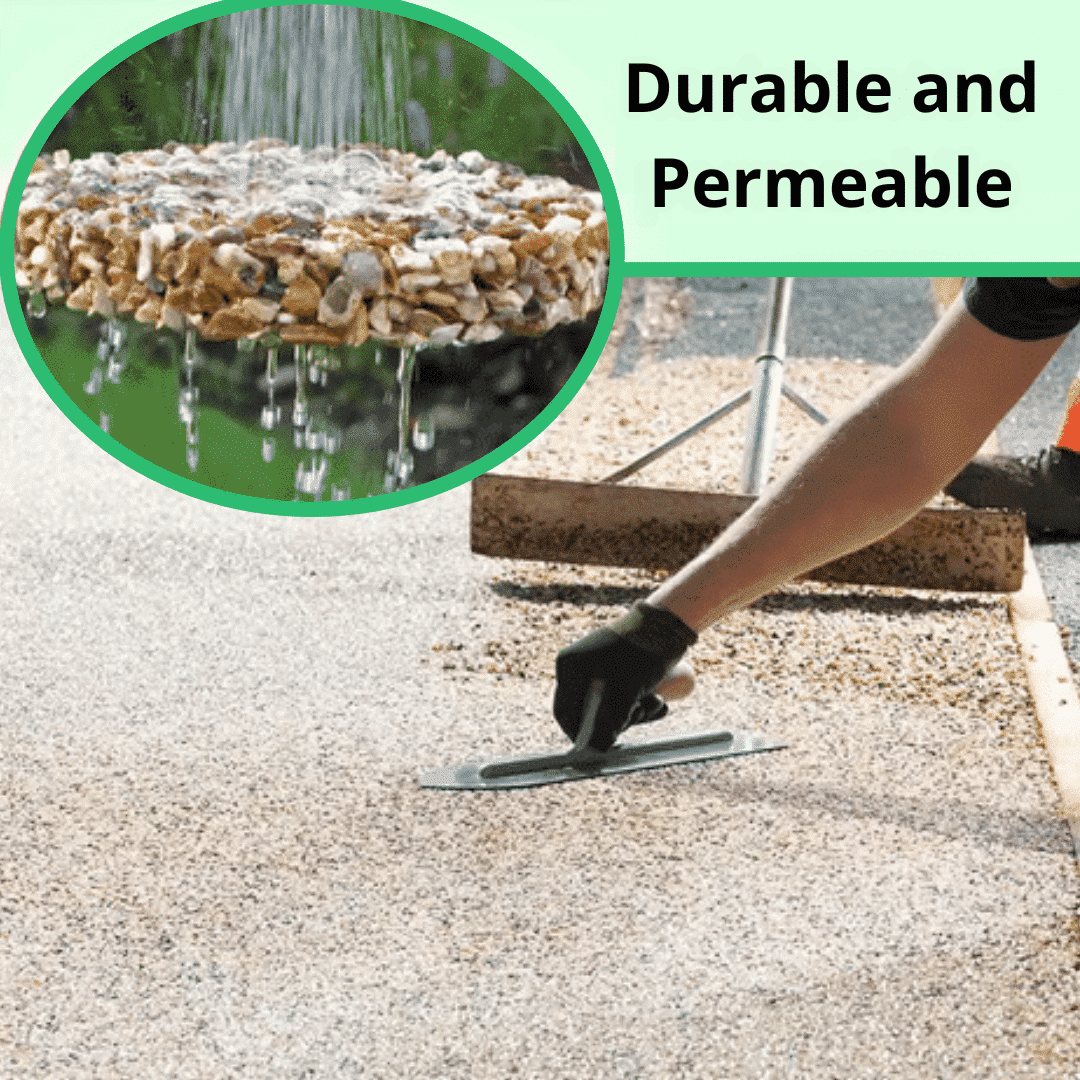 "Flowstone" – Complete Permeable Floor Kit with Pebbles and ResinPrice range: £49.95 through £3,915.45"Flowstone" – Complete Permeable Floor Kit with Pebbles and Resin provides a durable, permeable pebble flooring solution with guidance adapted for…
Frequently Asked Questions
Can resin be applied to tiles or wooden floors?
Yes, with correct priming and preparation, resin can coat tiles and timber for a seamless, durable result.
How long does resin flooring take to cure?
Initial curing may be 24–48 hours, but full chemical strength is typically reached after 5–7 days depending on the resin.
How do I make my resin floor anti-slip?
Add anti-slip aggregate to the final resin coat or select a product with anti-slip finish for safer surfaces.
Can I repair damaged areas of a resin floor?
Small chips or worn spots can be sanded and recoated with resin following proper cleaning and preparation.
What surfaces must be primed before resin?
Absorbent and porous surfaces like concrete and screed should always be primed for lasting adhesion and finish.
Can I paint a resin floor myself?
Yes, many resin floor systems are suitable for DIY projects with the right surface prep and safety measures.