 Free shipping on orders over £29,85
  Shipping Tracking!


 Google
 Facebook
← Back to Which silicone rubber is suitable for clay casts?
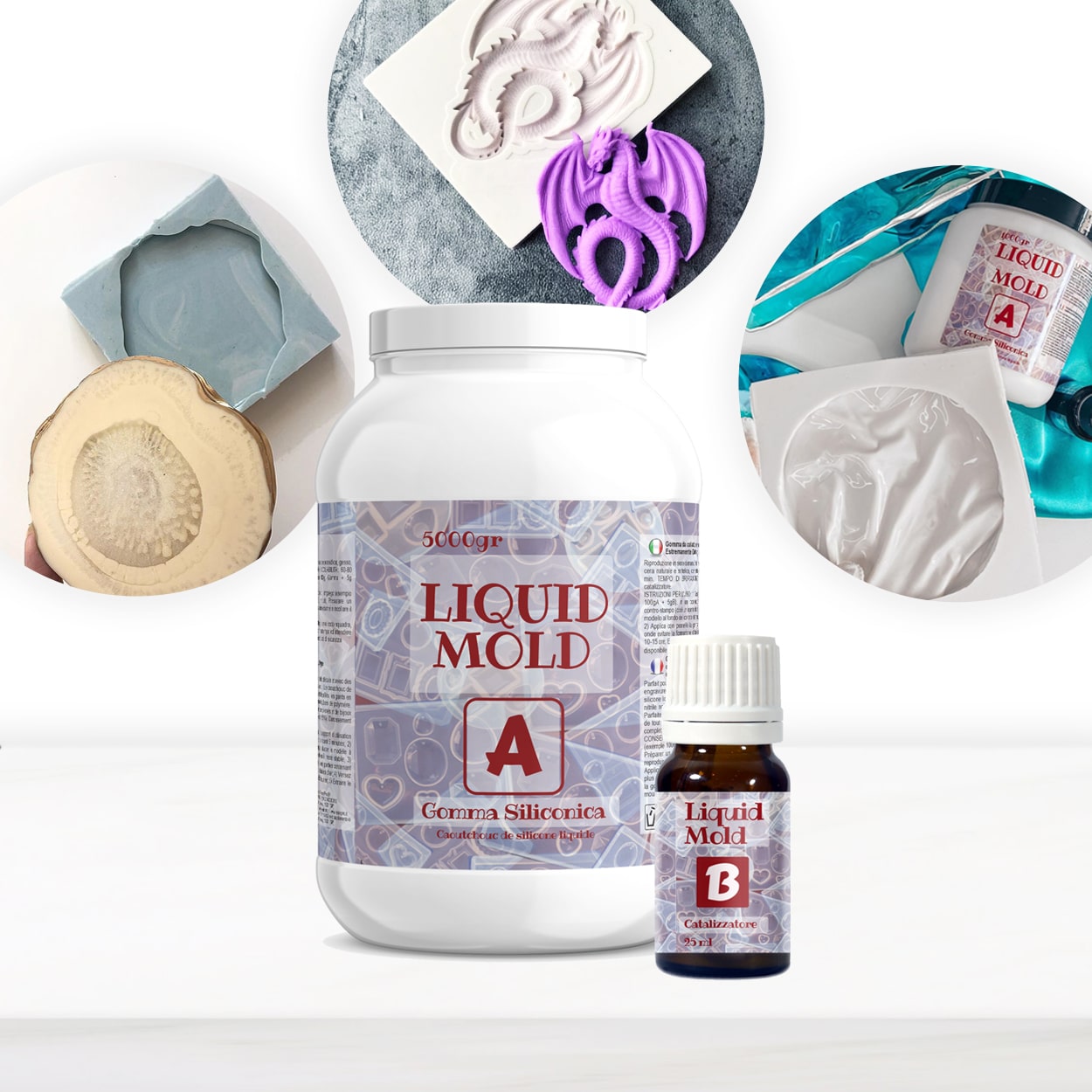

Preparing liquid silicone rubber properly is essential for achieving accurate, detailed, and reusable moulds. Here’s how to ensure the best results whether you’re making creative models or practical duplicates.
Mixing the Silicone and Catalyst
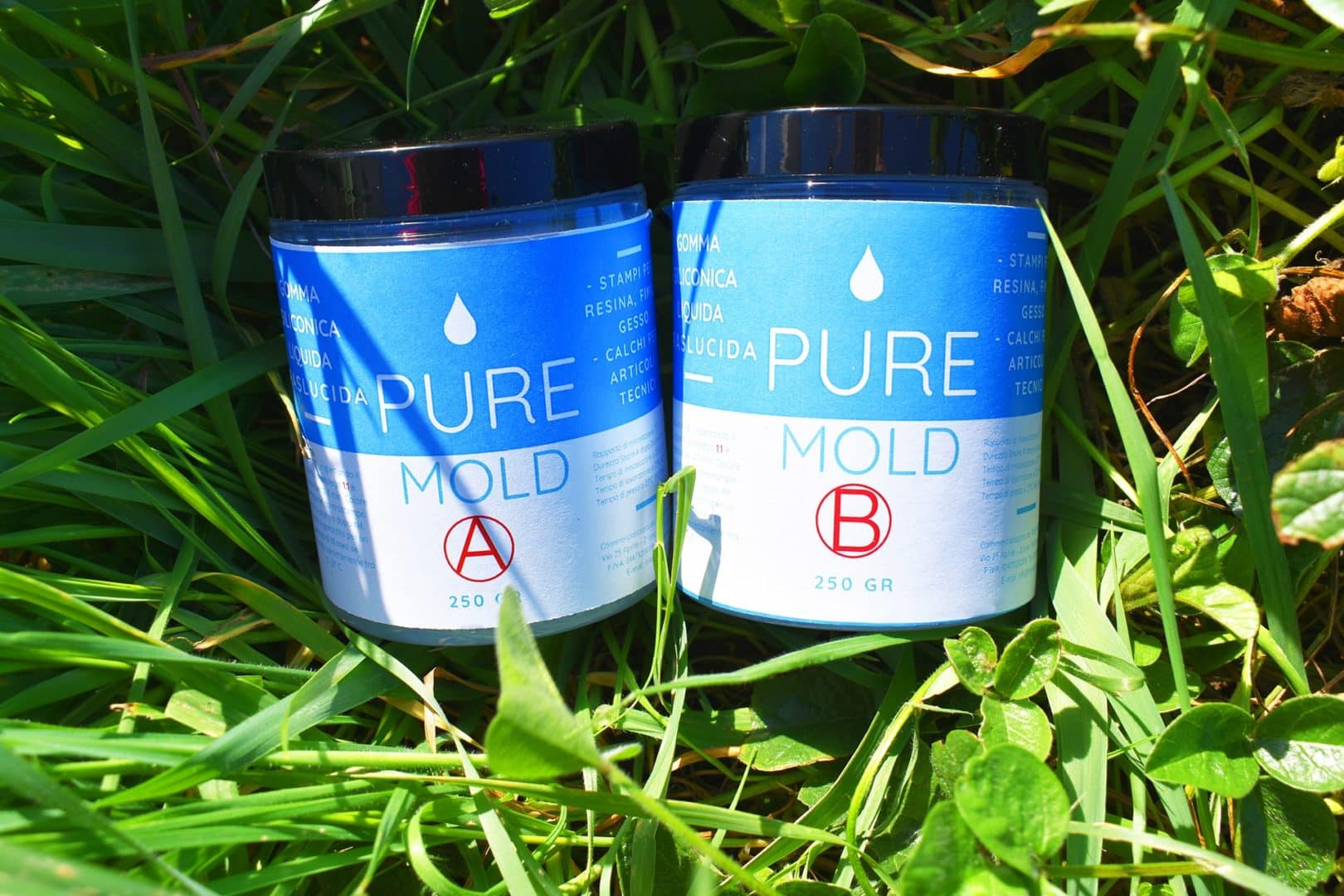
Most liquid silicone rubbers for mould making come as two components: the base and a catalyst. Accurately measure both parts according to the manufacturer’s recommended ratio, typically 1:1 for products such as “Liquid Mould” – Casting Liquid Silicone Rubber, 5-40 Shores, Bi-Component A+B. Combine them in a clean container and stir thoroughly, scraping the sides and bottom, to ensure a homogenous mix. Incomplete mixing can lead to uneven curing and weak spots in the finished mould.
Pouring and Bubble Reduction
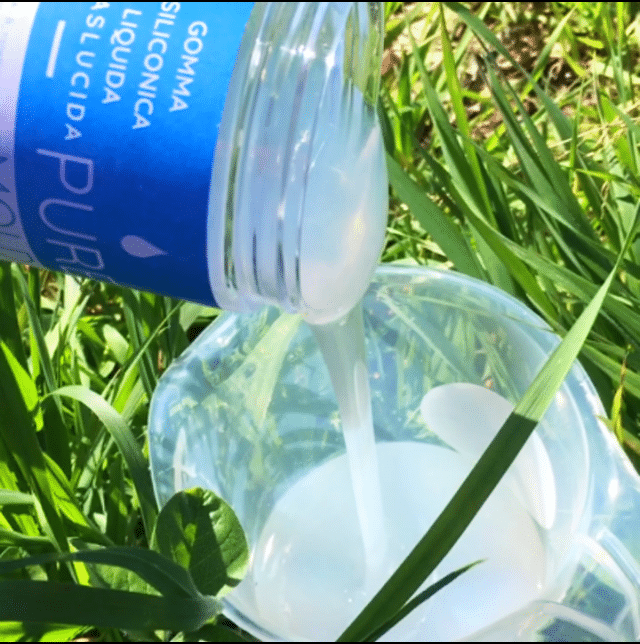
Once fully blended, promptly pour the silicone mixture over or around your prepared model. Pour slowly in a thin stream from a height to help release trapped air. For best results—particularly with intricate models—placing the filled mould in a pressure pot during the cure can significantly reduce air bubbles and improve surface detail. This is especially useful for capturing fine features common in clay cast projects.
Tips for Successful Mould Making
- Use mould release where necessary to prevent sticking.
- Work in a dust-free environment to keep your silicone and model clean.
- Be mindful of ambient temperature, as this can affect curing times.
When this Matters
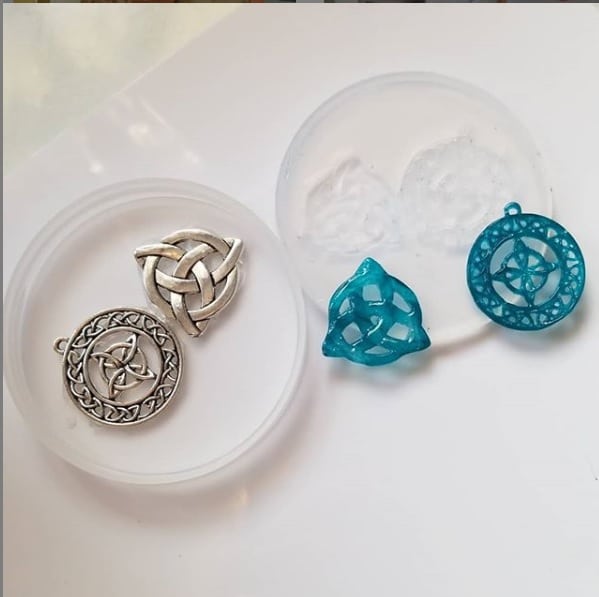
Careful preparation makes all the difference when casting moulds with undercuts, jewellery models, or intricate clay details. Following thorough mixing and pouring practices helps ensure every texture is captured perfectly.
Related products
Related guides
Mastering the preparation of liquid mould silicone rubber gives you professional results and makes mould making for clay casts much easier. For specific product suggestions and deeper guidance, visit our main page on which silicone rubber is suitable for clay casts.